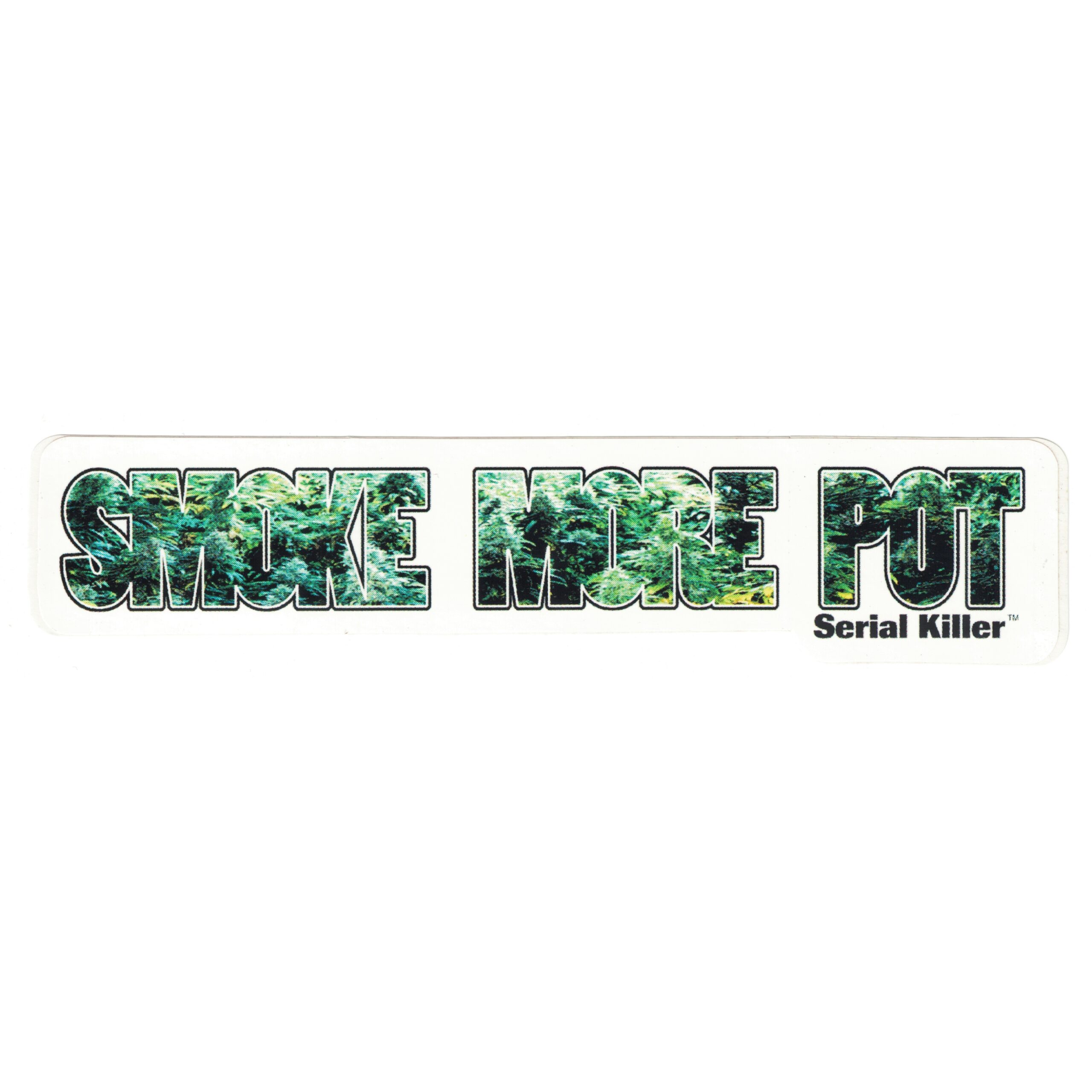
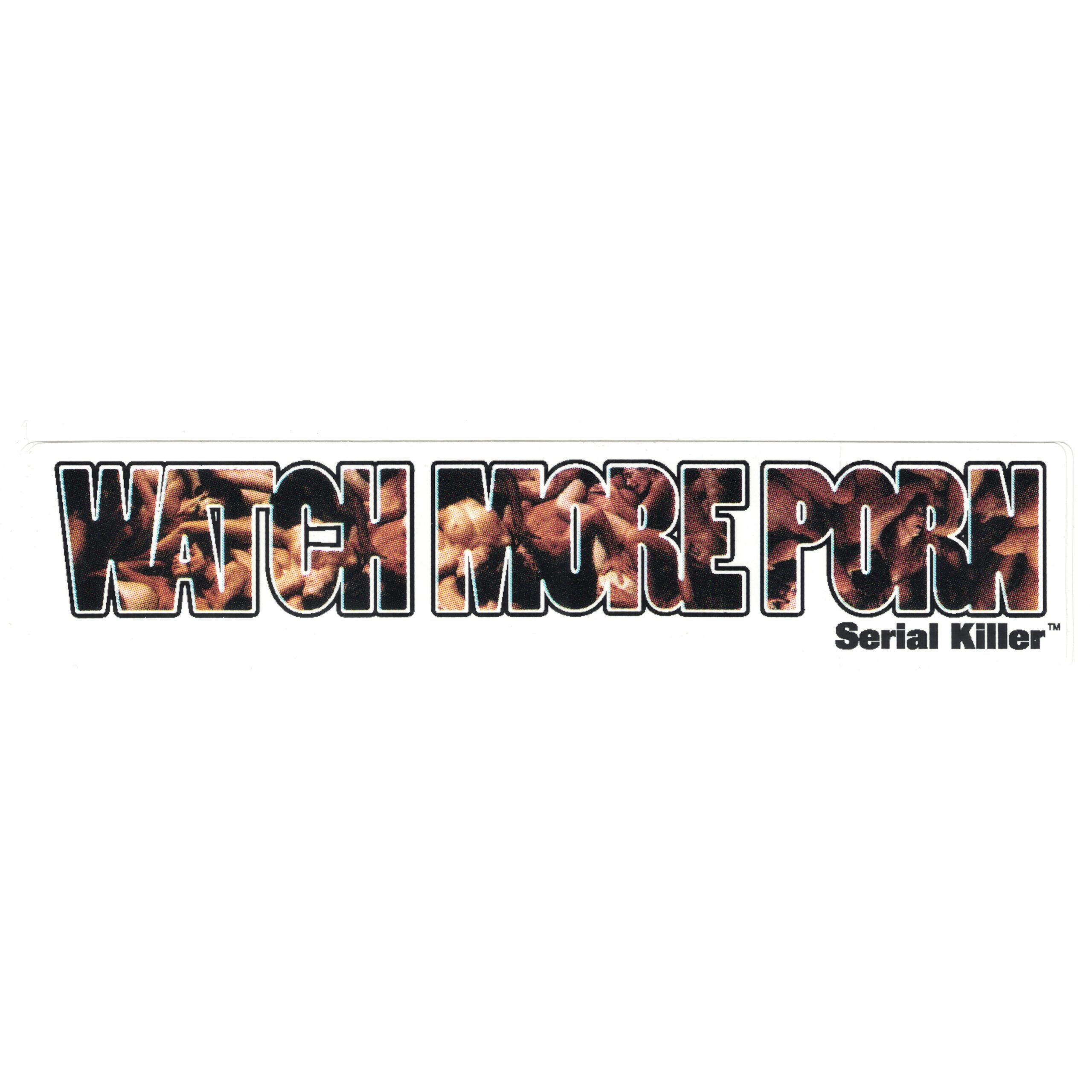
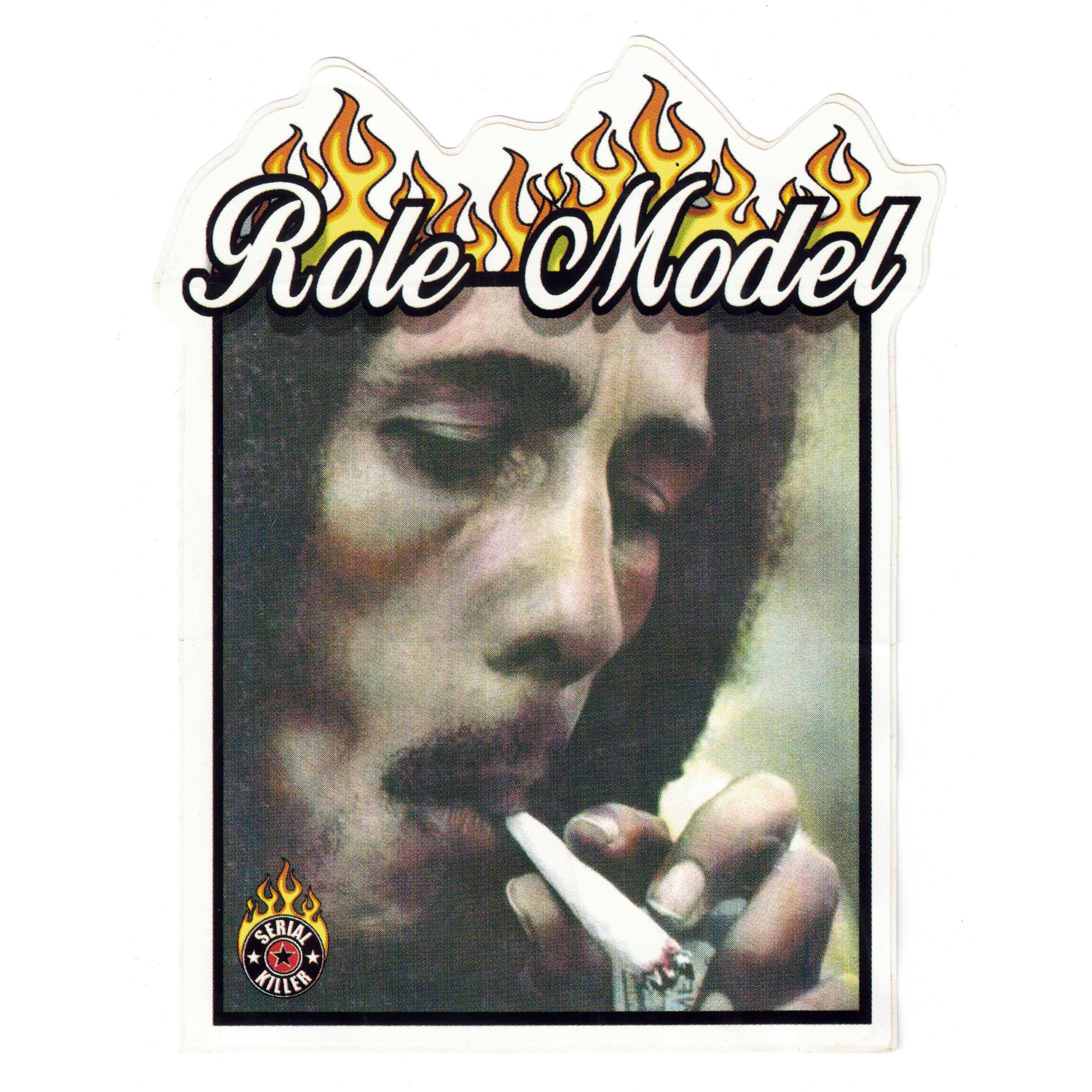
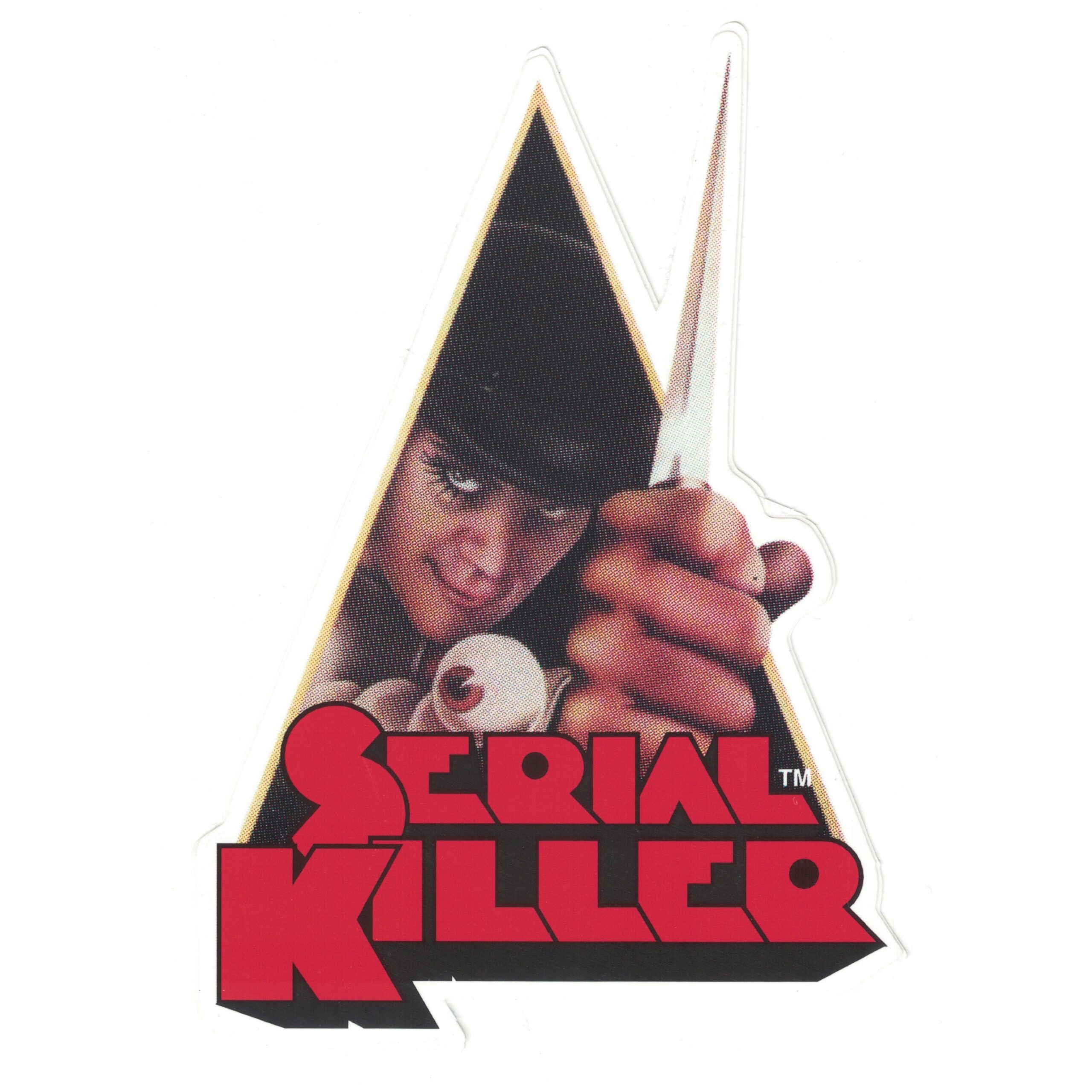
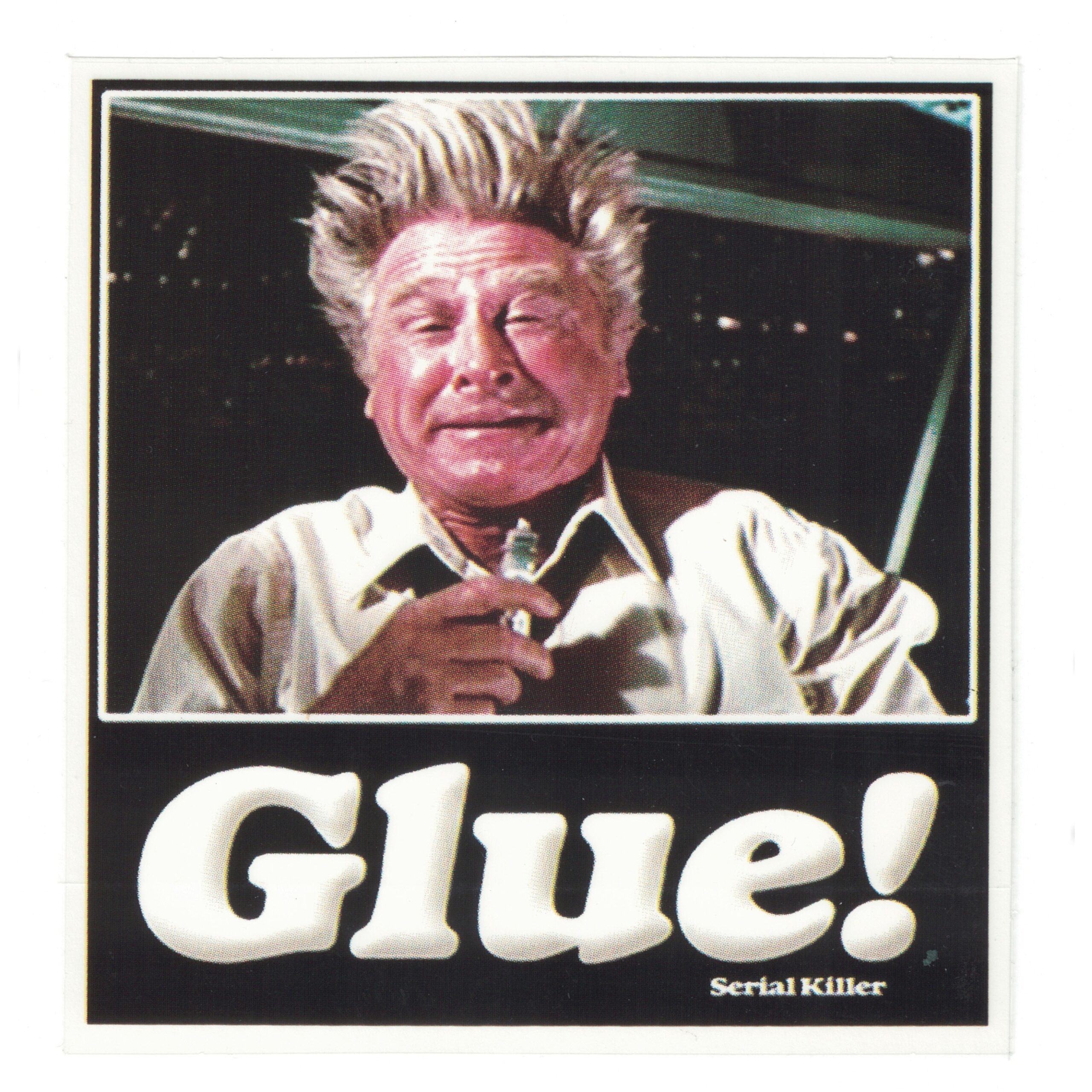
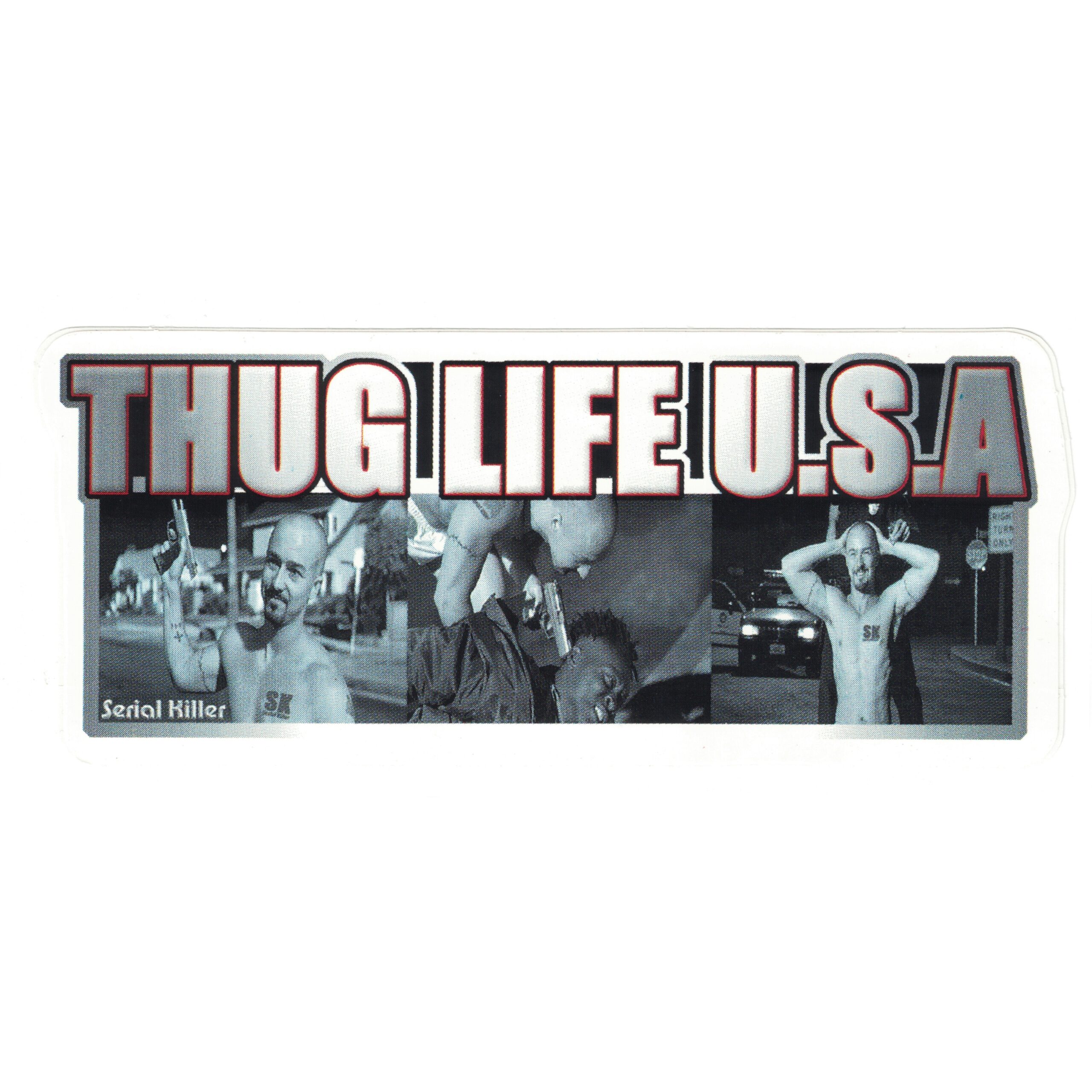
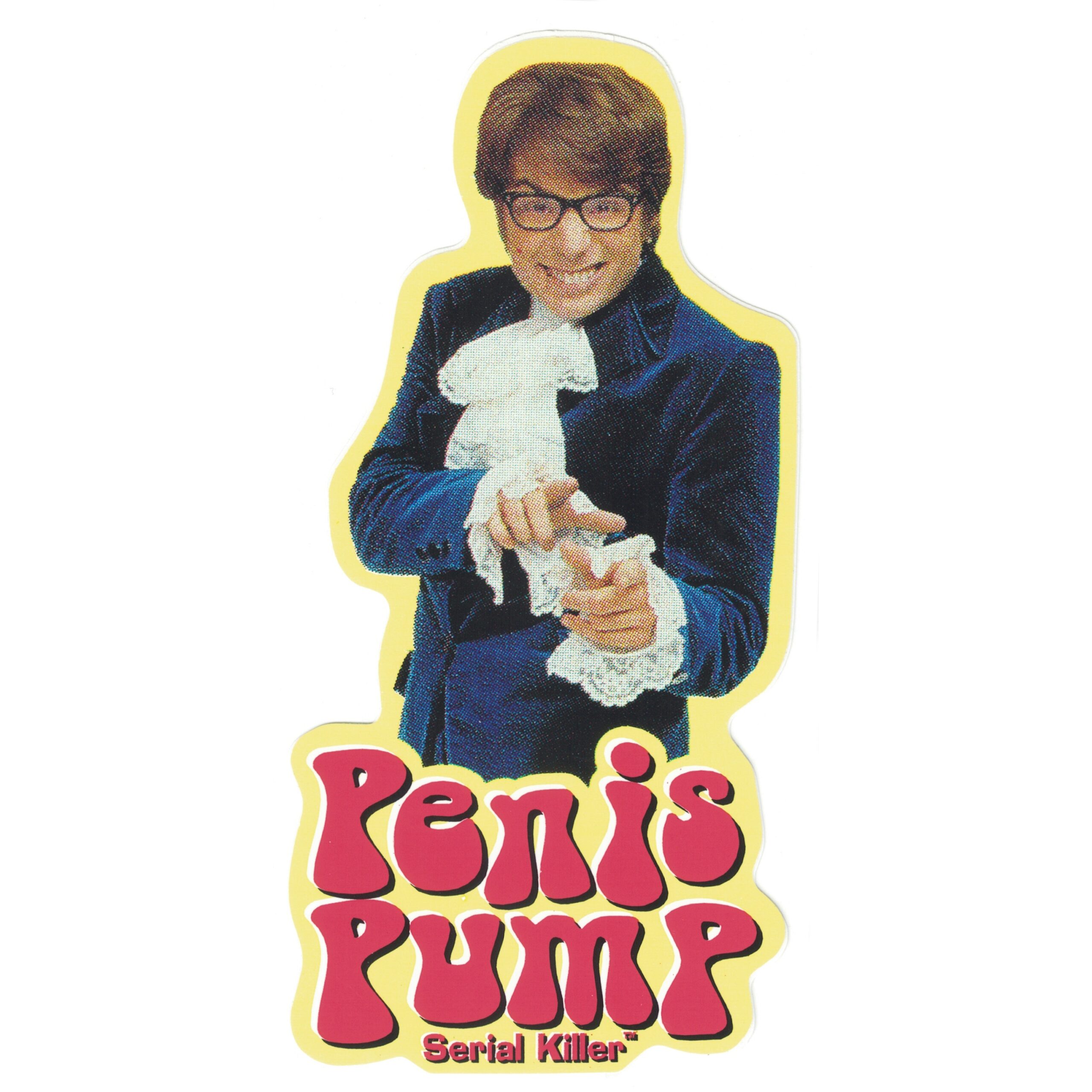
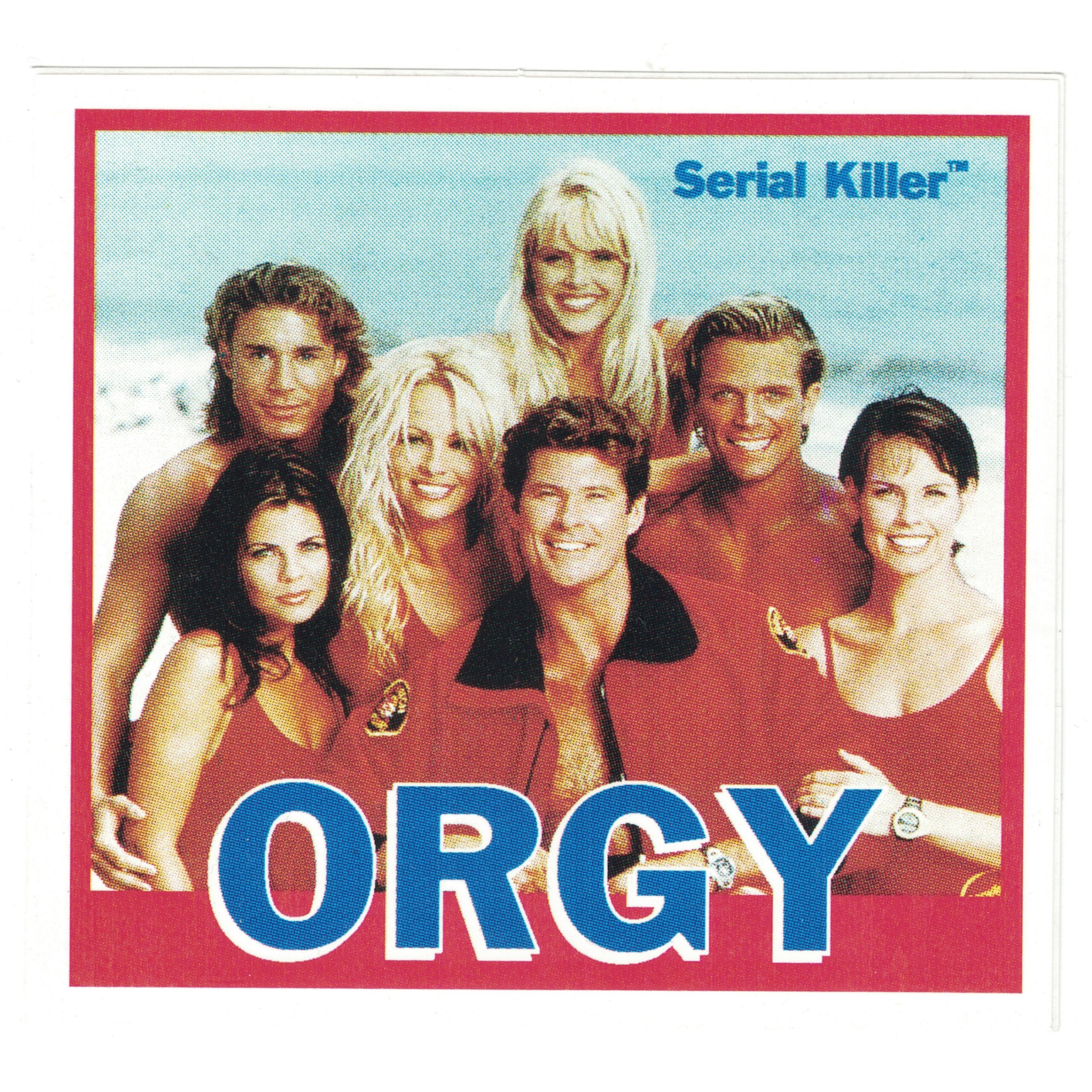
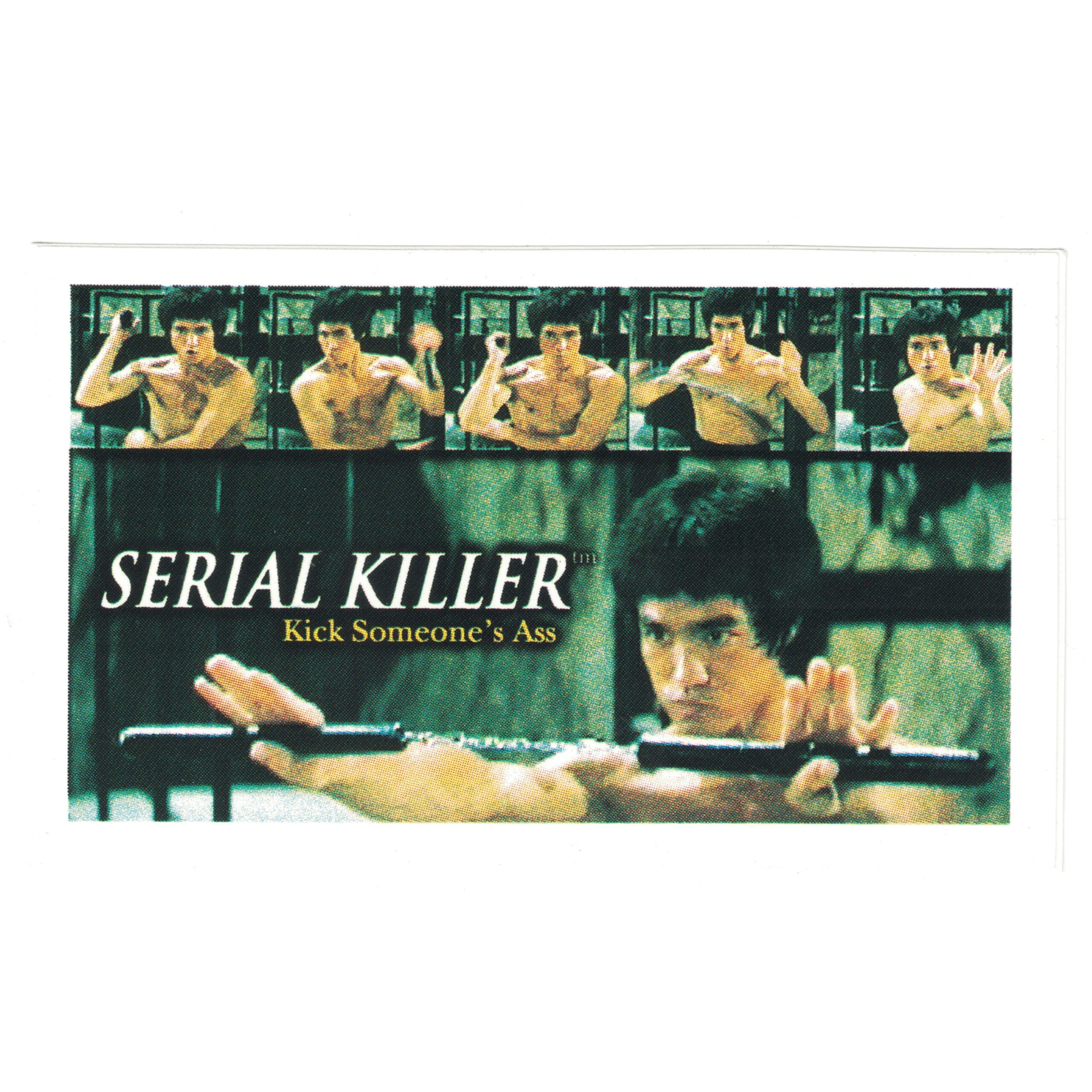
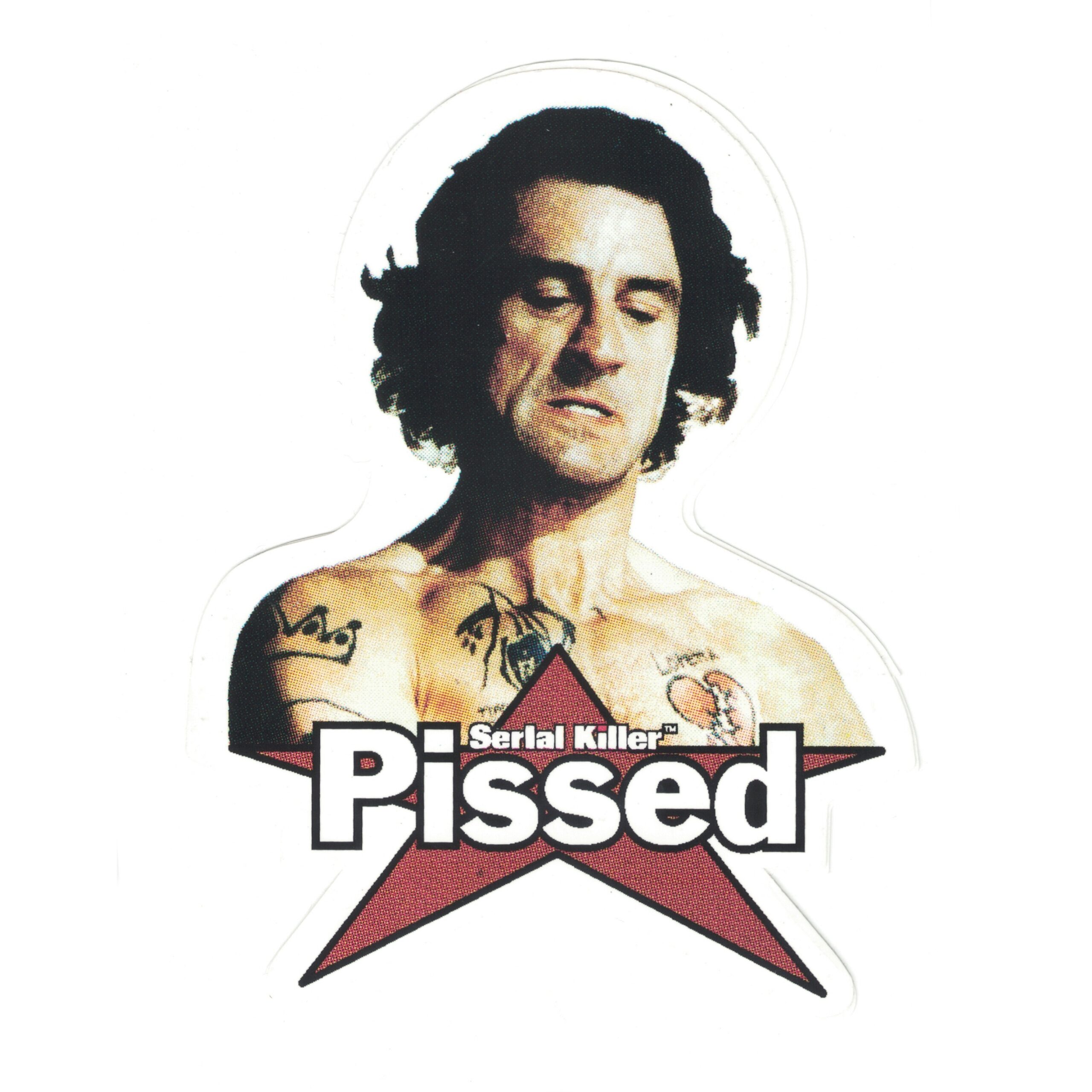
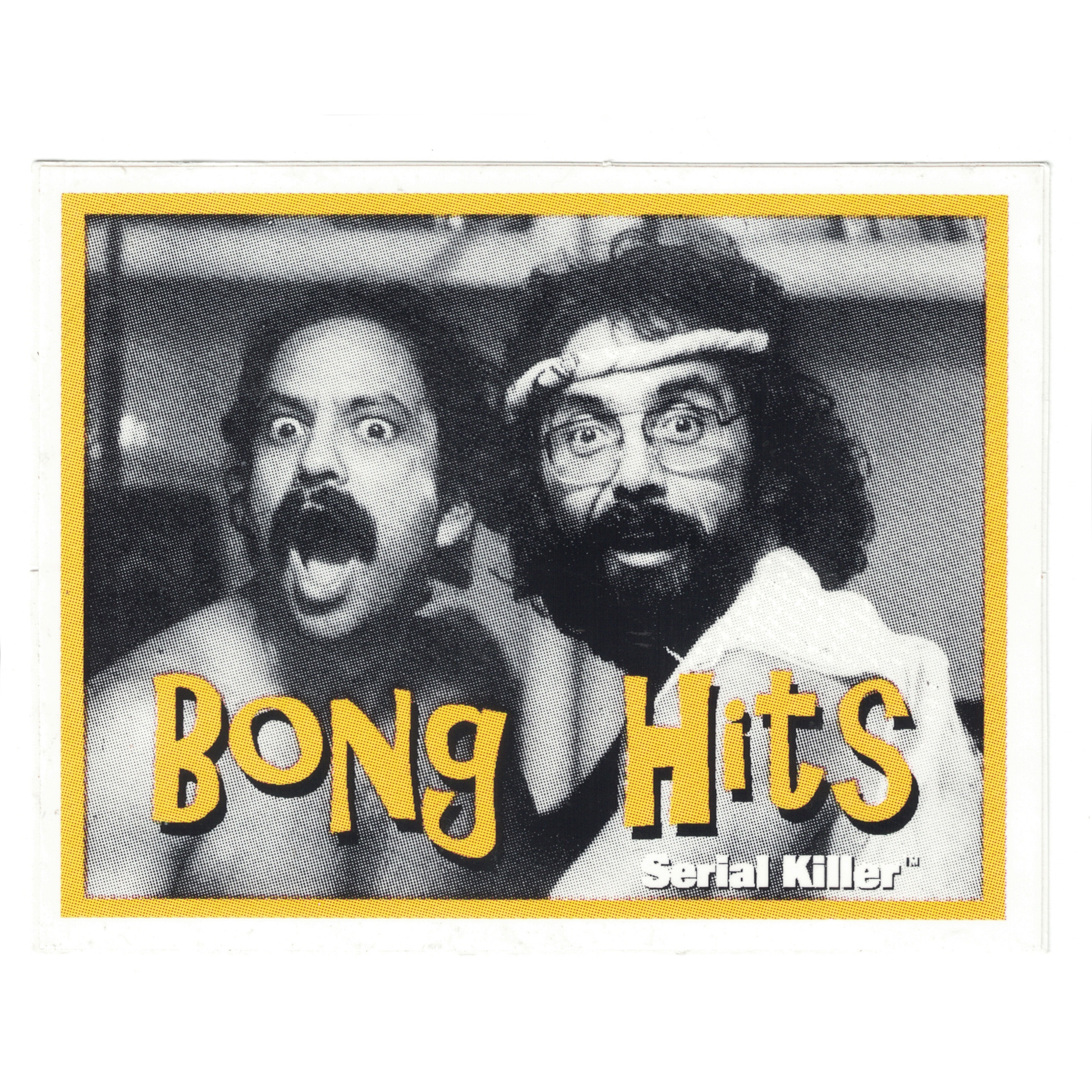
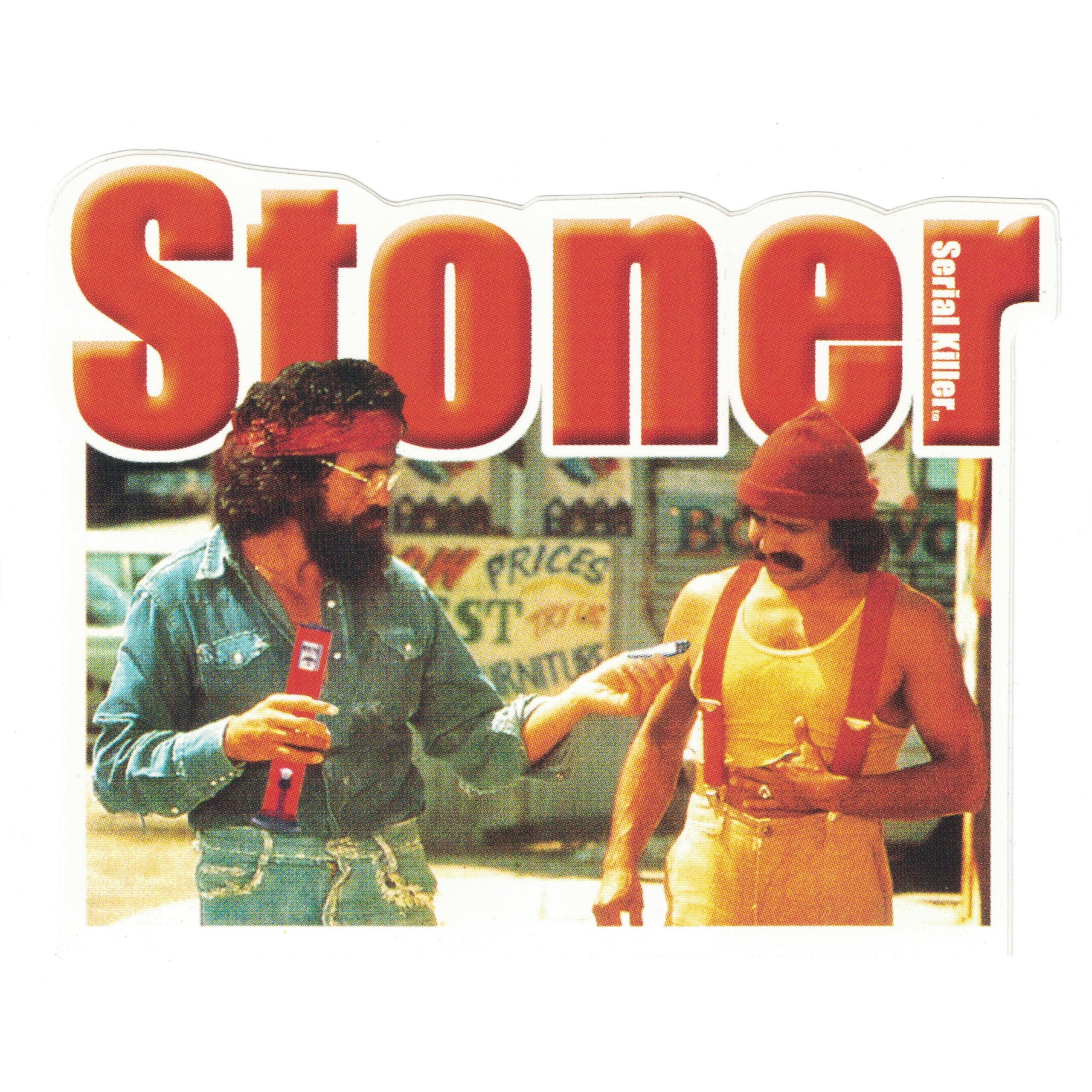
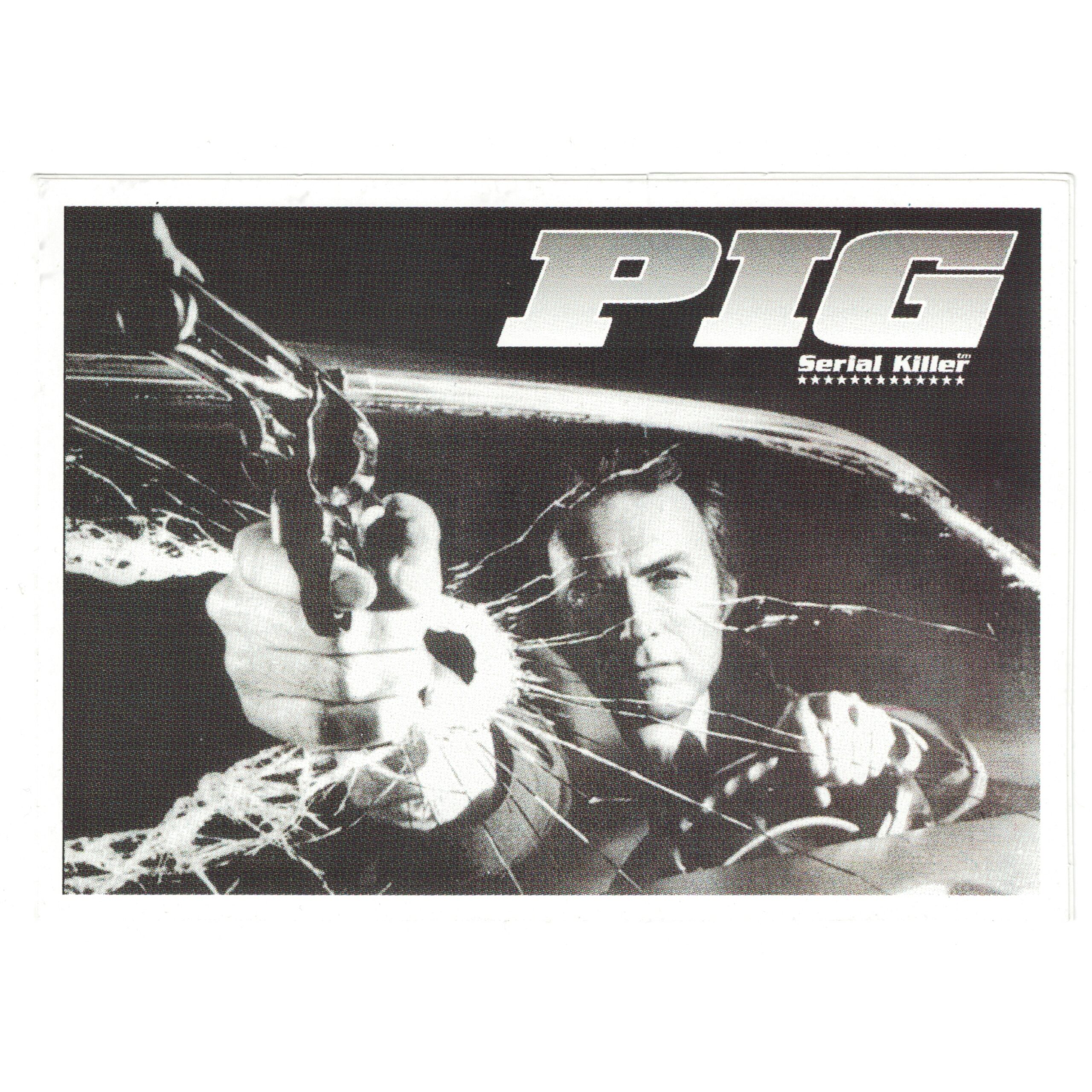
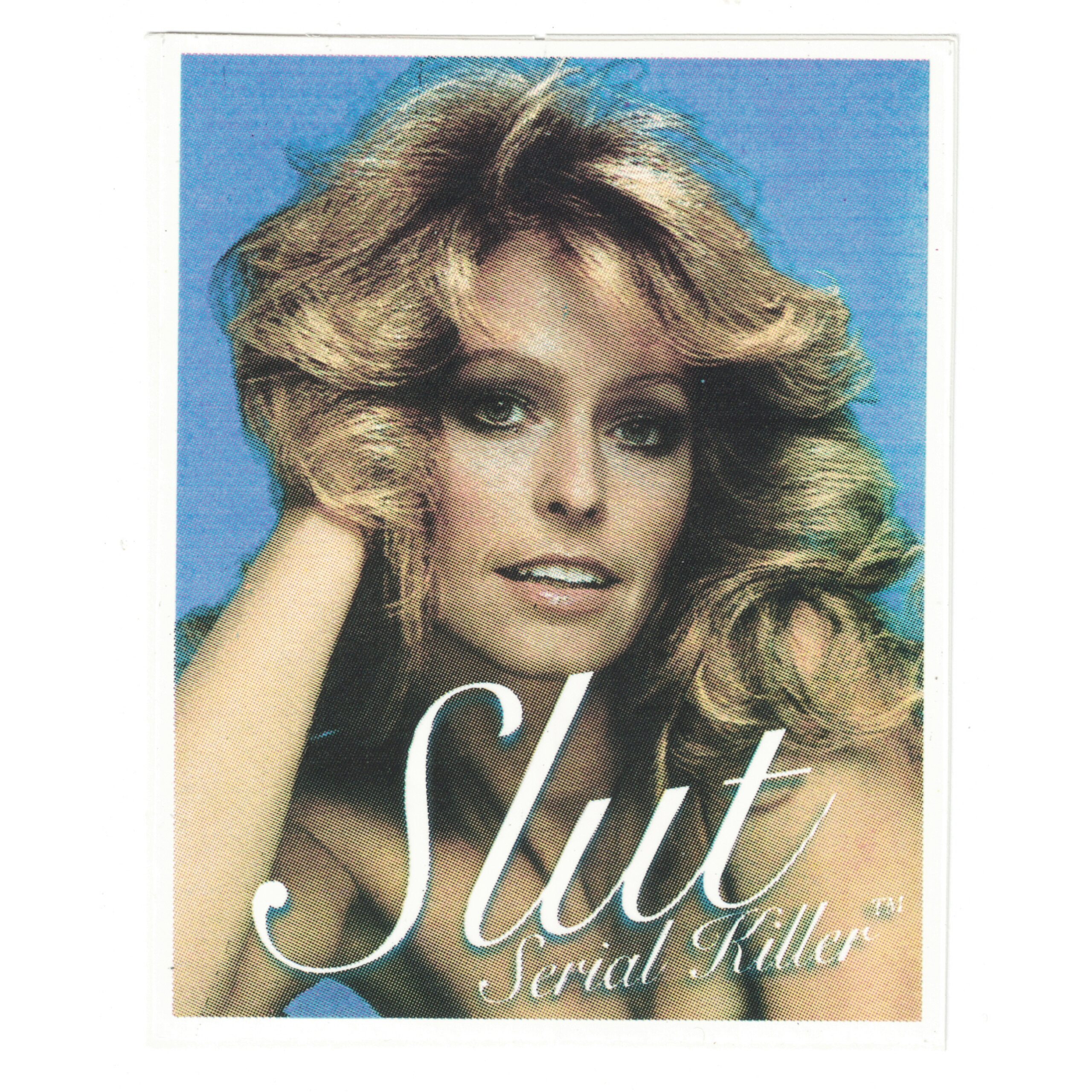
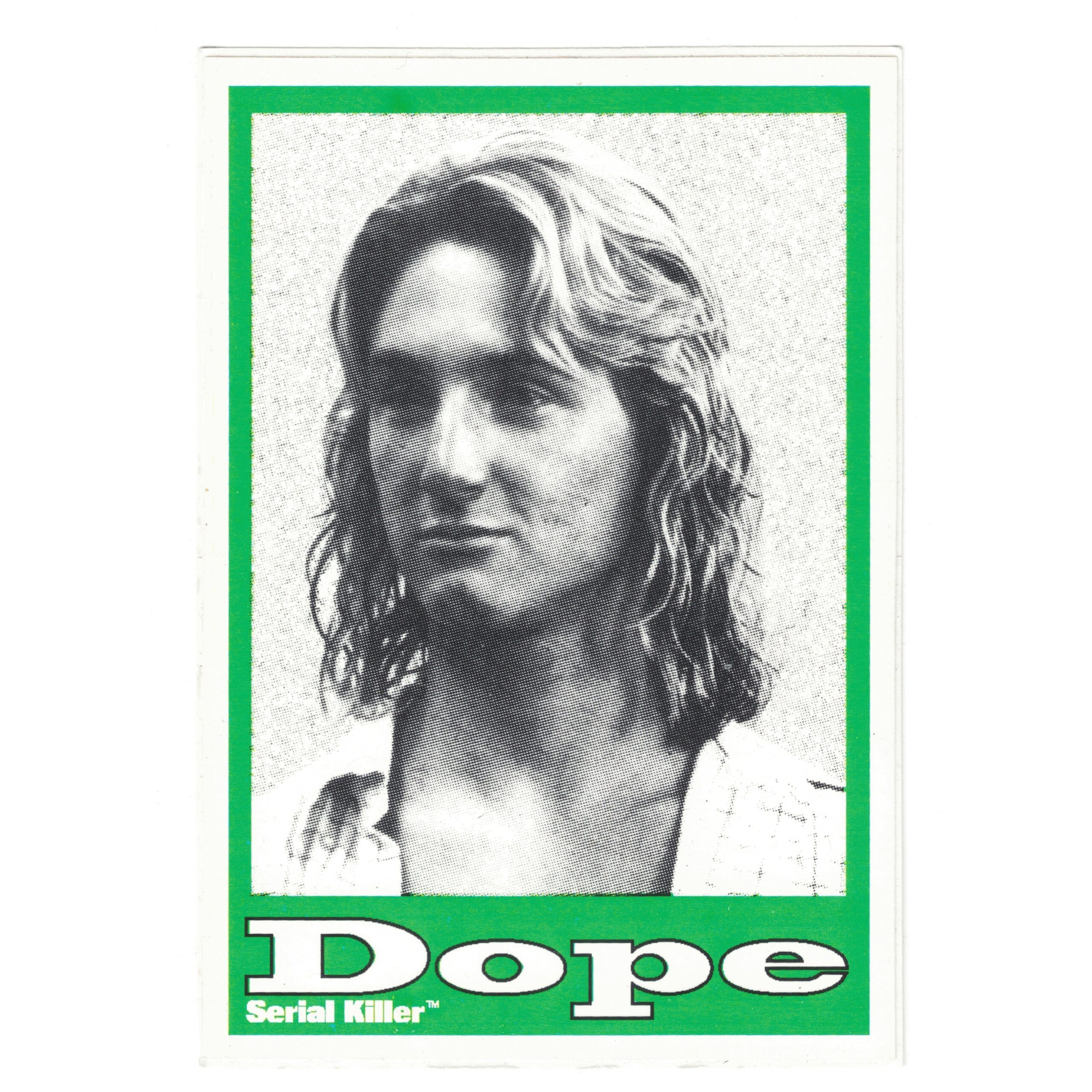
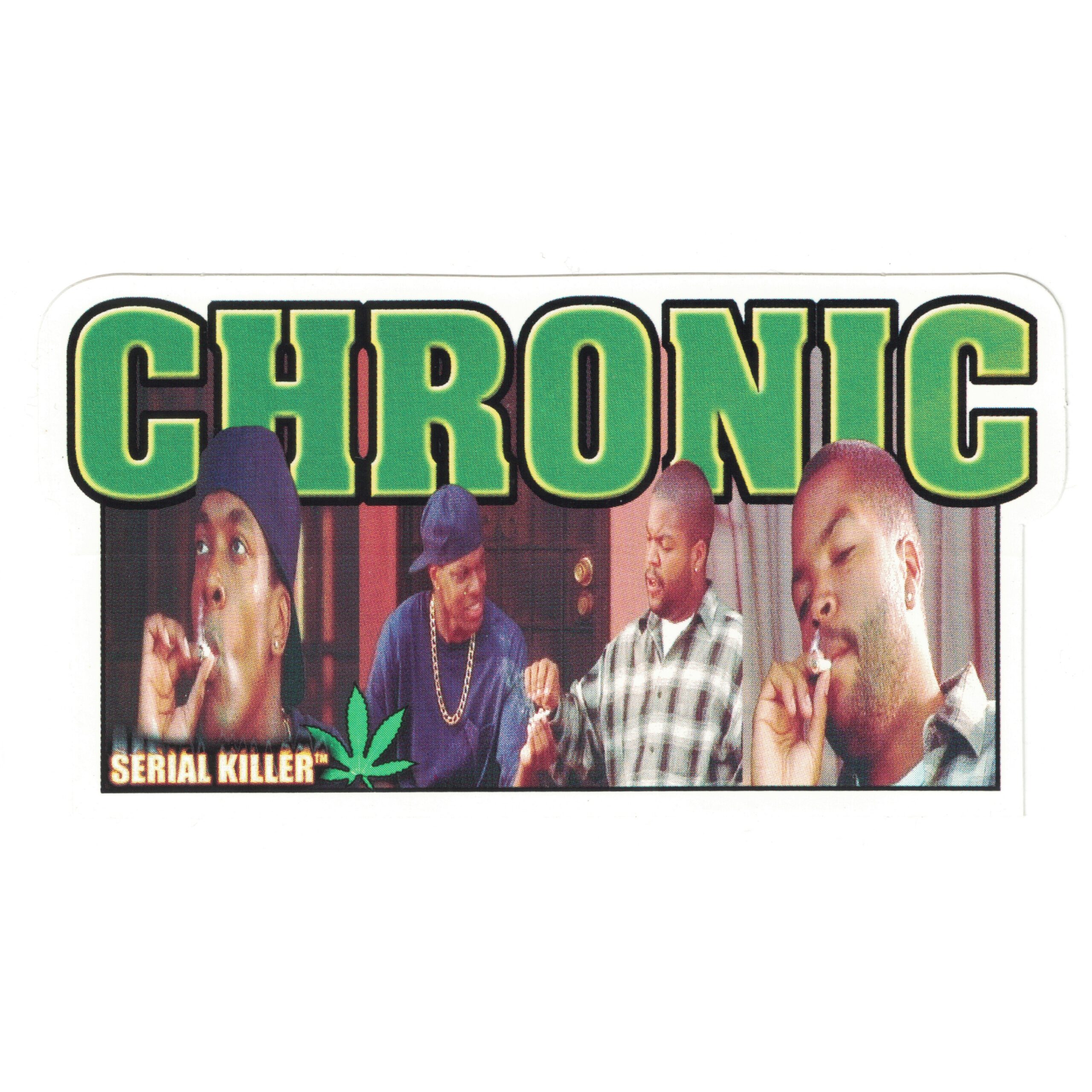
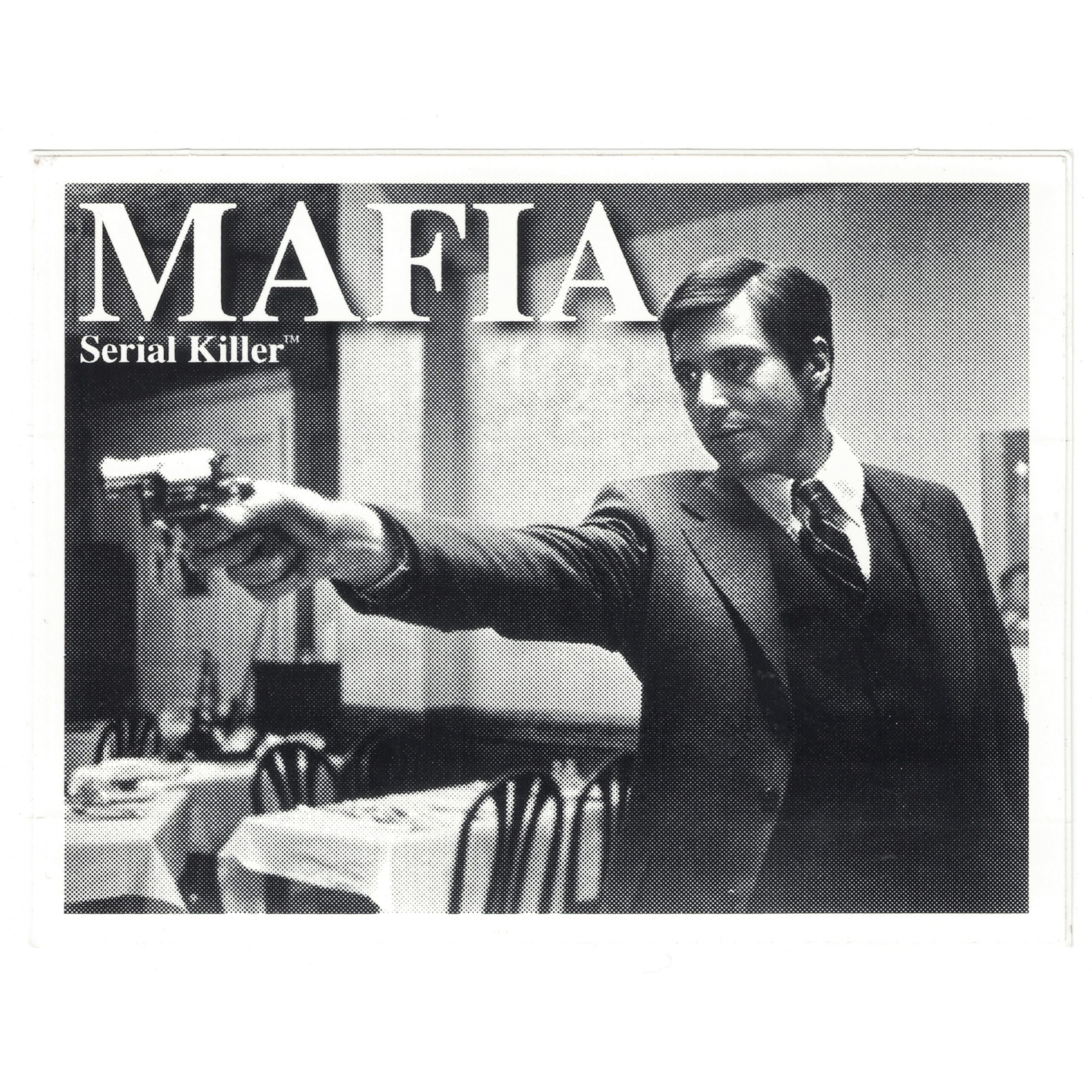
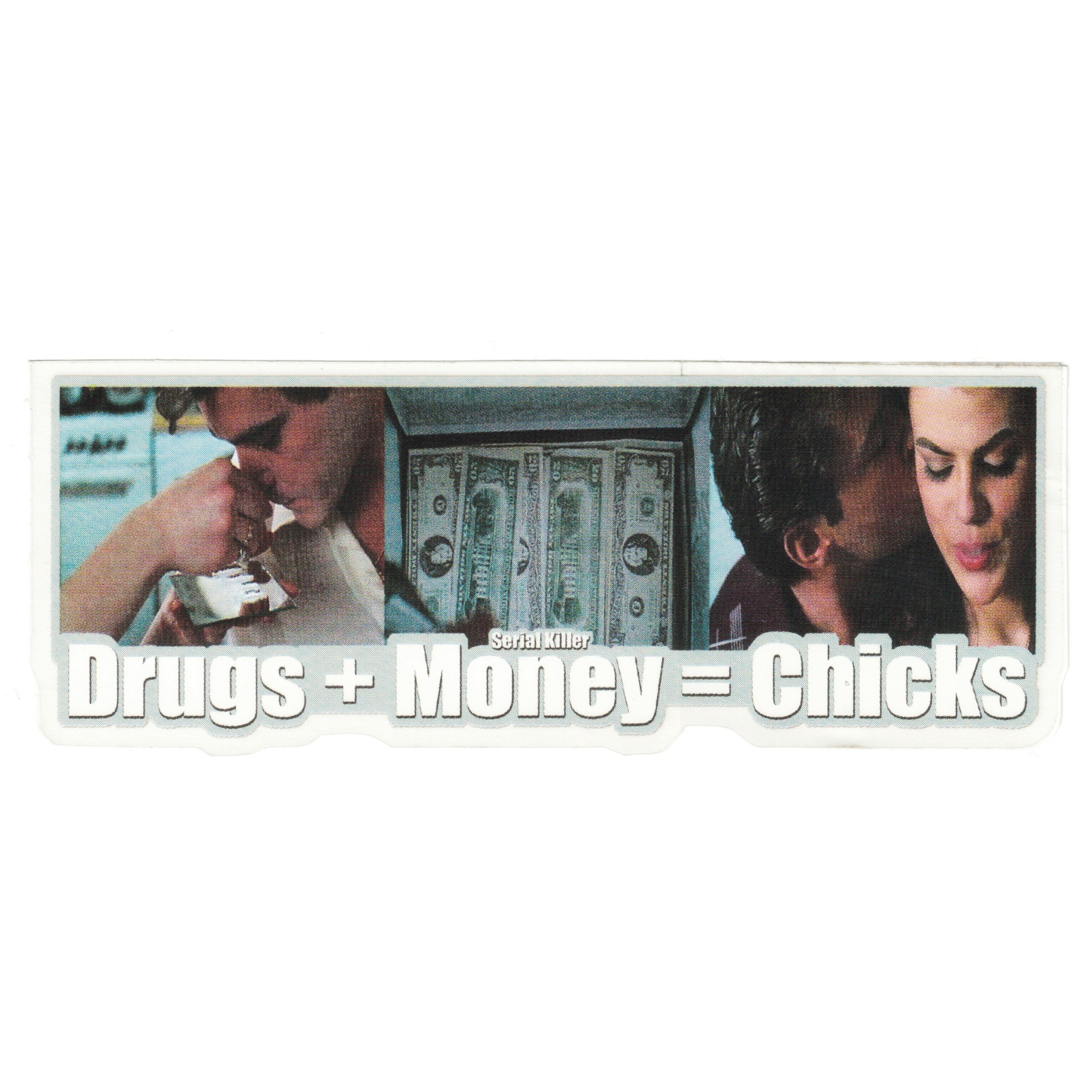
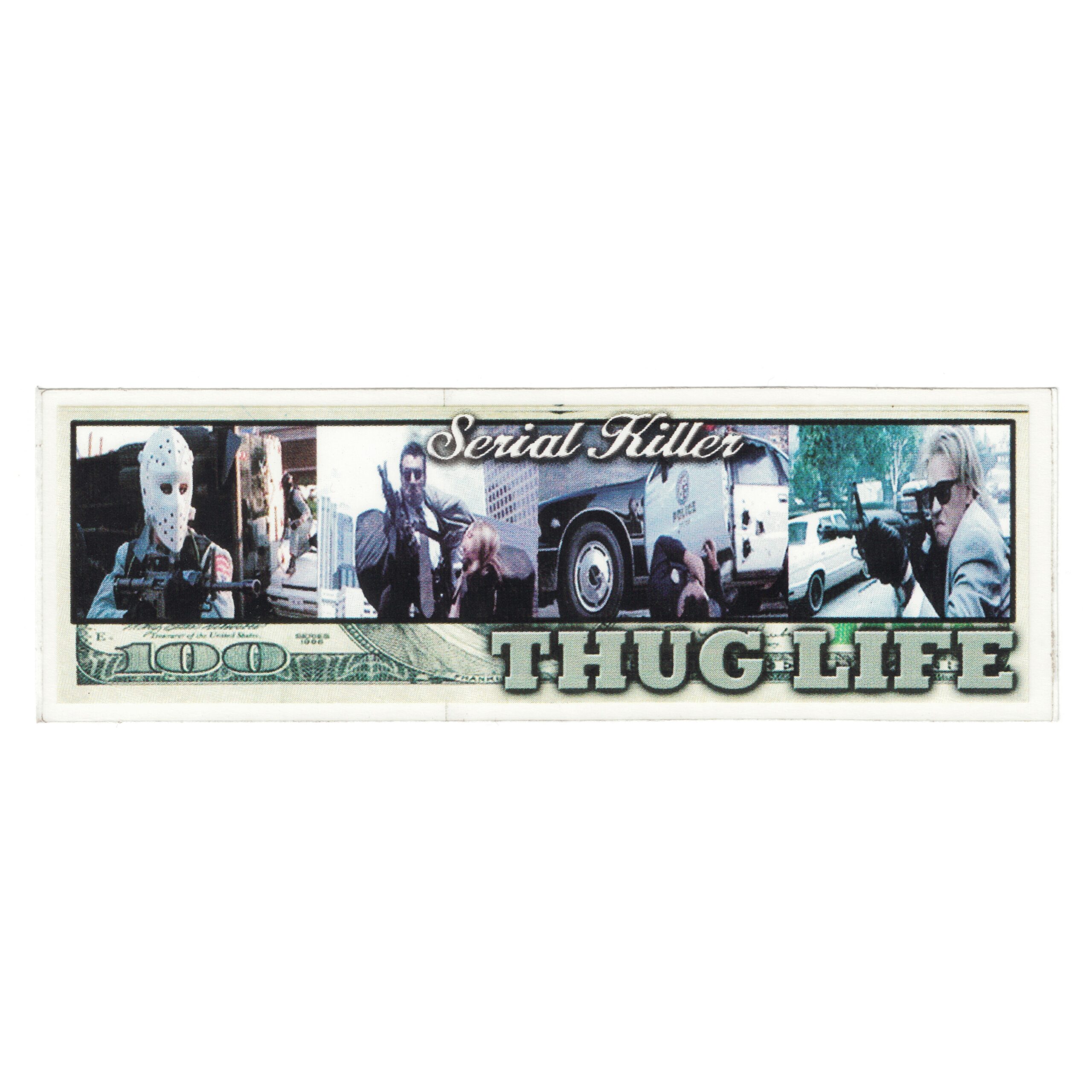
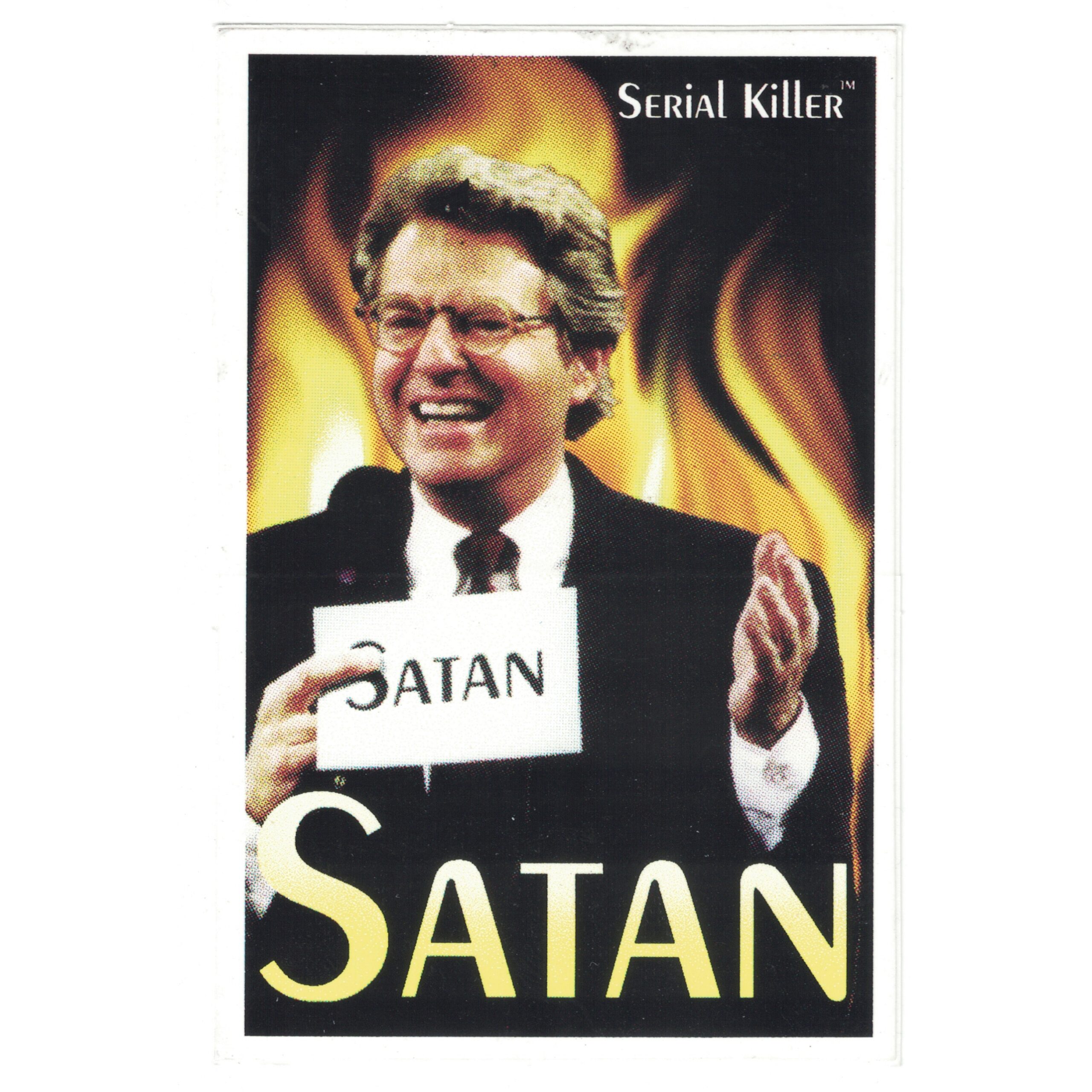
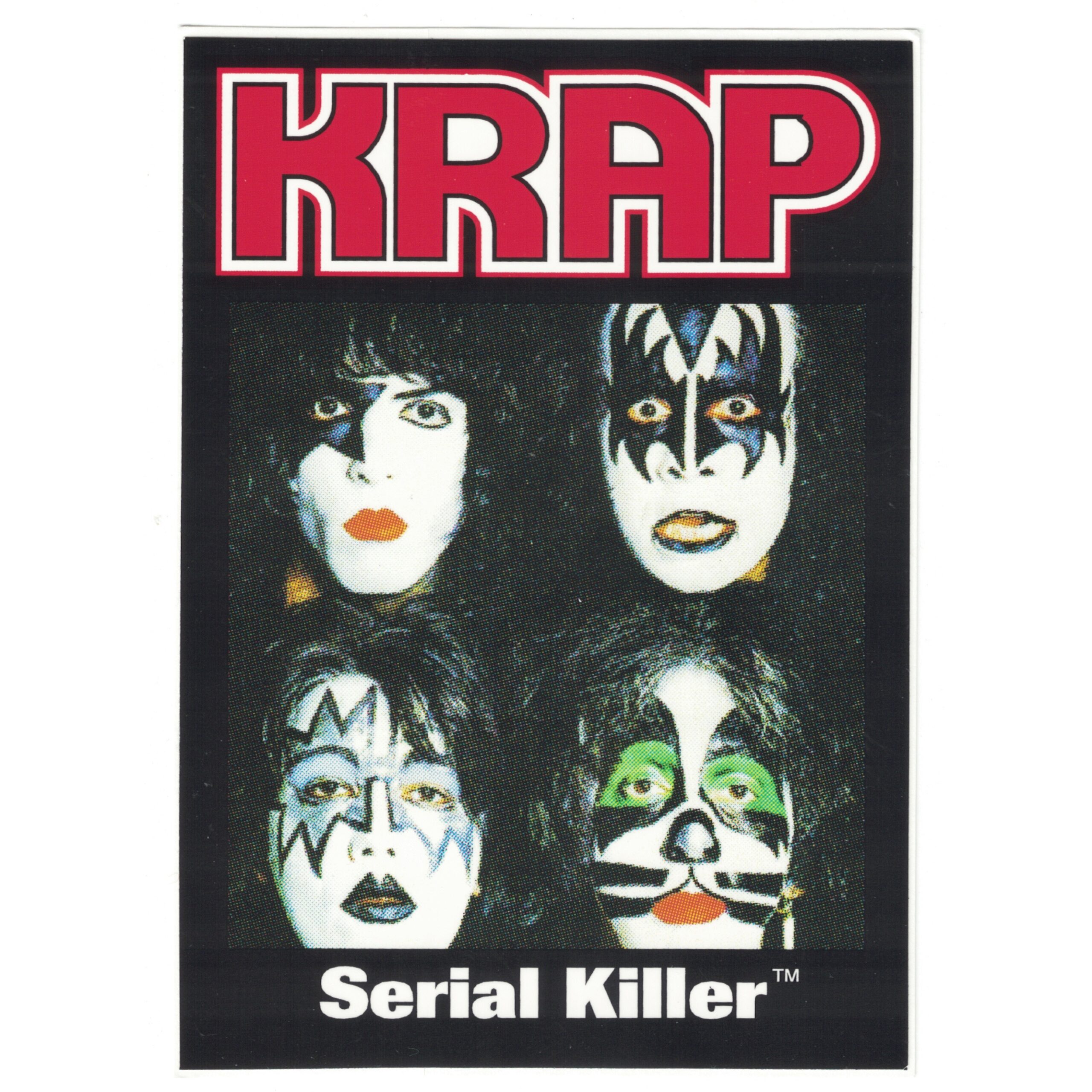
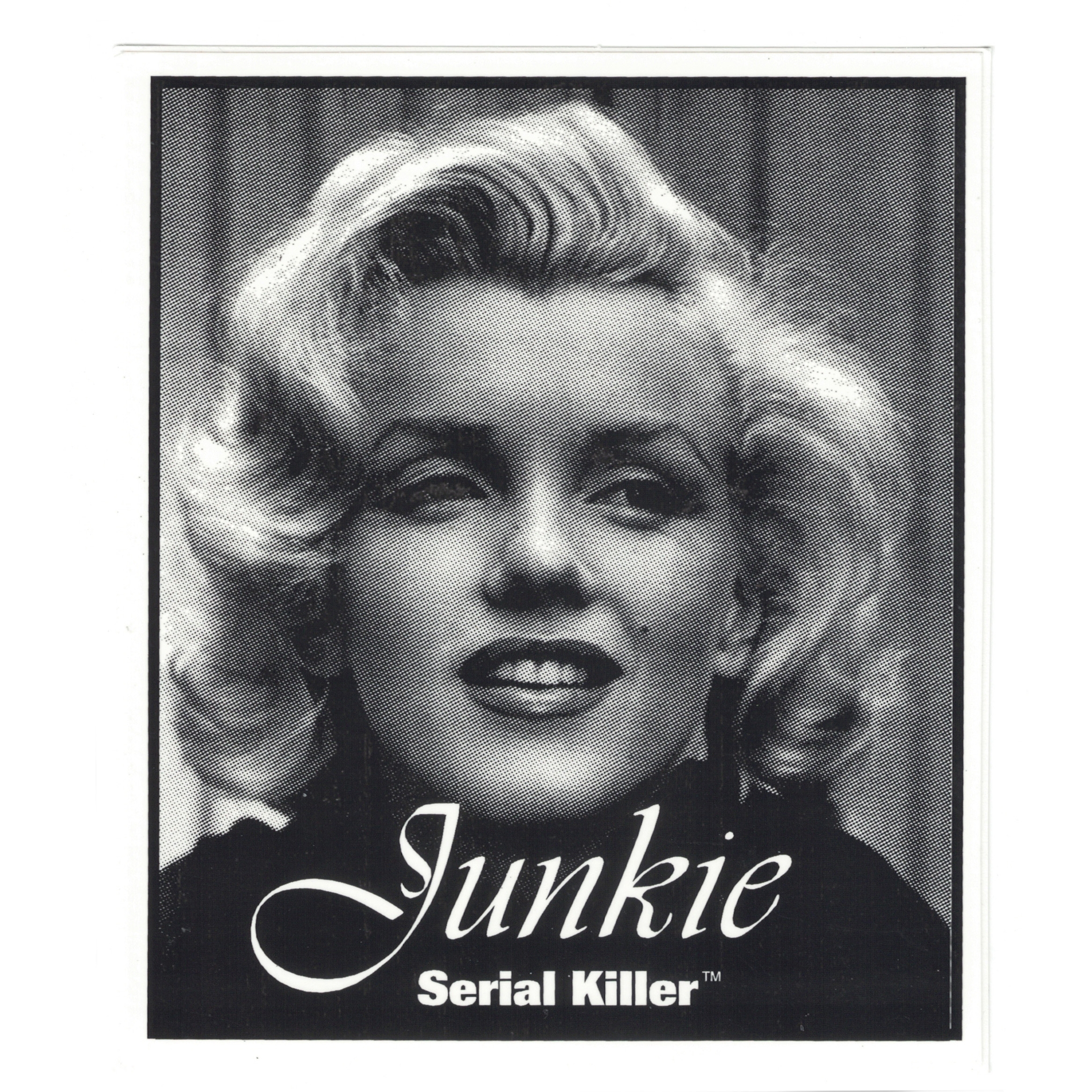
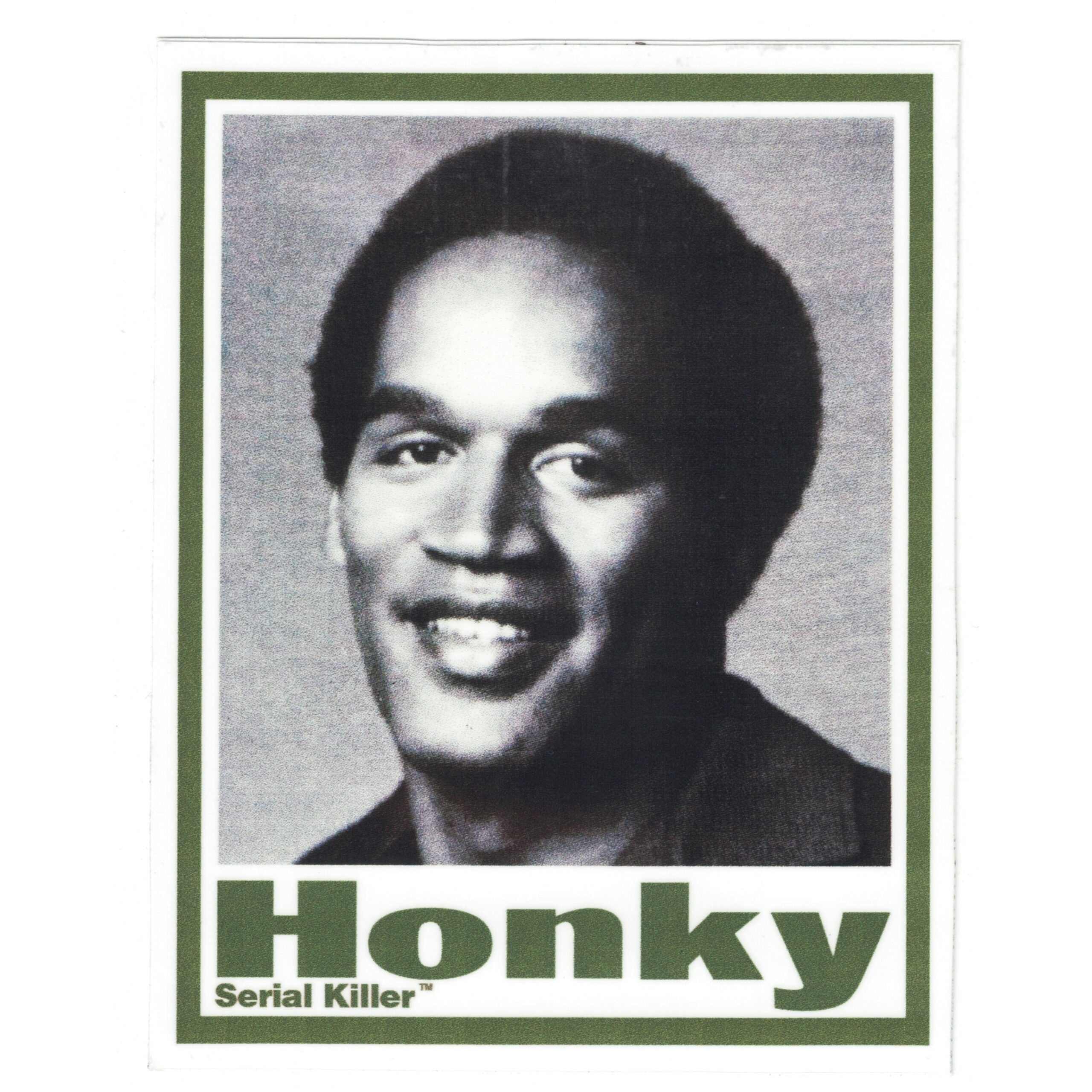
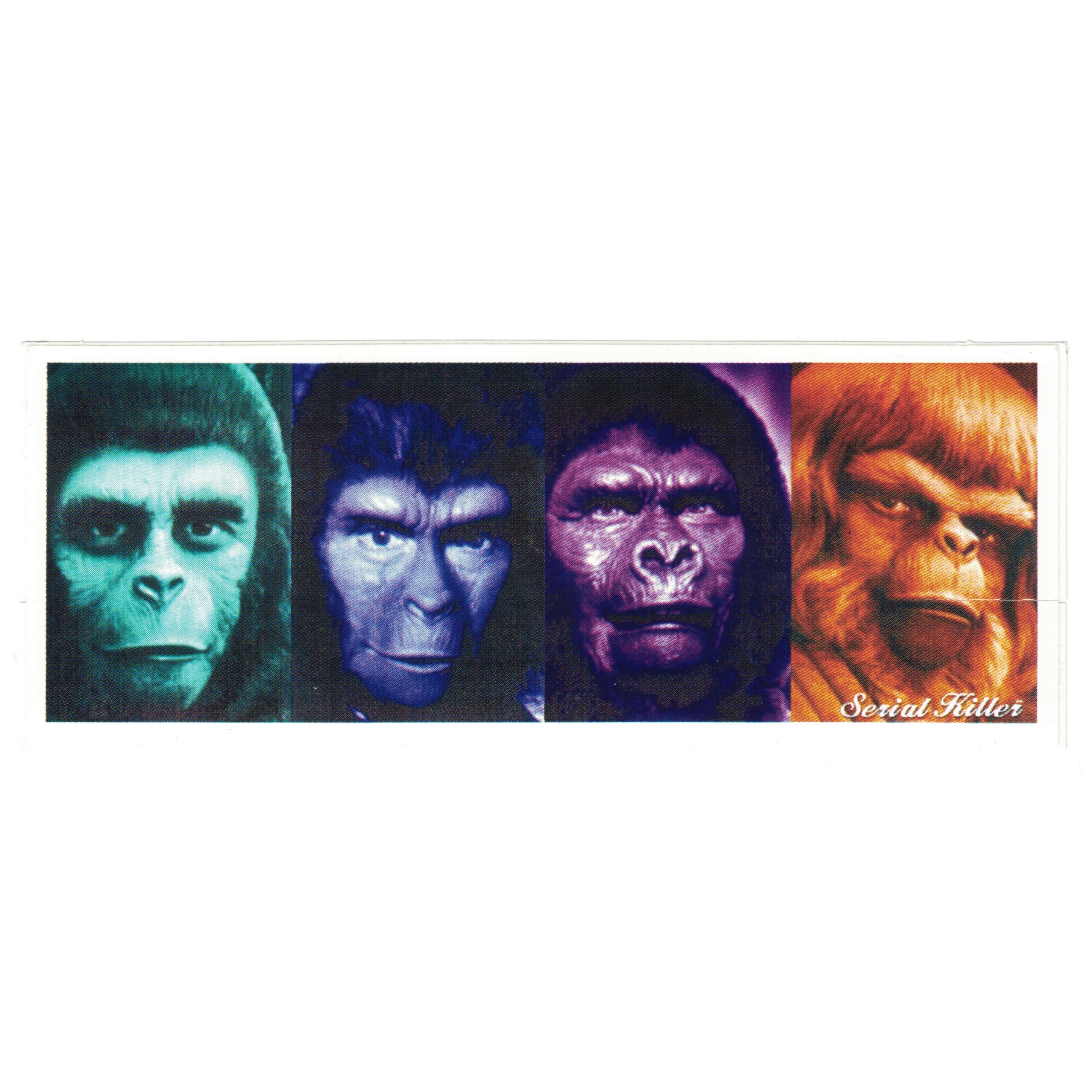
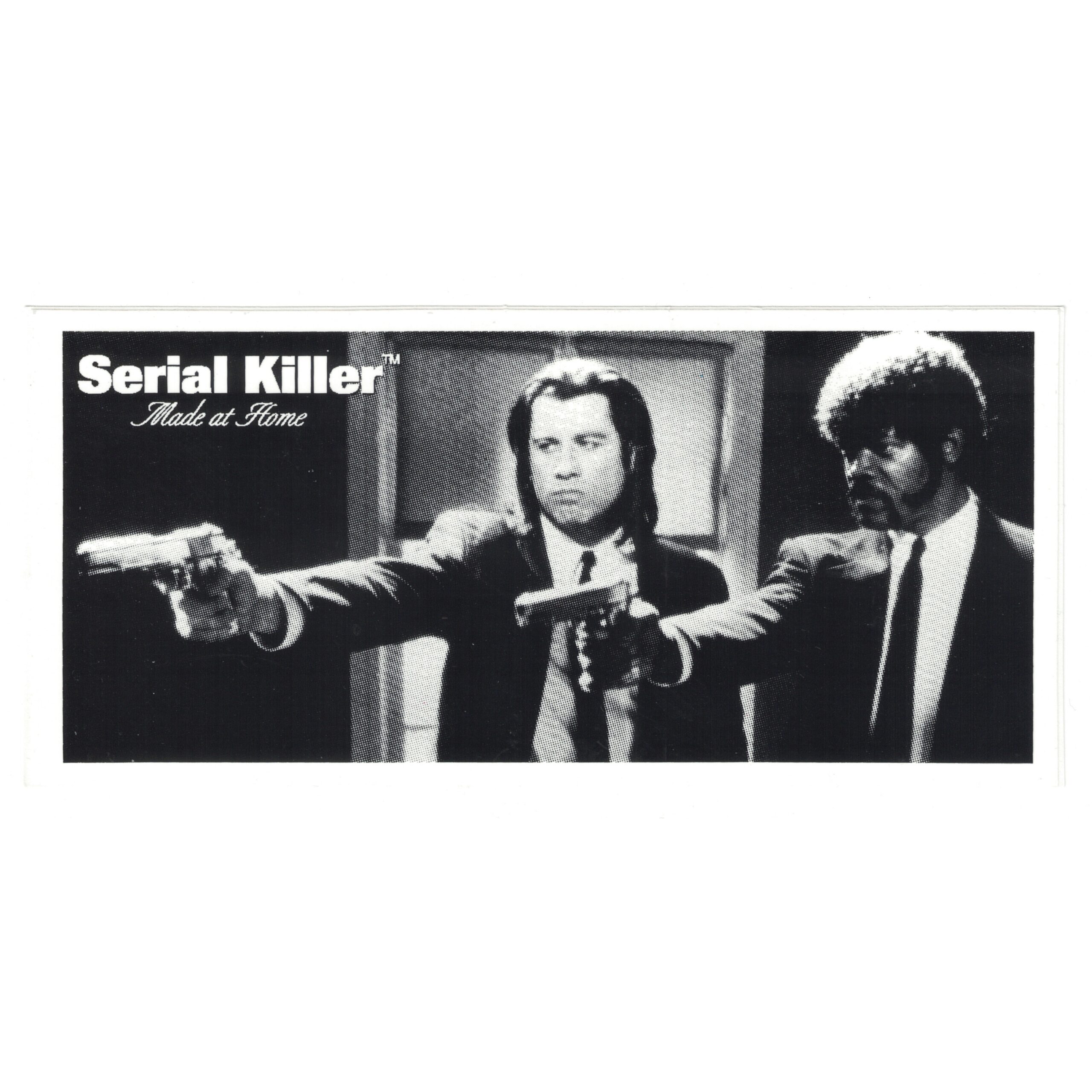
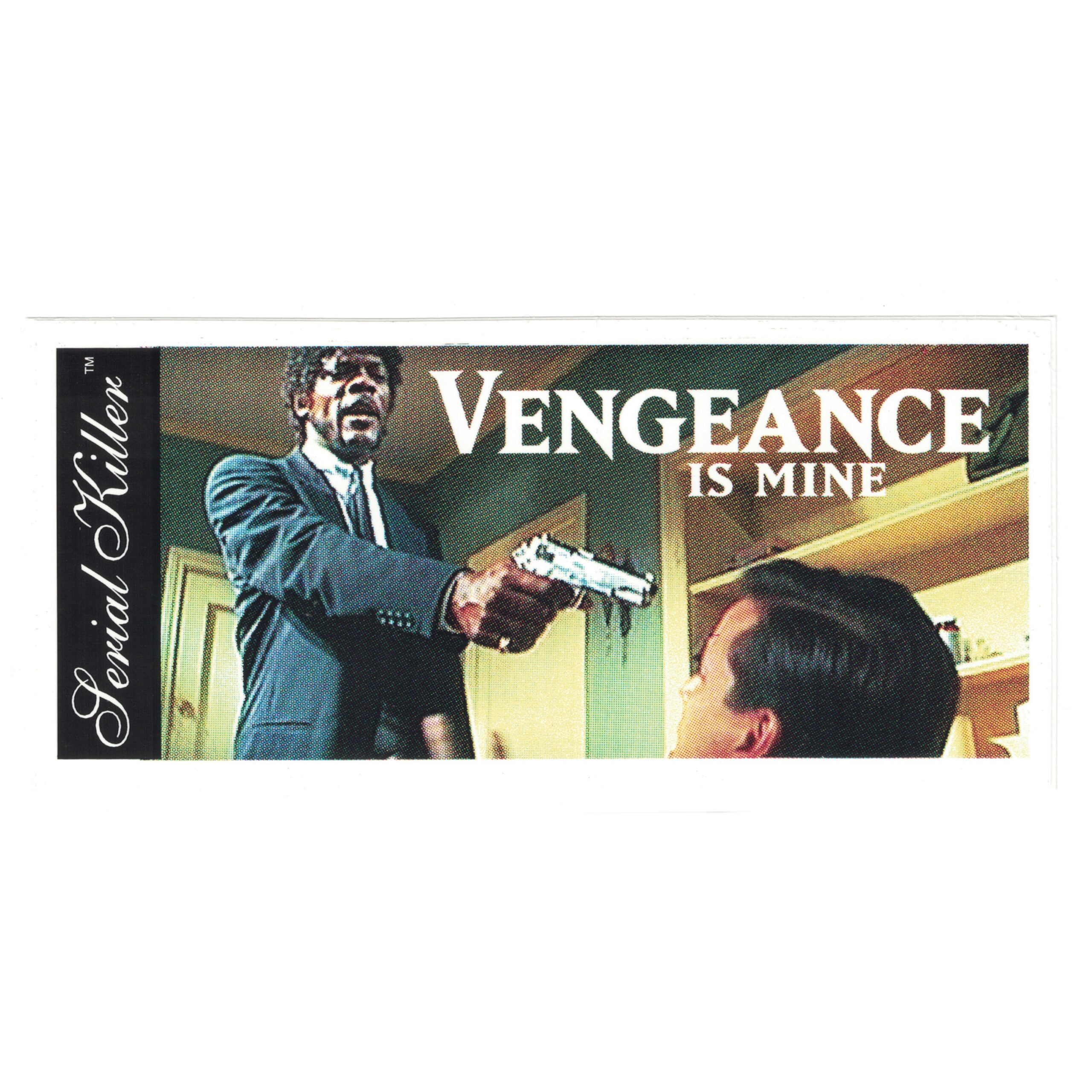
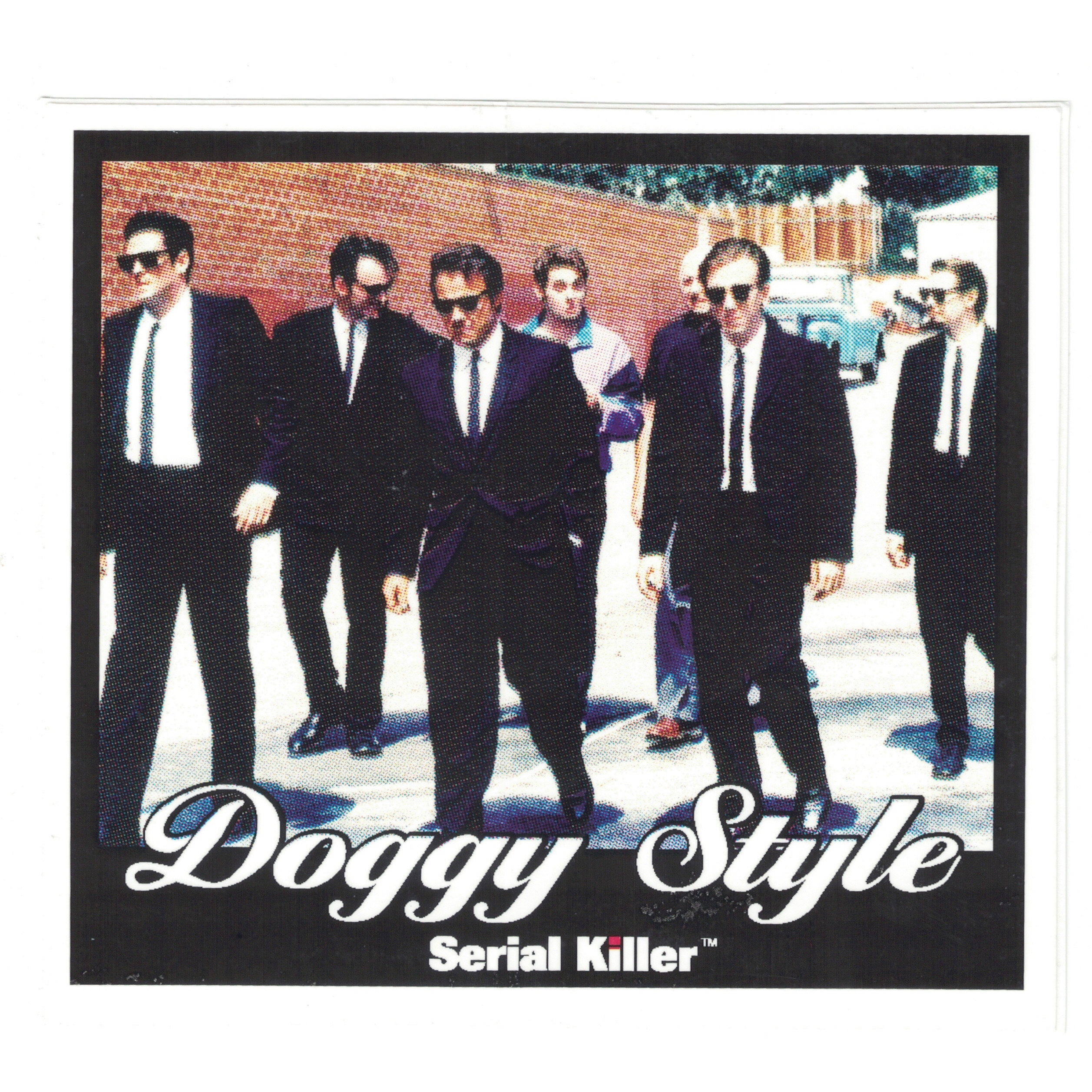
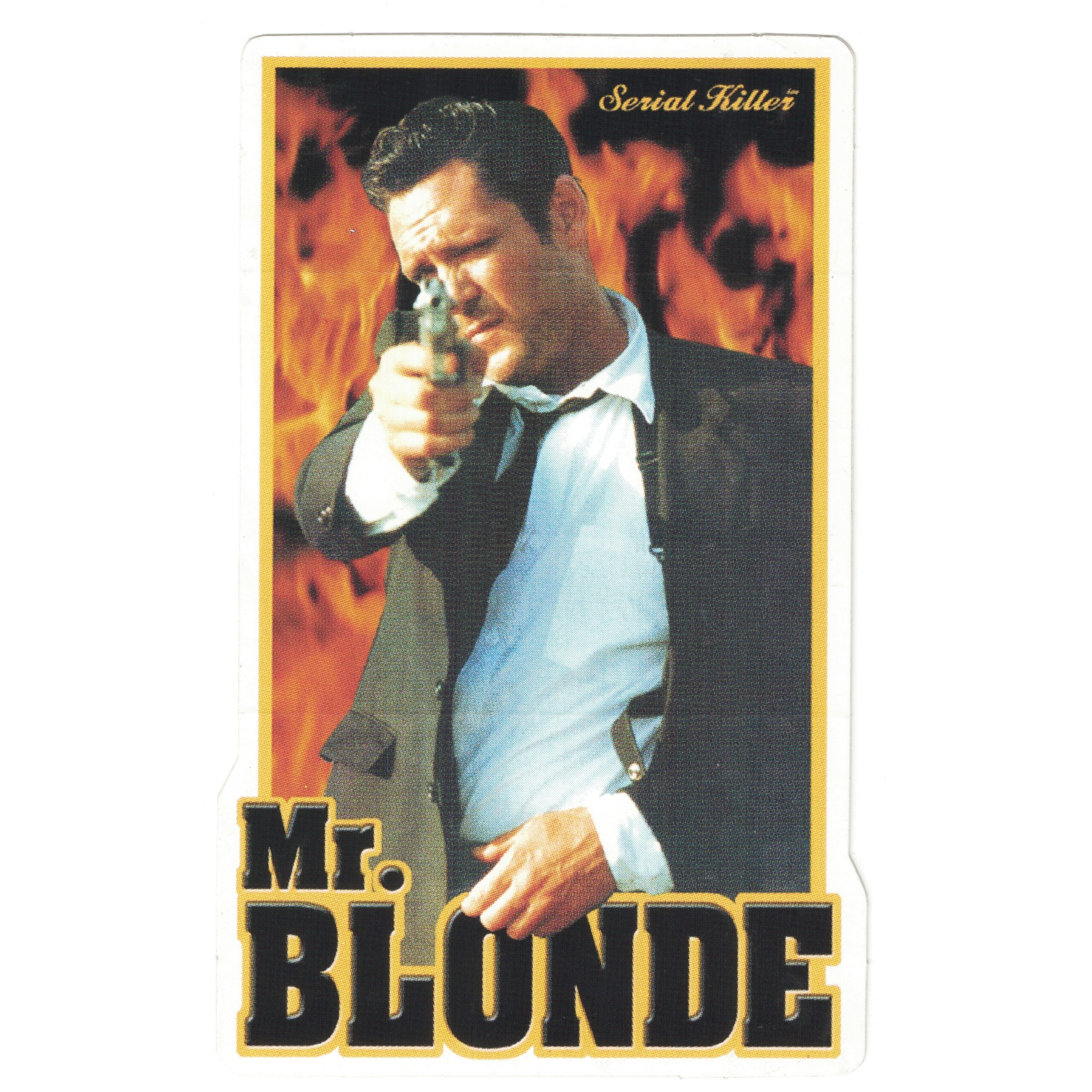
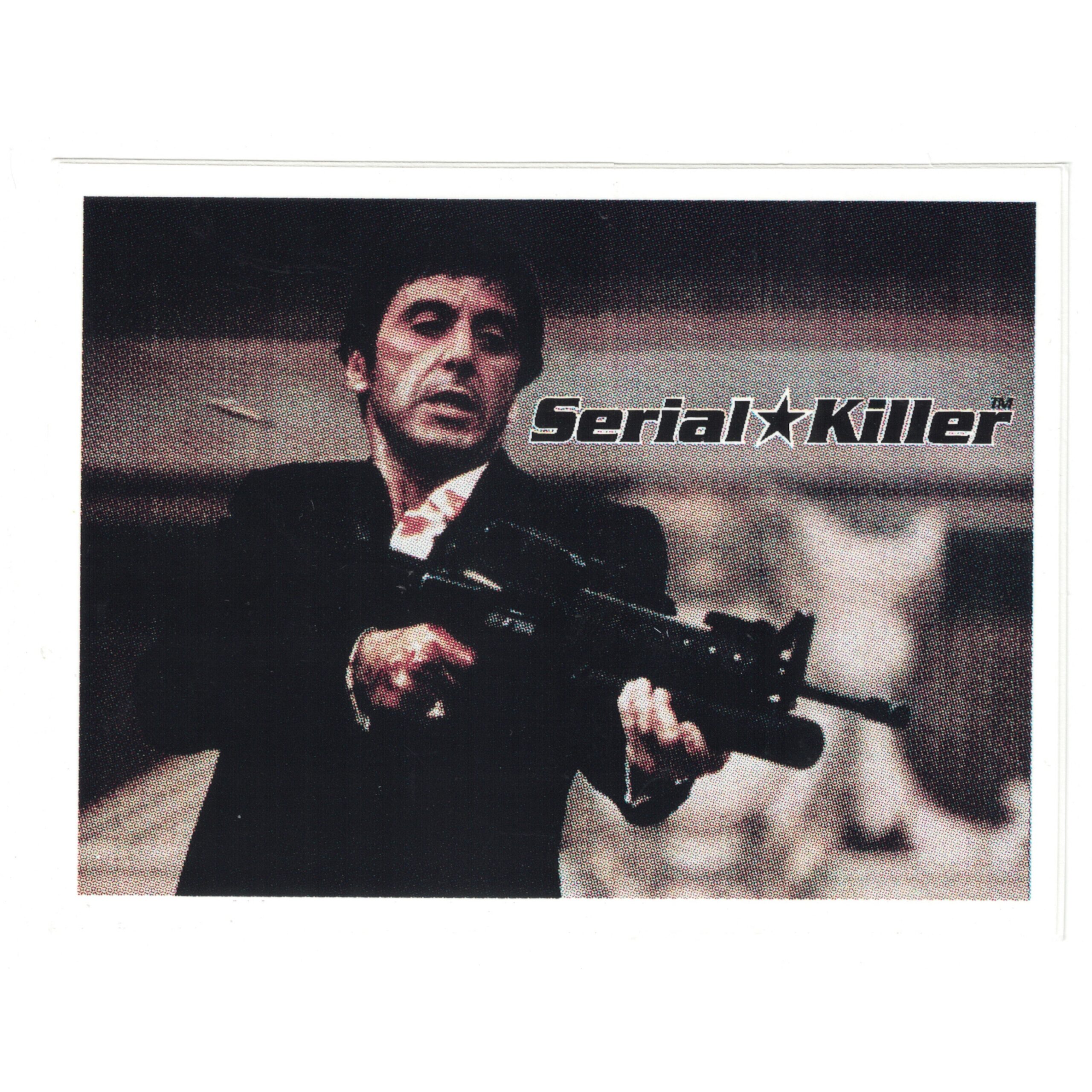
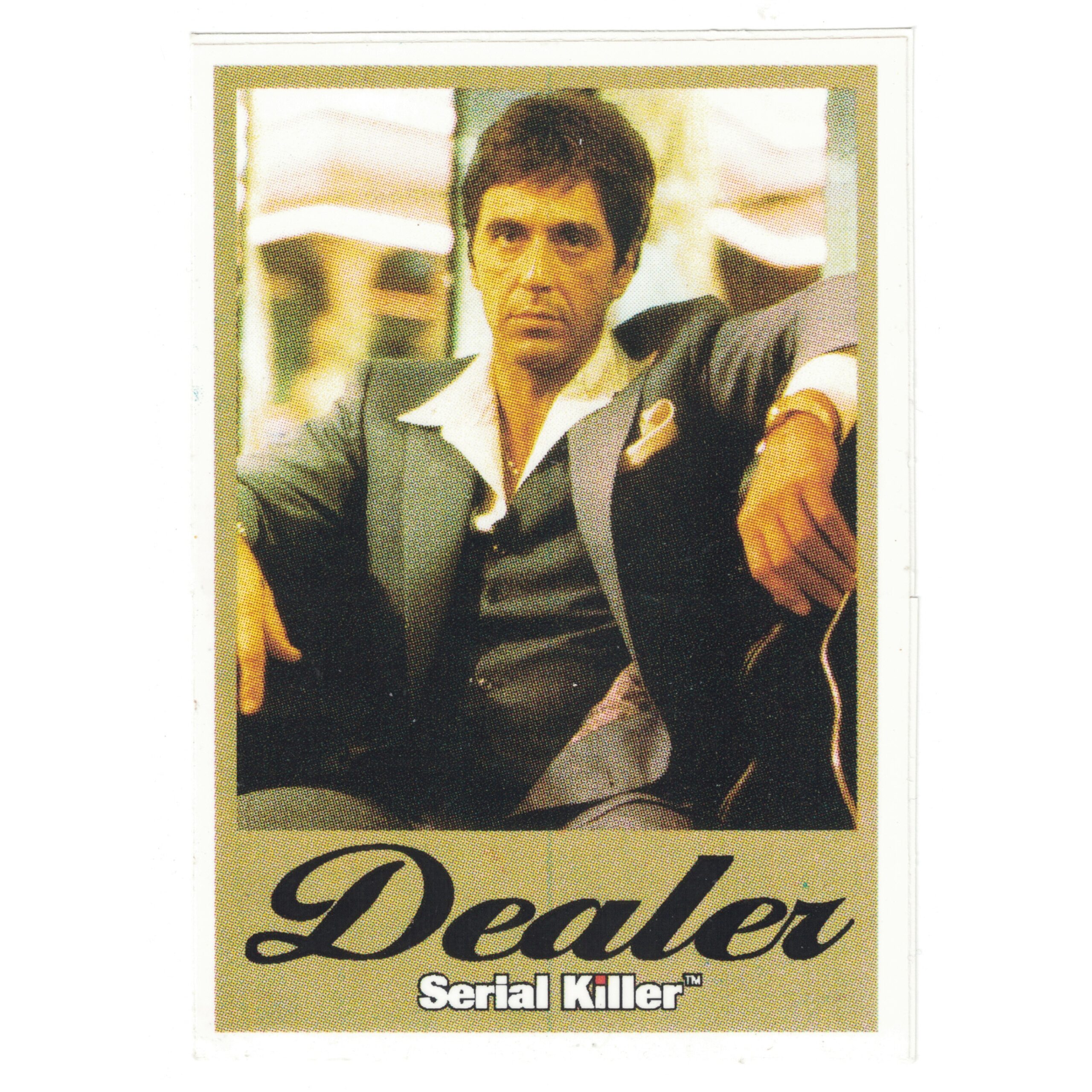
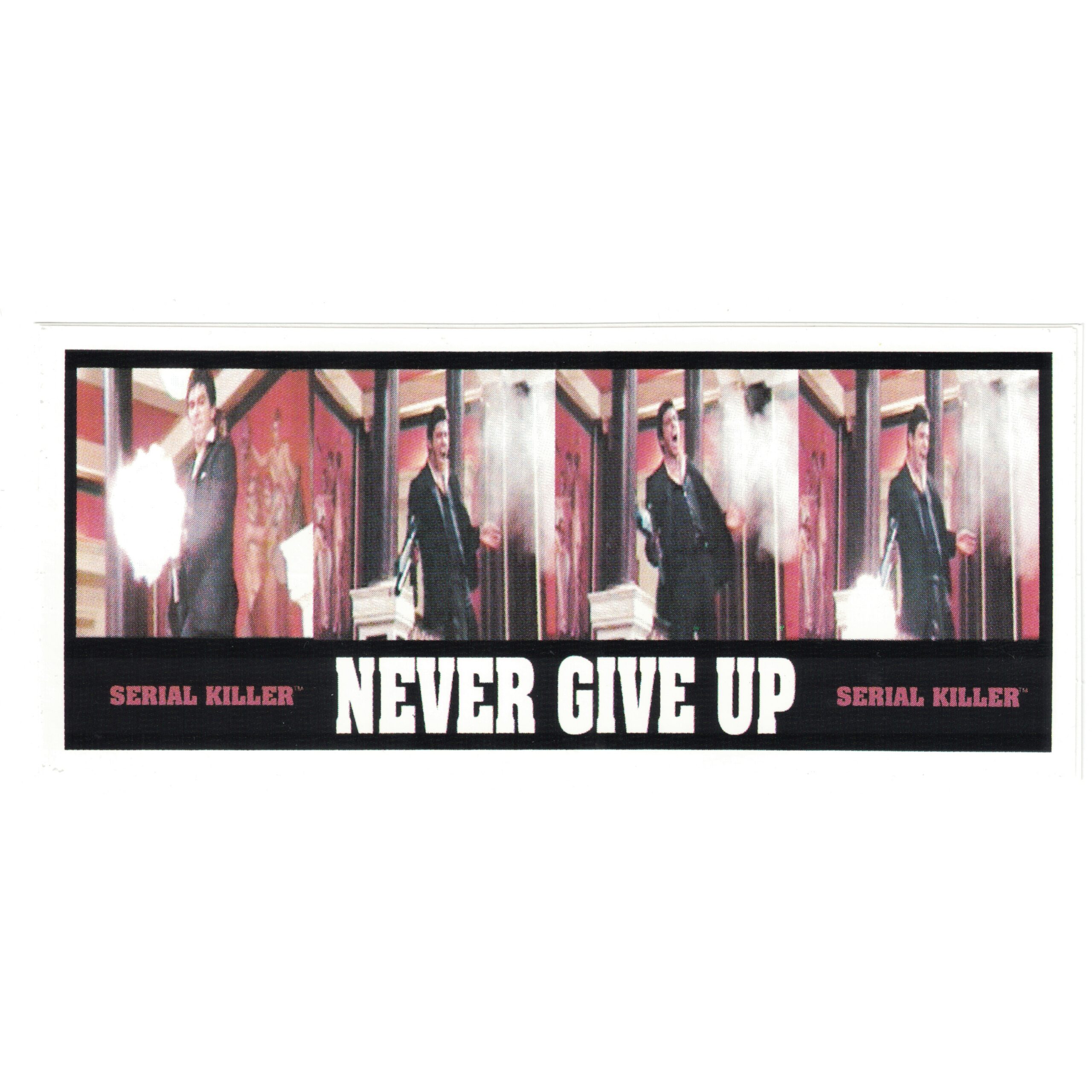
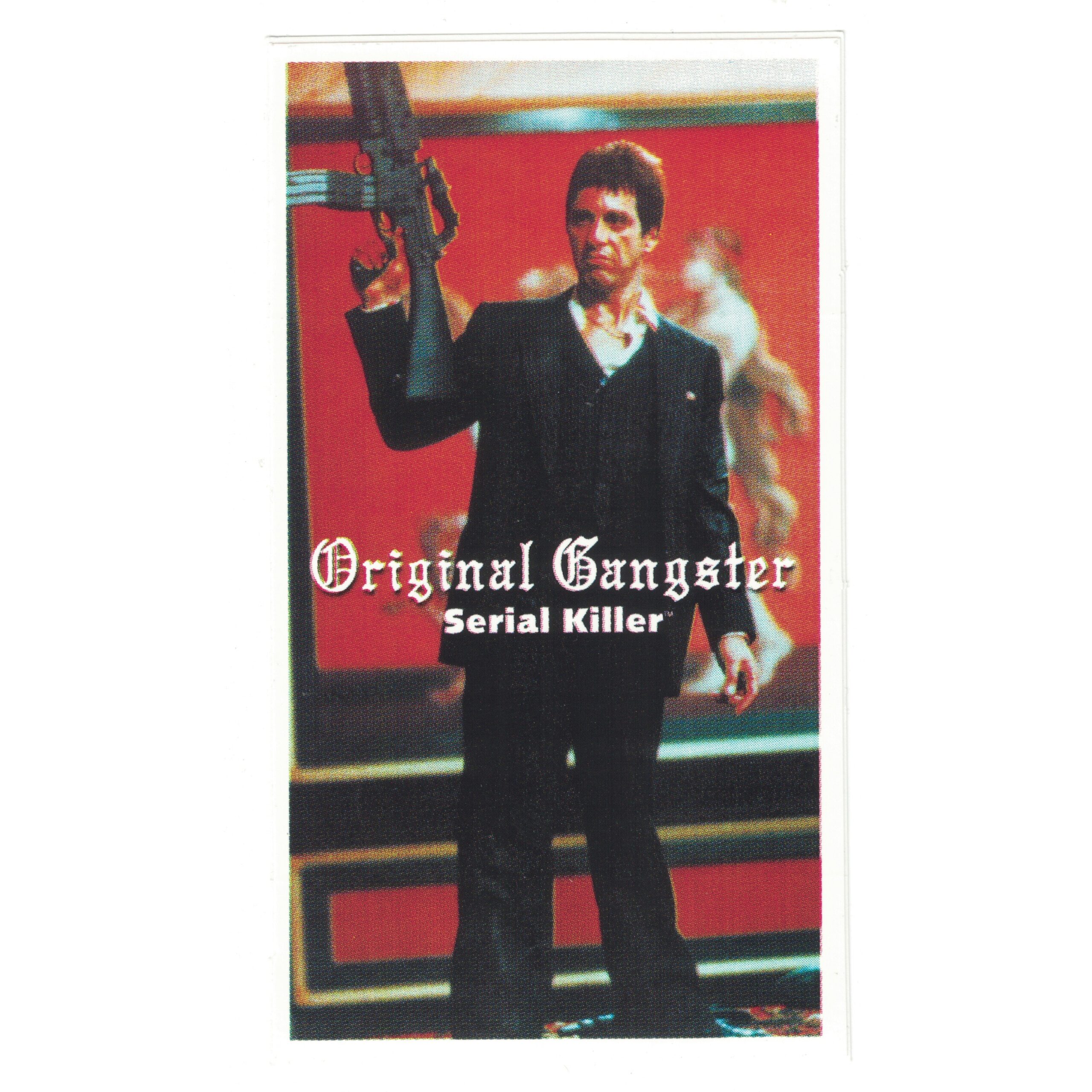
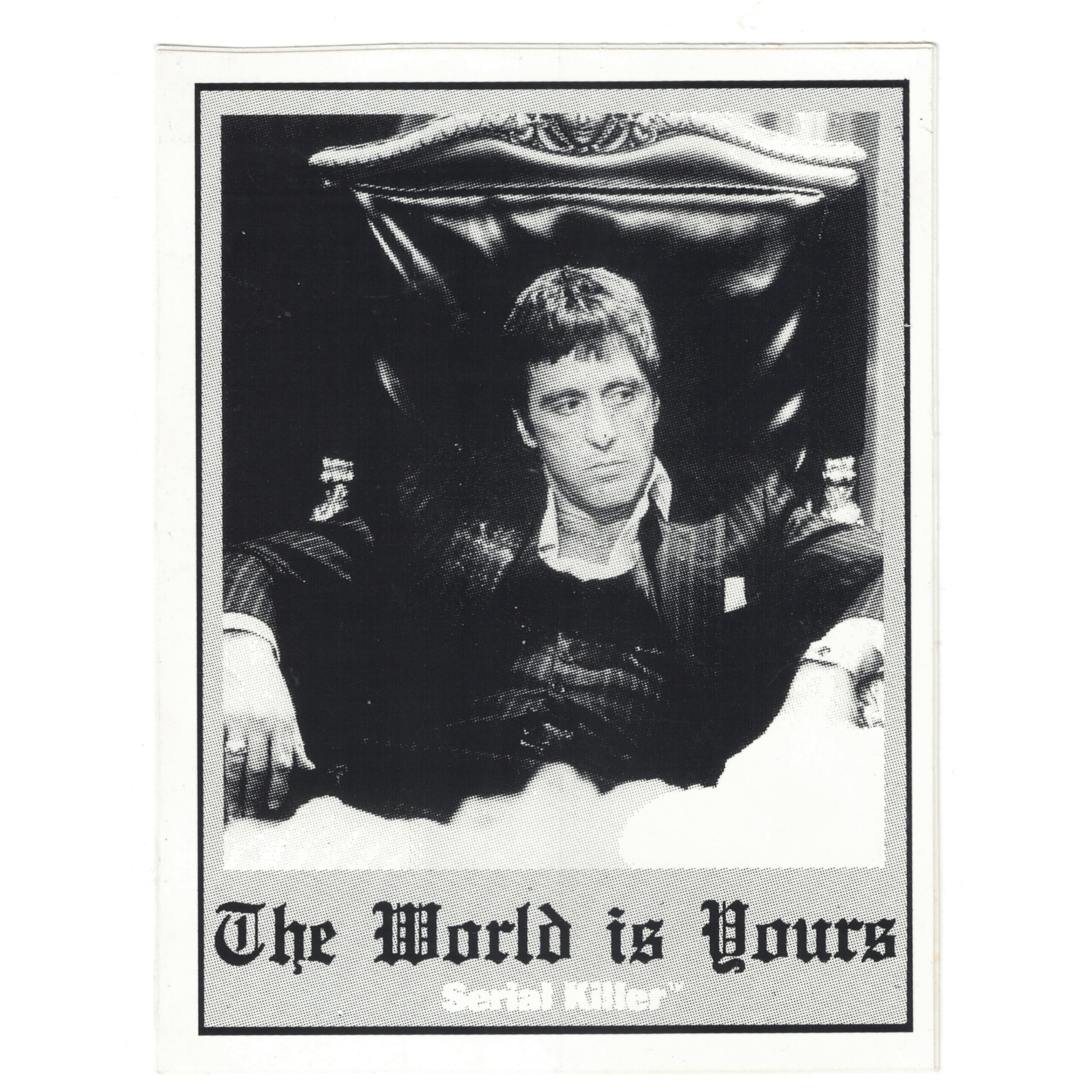
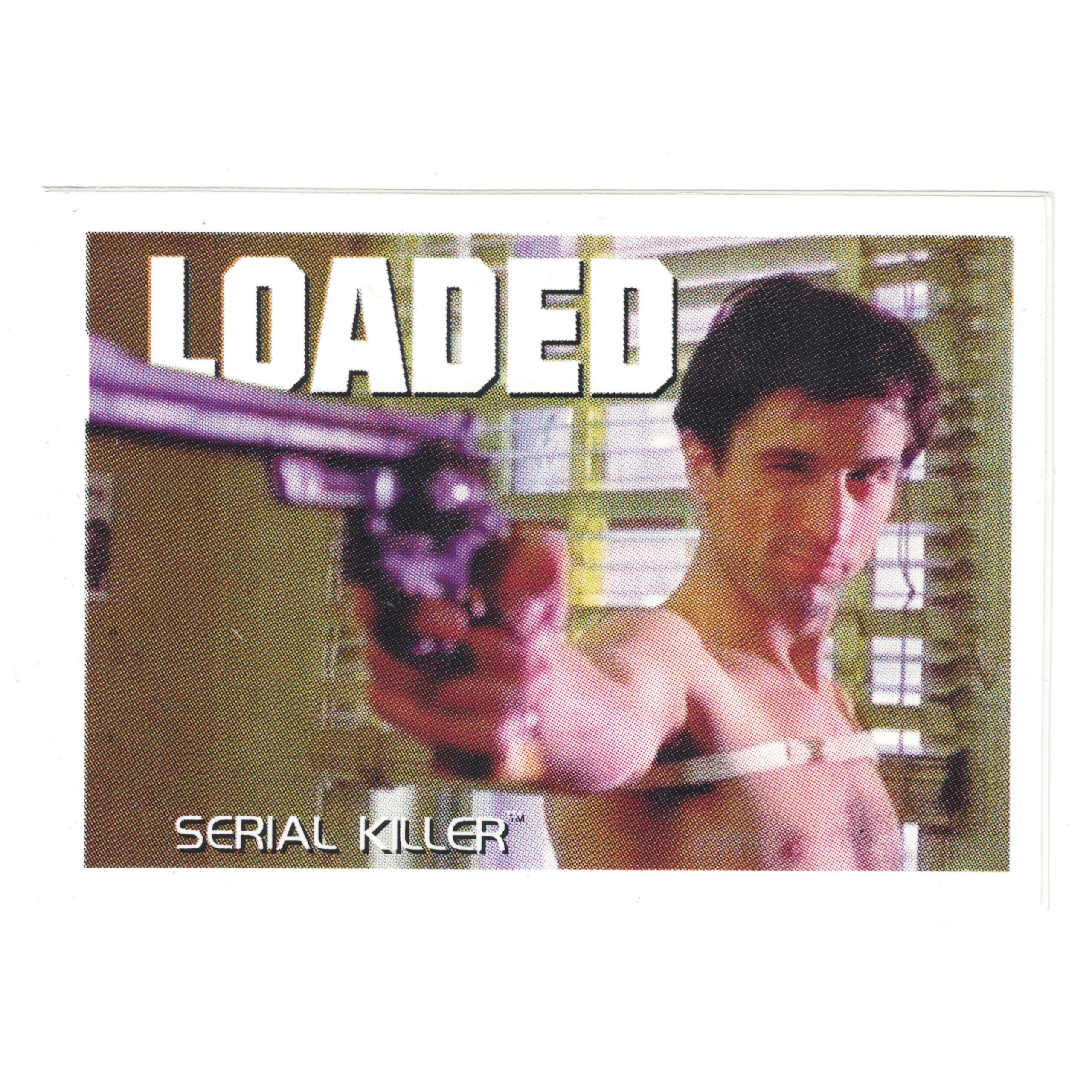
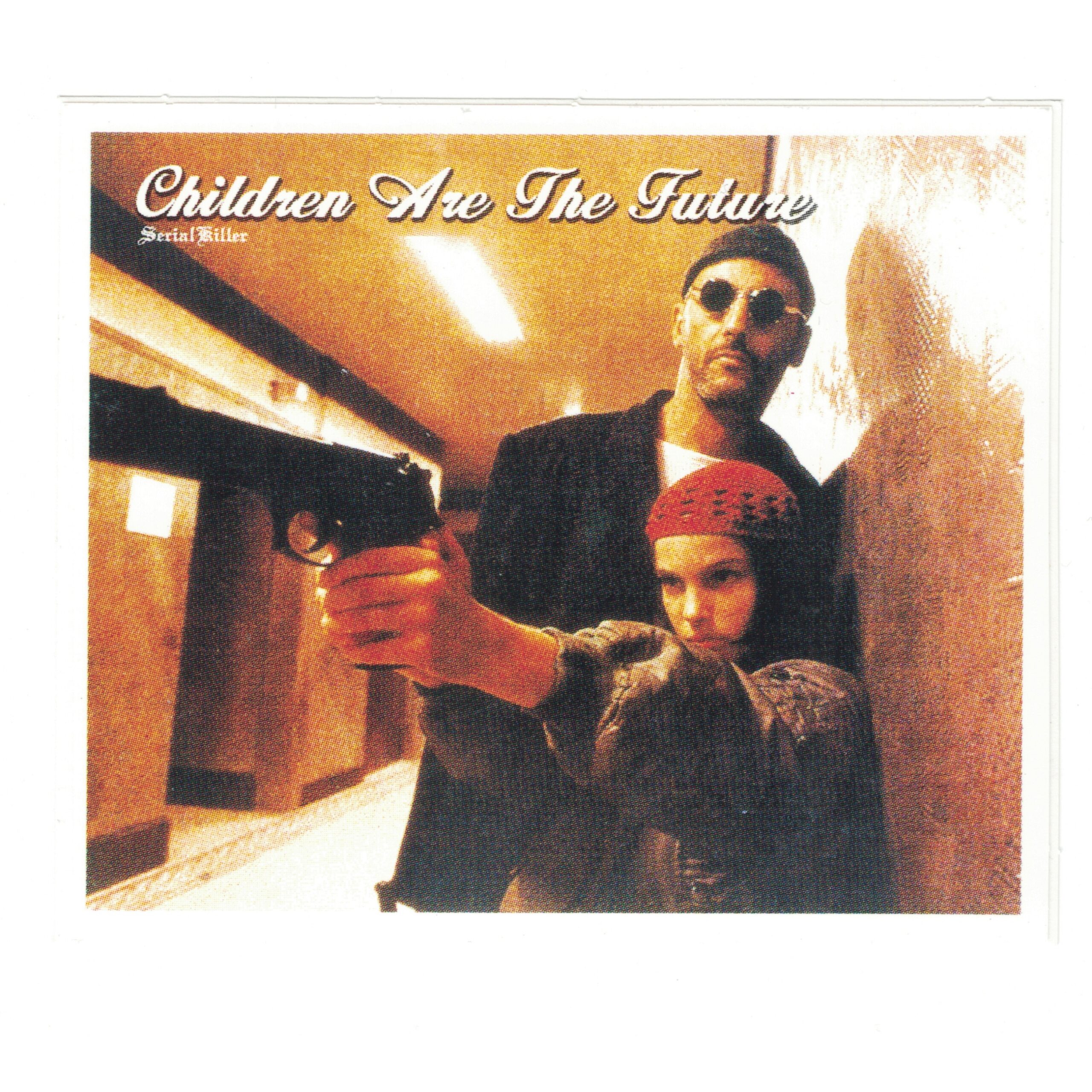
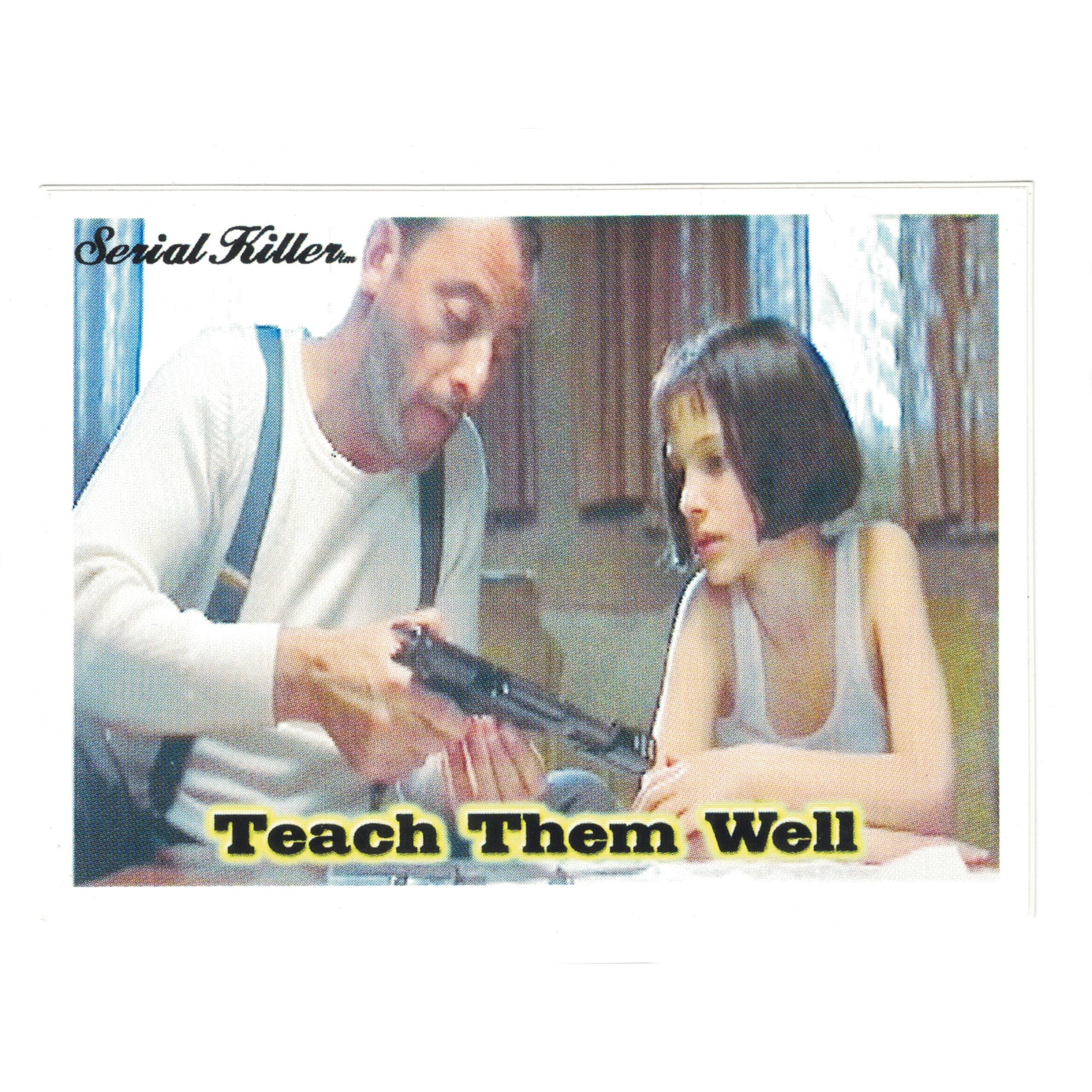
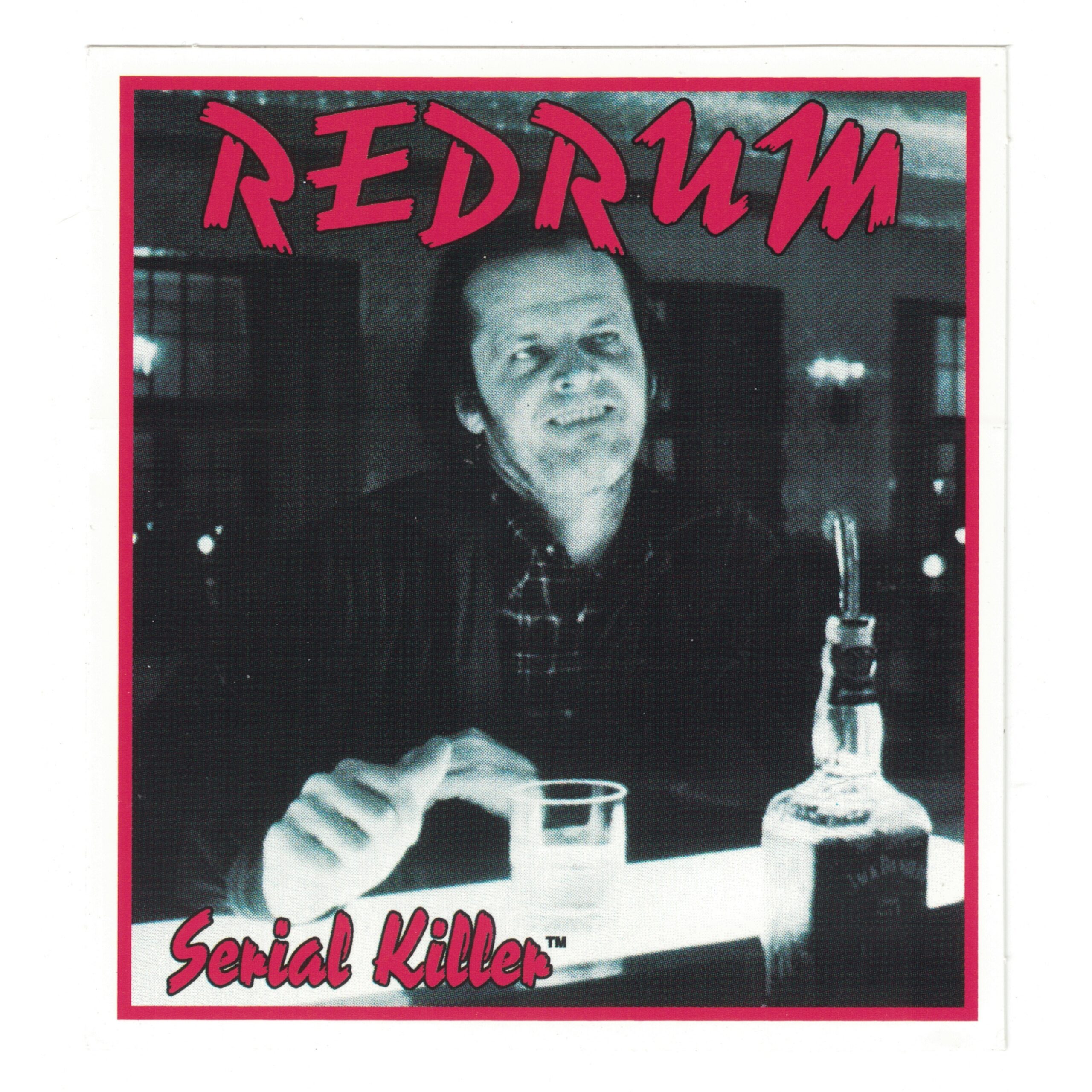
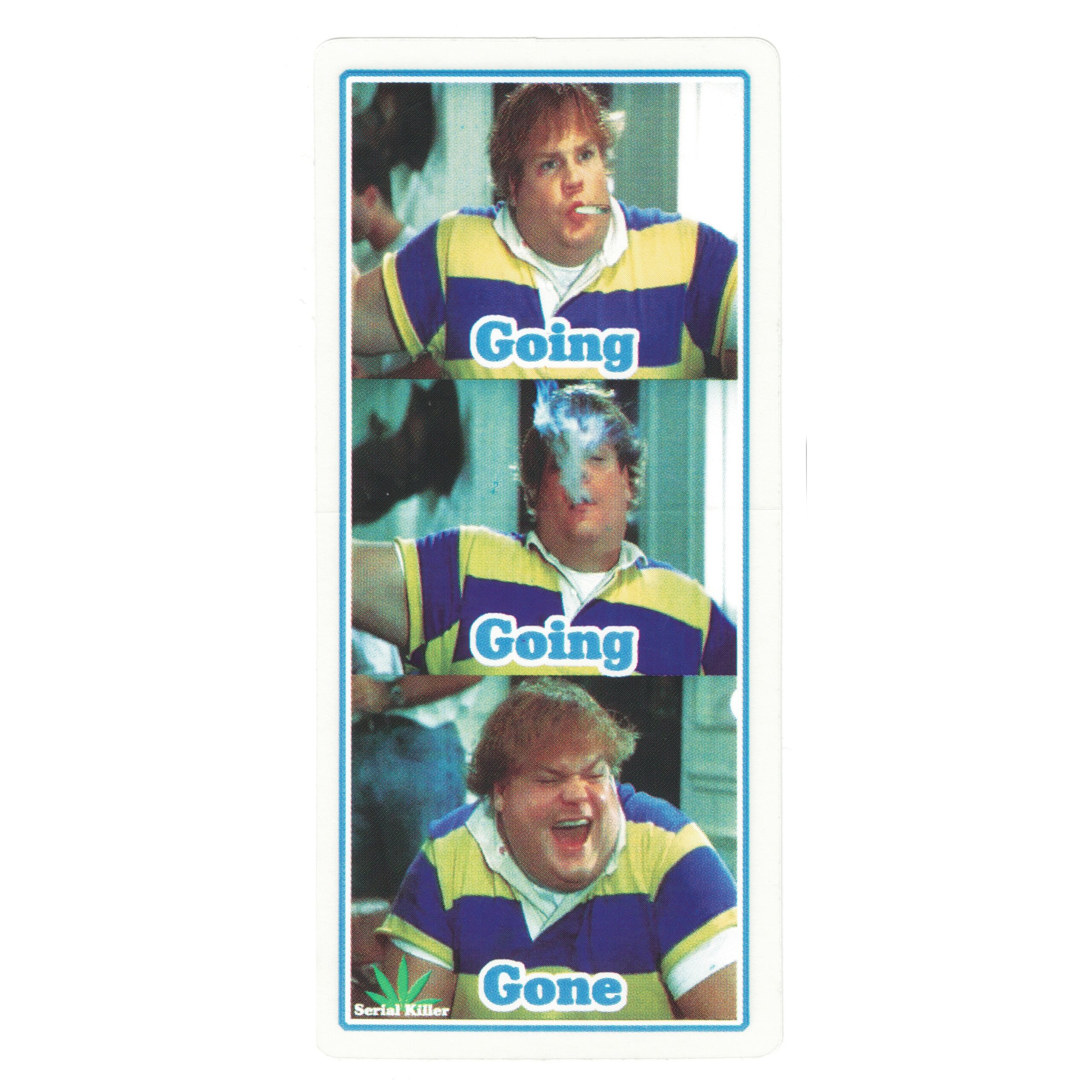
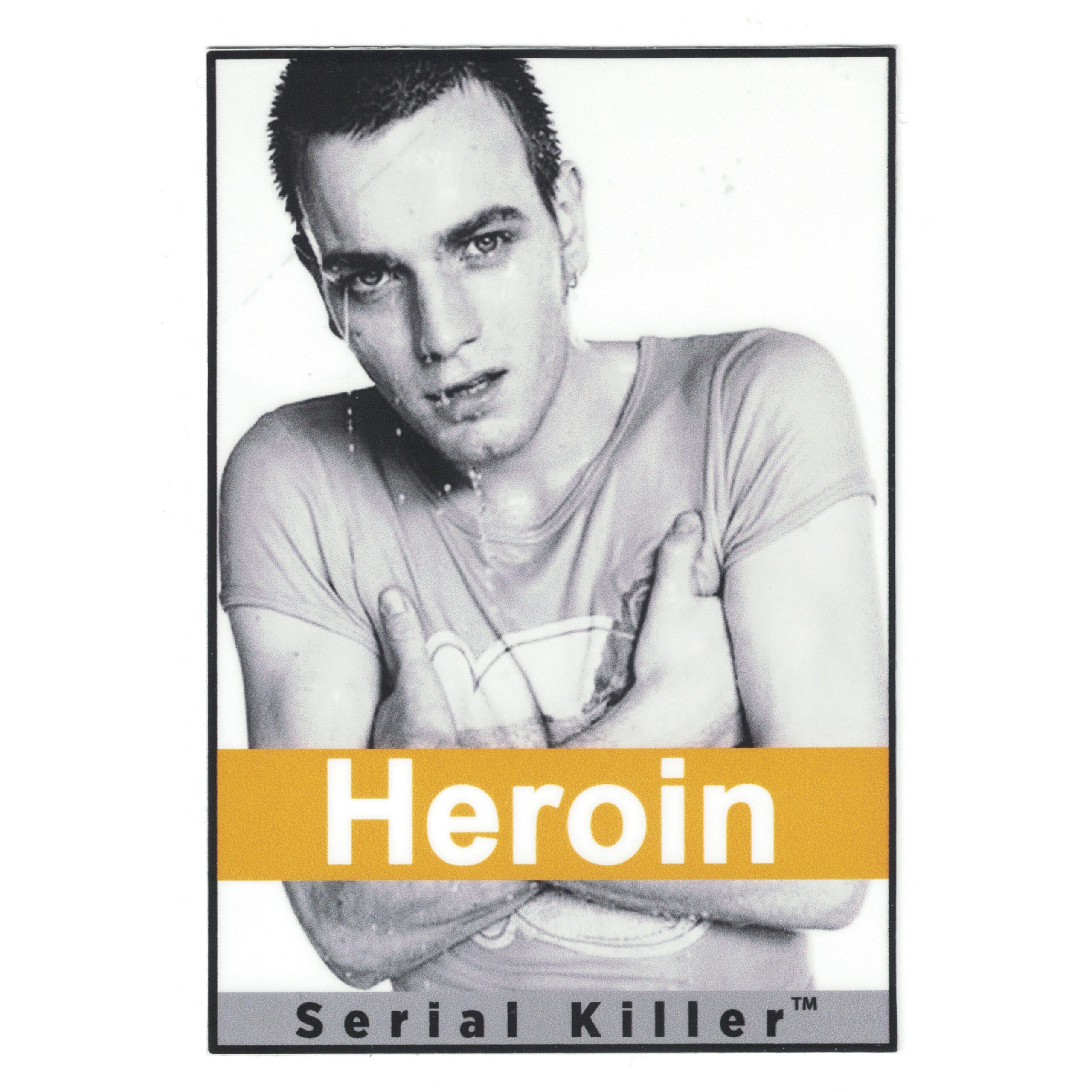
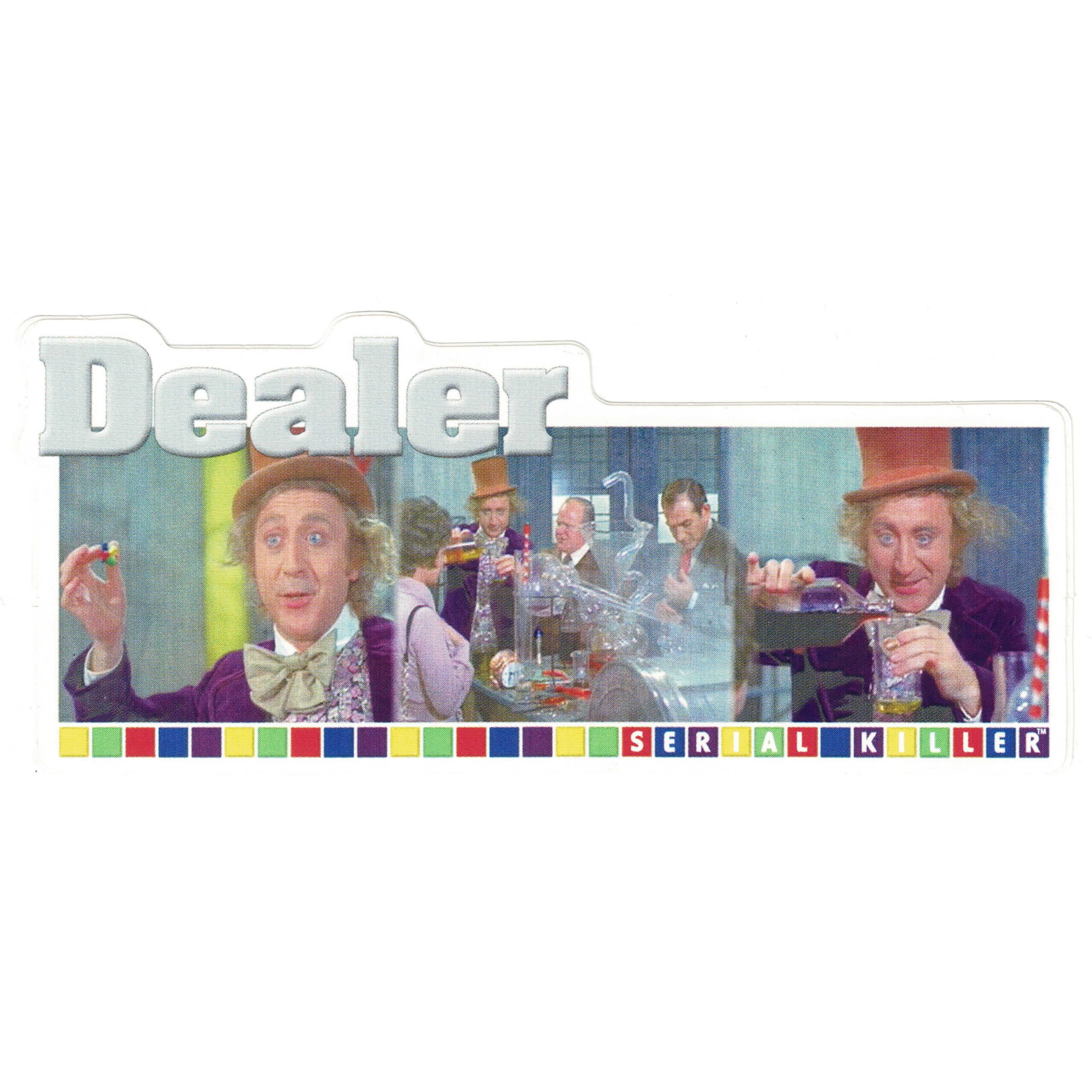
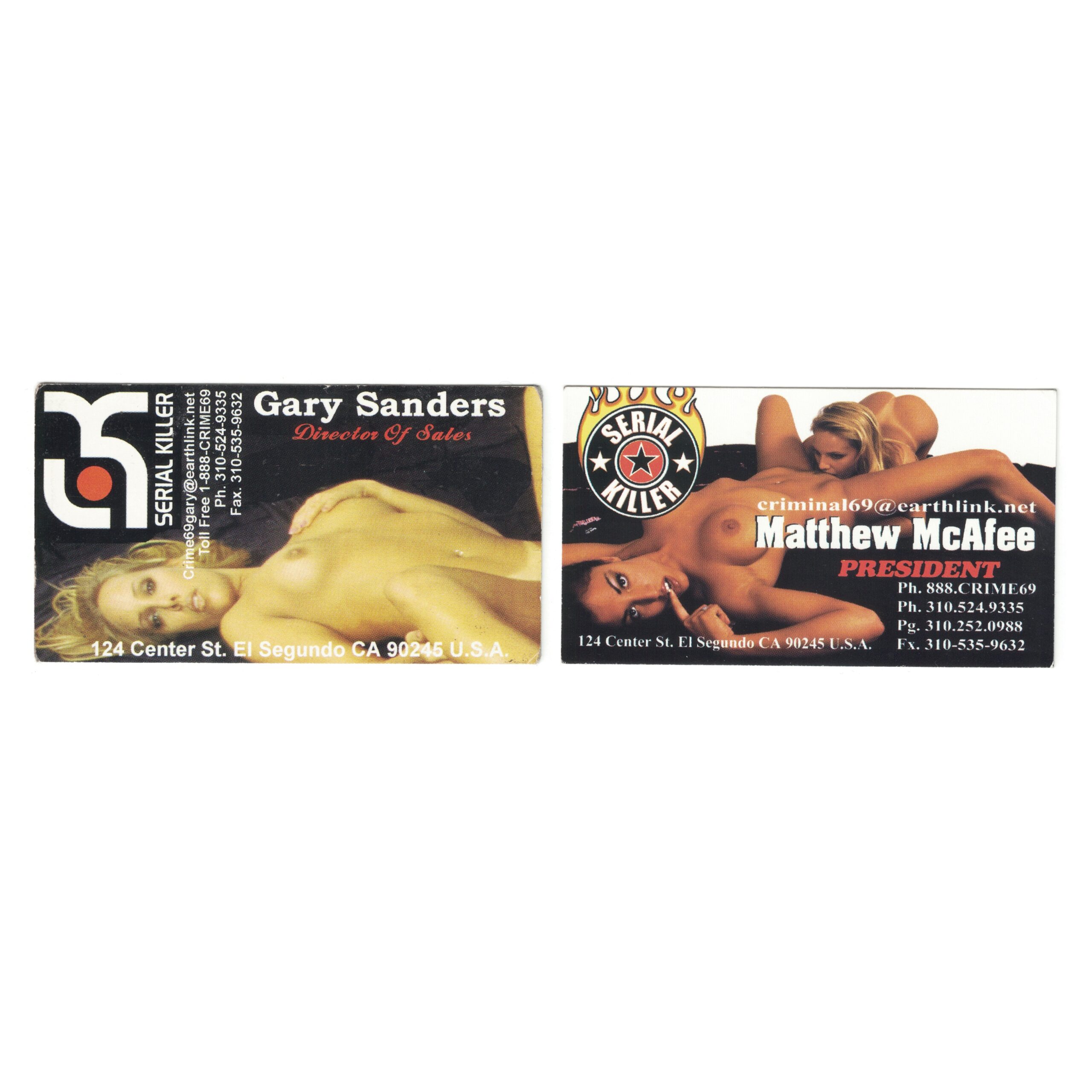
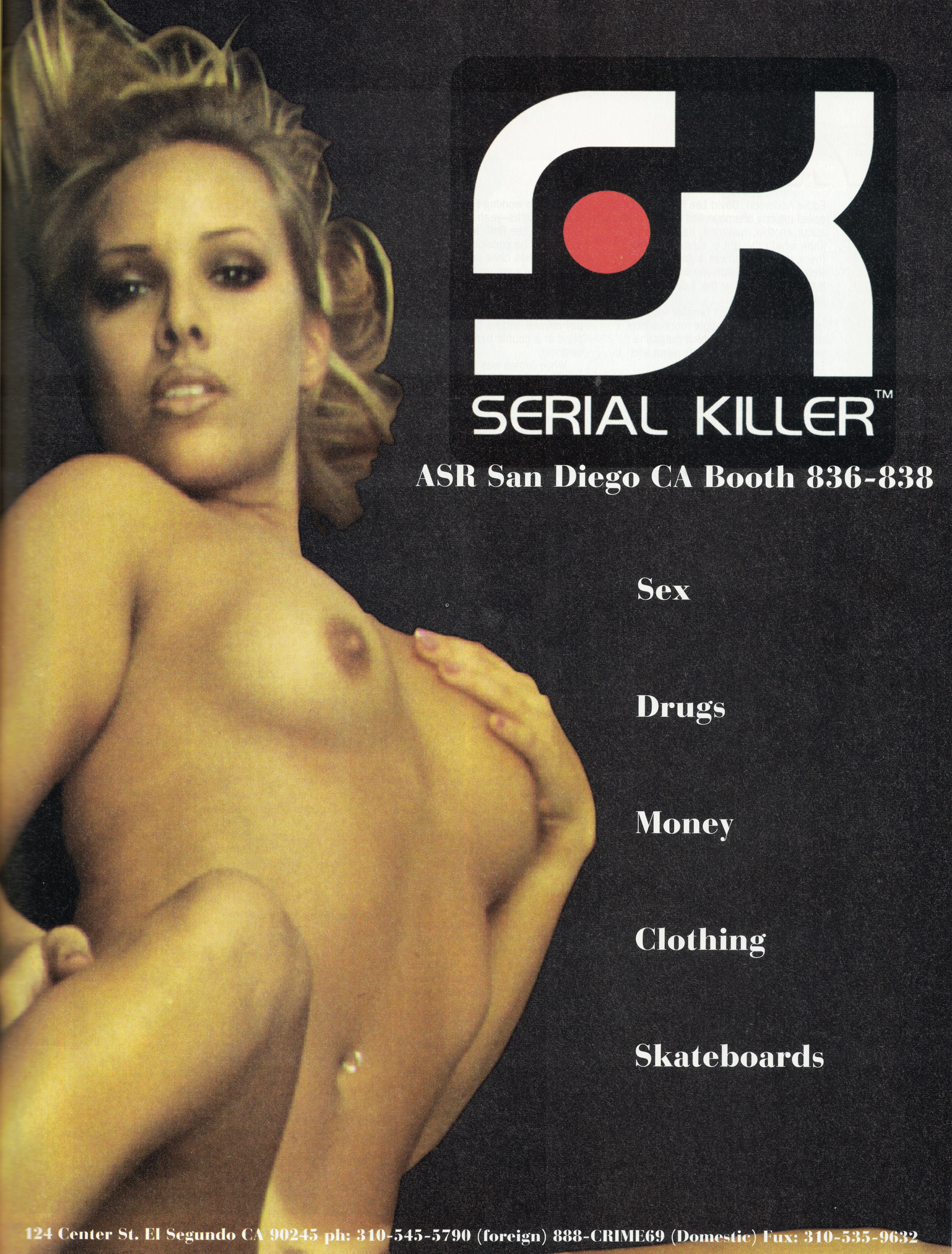
The story of Serial Killer is a classic, if ironic, tale of what happens when a disruptive idea runs headlong into the U.S. legal system. For me, the brand is a major cornerstone of what inspired CPX.ART.
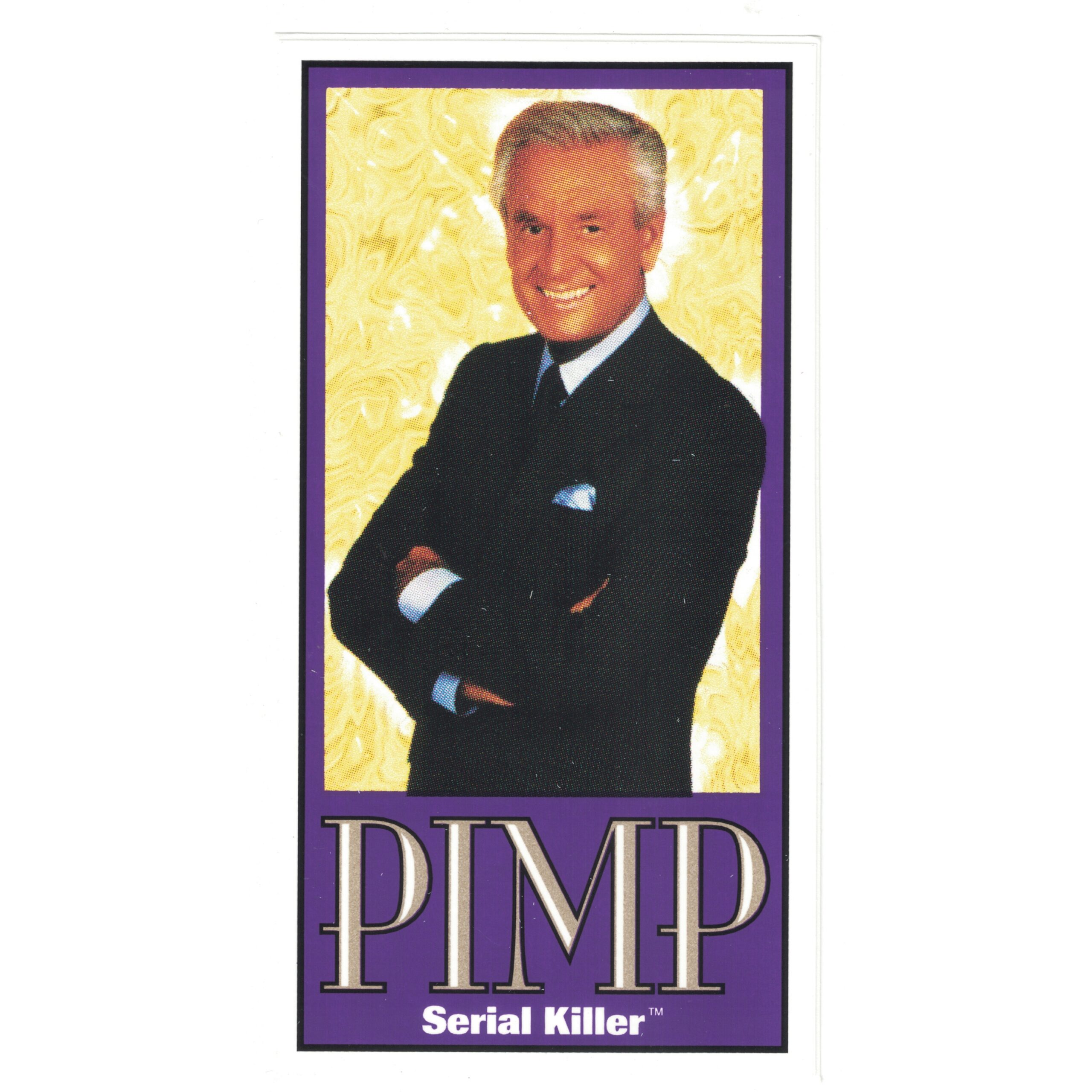
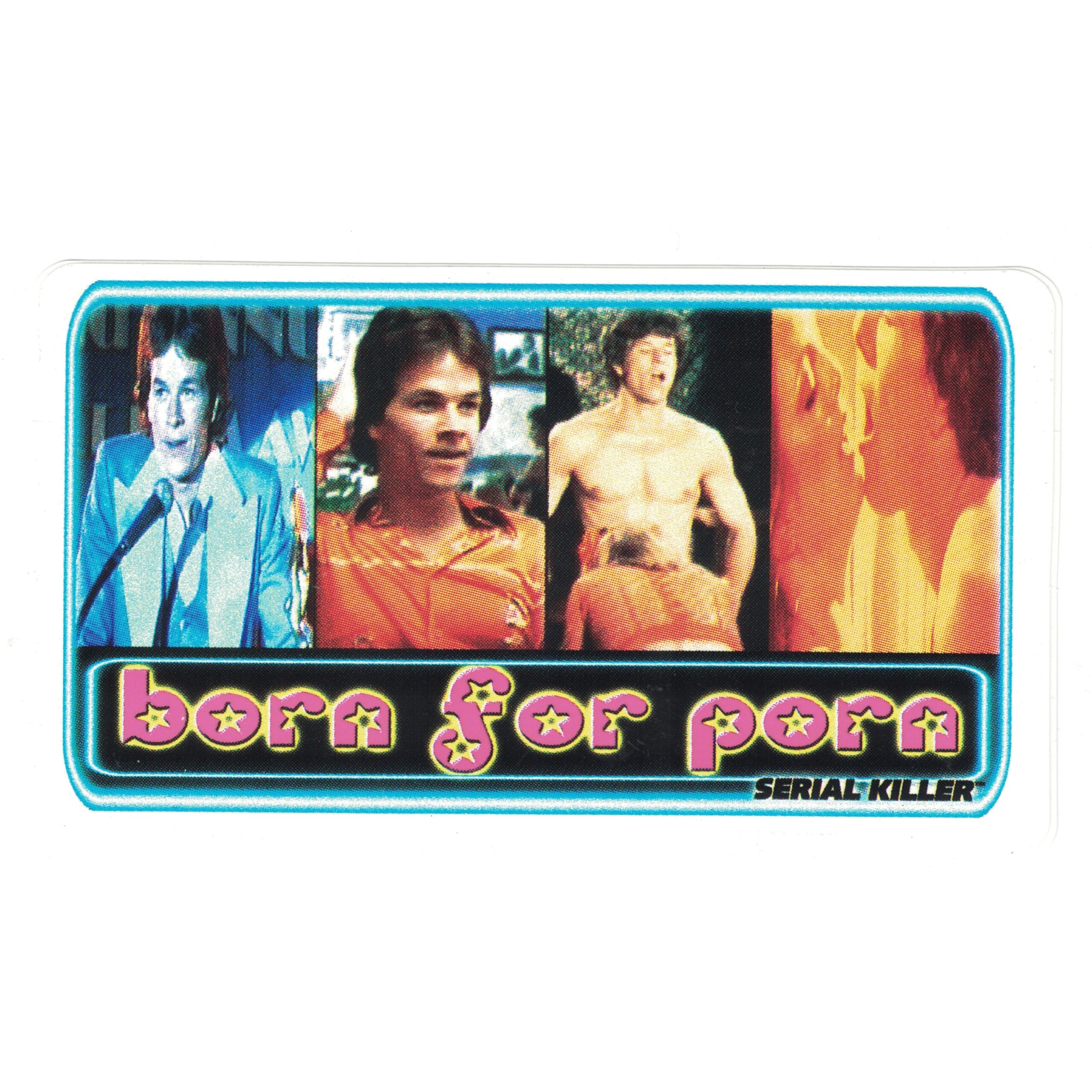
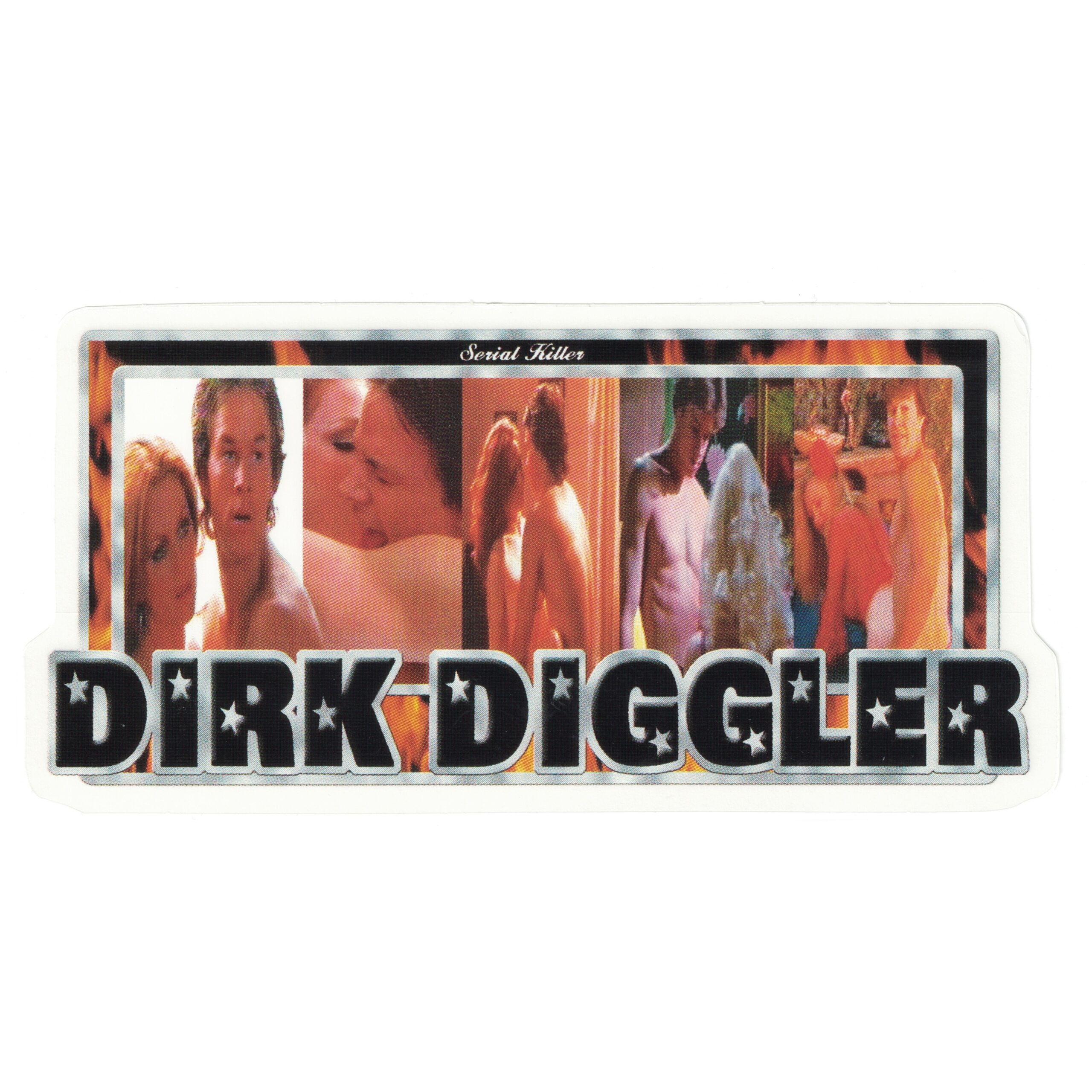
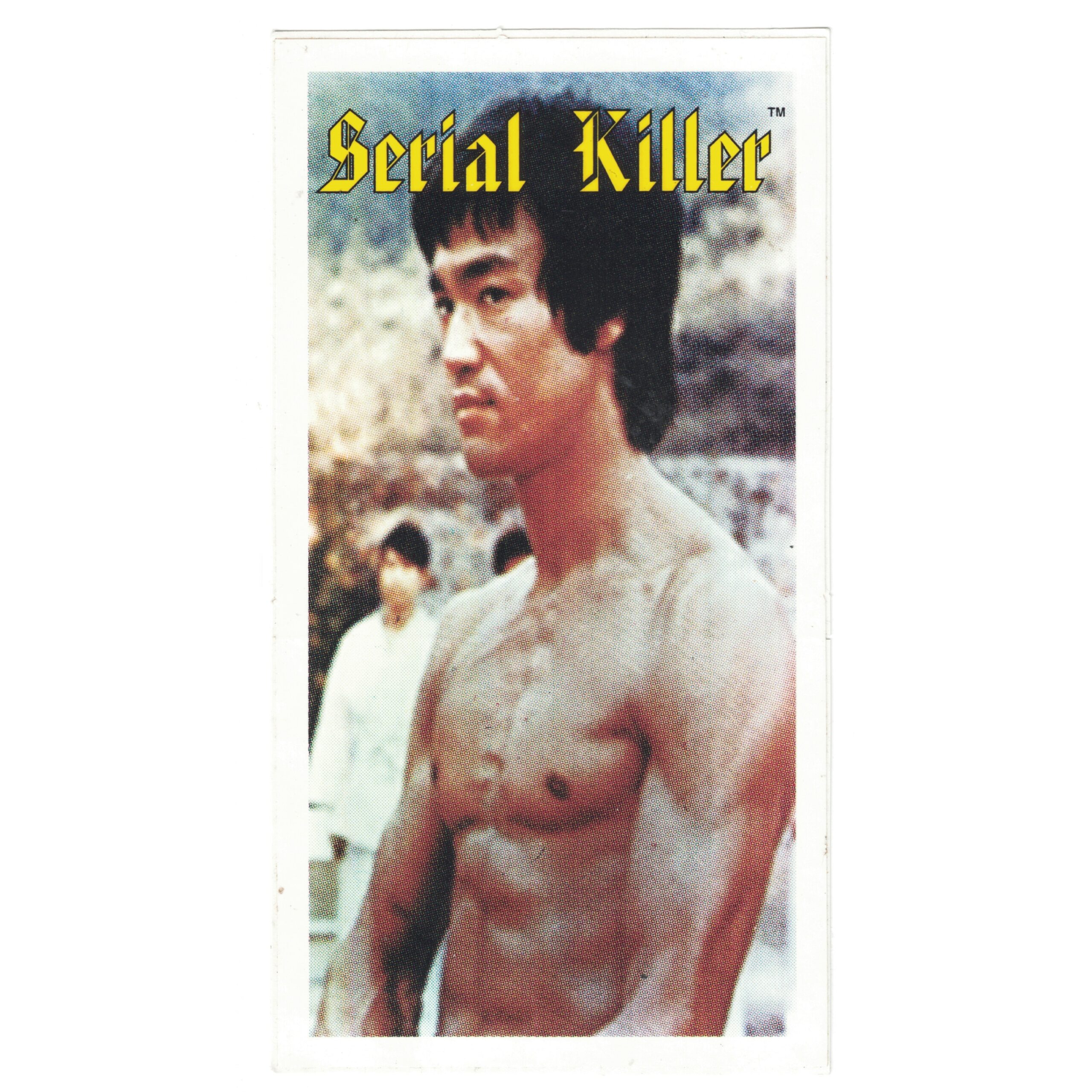
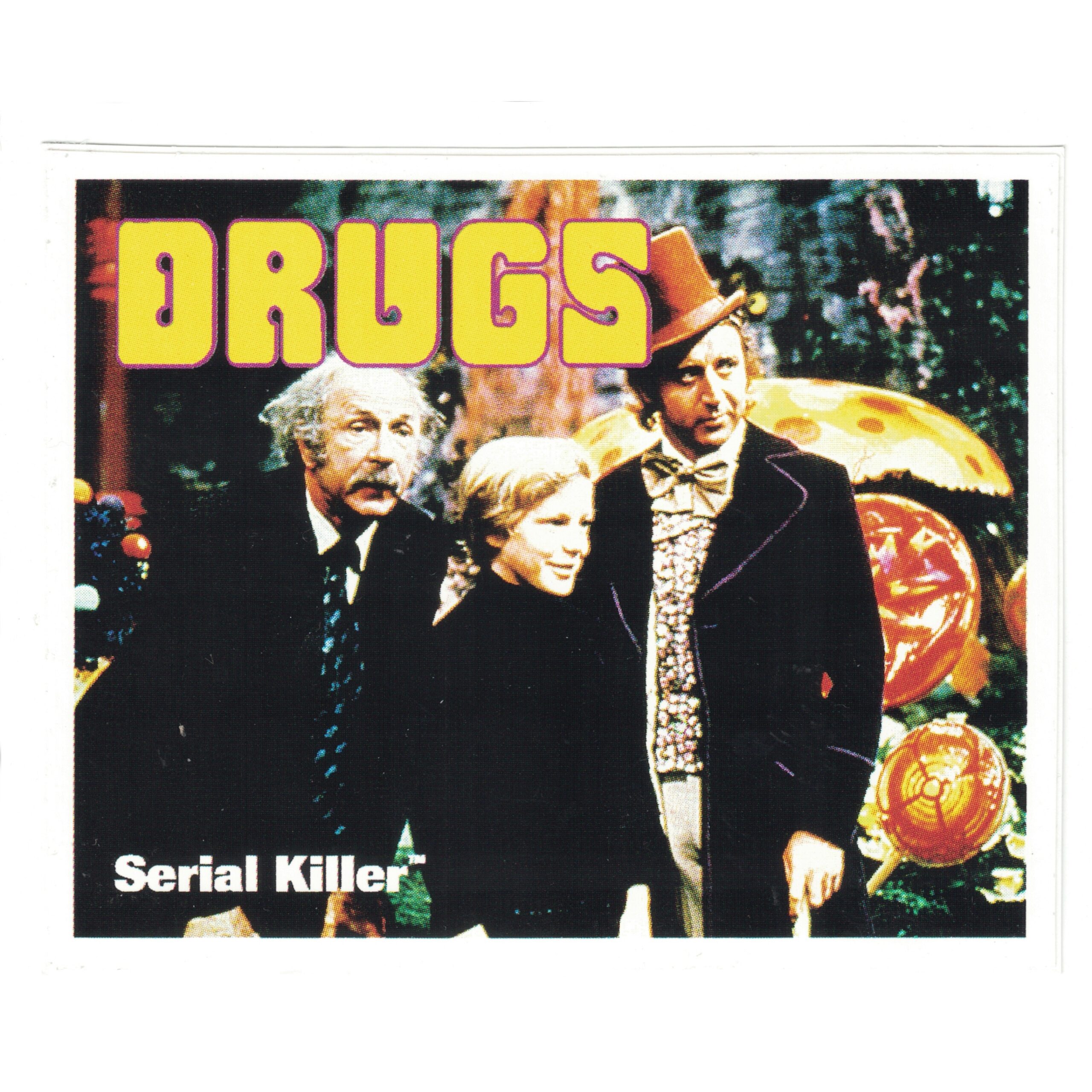
Launched in 1997 by a few guys in El Segundo (yes, where Q-Tip left his wallet), the concept was simple but revolutionary: appropriate an image of a cult icon, a movie scene, or a pop-culture has-been, tweak it in Photoshop, and add a few words of biting satire. Long before “Internet memes” were a thing, Serial Killer was printing them on tees, hats, and decks. They were the provocateurs of 90s youth culture and the nightmare of the older generation.
They were pioneers in a genre that walks the razor’s edge of “Fair Use.” Because copyright law is notoriously subjective and the legal process is a soul-crushing financial burden, it took serious guts to build a brand on this kind of artistic risk. Ultimately, it wasn’t a lack of marketability that brought them down—it was a barrage of lawsuits from plaintiffs who couldn’t take a joke. Their work was a deliberate disruption of the system, a guerilla-style middle finger to the establishment. Without their “permission-less” approach, these artifacts wouldn’t even exist.
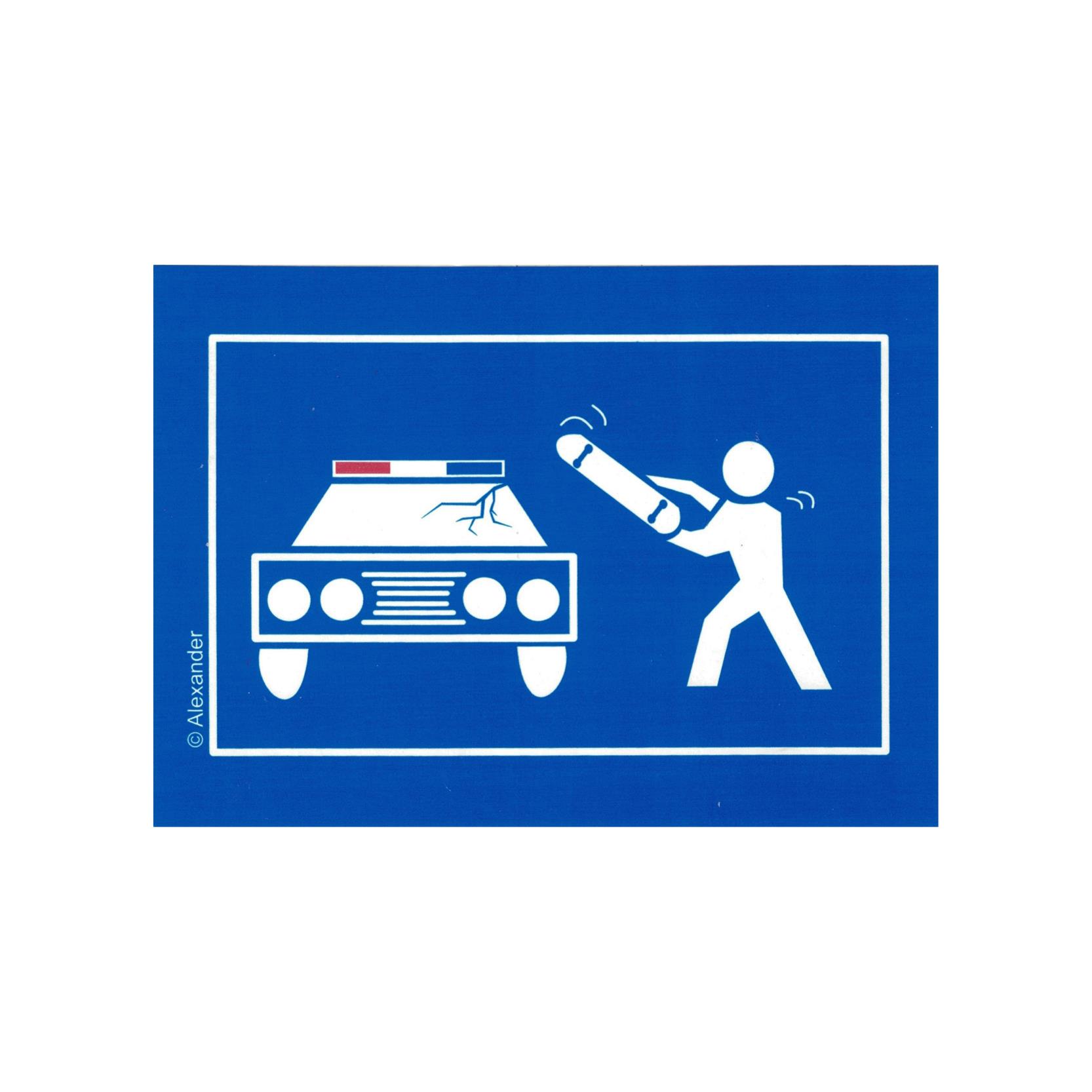
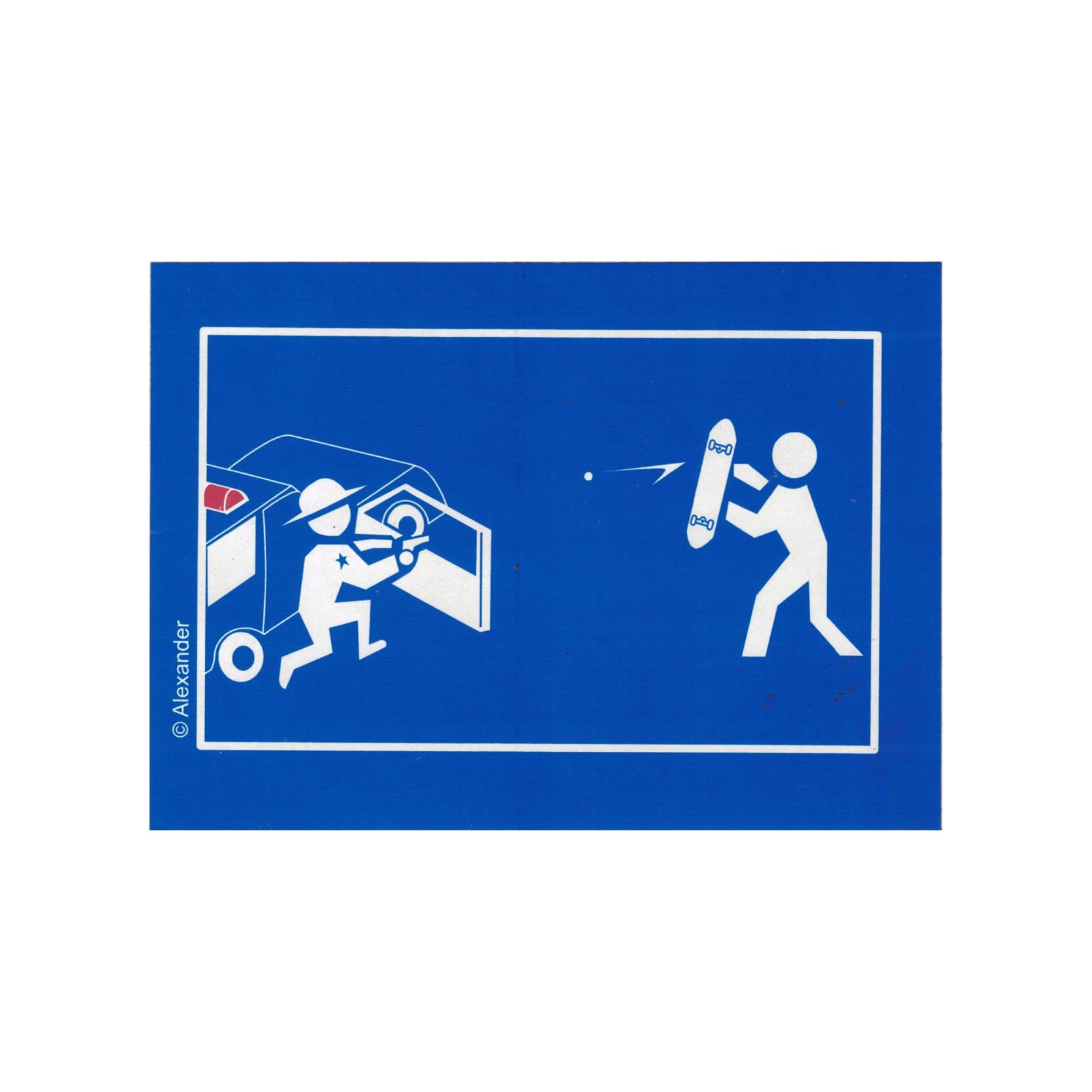
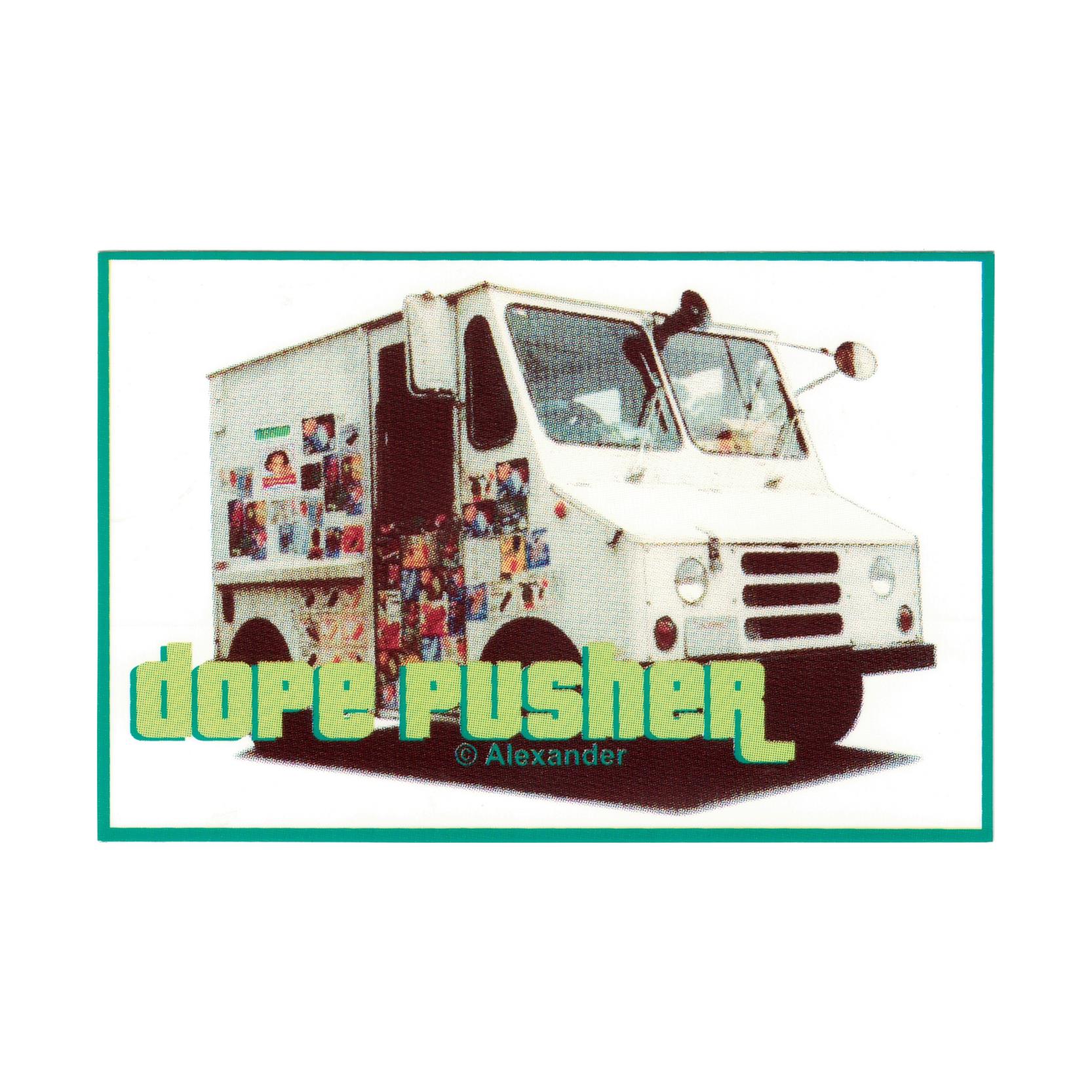
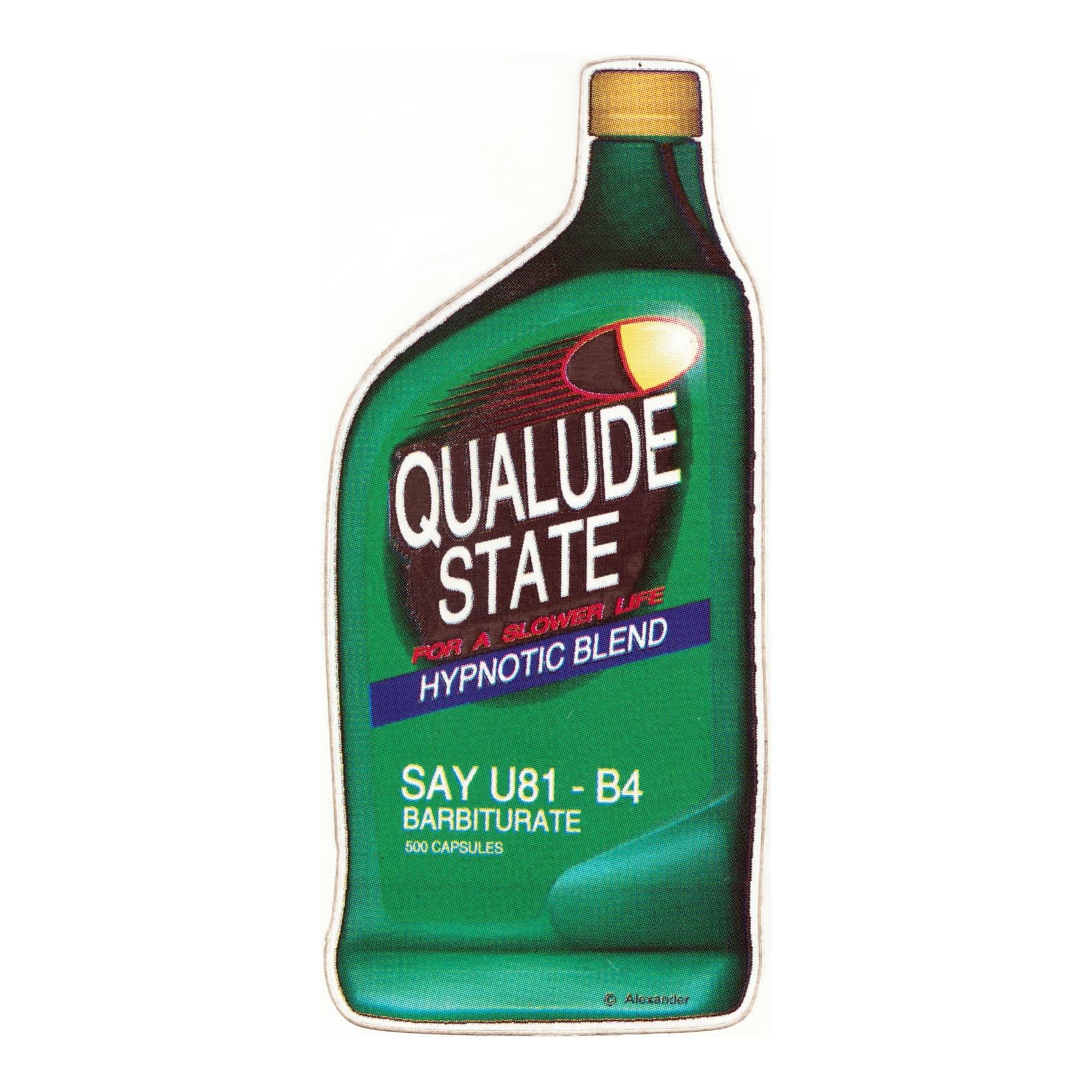
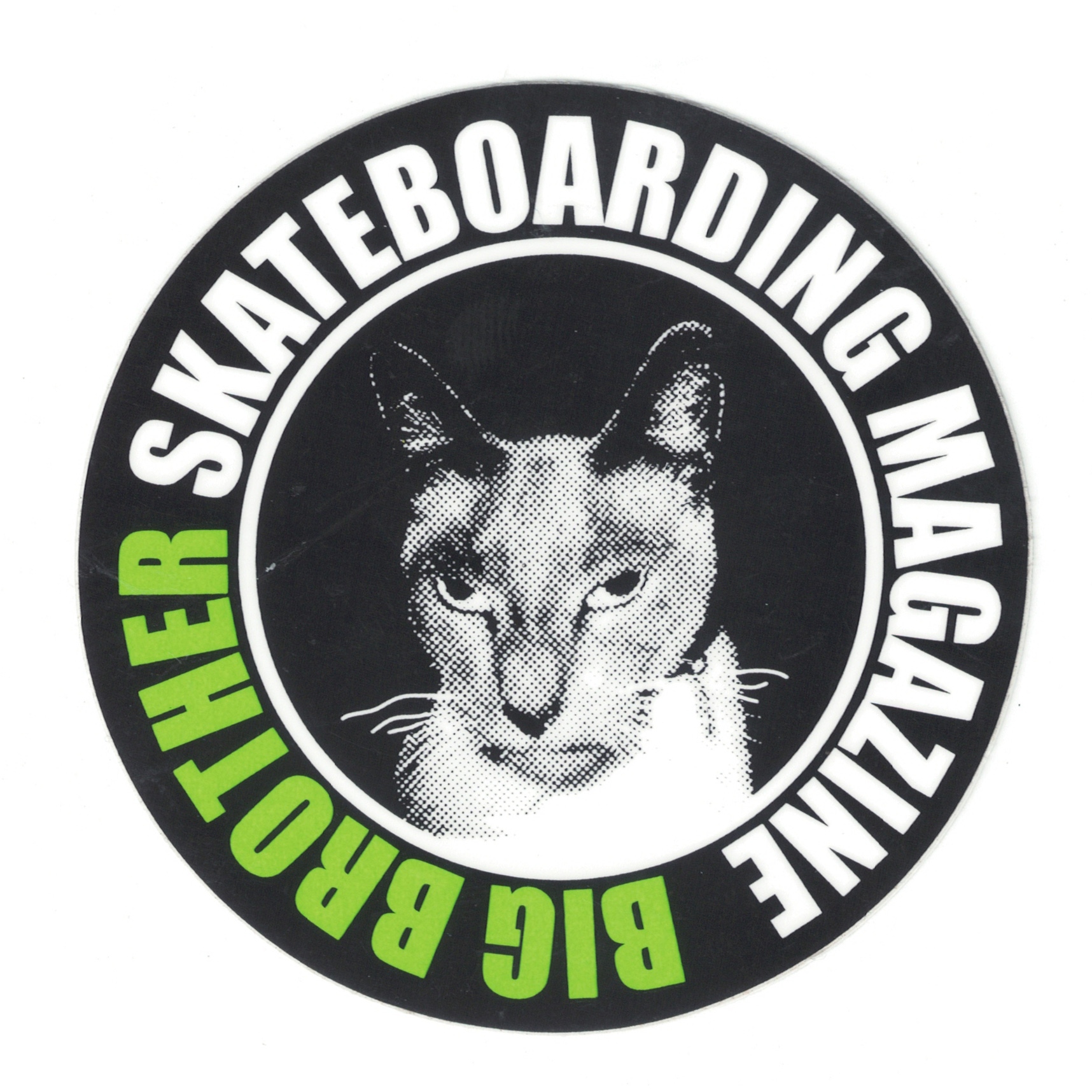
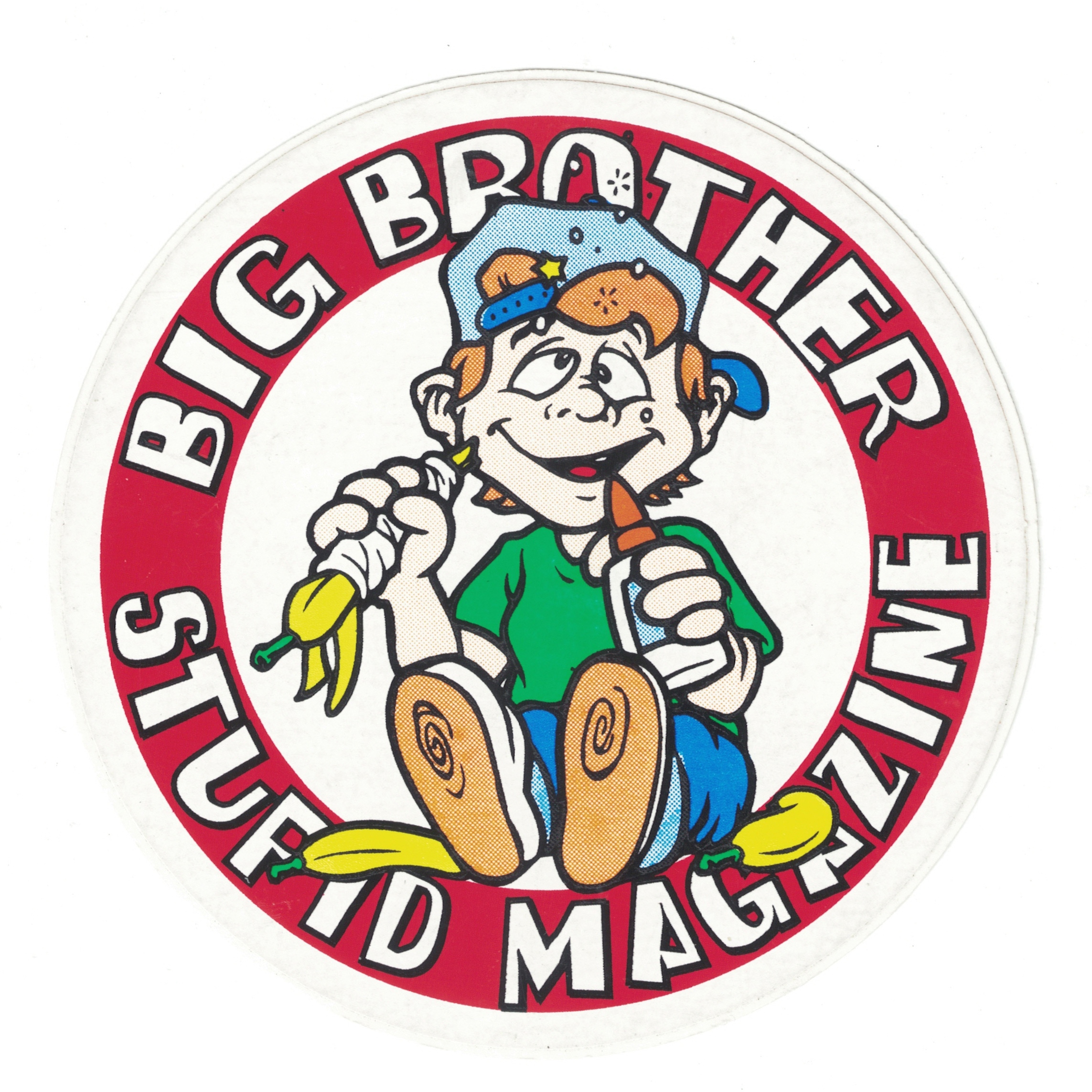
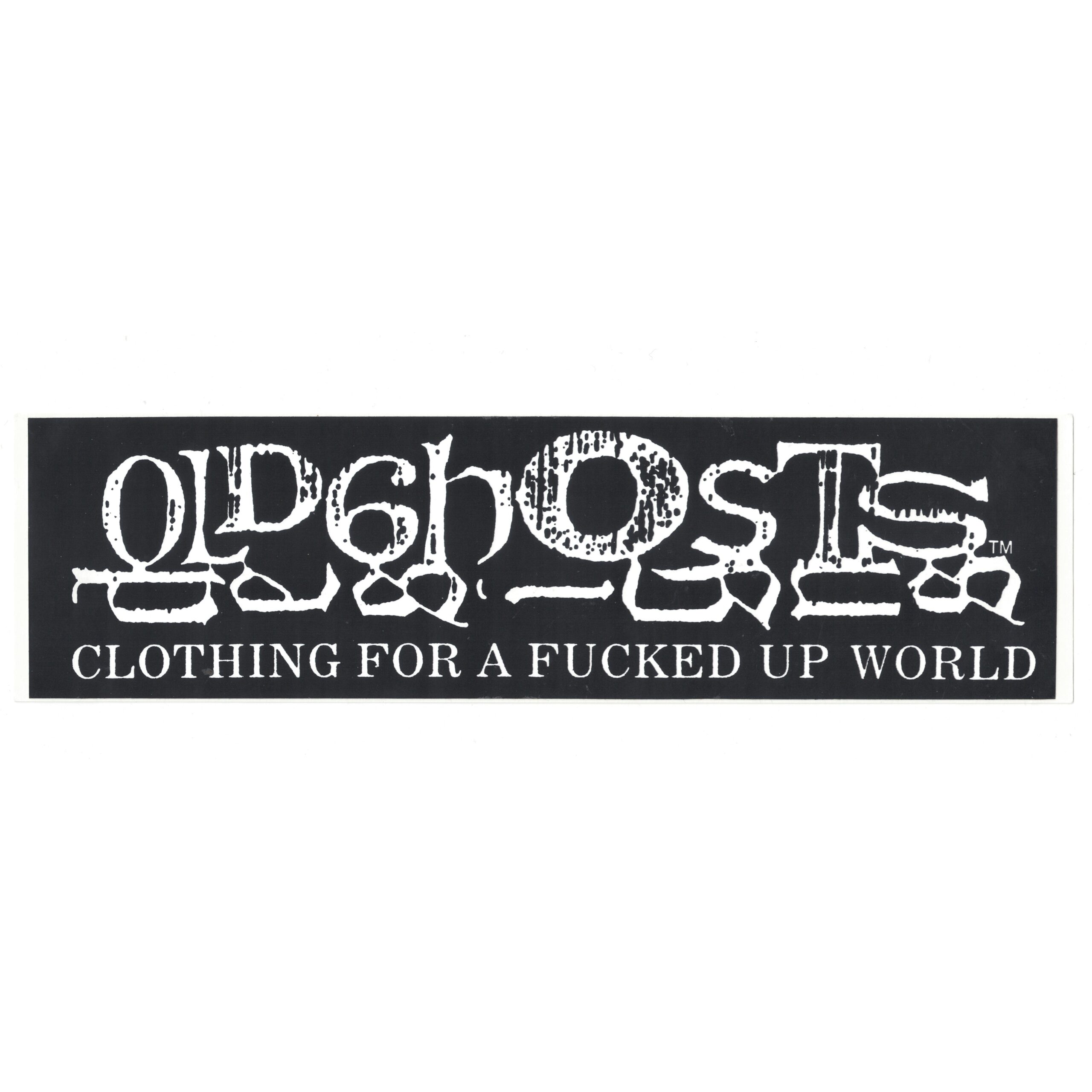
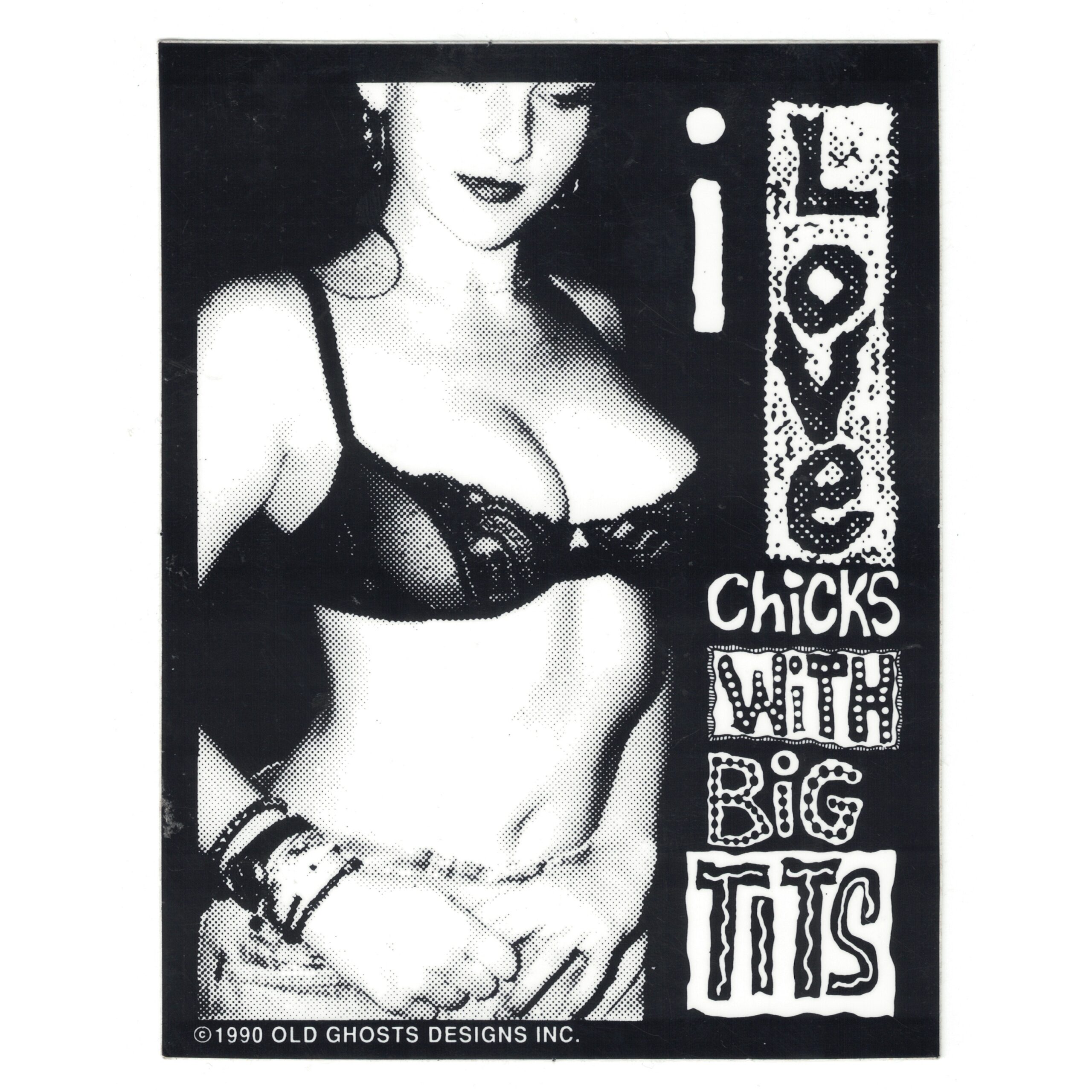
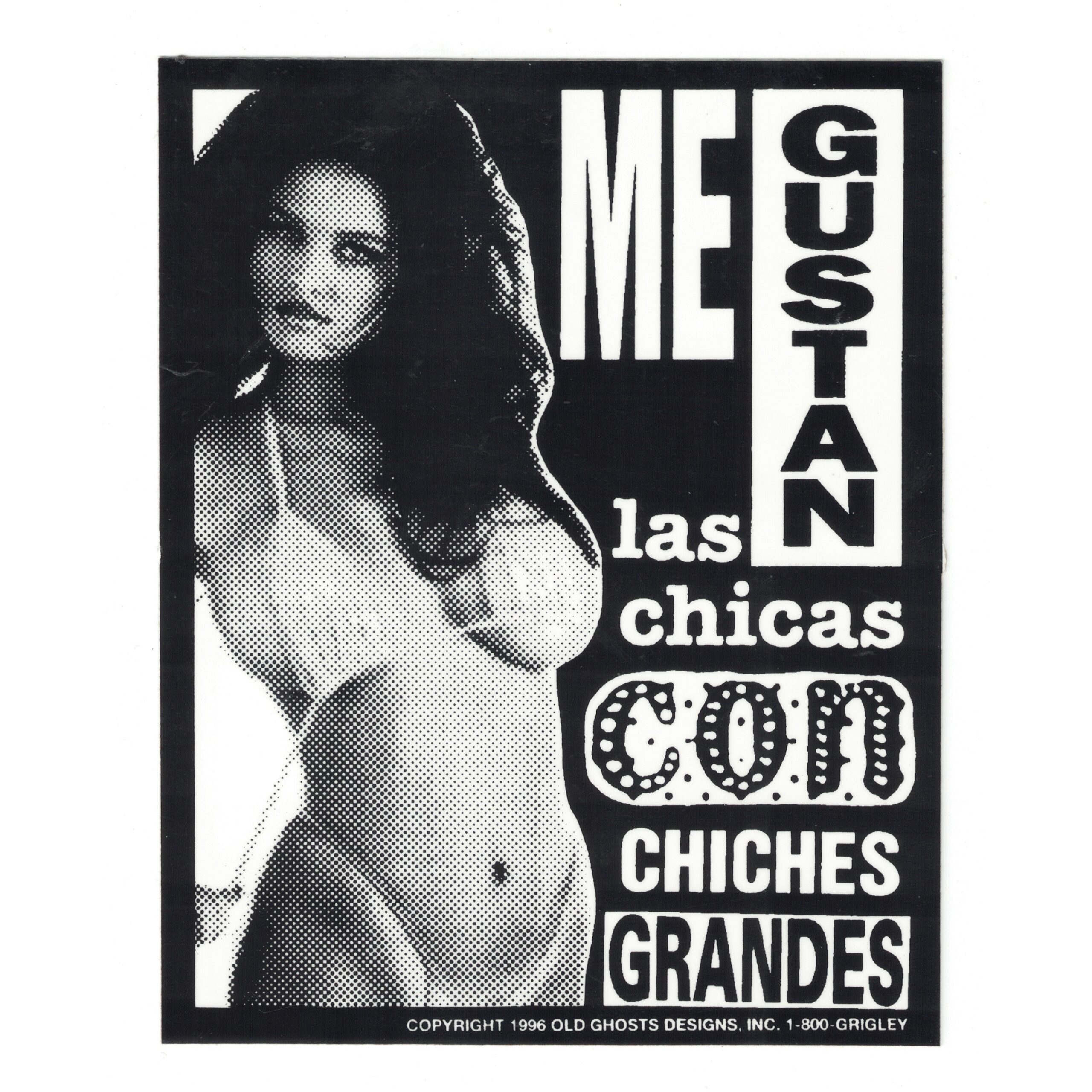
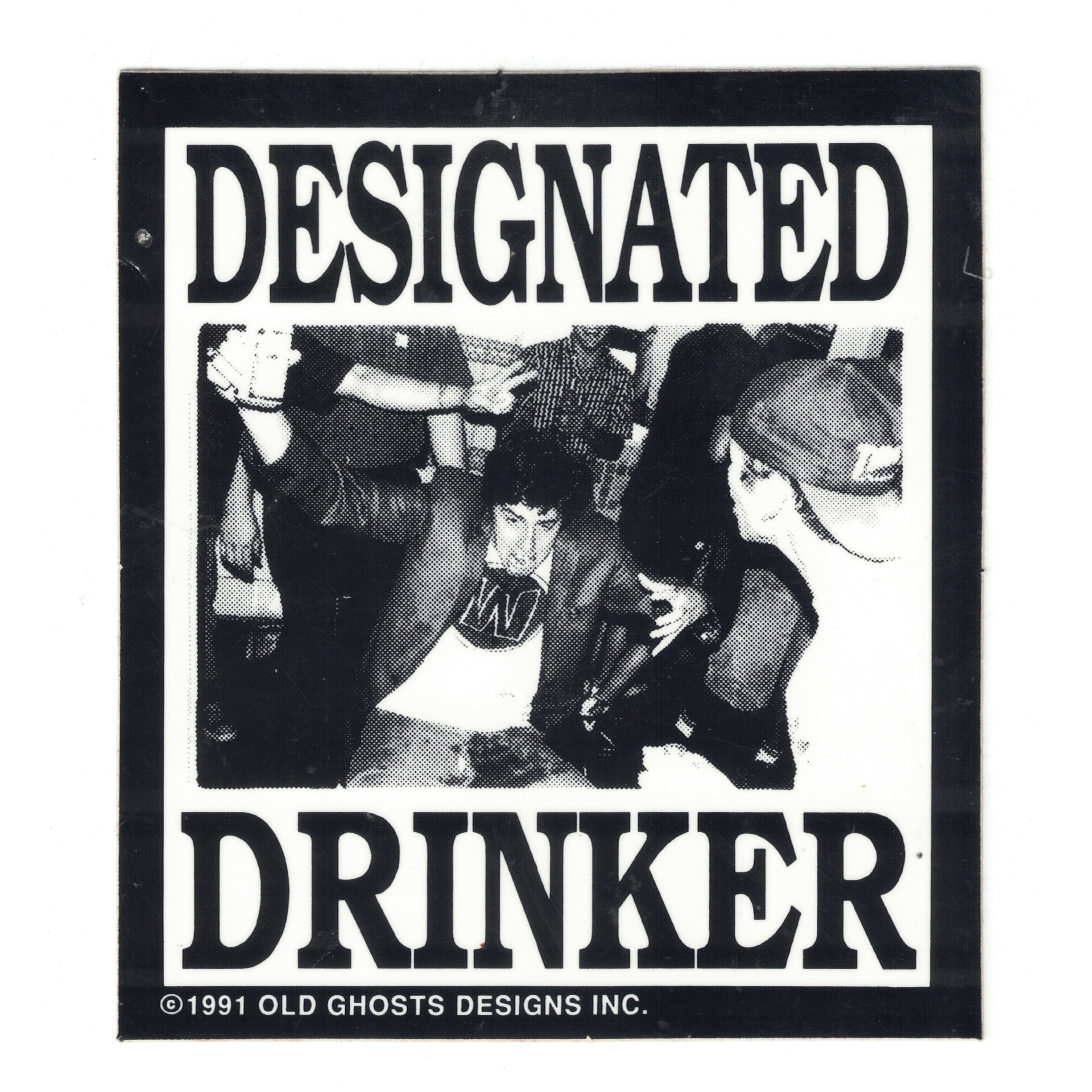
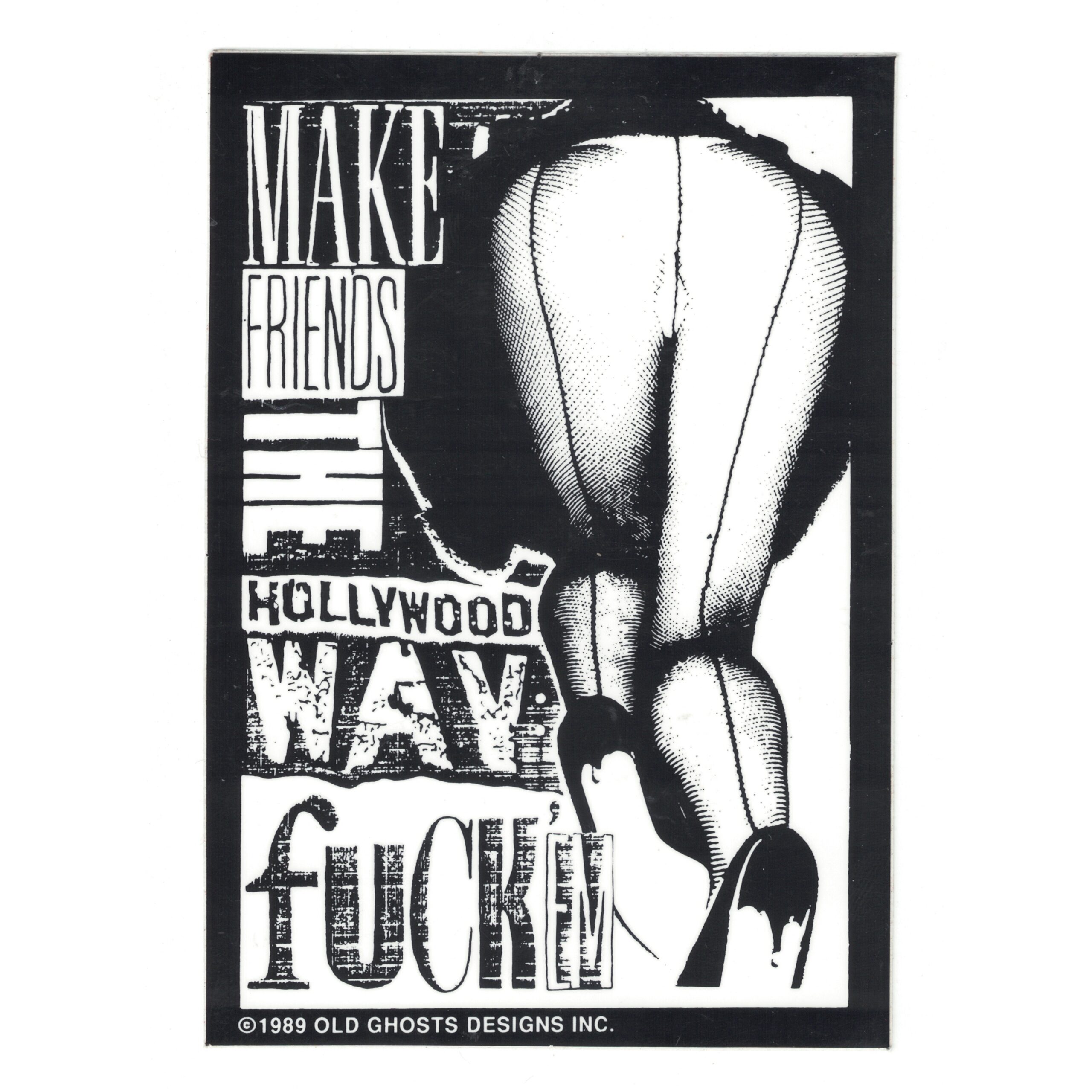
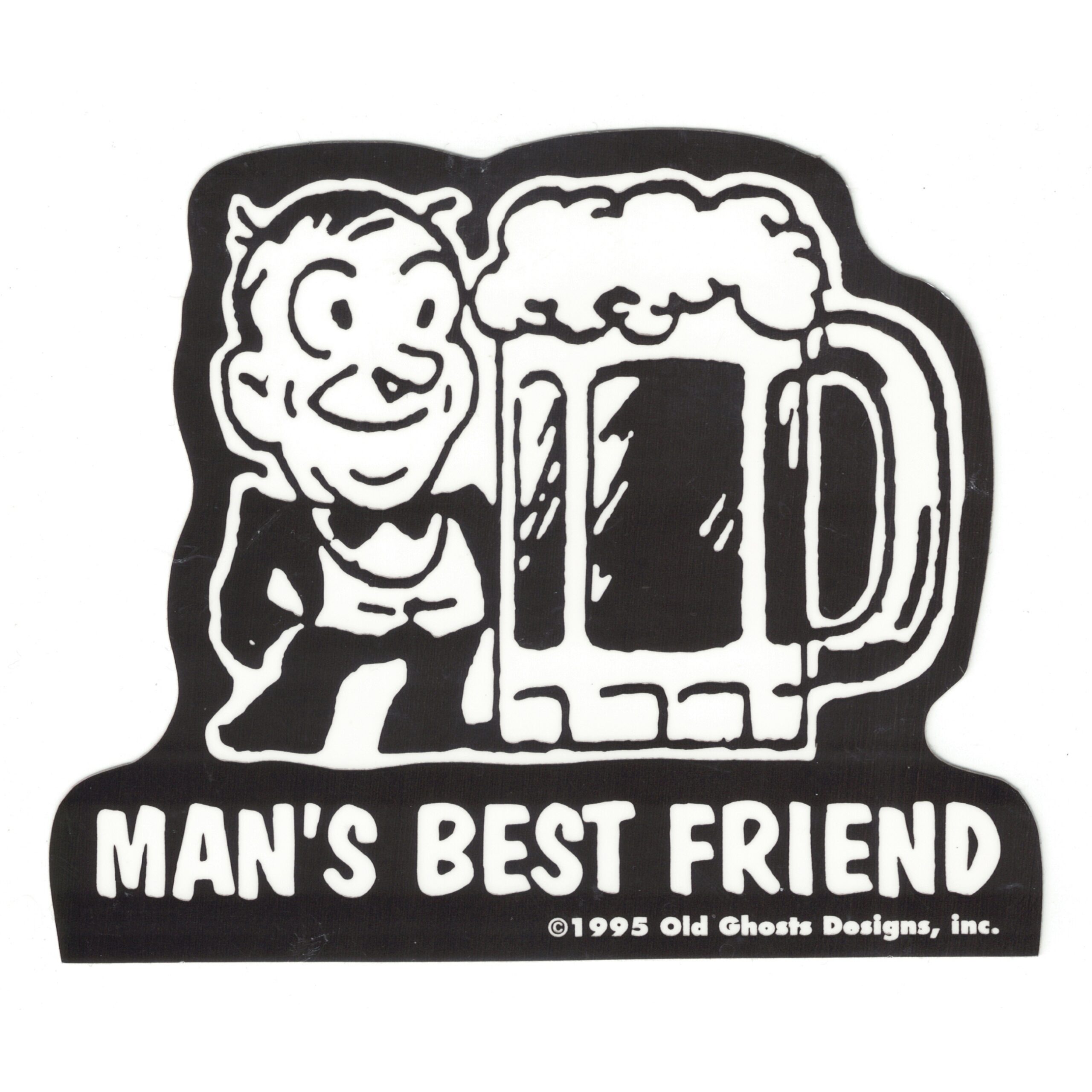
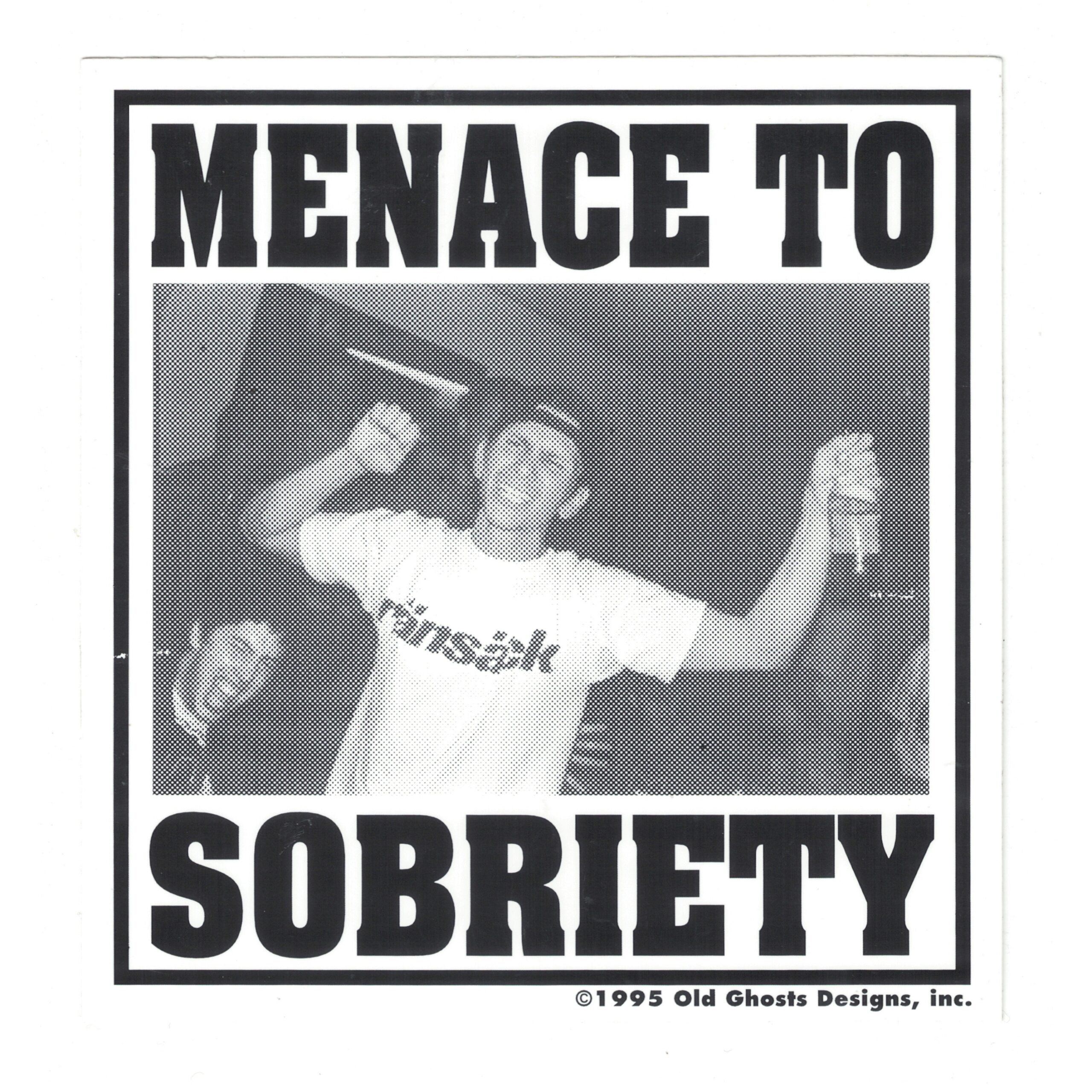
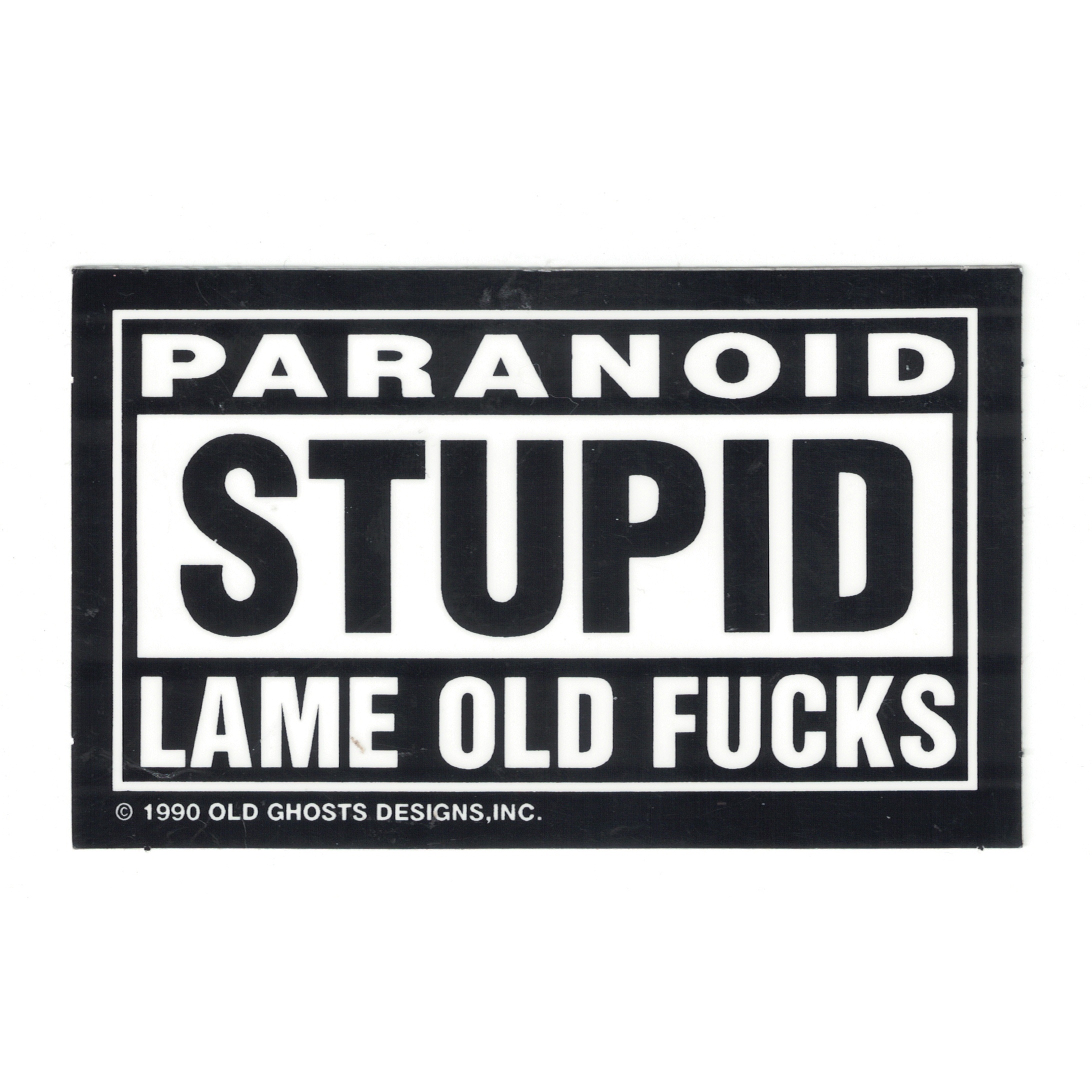
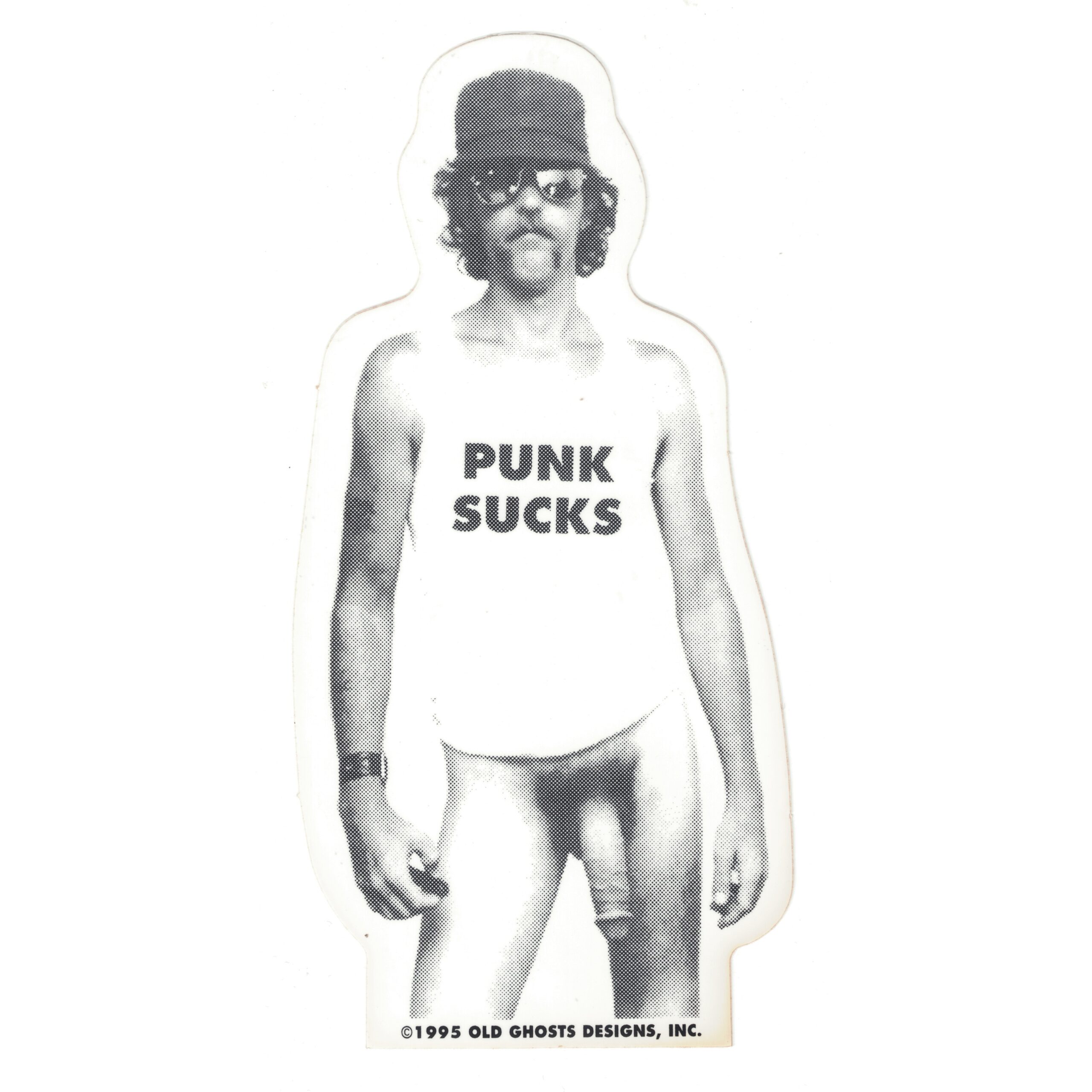
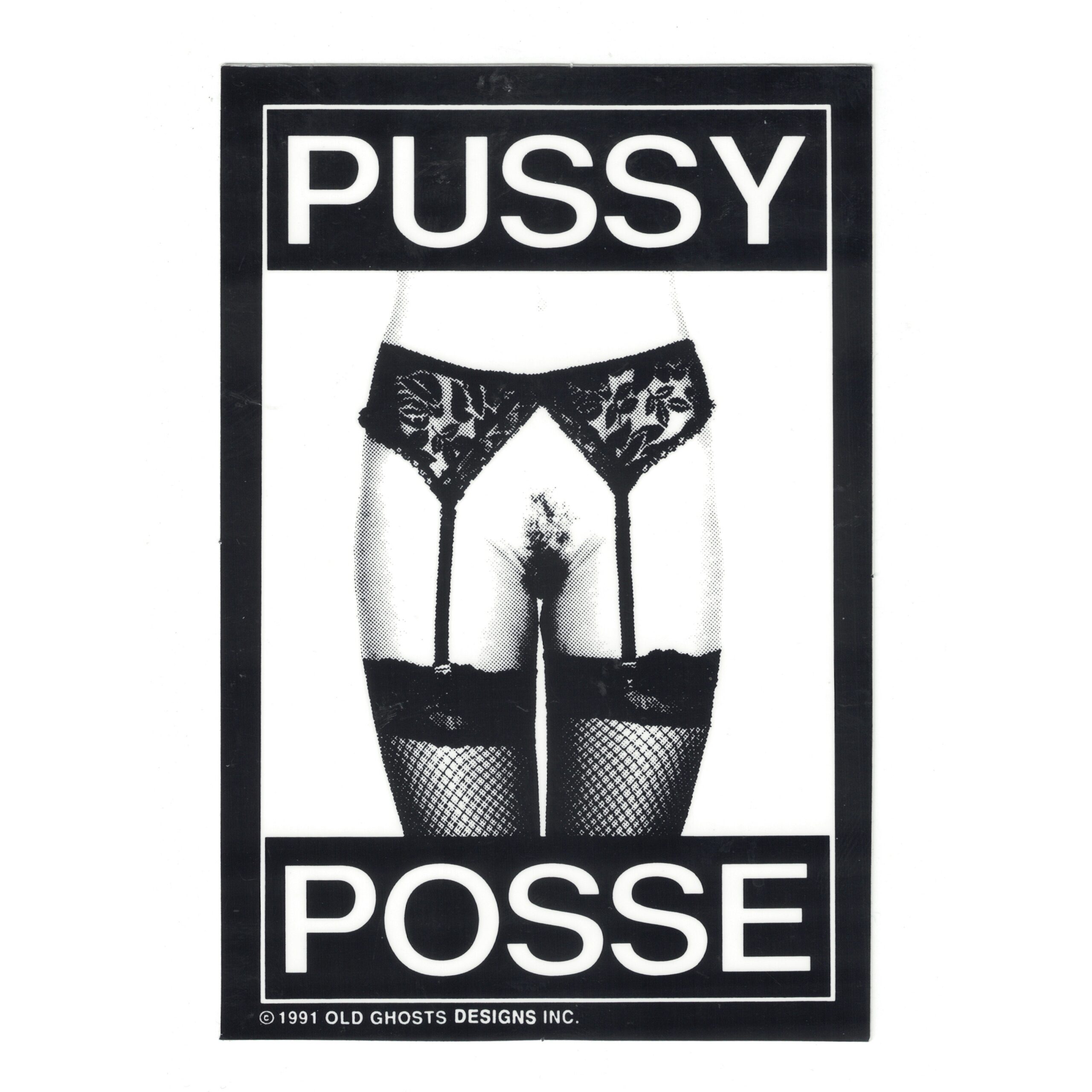
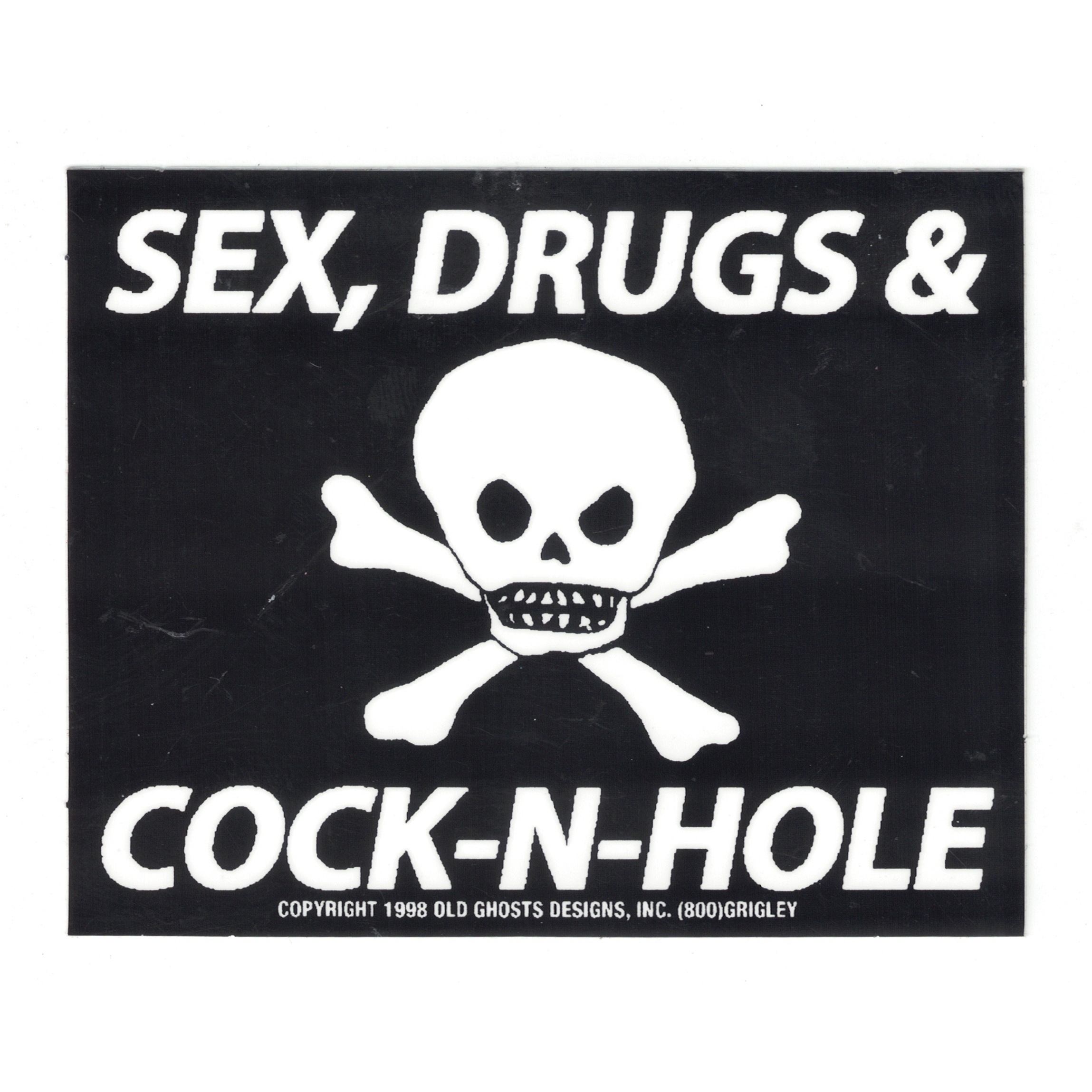
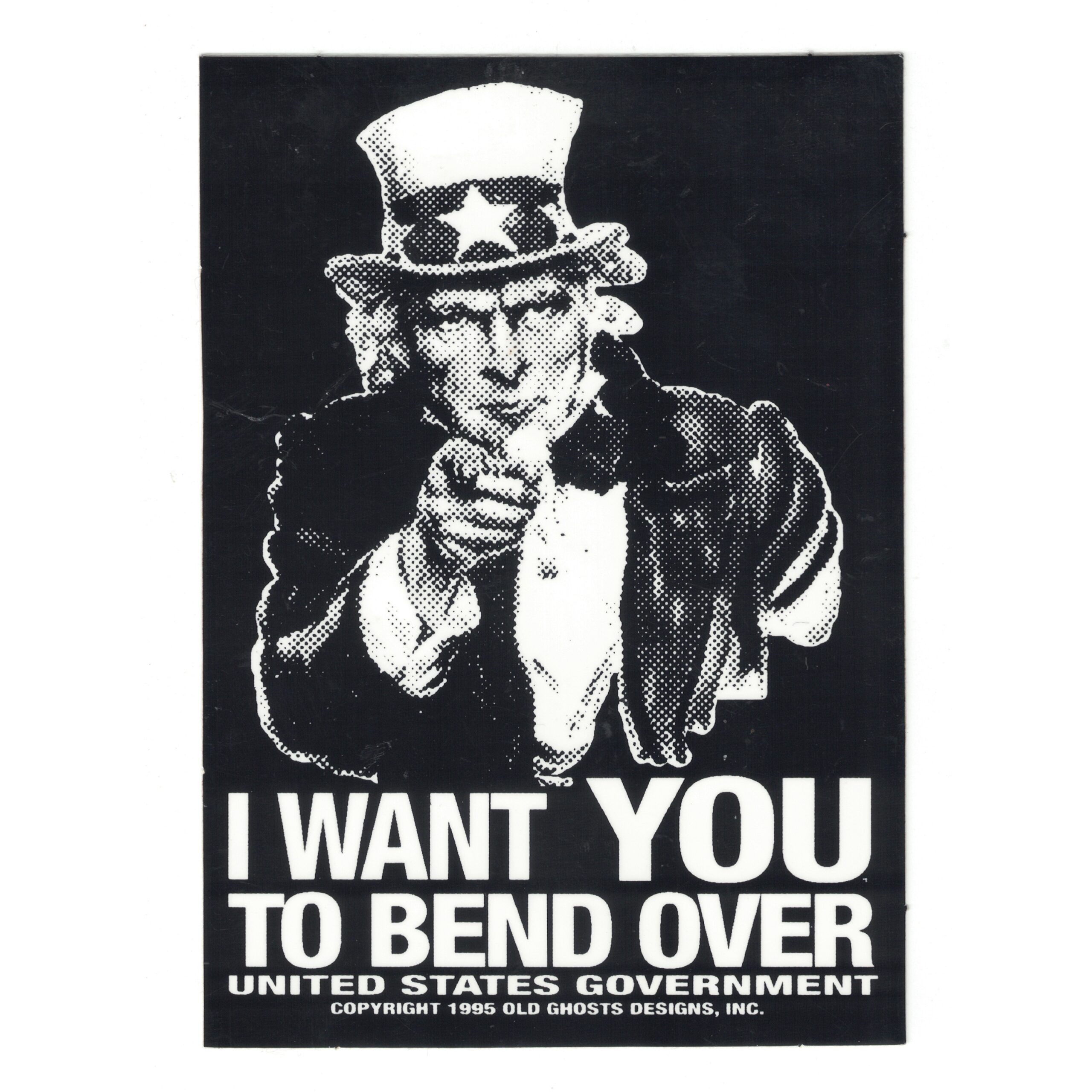
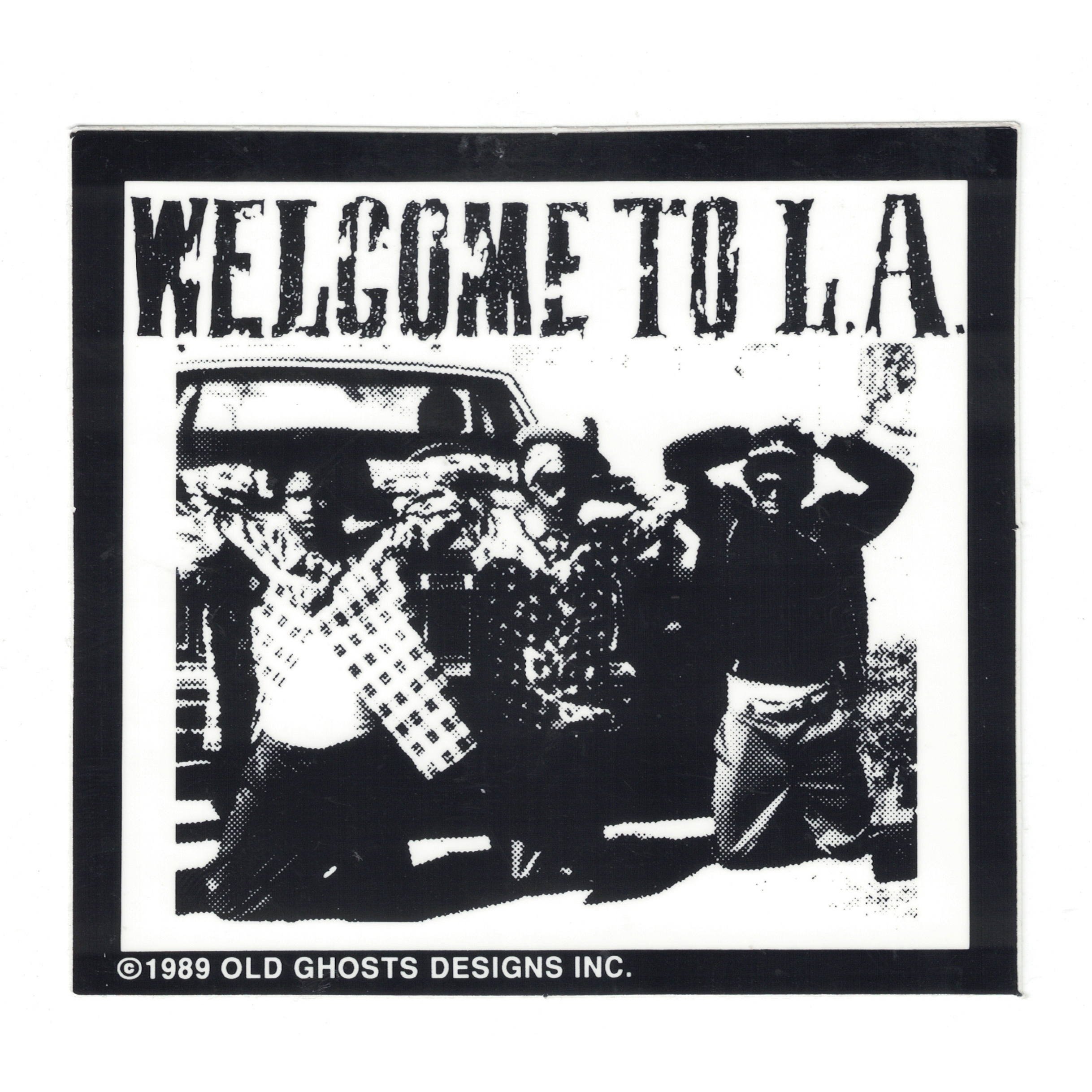
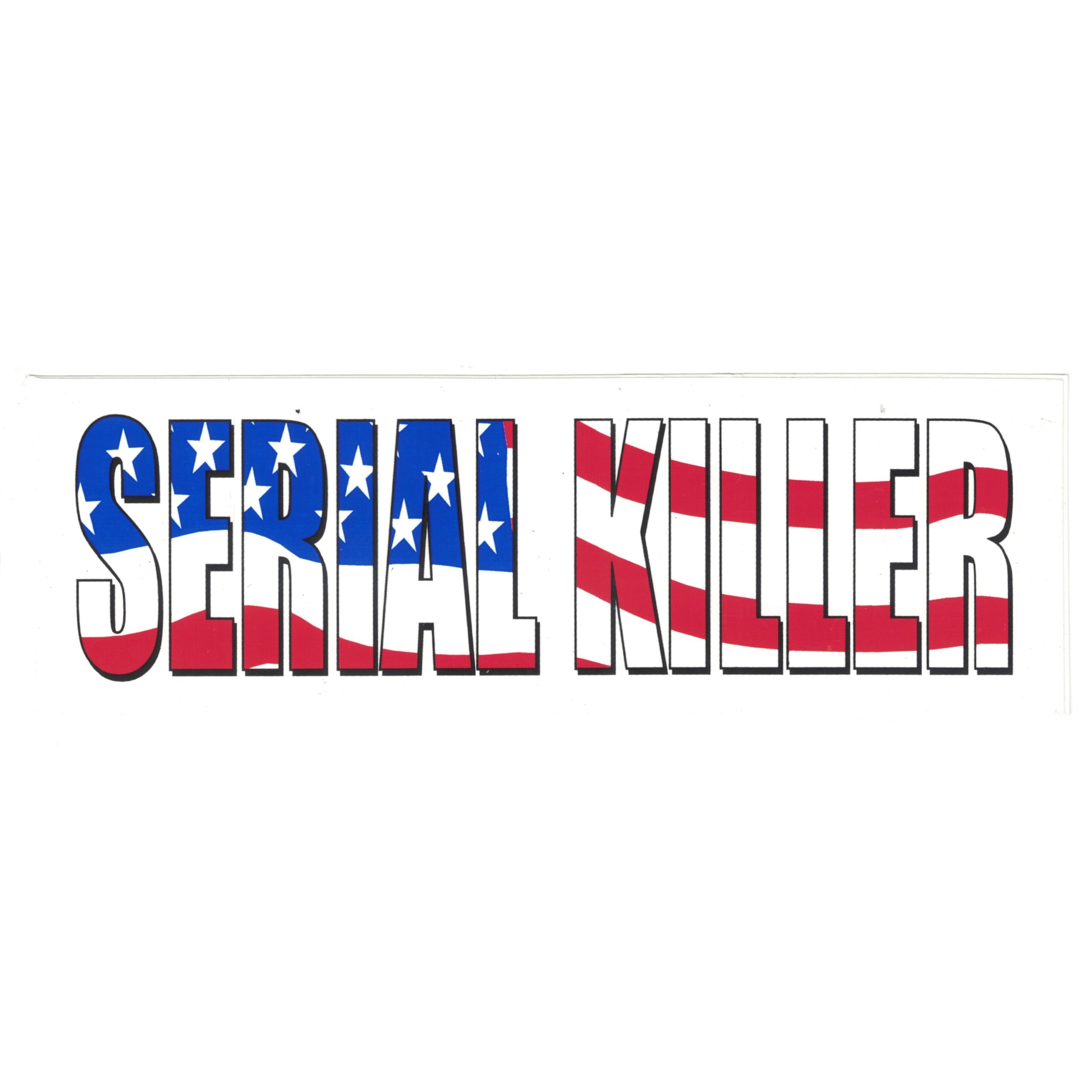
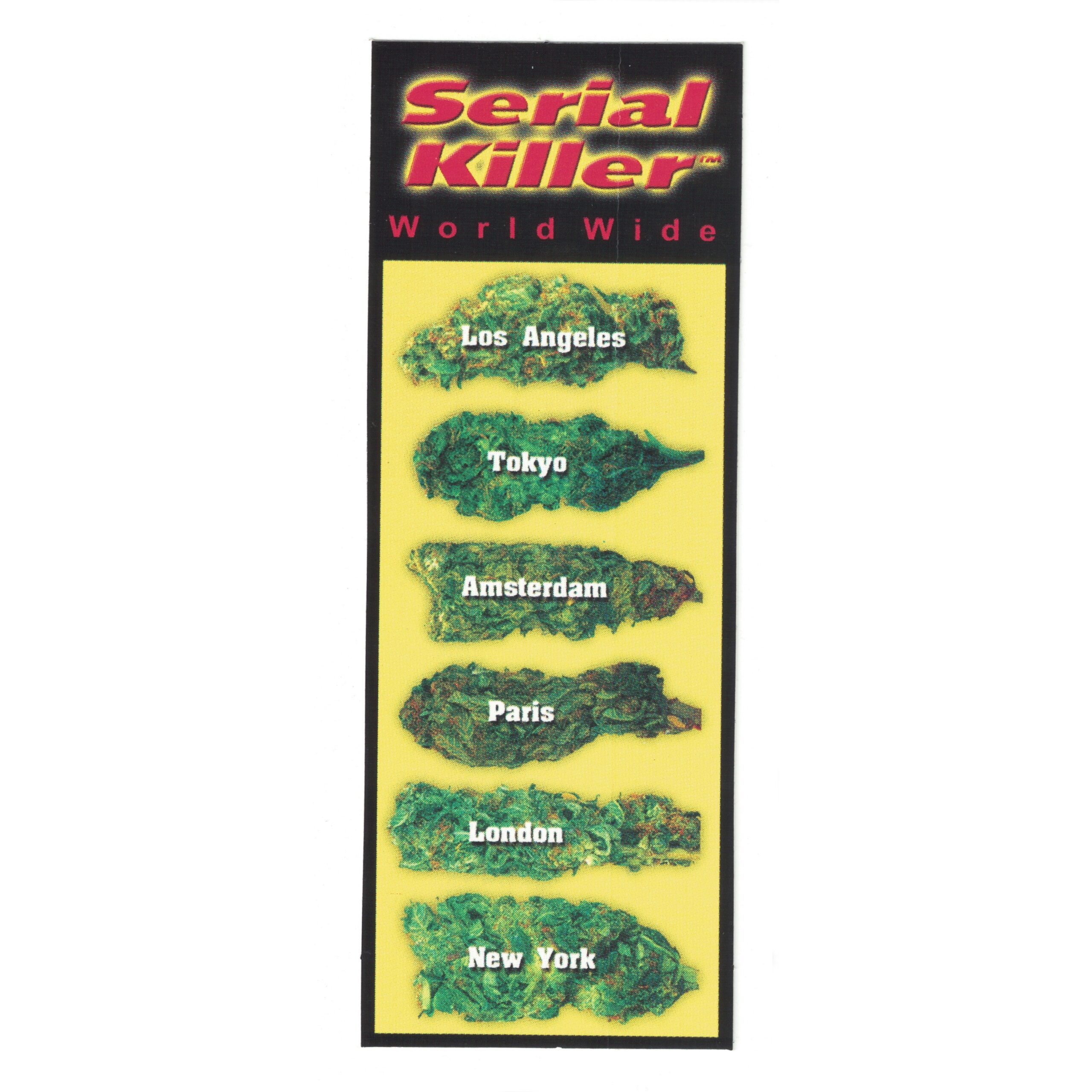
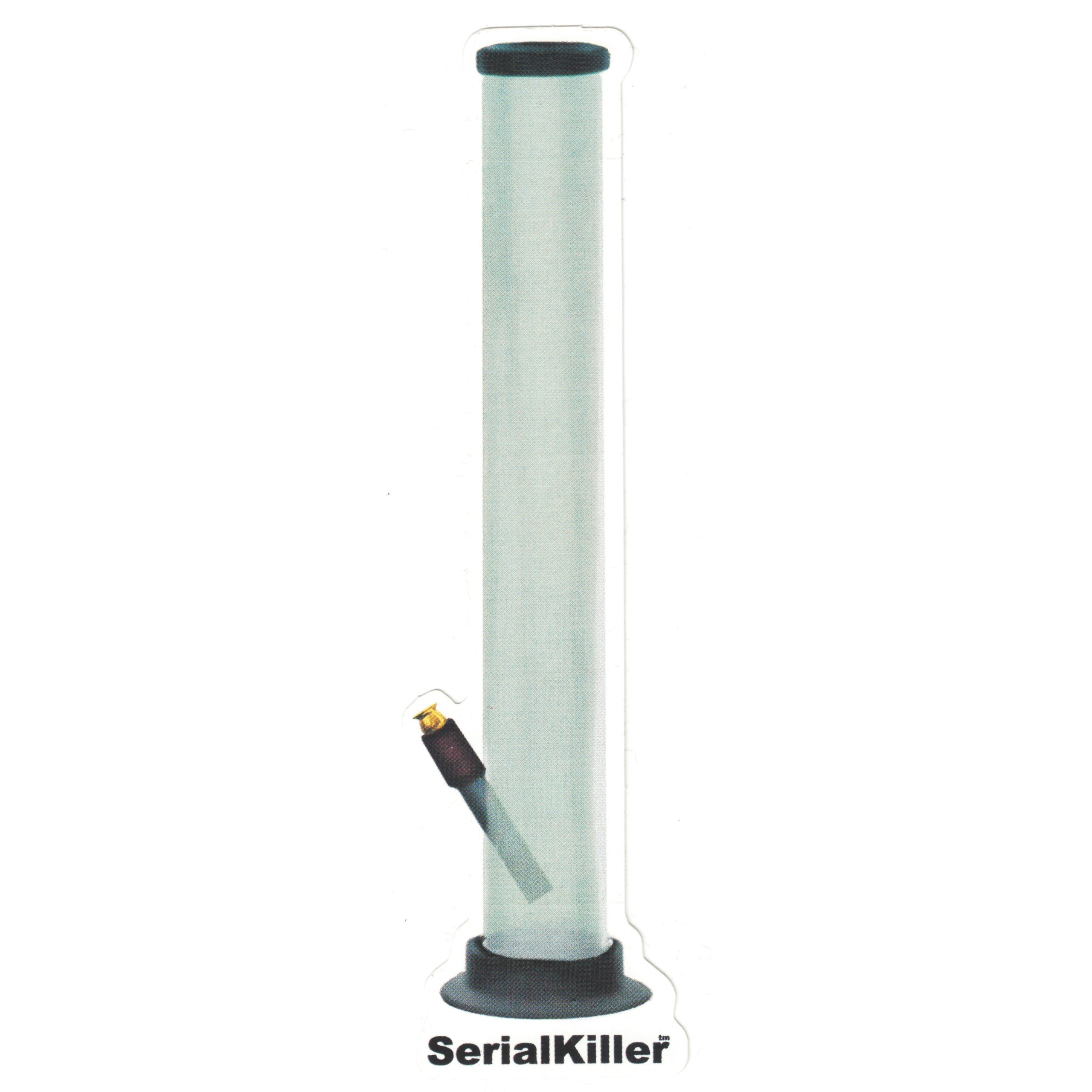
Here is a collection of Serial Killer sticker art from my personal archive.
I’d also like to point out that the Serial Killer brand has seen a reboot in the past few years in the skateboarding space and that you should visit and support https://www.serialkillerbrand.com/ and or follow them on Instagram (@serialkillerbrand).
– CPX
WARNING: Contains explicit content
Serial Killer
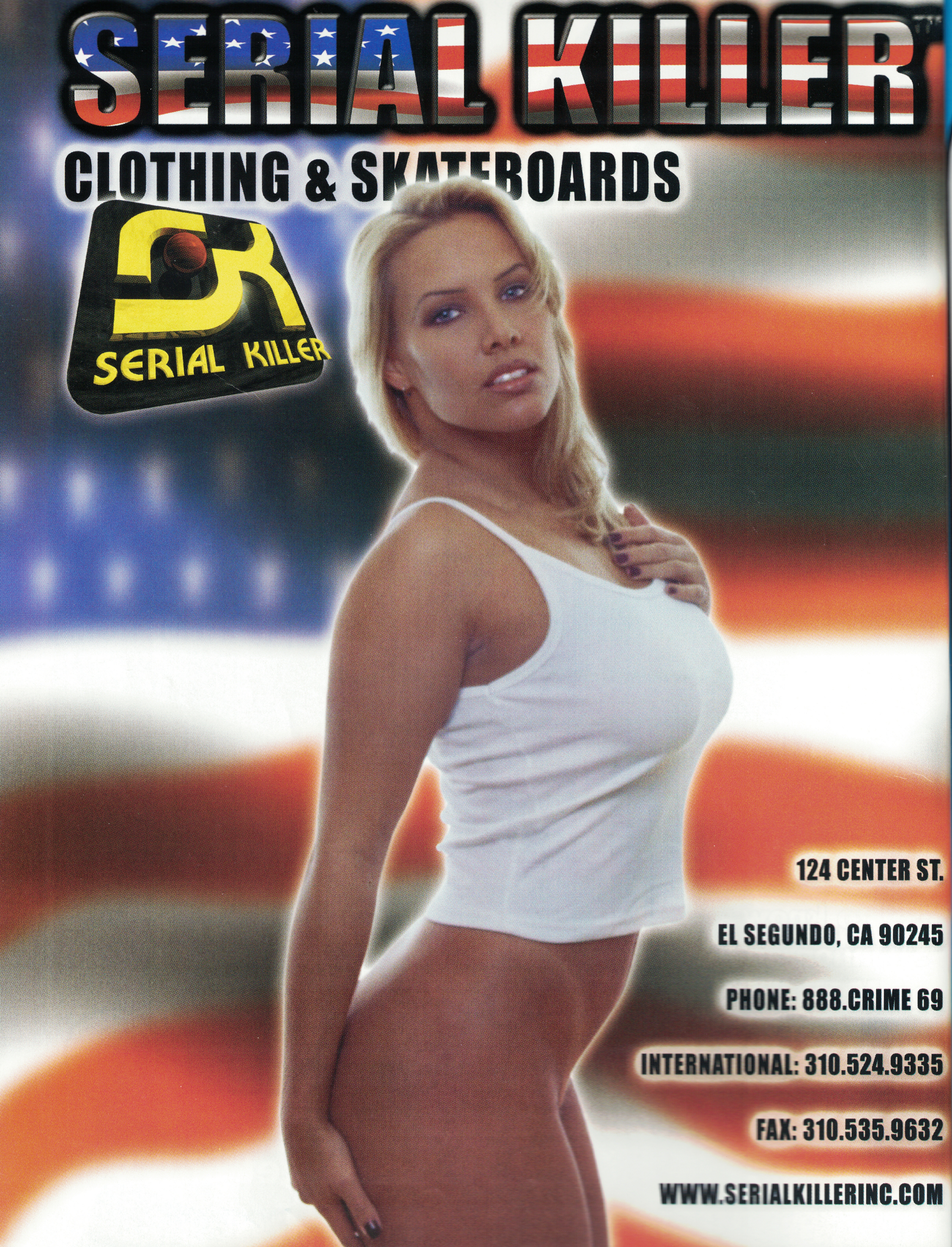
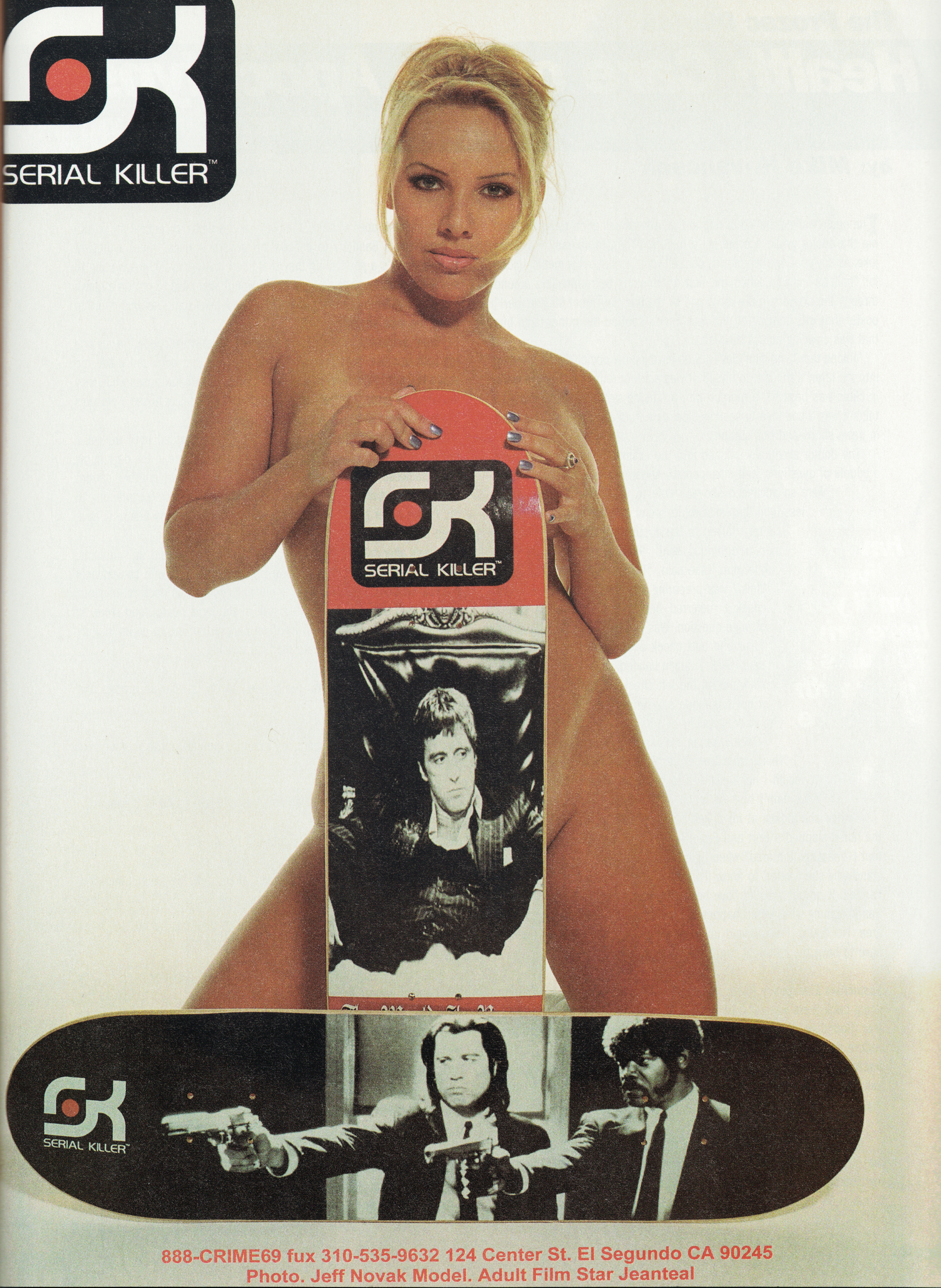
Here is a PDF I made from a scanned Serial Killer catalog with some more art for you to look at, and a few advertisements [1, 2, 3] I scanned from late 90’s Pop Smear magazine.






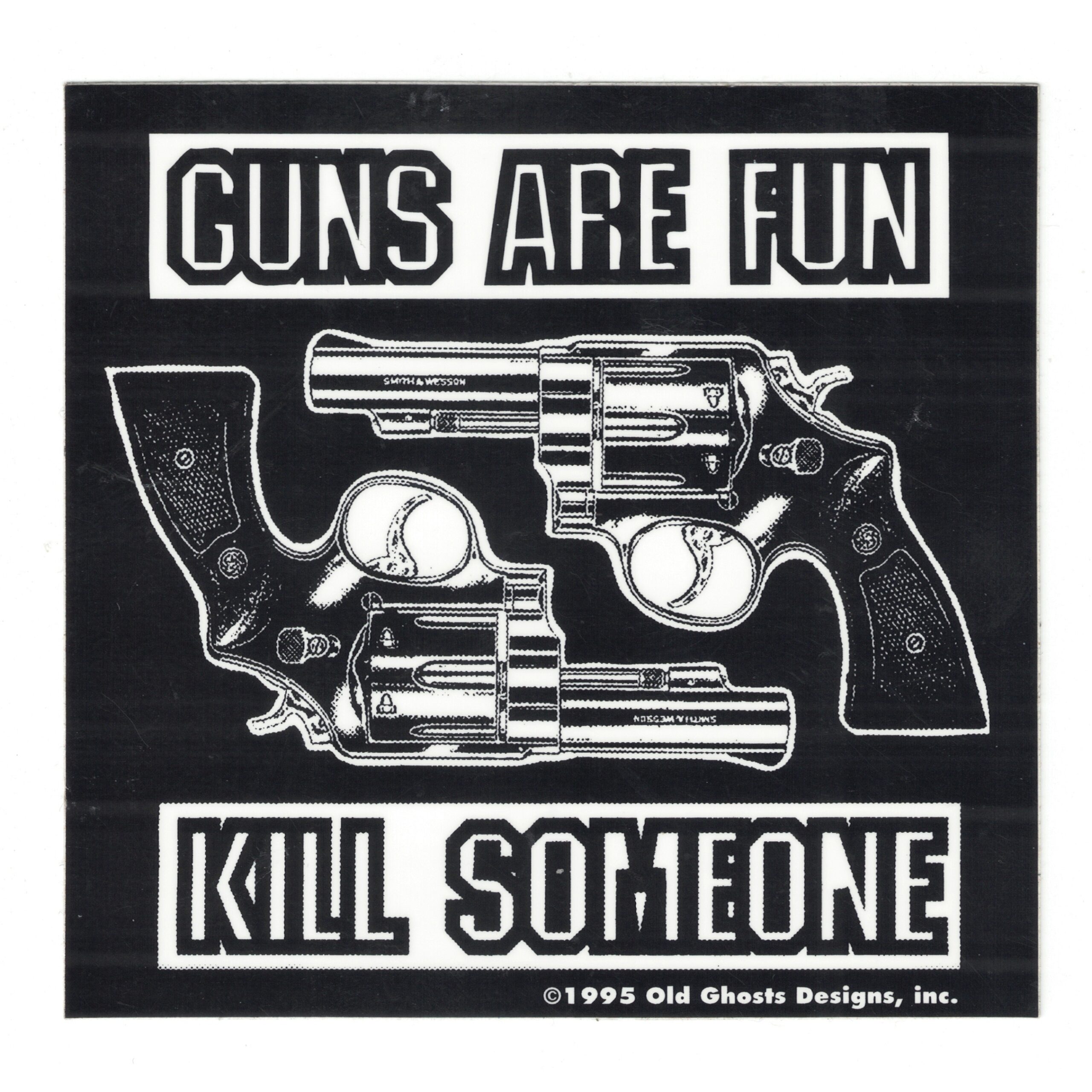
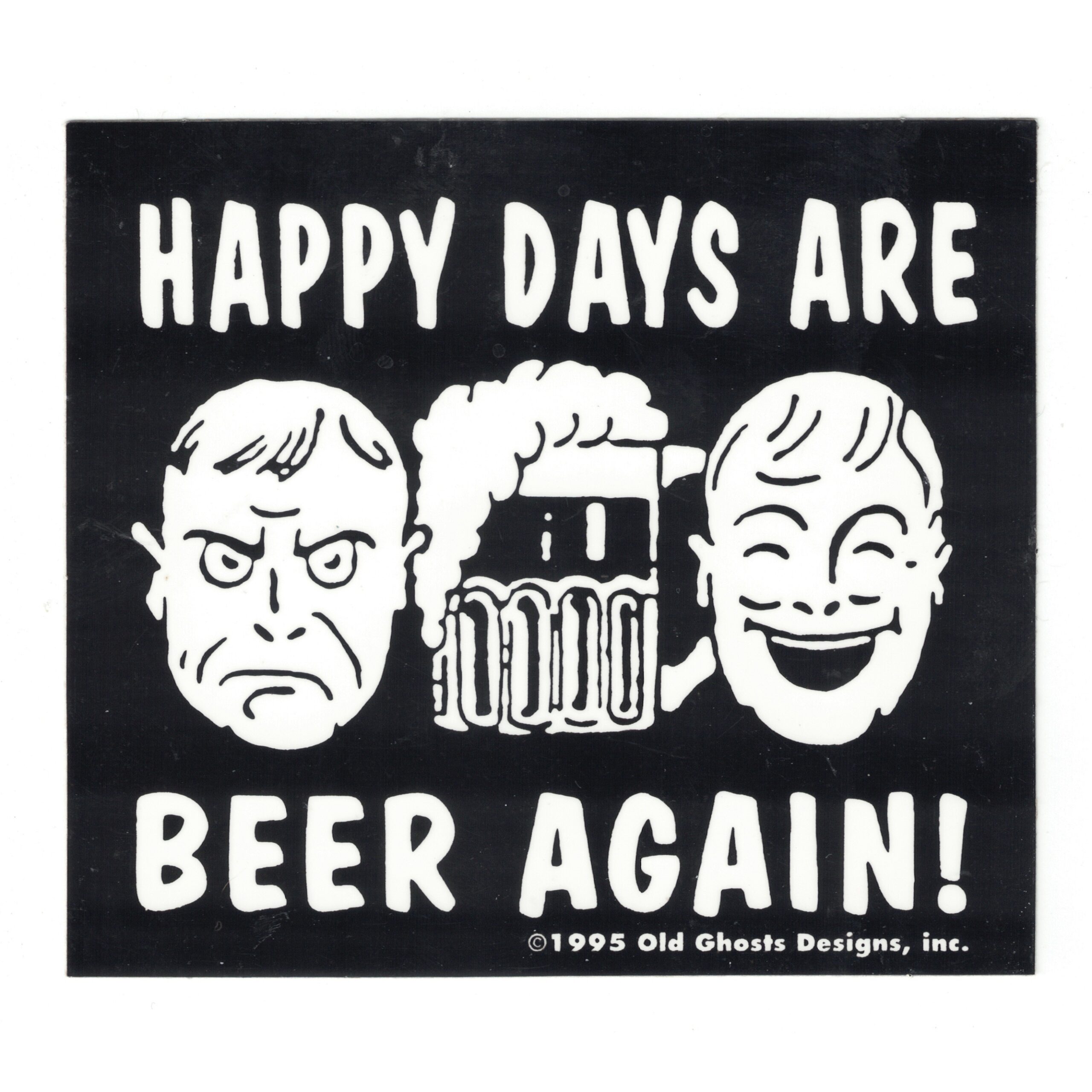
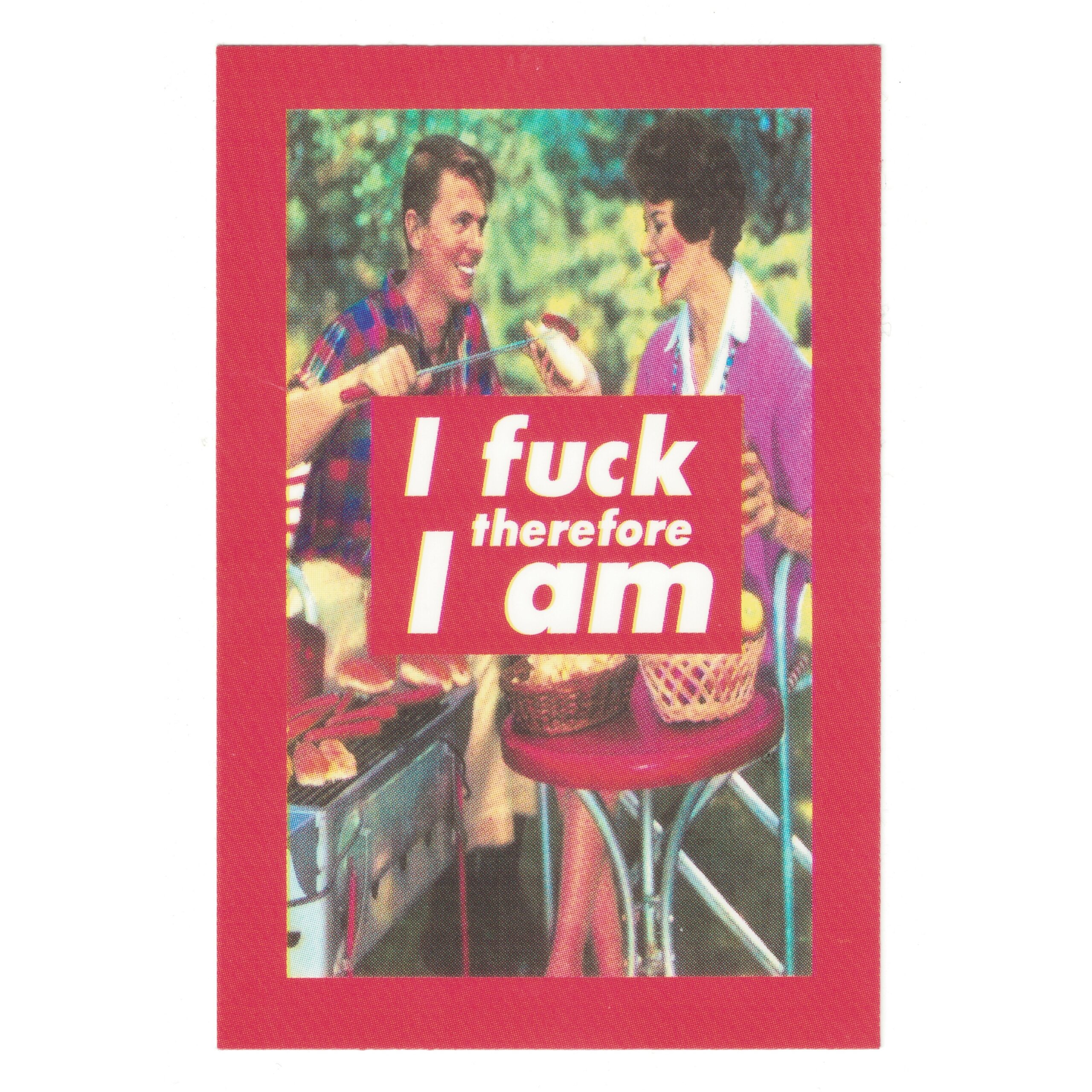
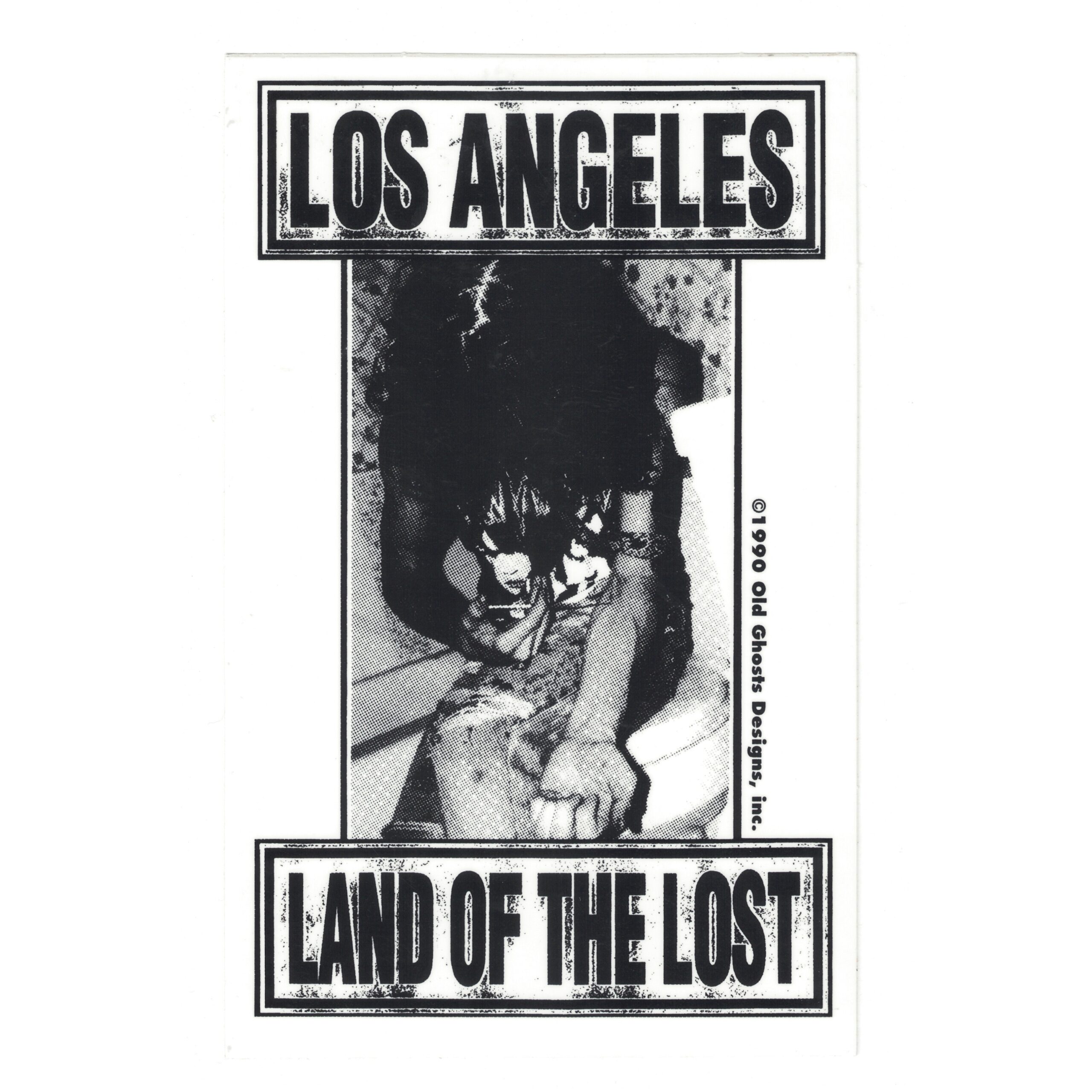









![Serial Killer I Heart Ectasy [sic]](https://cpx.art/wp-content/uploads/2023/01/SKIHeartEctasy-scaled.jpg "Serial Killer I Heart Ectasy [sic]")