Posted on

Pat Ryan & Dave Sheridan Art

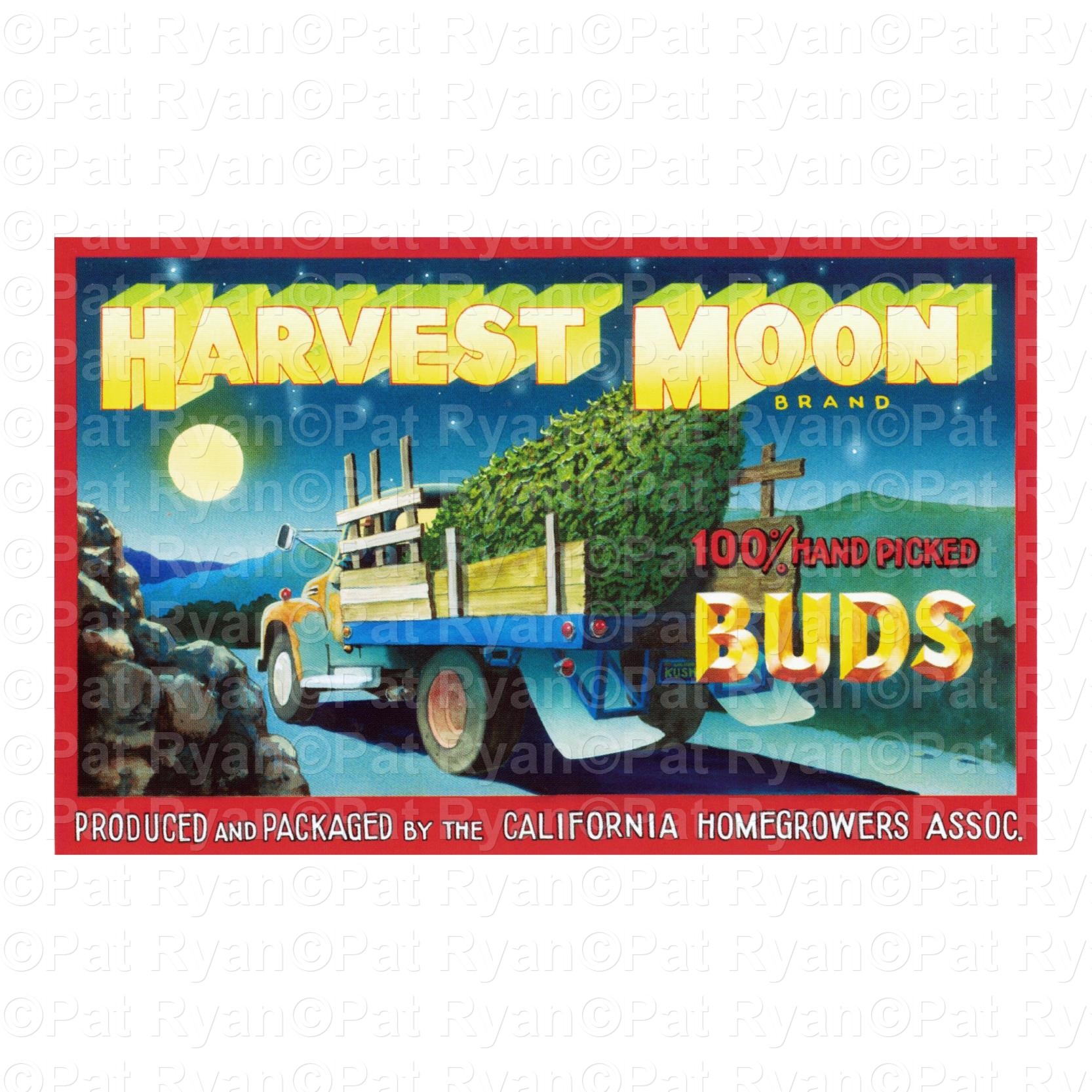
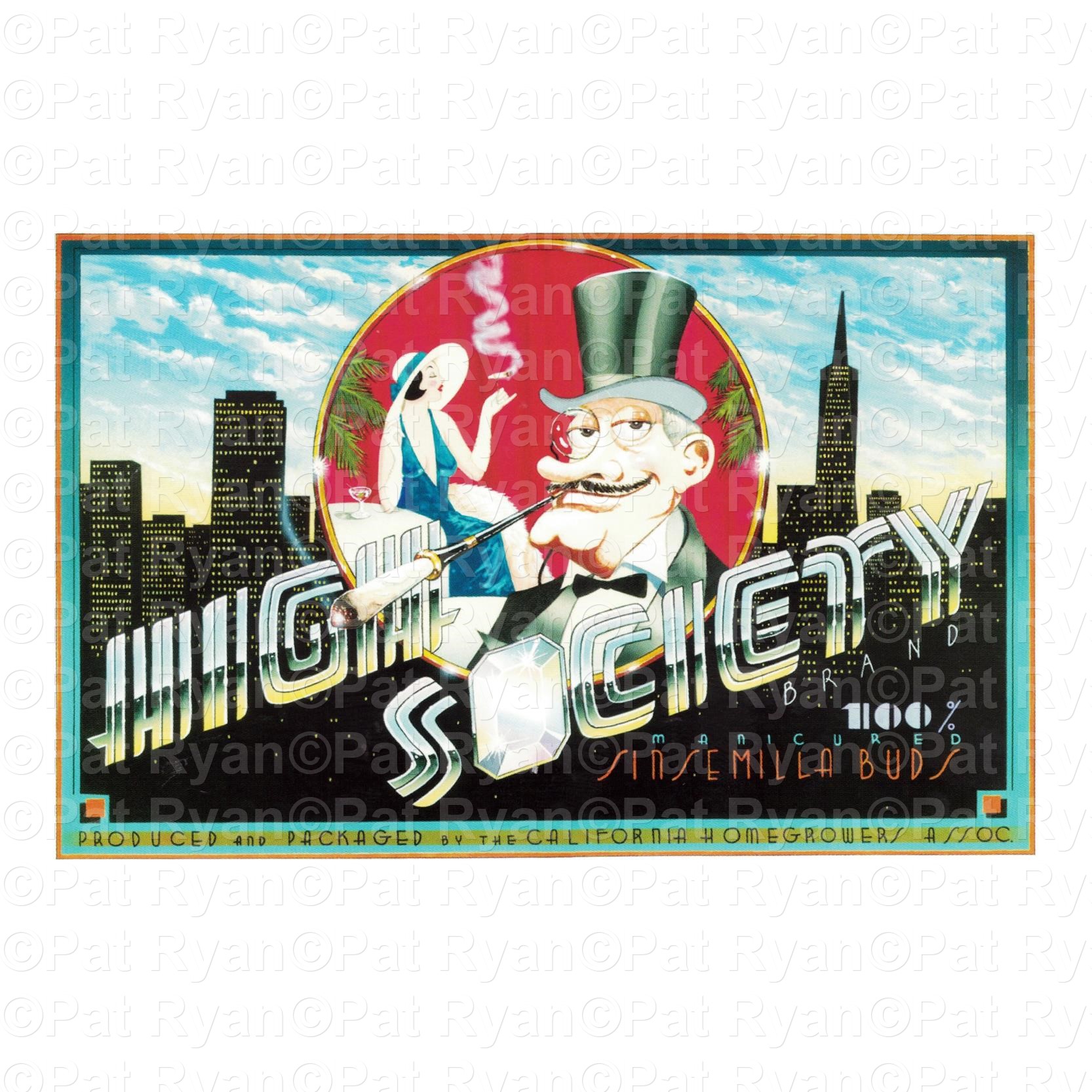
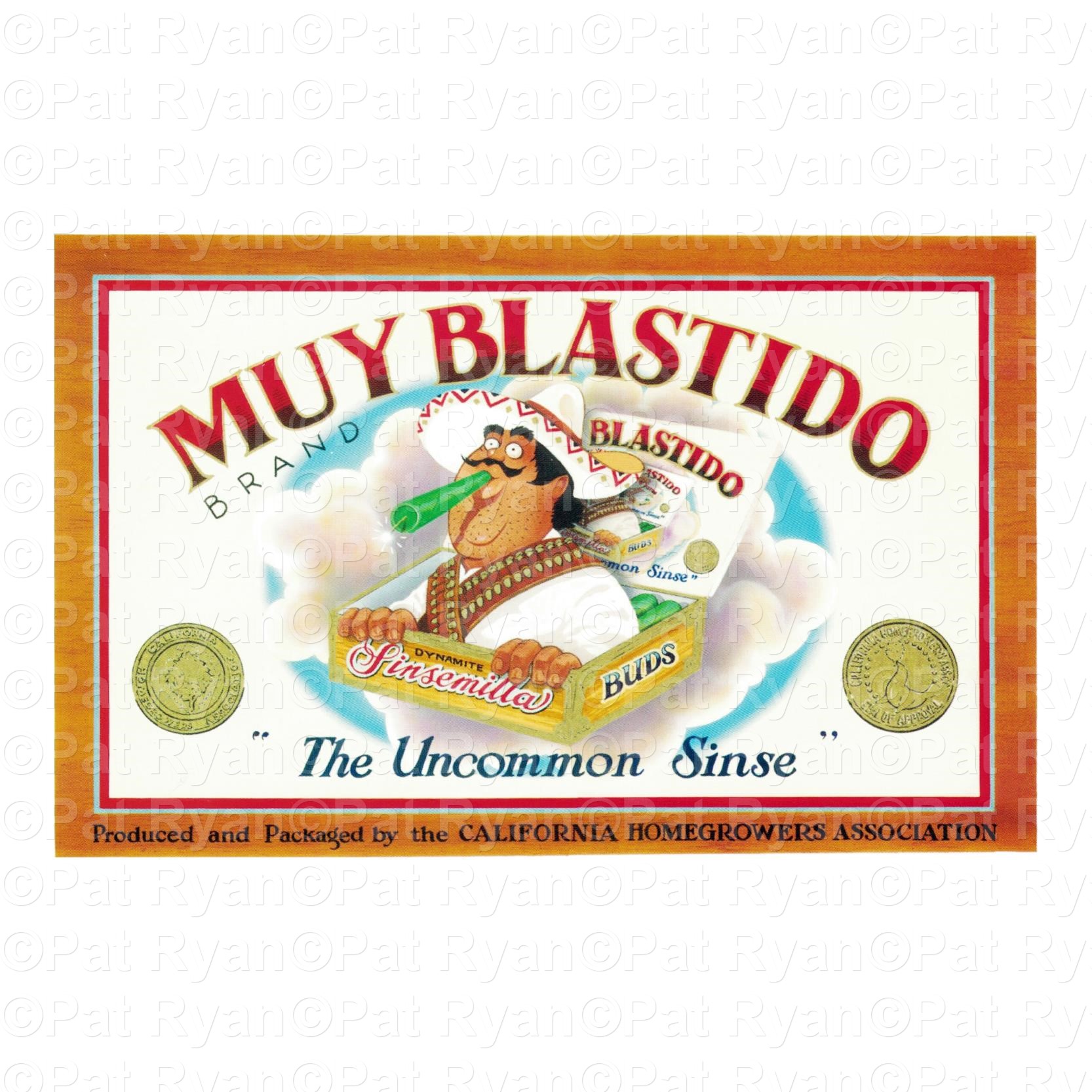
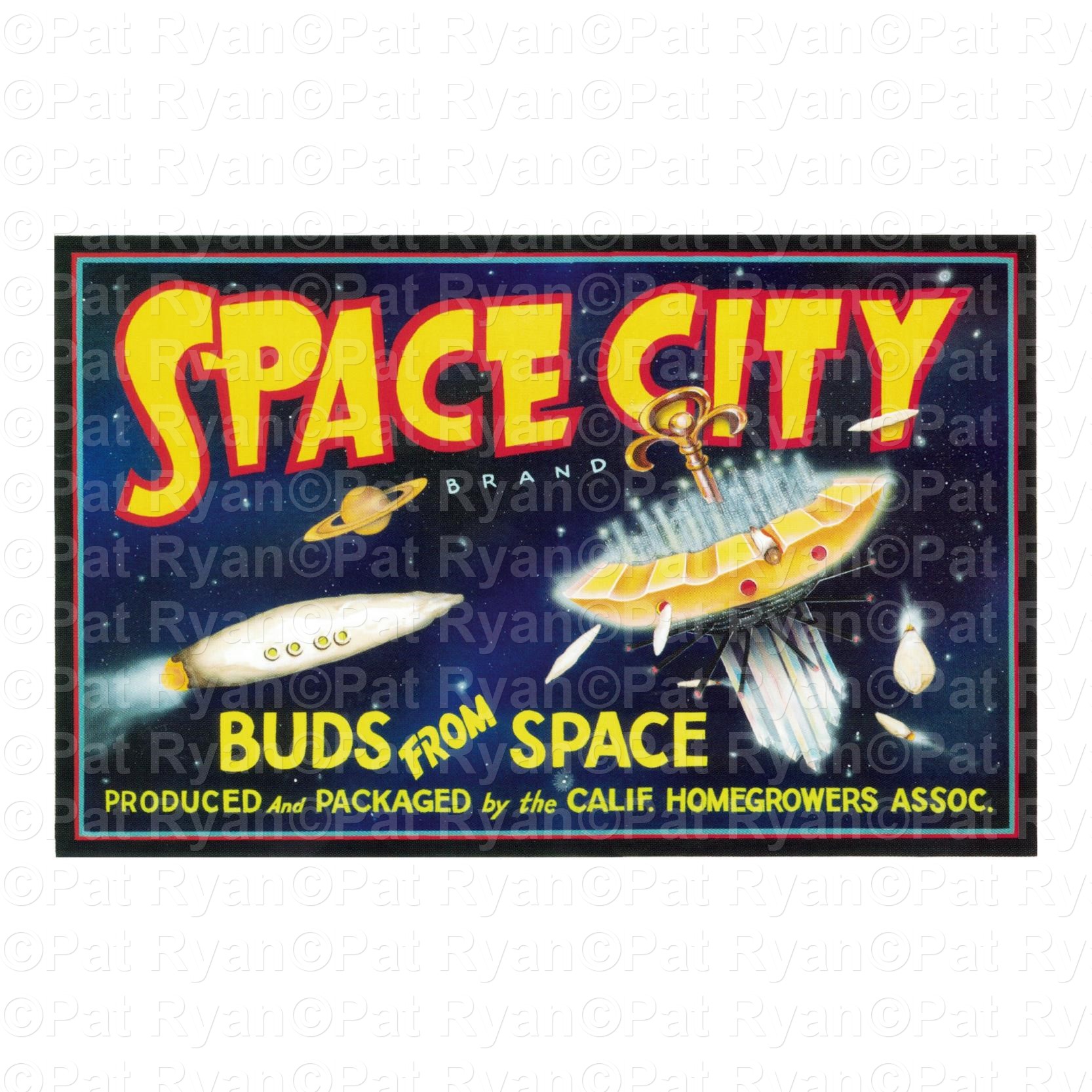
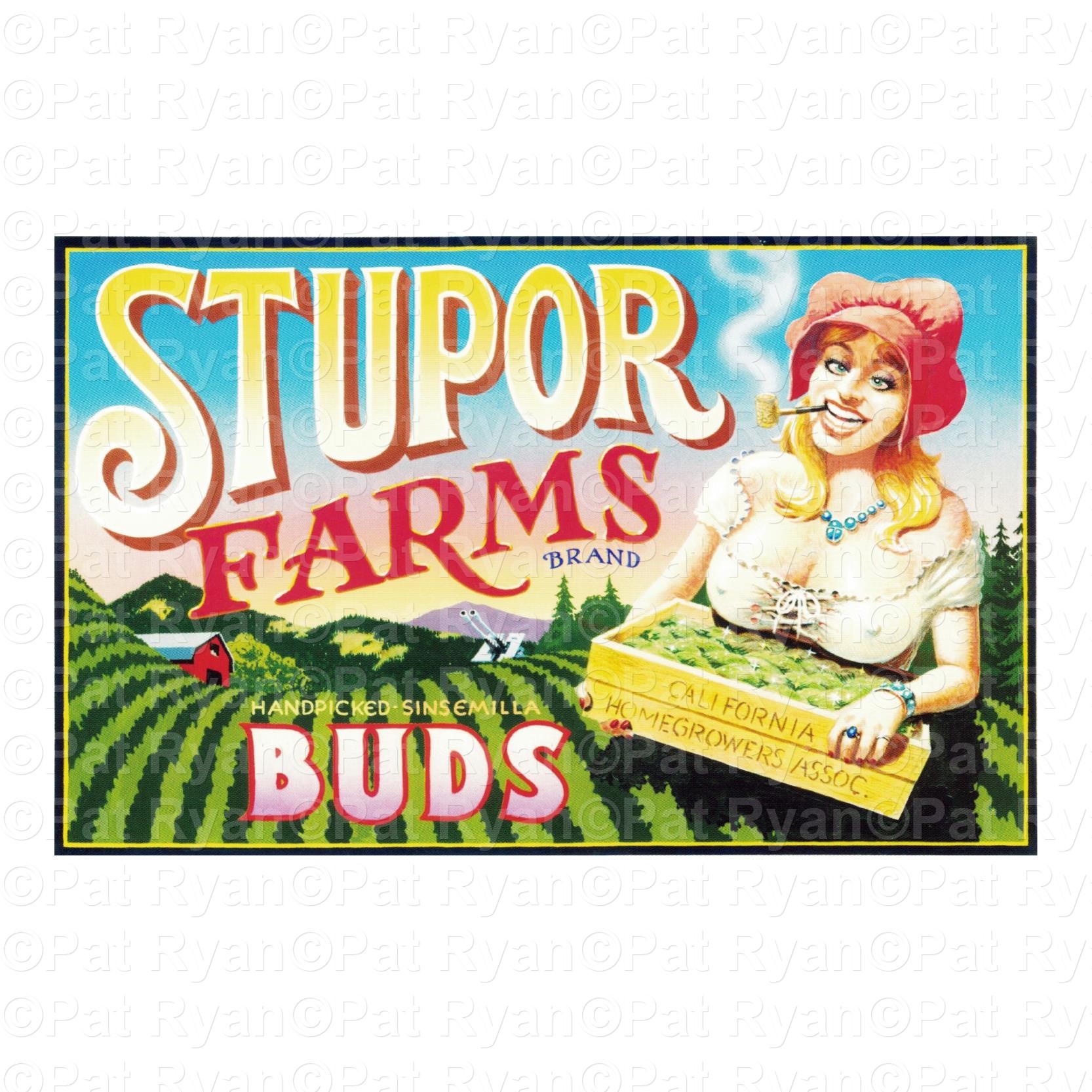
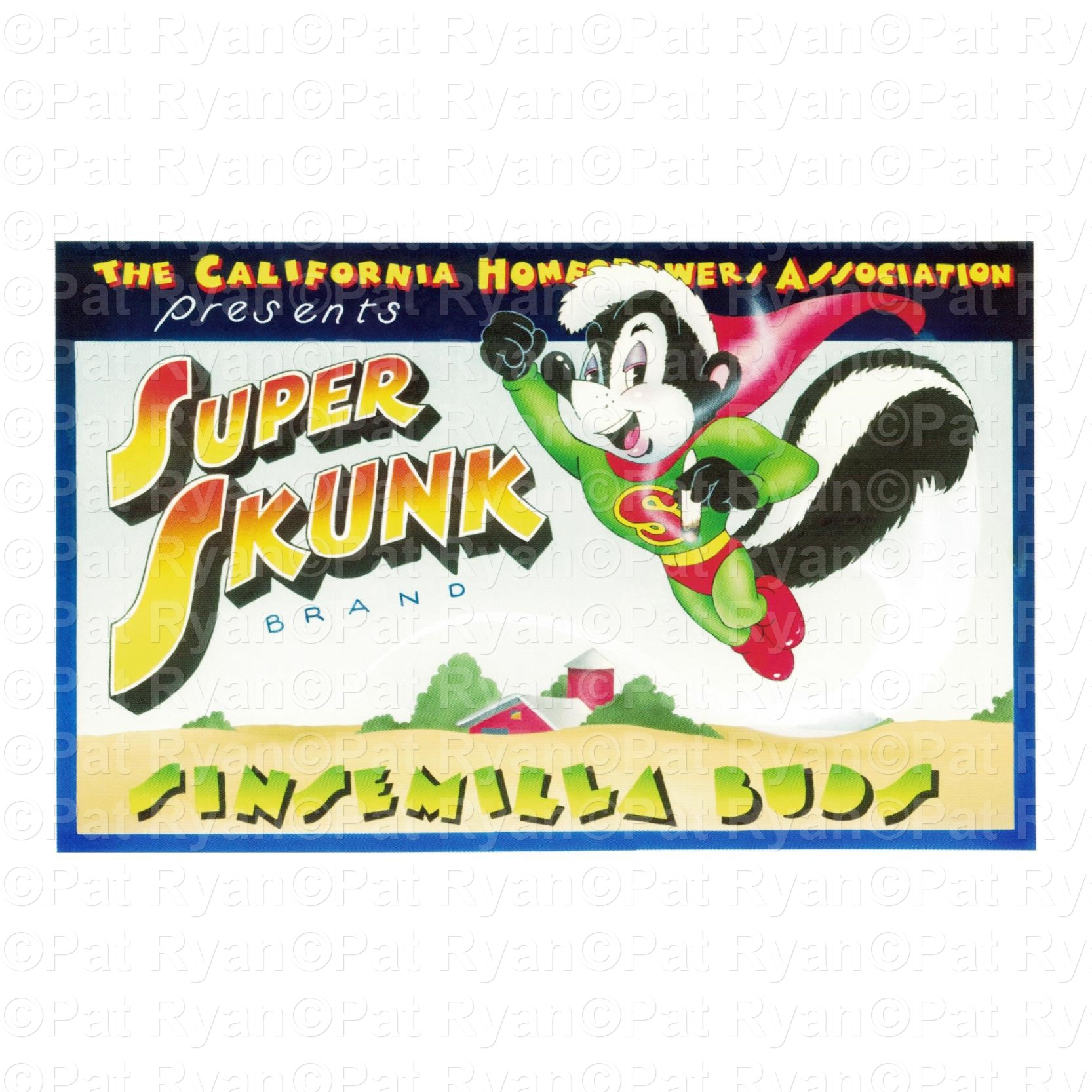
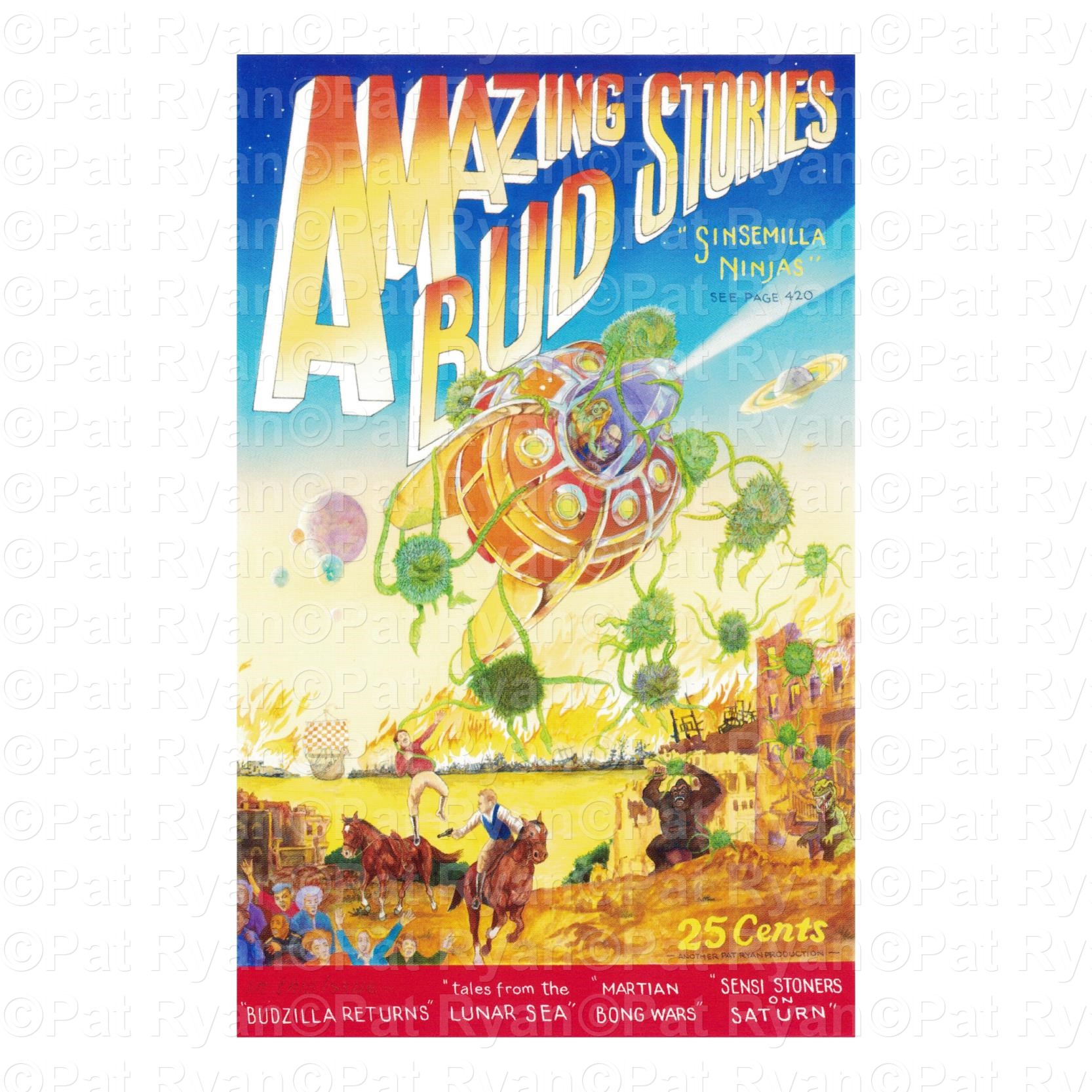
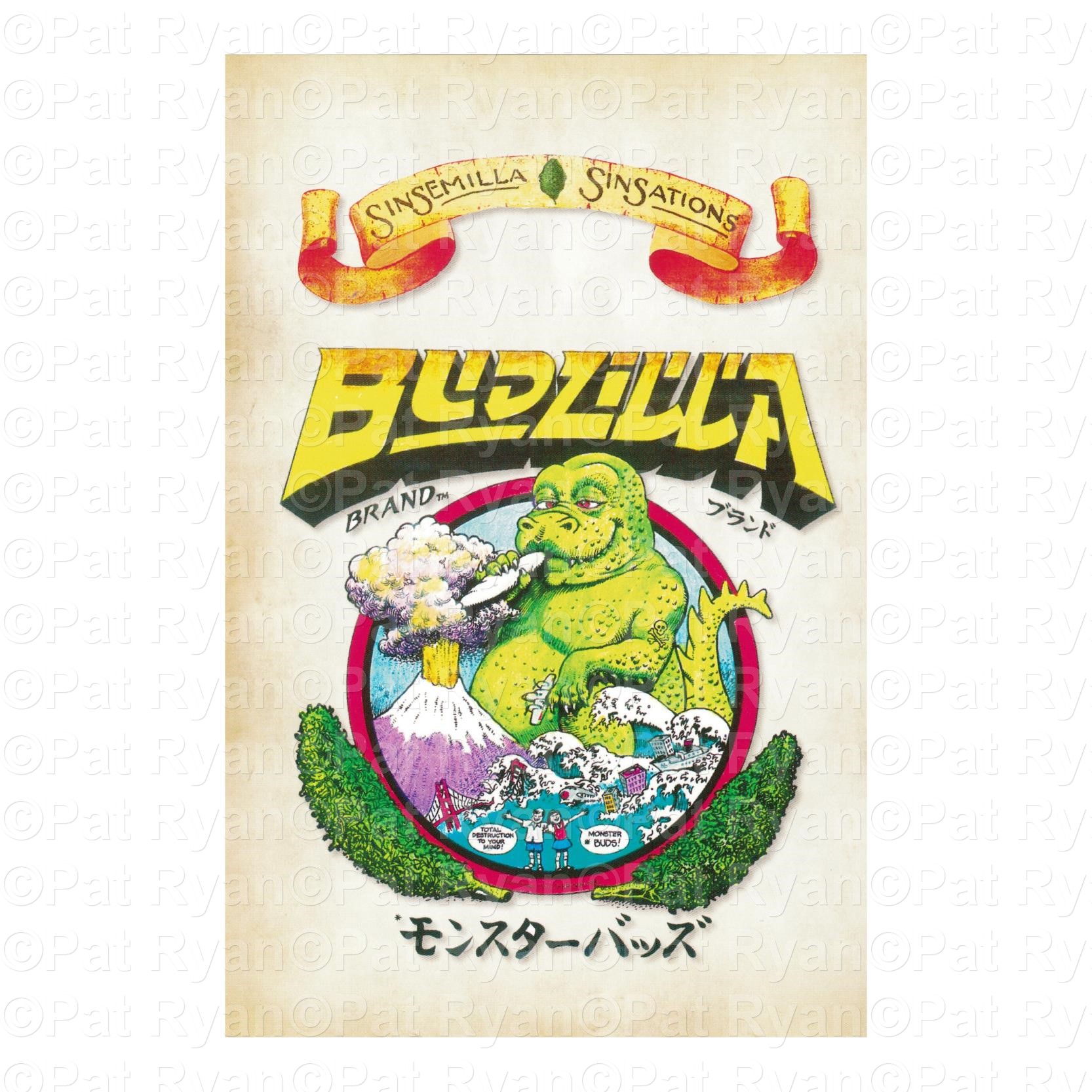
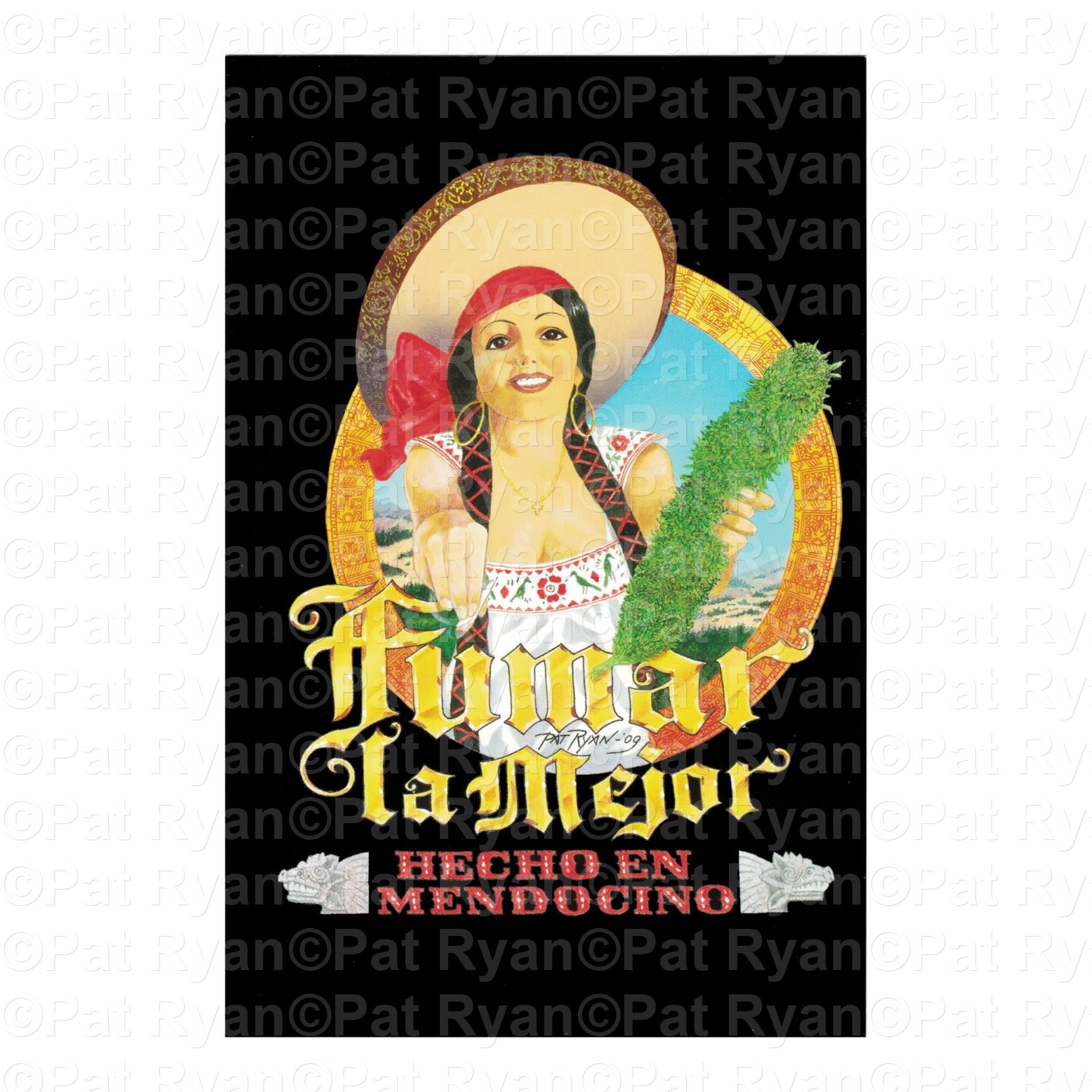
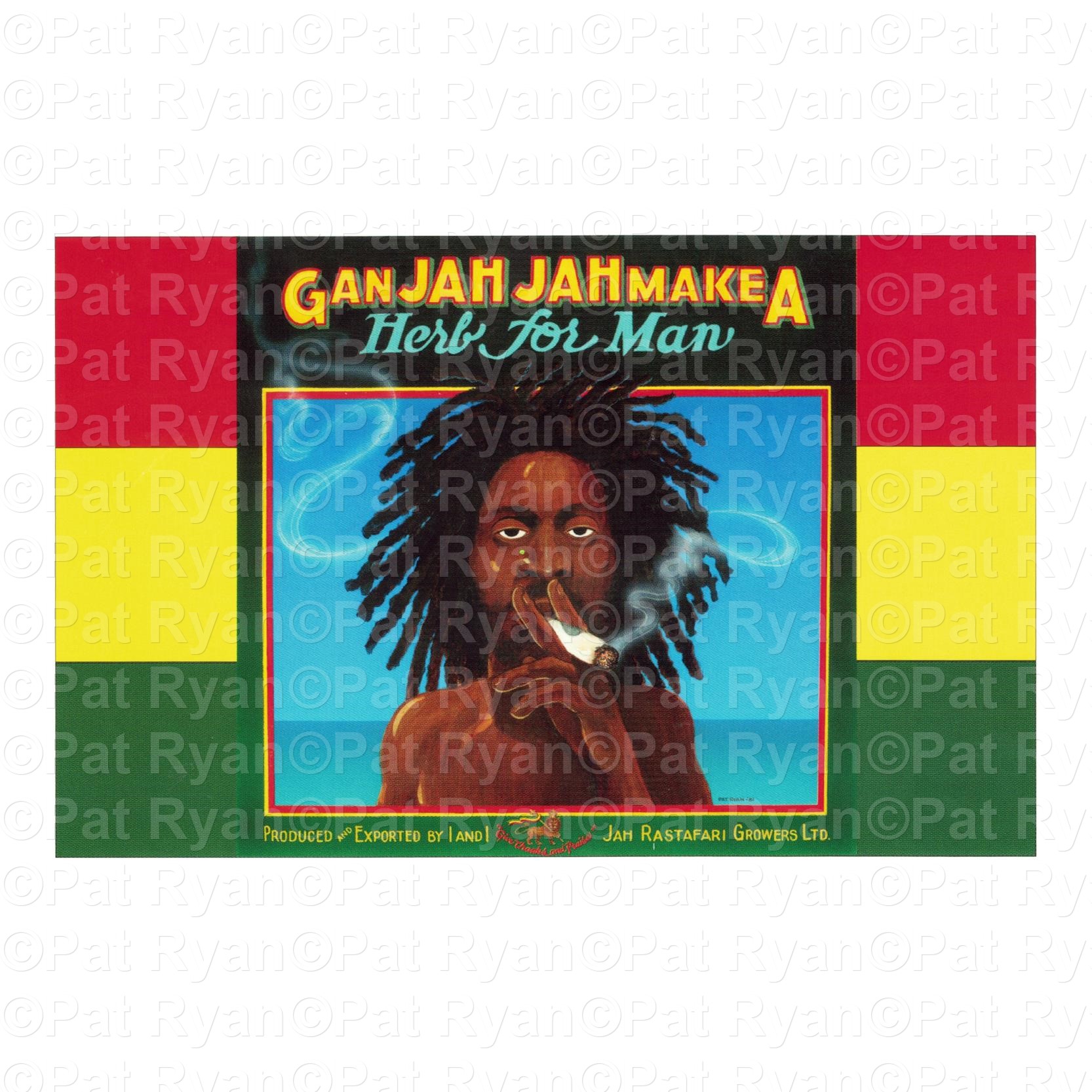
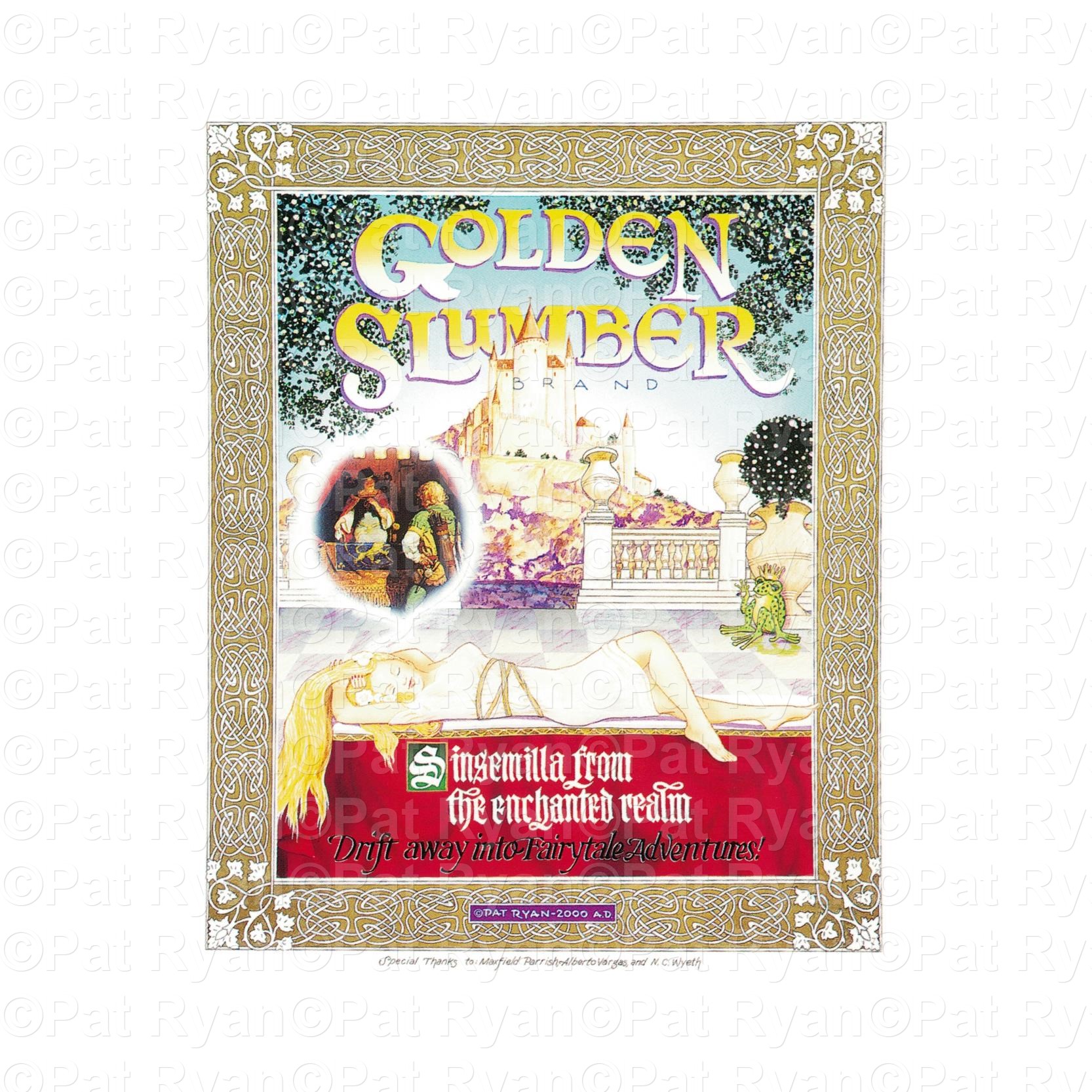
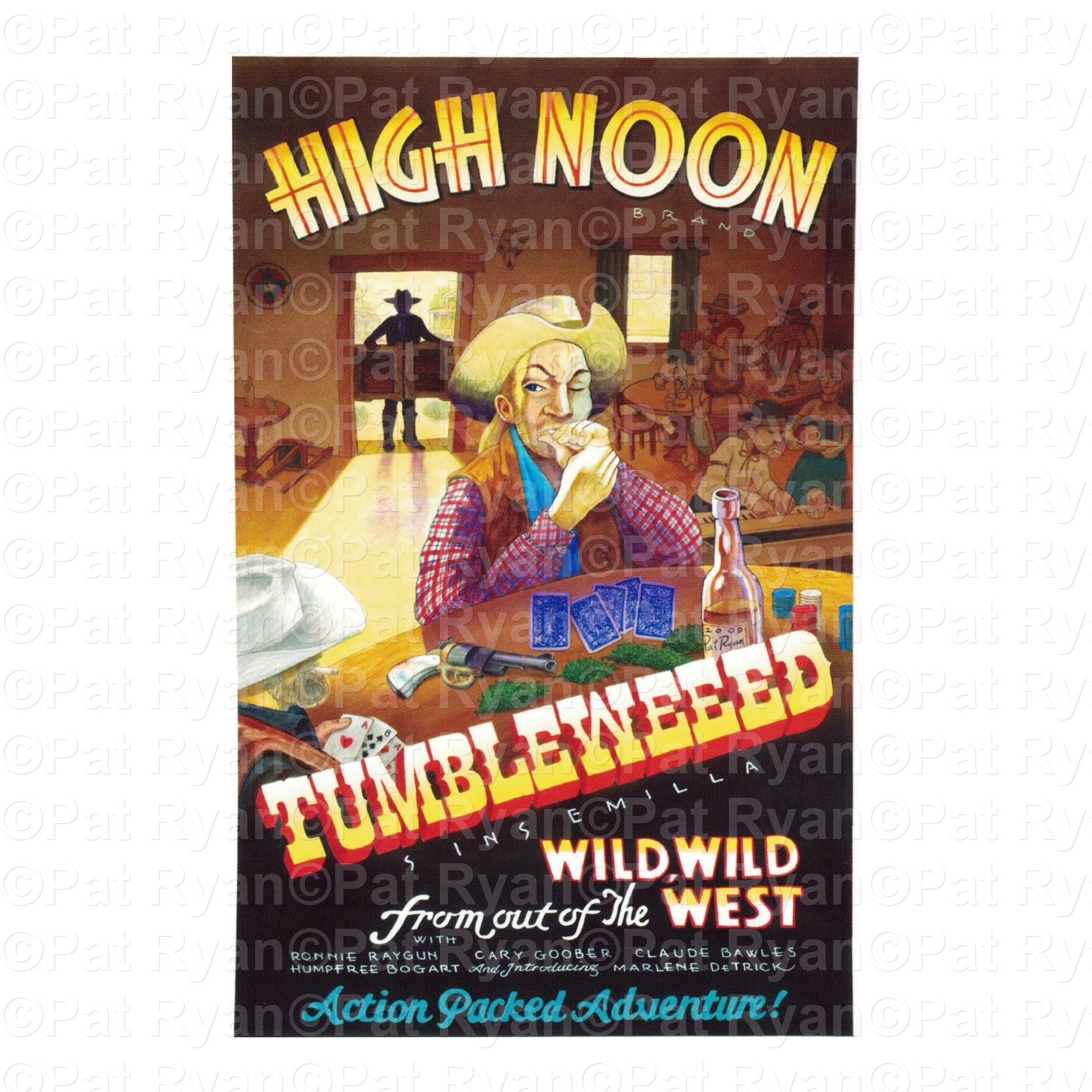
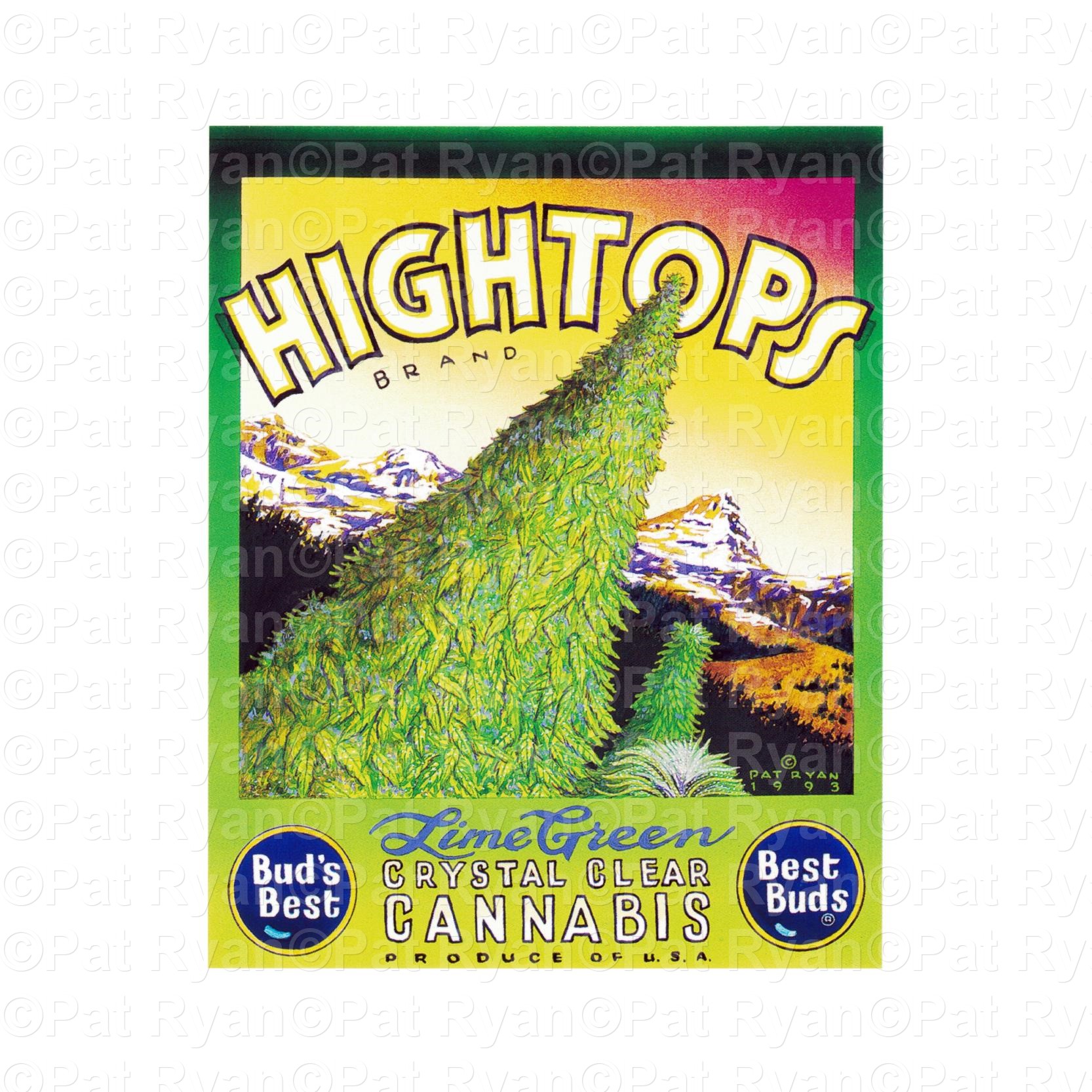
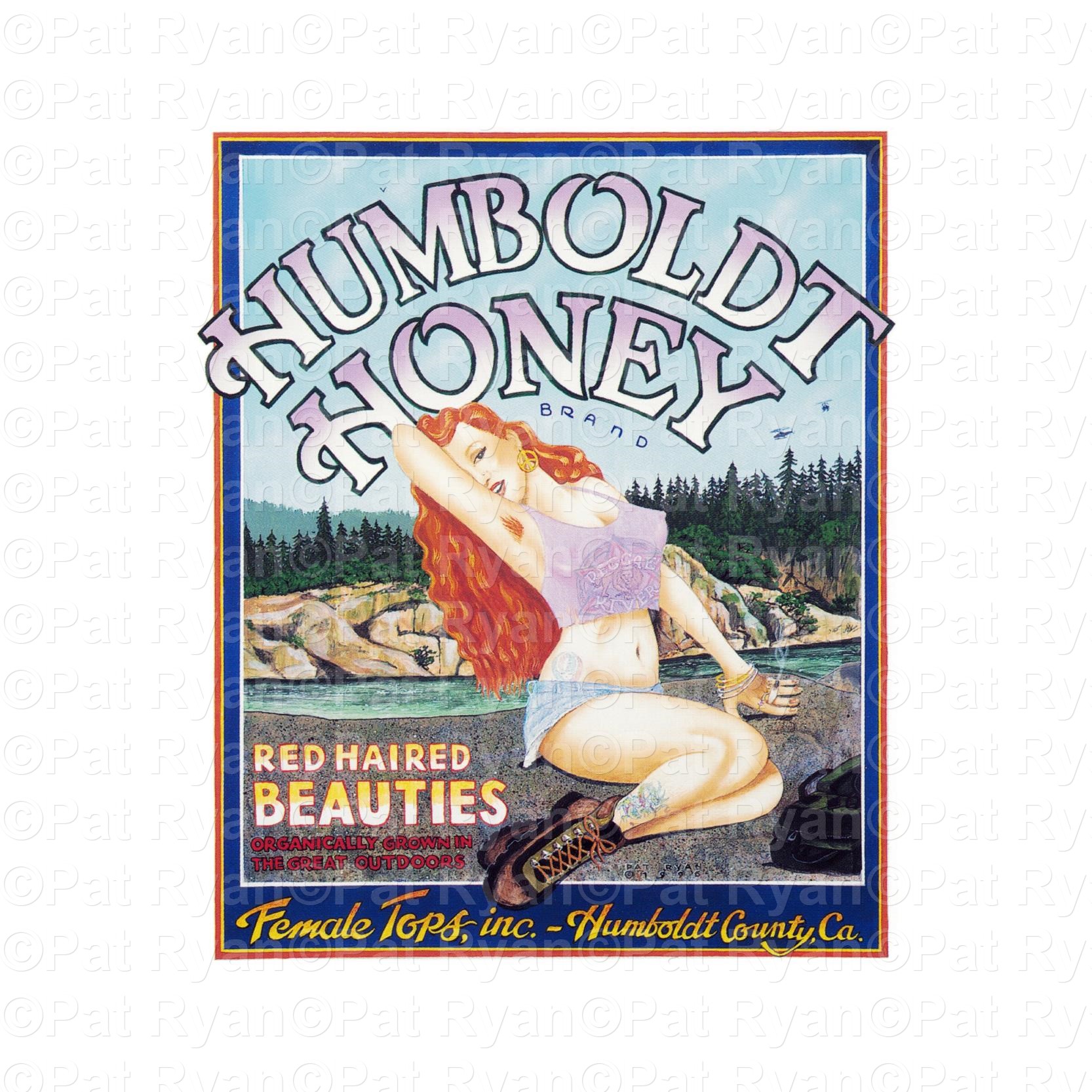
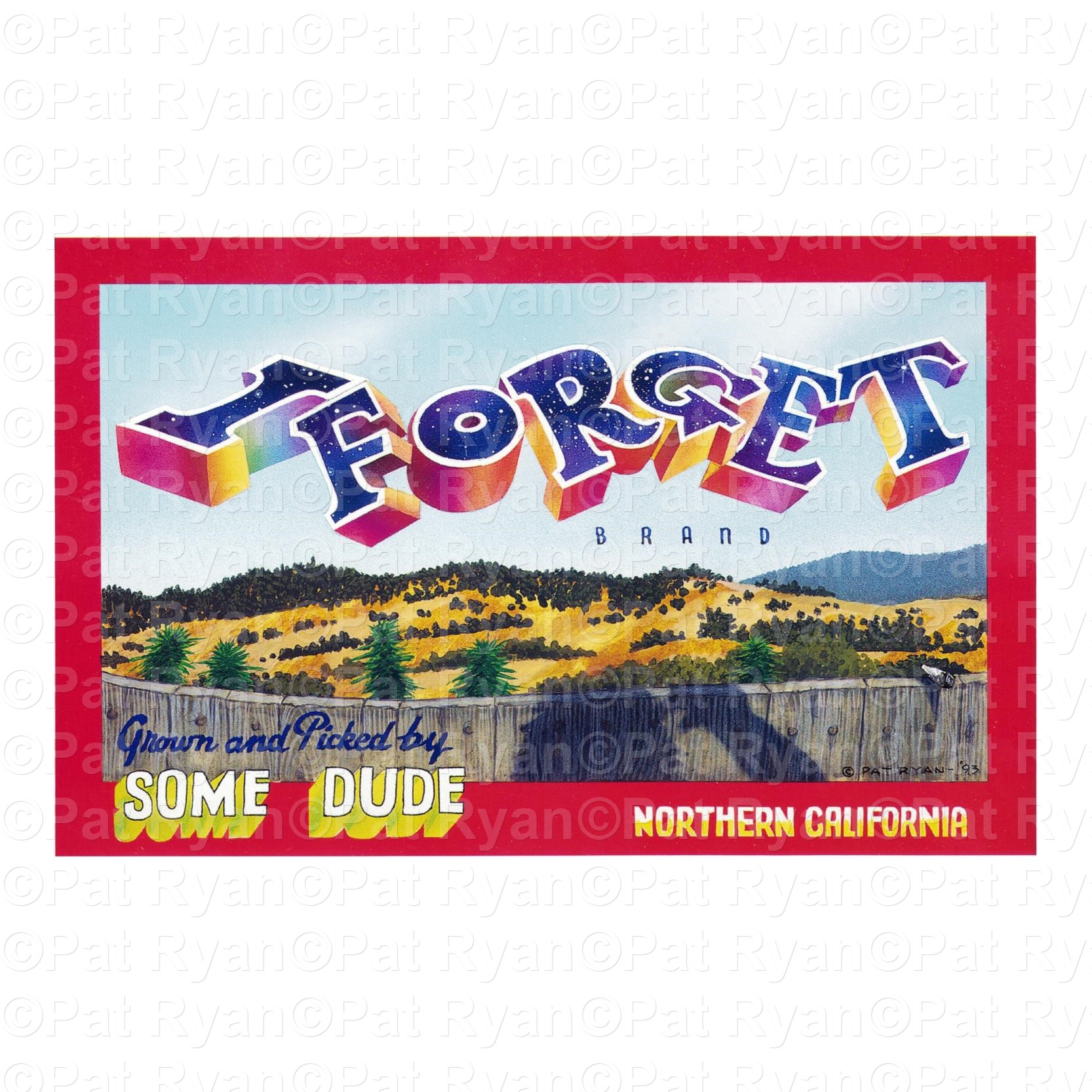
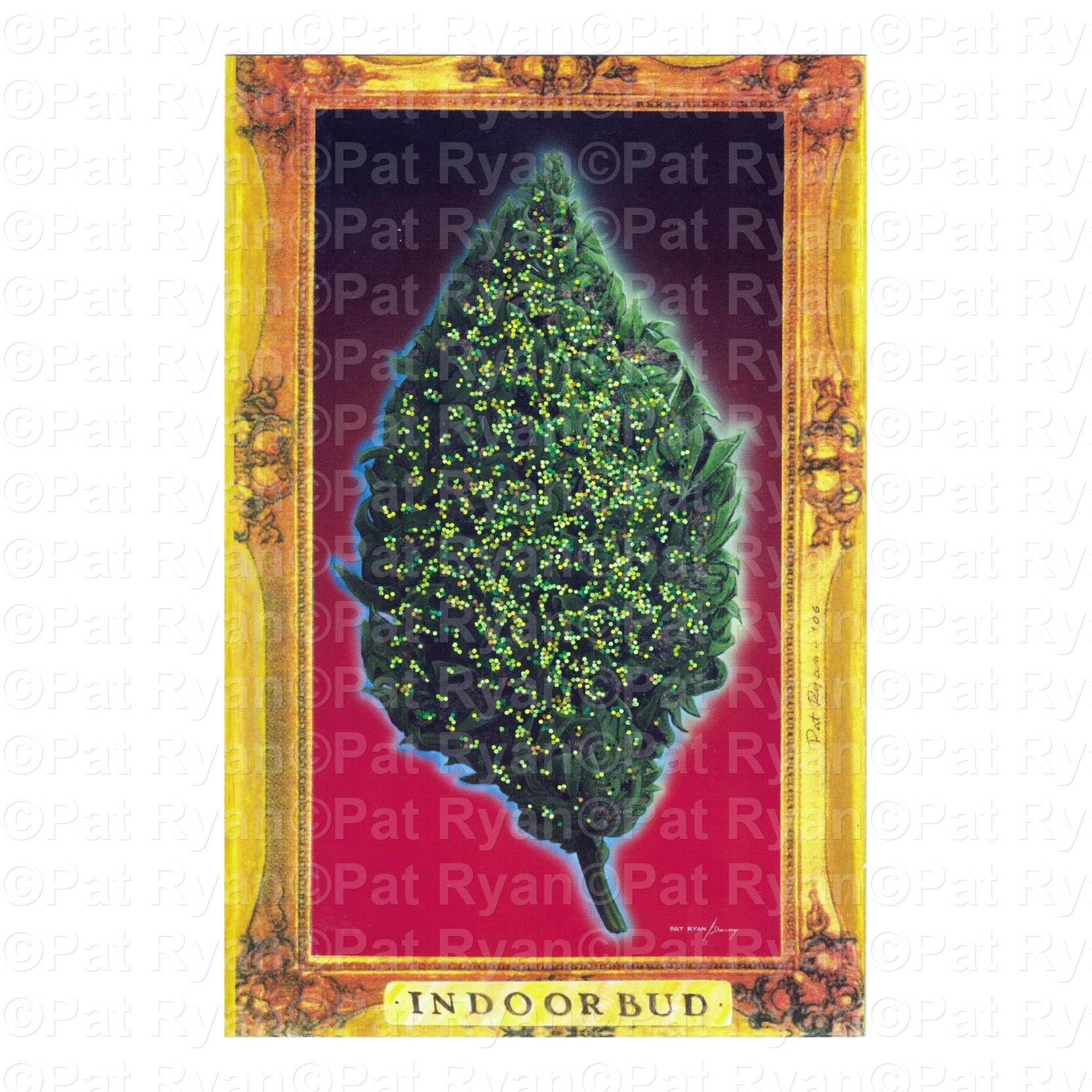
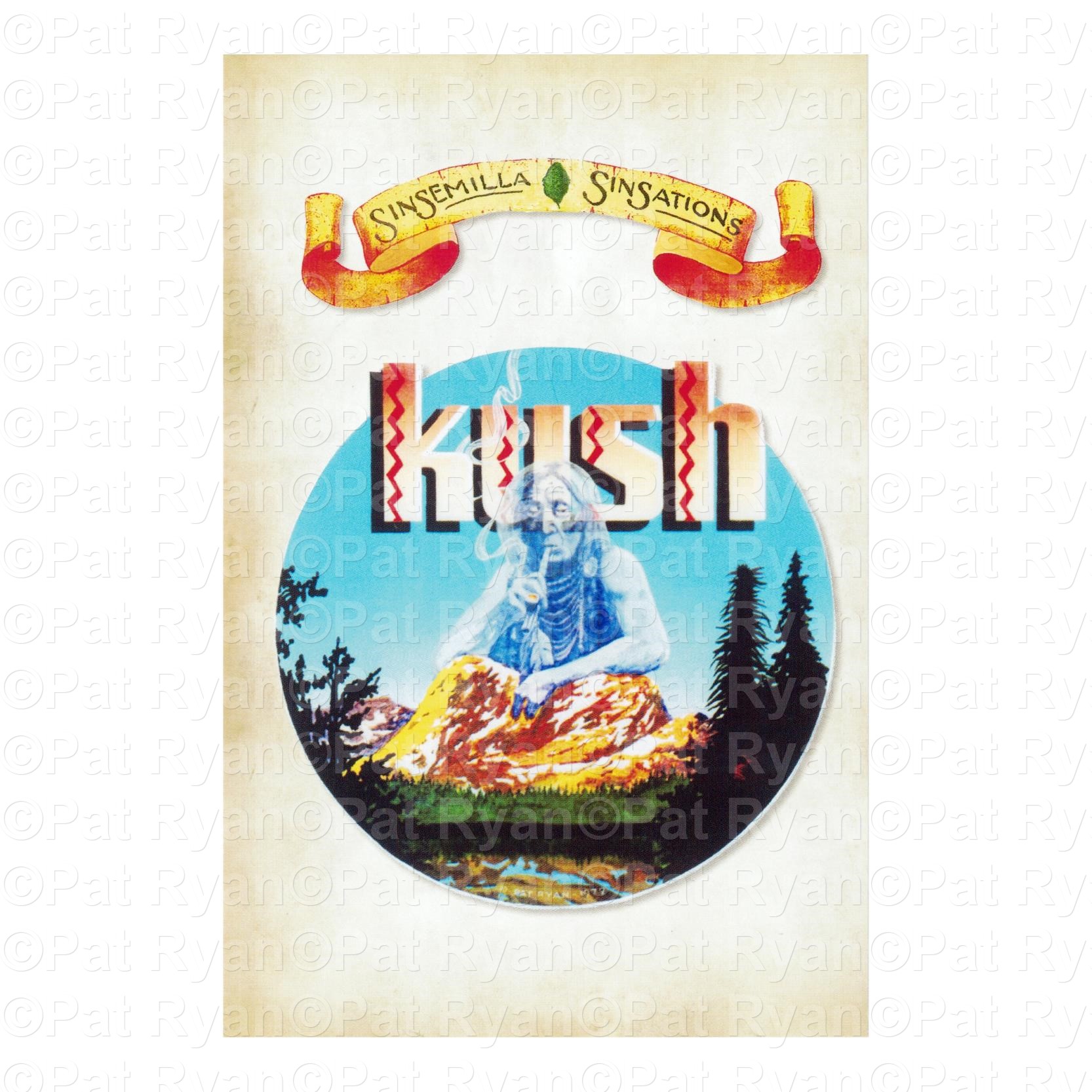
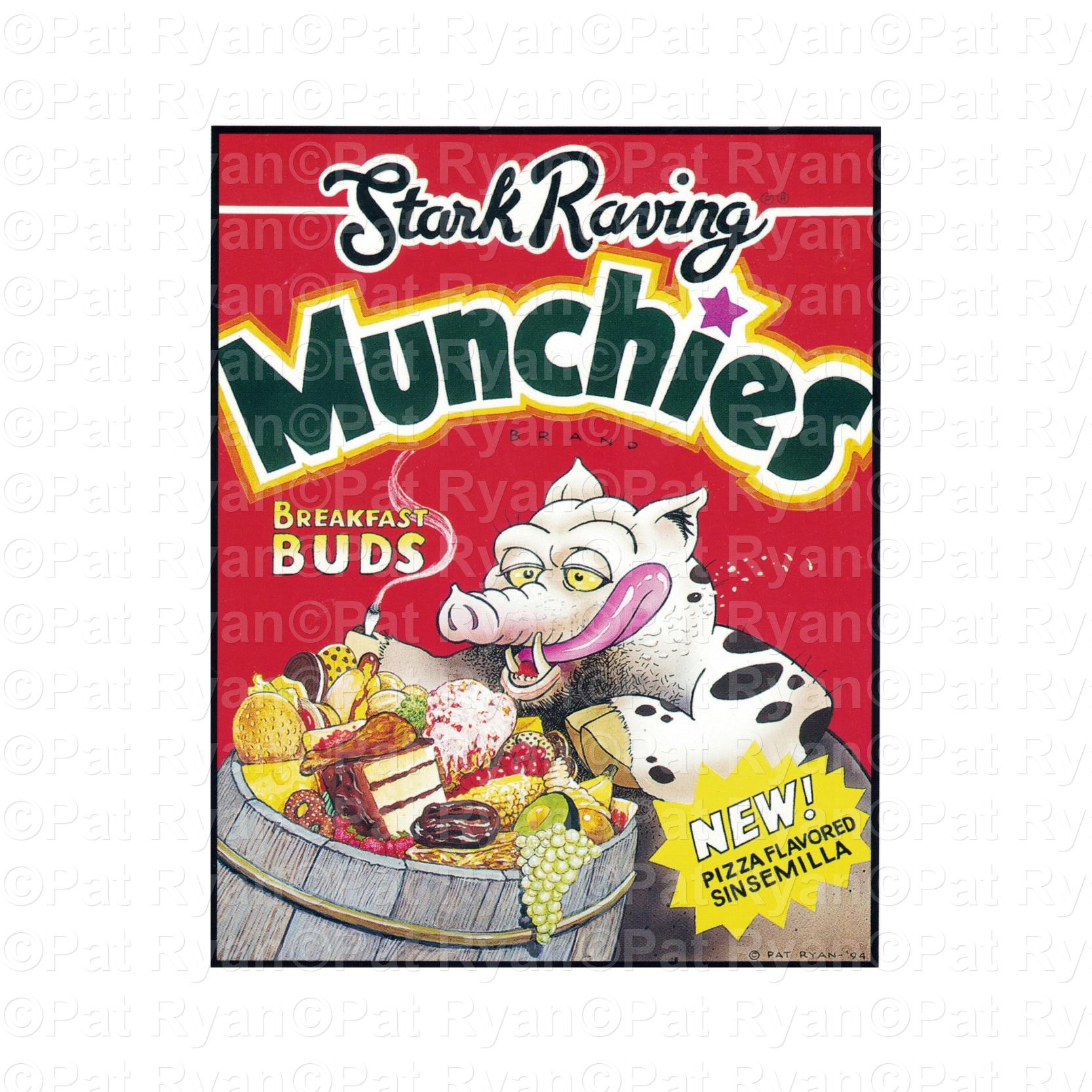
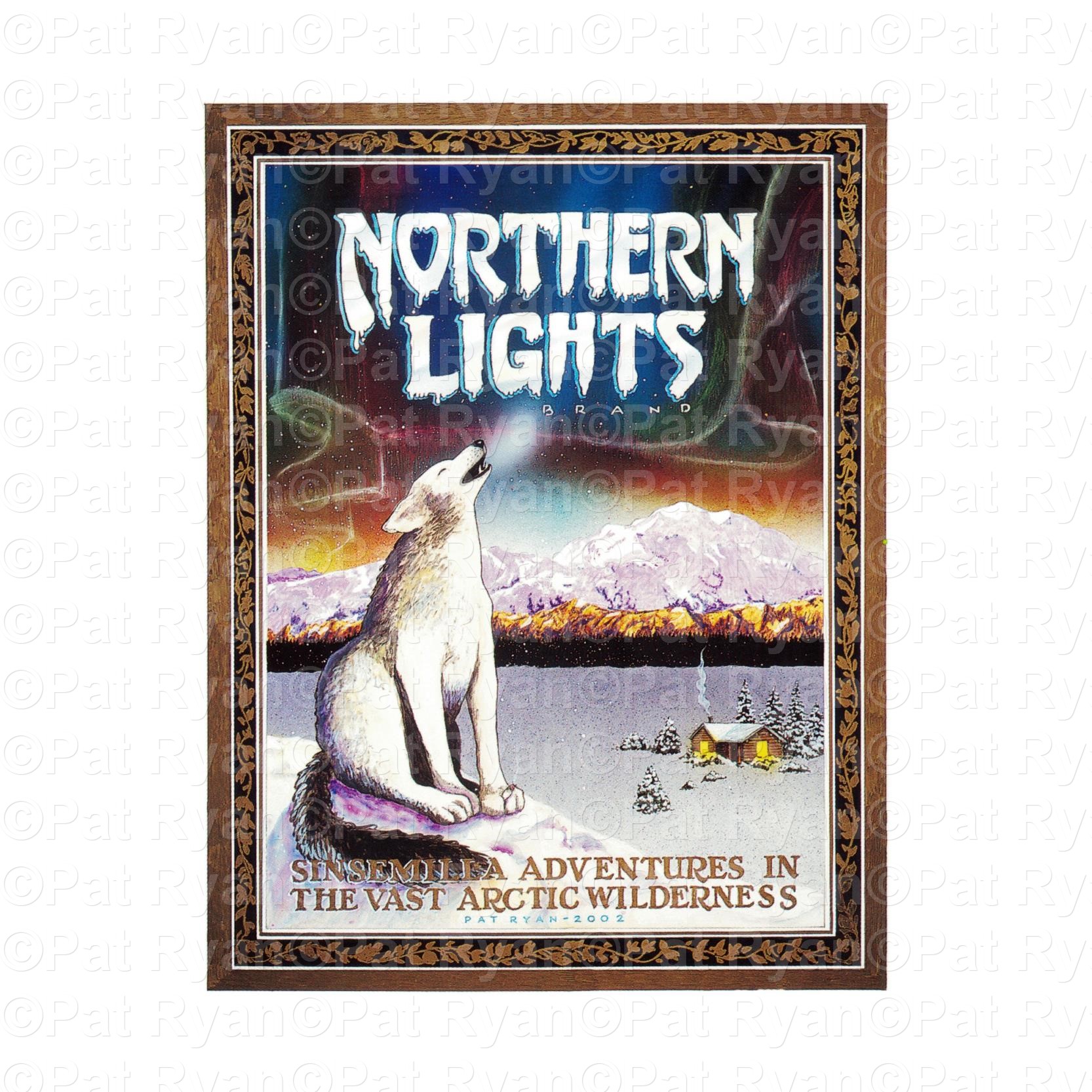
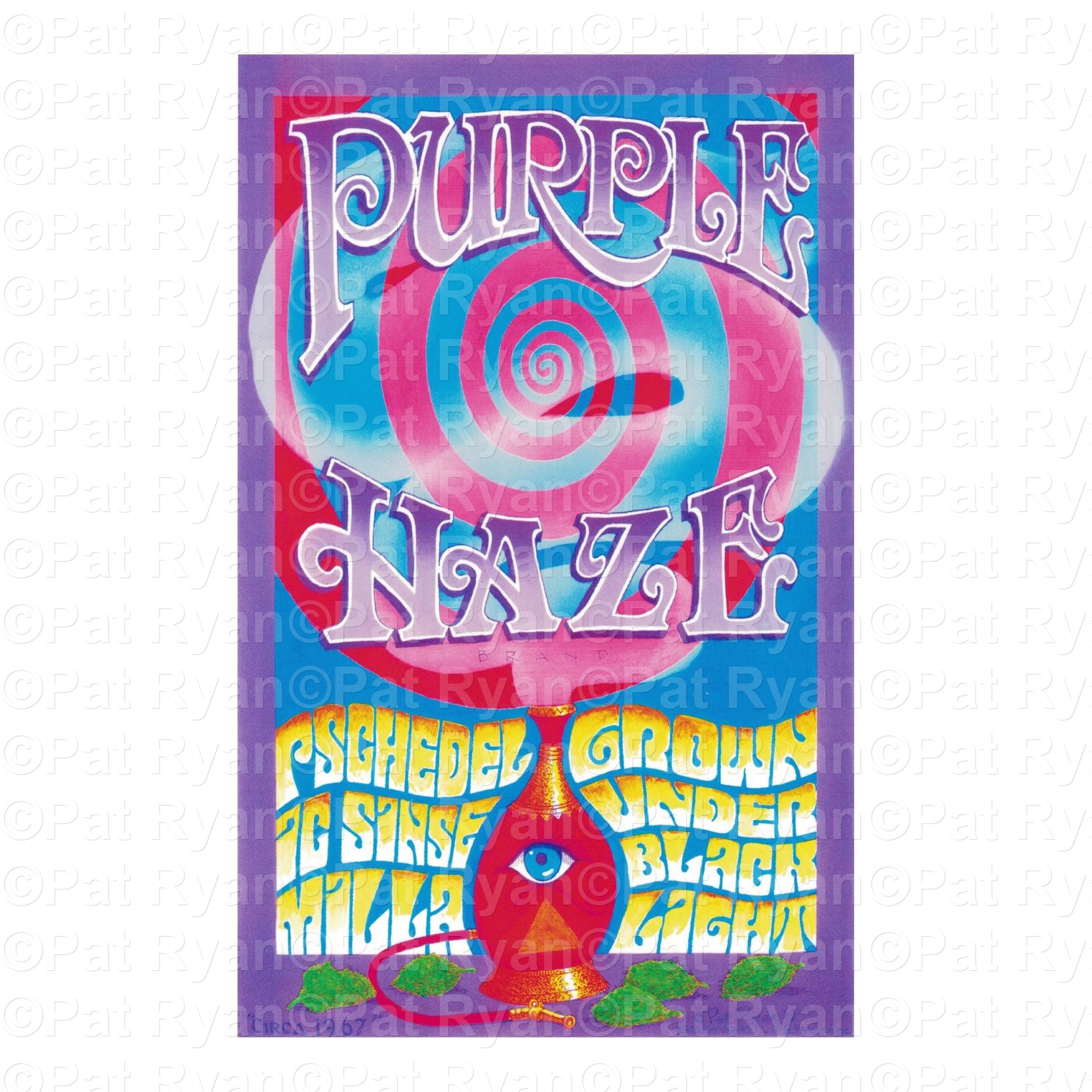
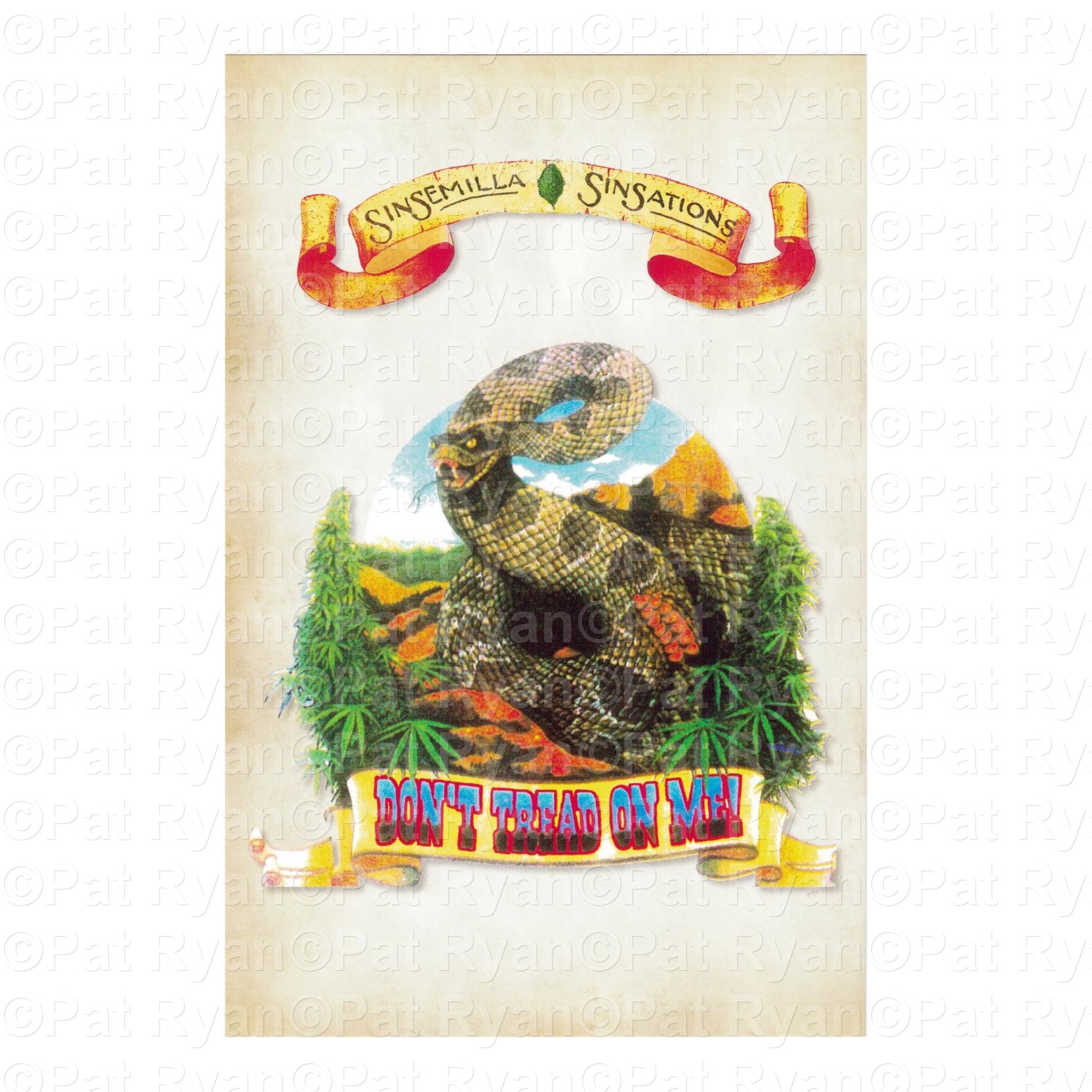
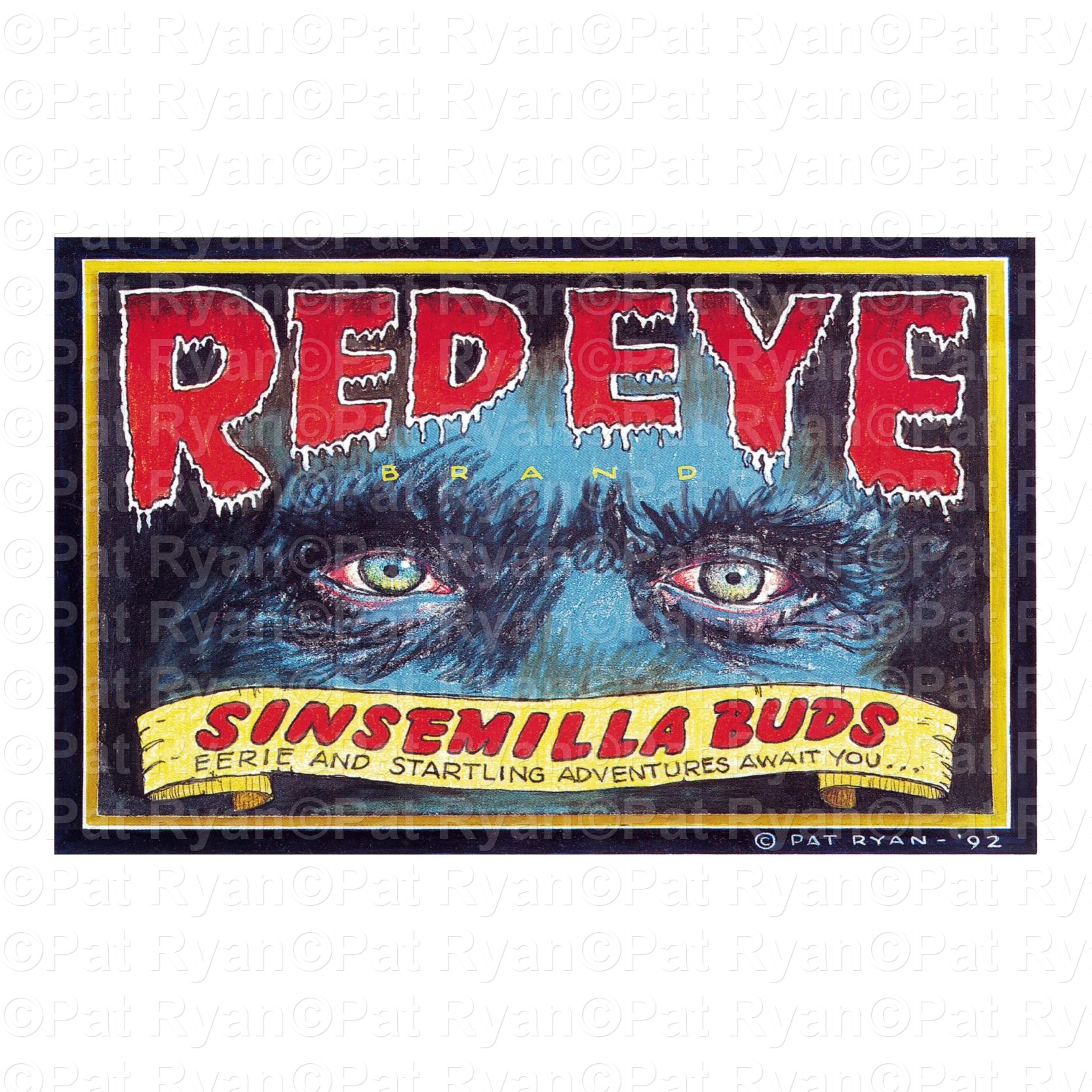
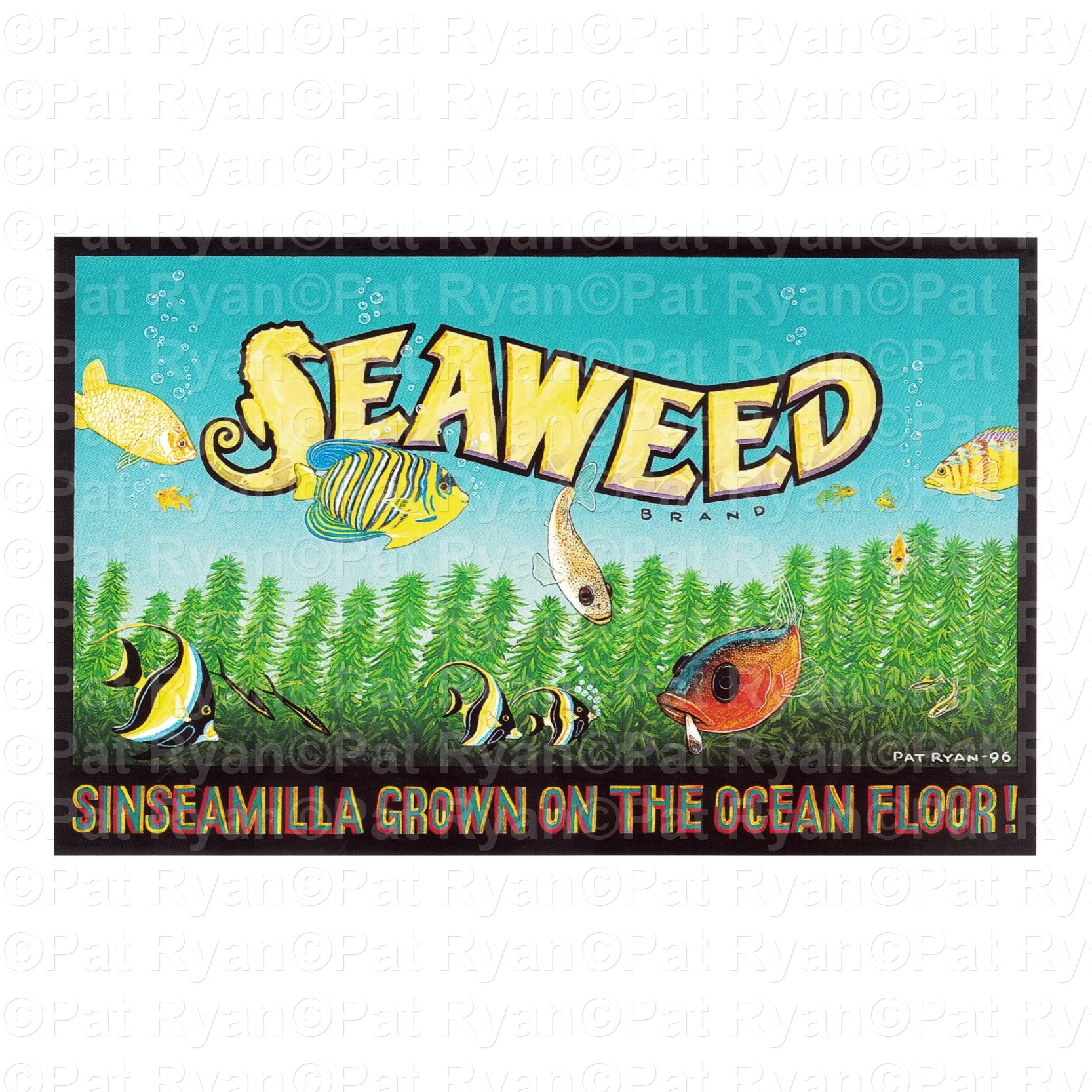
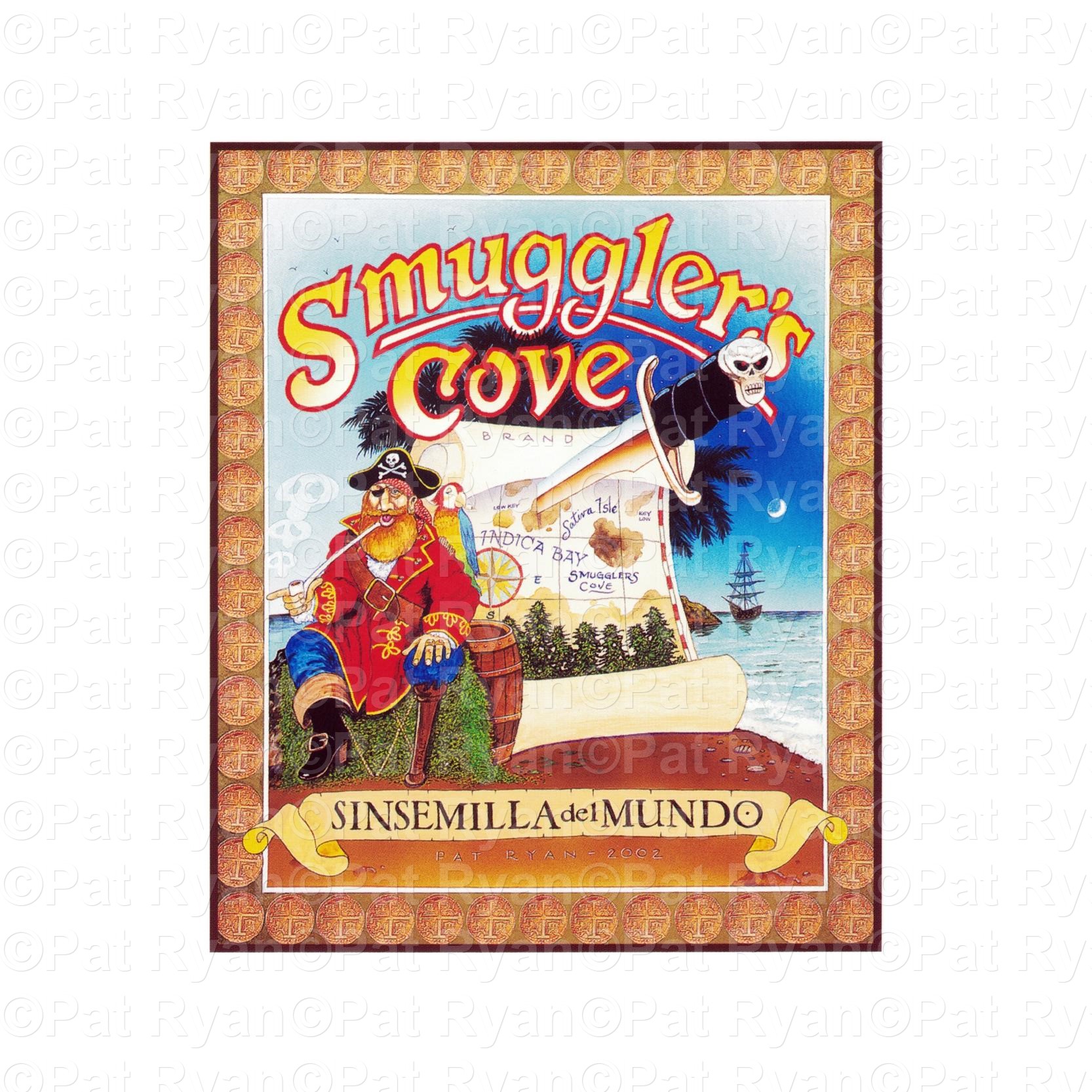
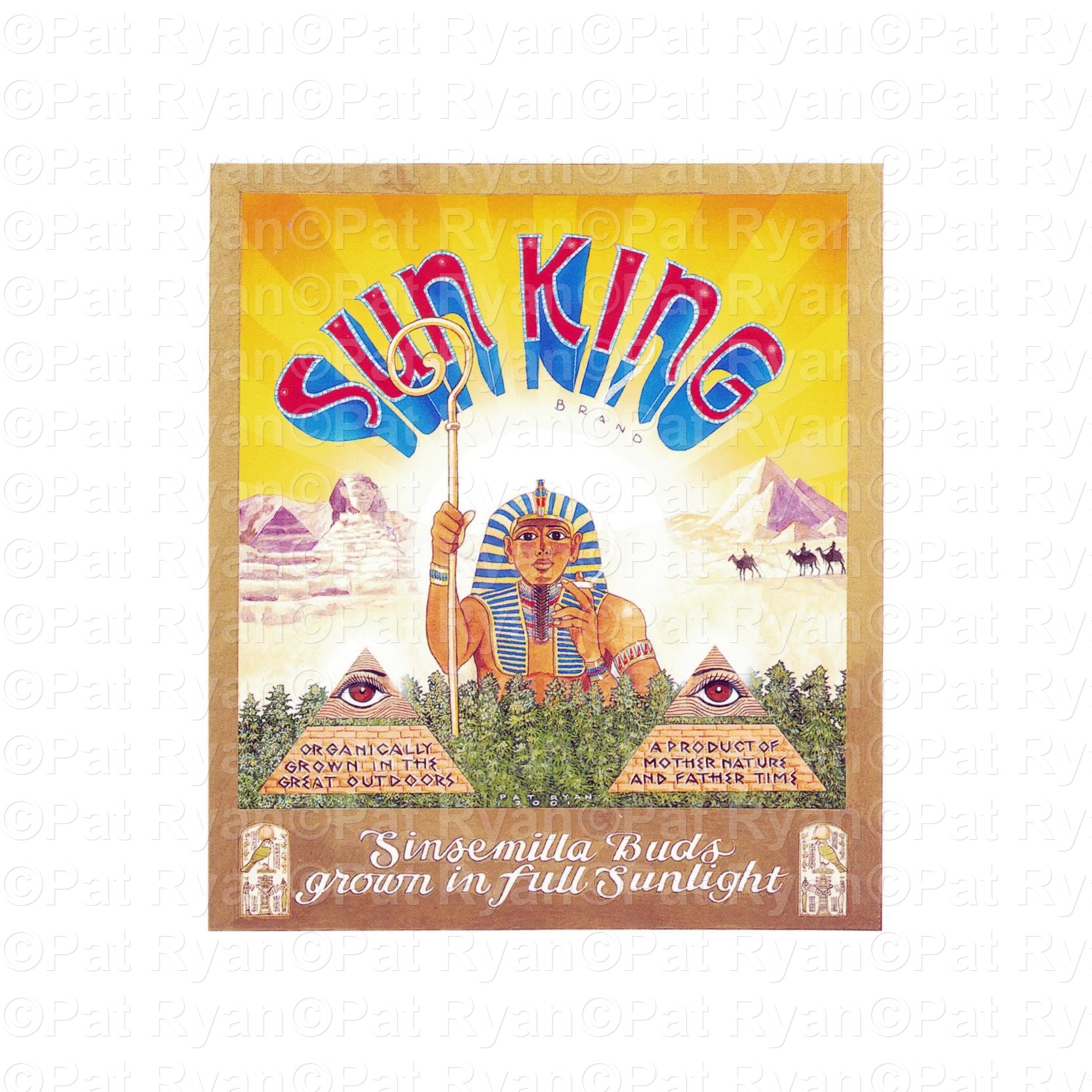
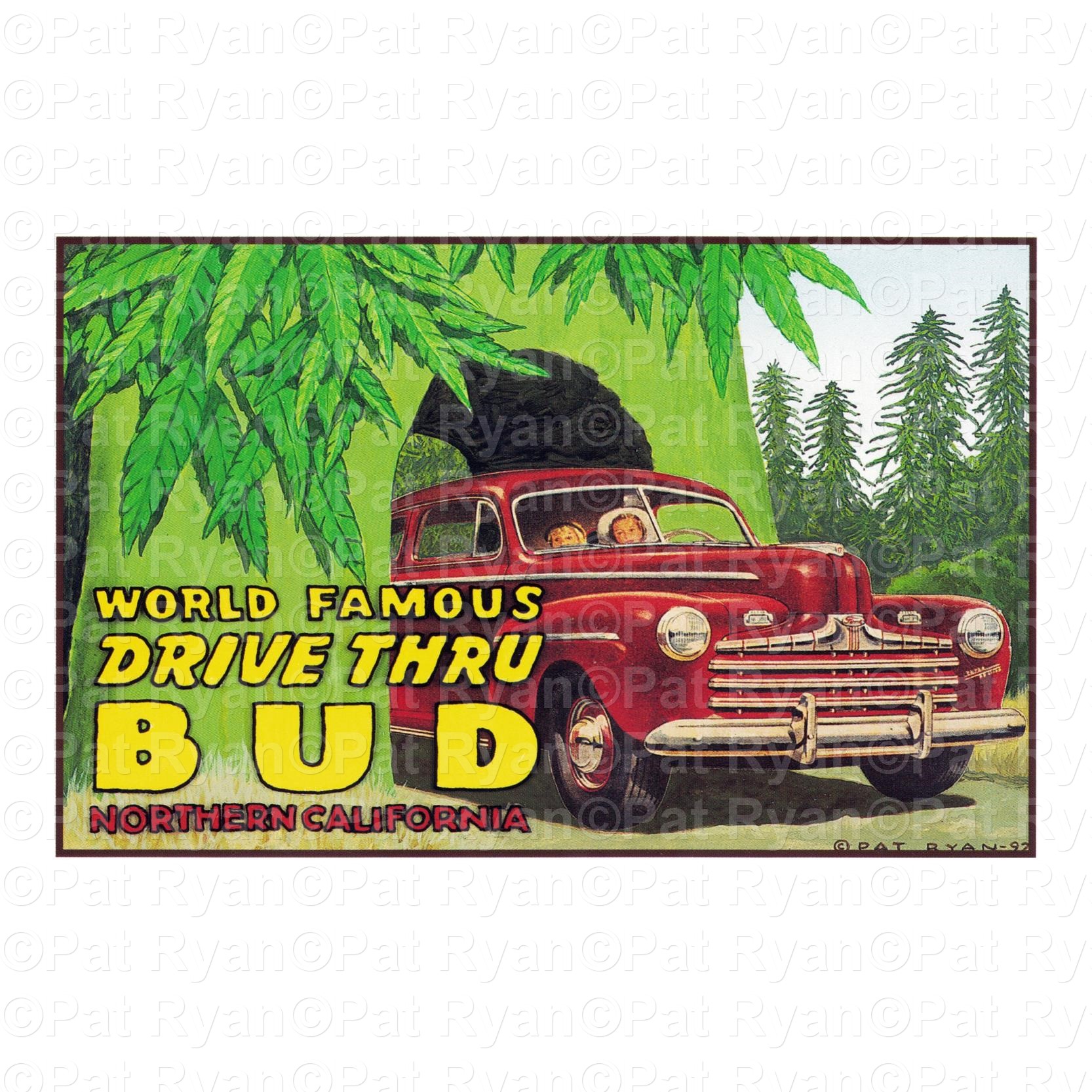
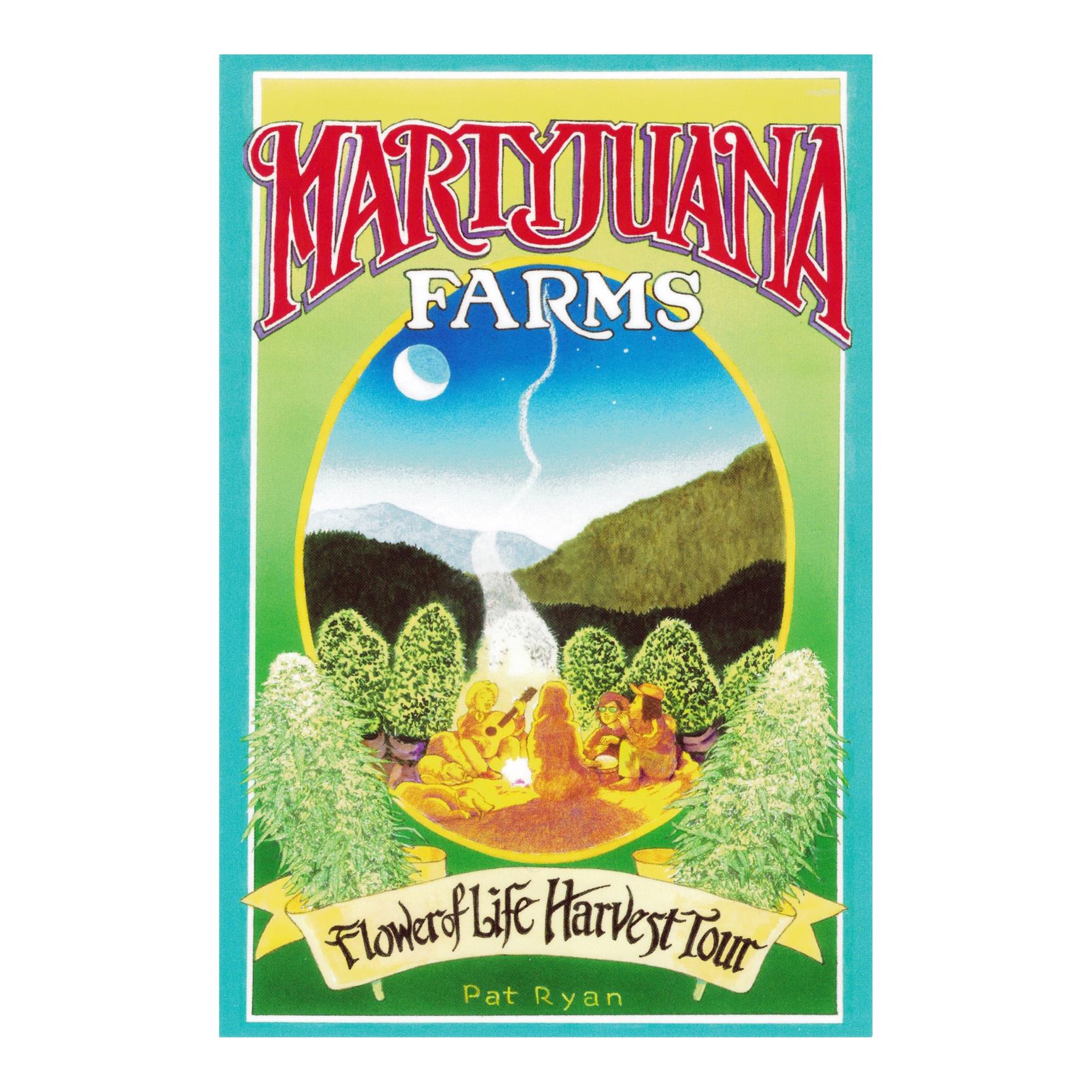
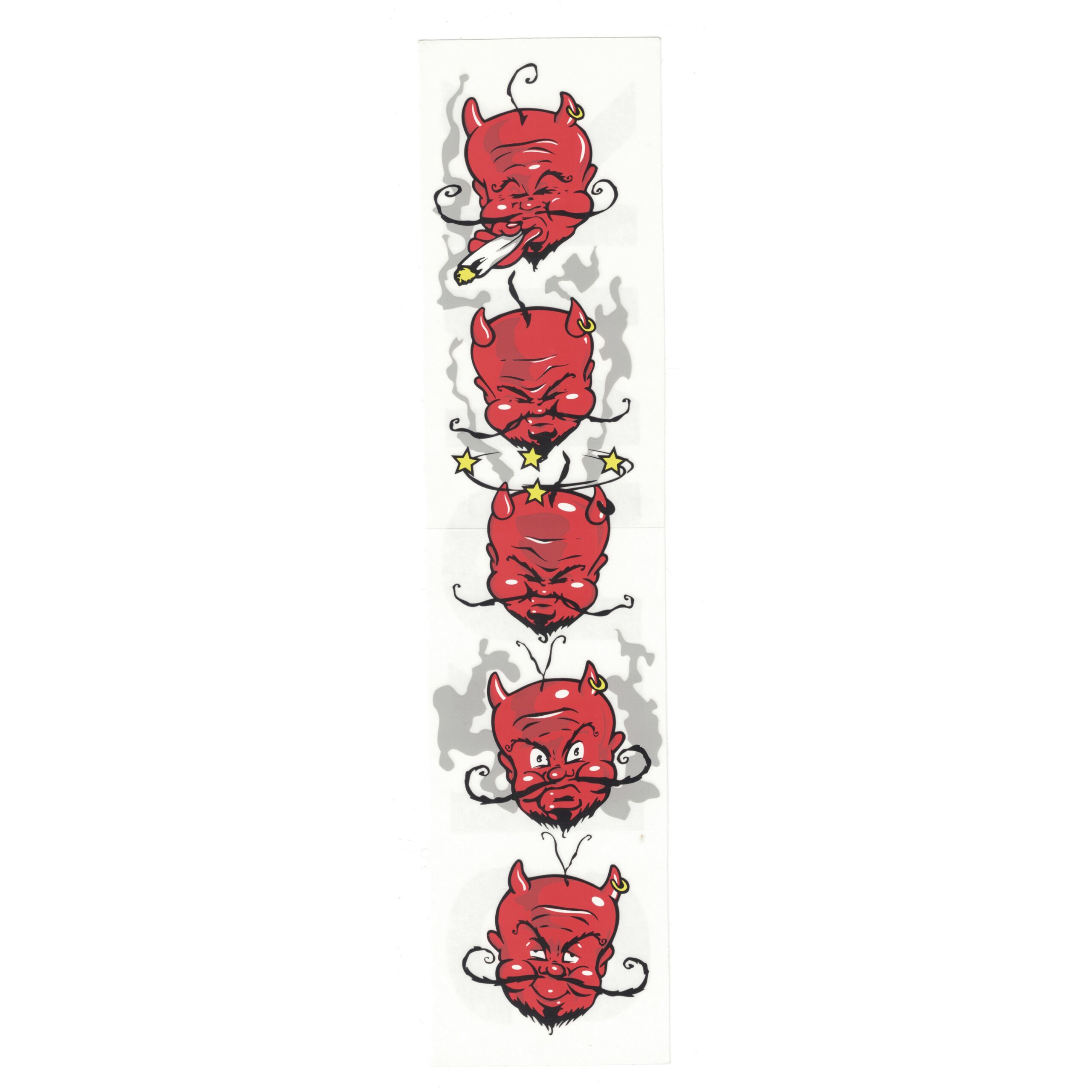
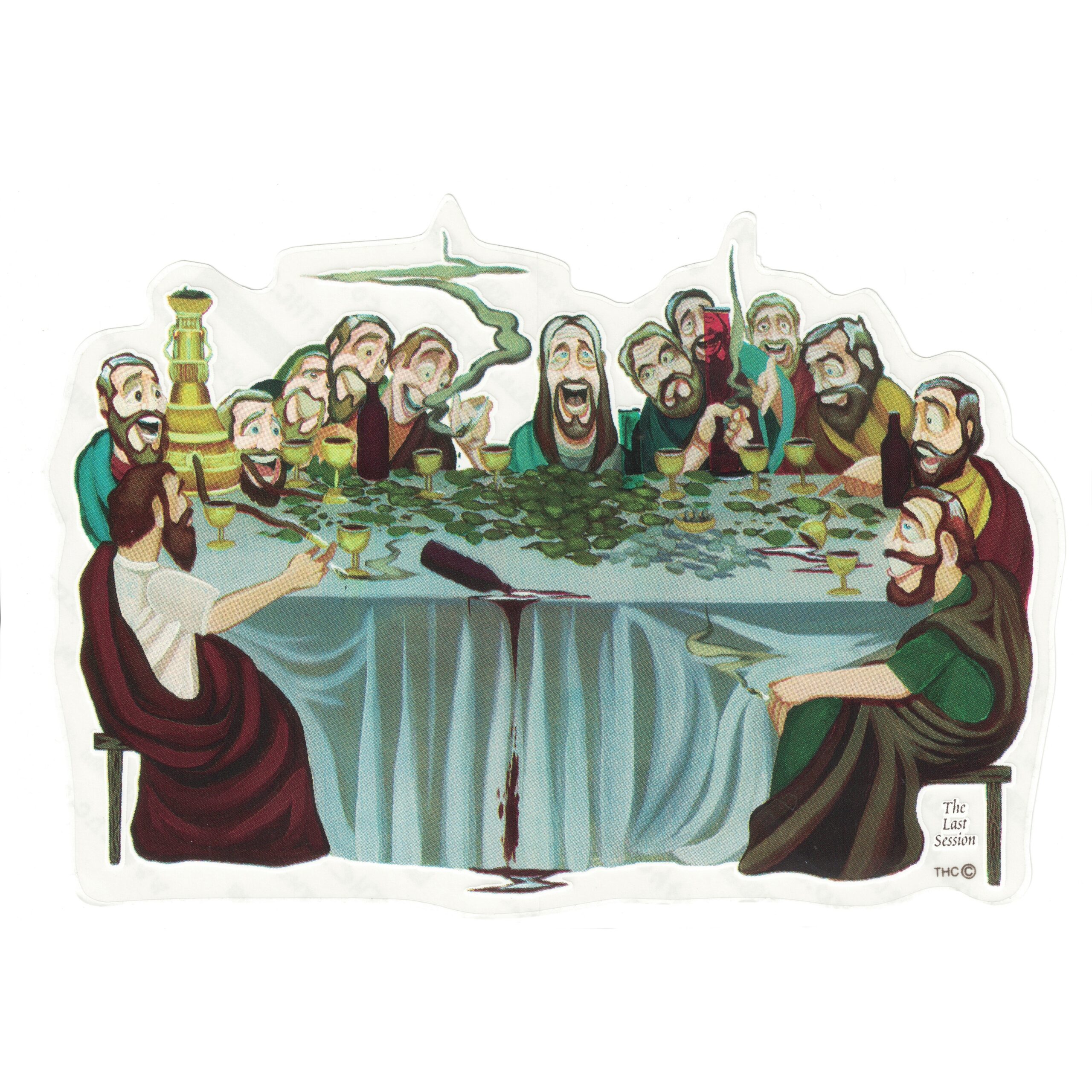
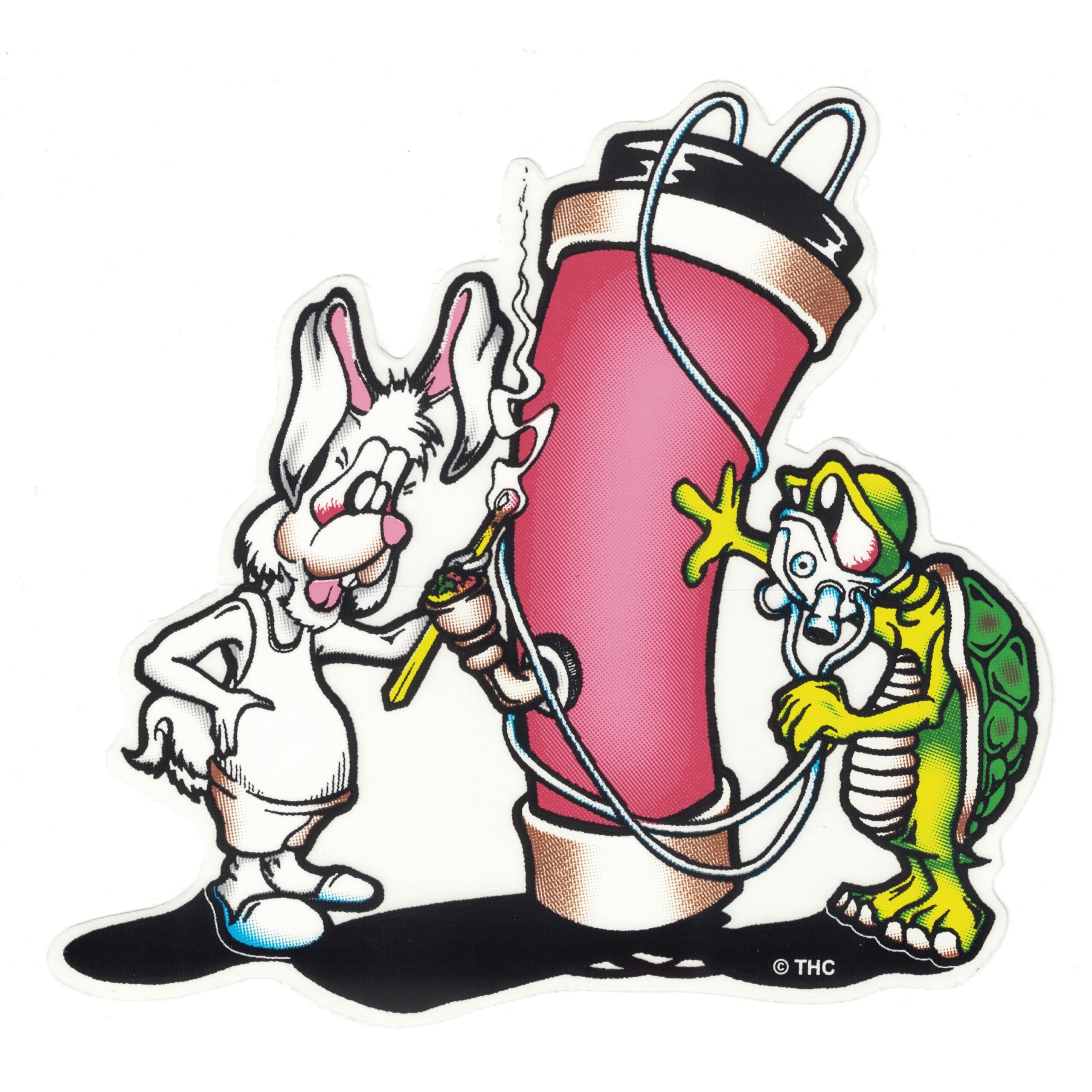
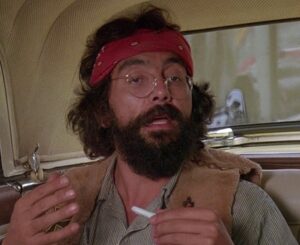
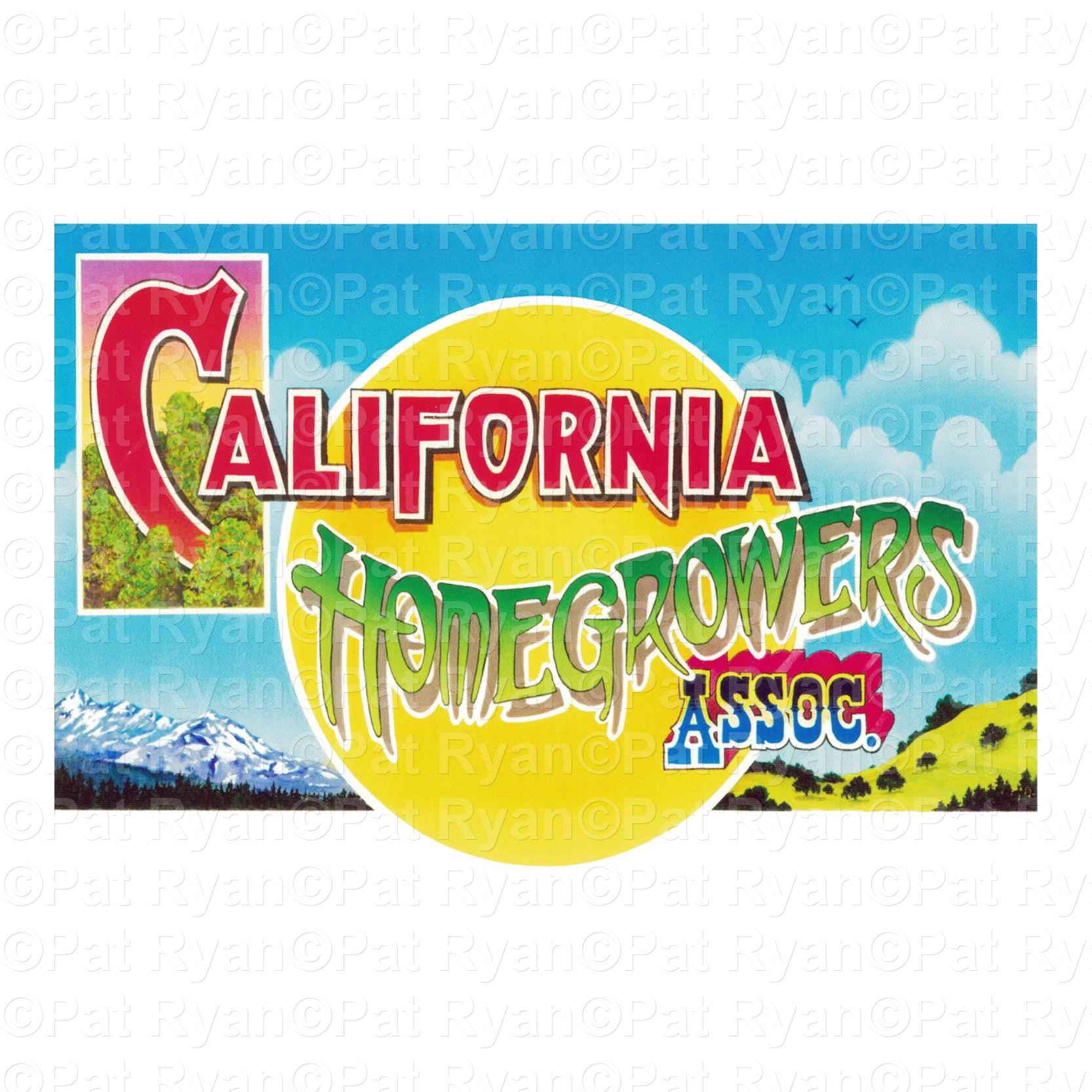
Long before medicinal and recreational Cannabis legalization brought branding to the mainstream, Pat Ryan and Dave Sheridan were already laying the creative groundwork for the industry’s visual identity. Working as the California Homegrowers Association, this duo from the Artista Gang collective based in the Emerald Triangle, crafted brilliant cannabis brand parodies spoofing the vintage lithograph style of cigar boxes and produce crates. They weren’t just illustrators; they were underground icons who operated well ahead of their time. I suppose maybe it was like this quotable line from ‘Cheech & Chong’s Next Movie‘: “I figure it this way, dope’s going to be legal in a few years ya know, then, like, then I’ll be, it’ll be a legitimate job, and all these other dudes that aren’t ready for it, they won’t know how to do it, see, and then, like, I’ll have a job man.”
Beyond their collaborations, their solo impact was massive. Dave Sheridan is a legend in underground comix, and Pat Ryan’s portfolio spans from psychedelic posters to deeply moving tributes to the American Indian Movement and Occupation of Alcatraz. Pat Ryan also created legitimate cannabis branding for Mendocino based Martyjuana Farm.

Sheridan left us in 1982 and Ryan in 2022, but their art is immortal. I’ve scanned some of my favorite prints below, but I’ve kept them watermarked to encourage you to buy Pat Ryan’s Sinsemilla Sinsations postcard book. Supporting the work of these creators is vital, so as long as that book is available for purchase, these watermarks stay put to protect the interests of their heirs.

You can use the Archive.org Wayback Machine to view the last/latest snapshot of Pat Ryan’s website here.

– CPX

Pat Ryan & Dave Sheridan
Posted on

NC17 Streetwear

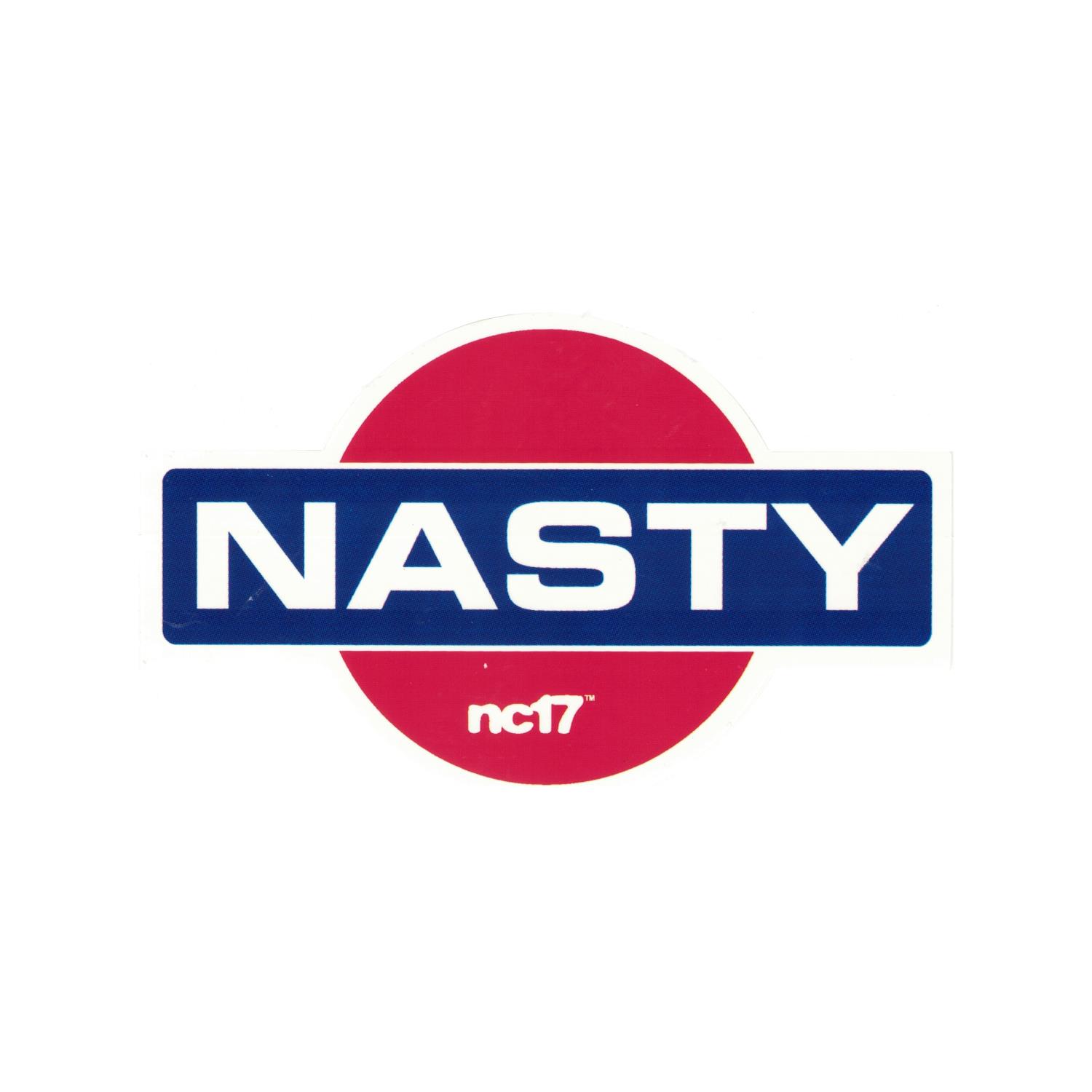
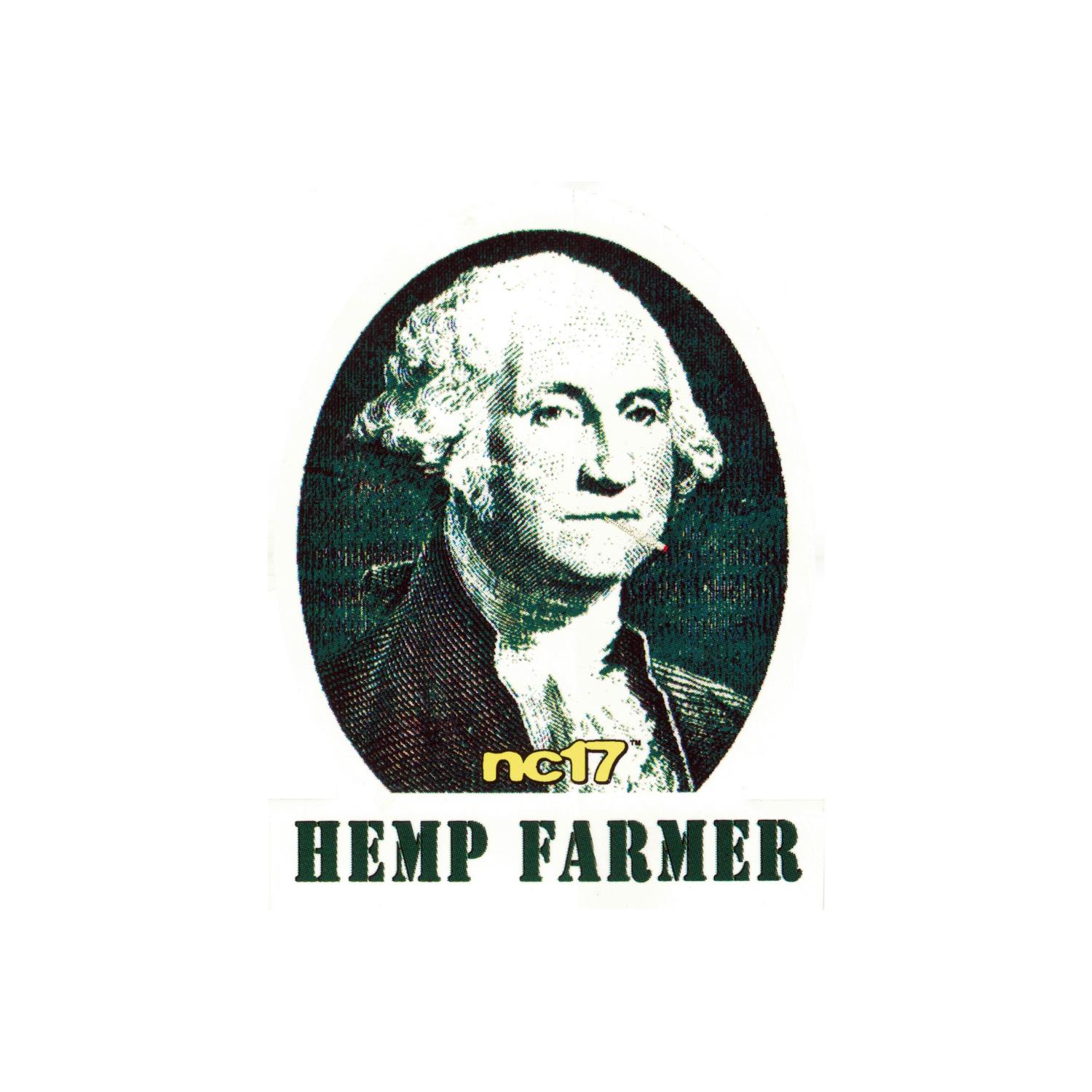
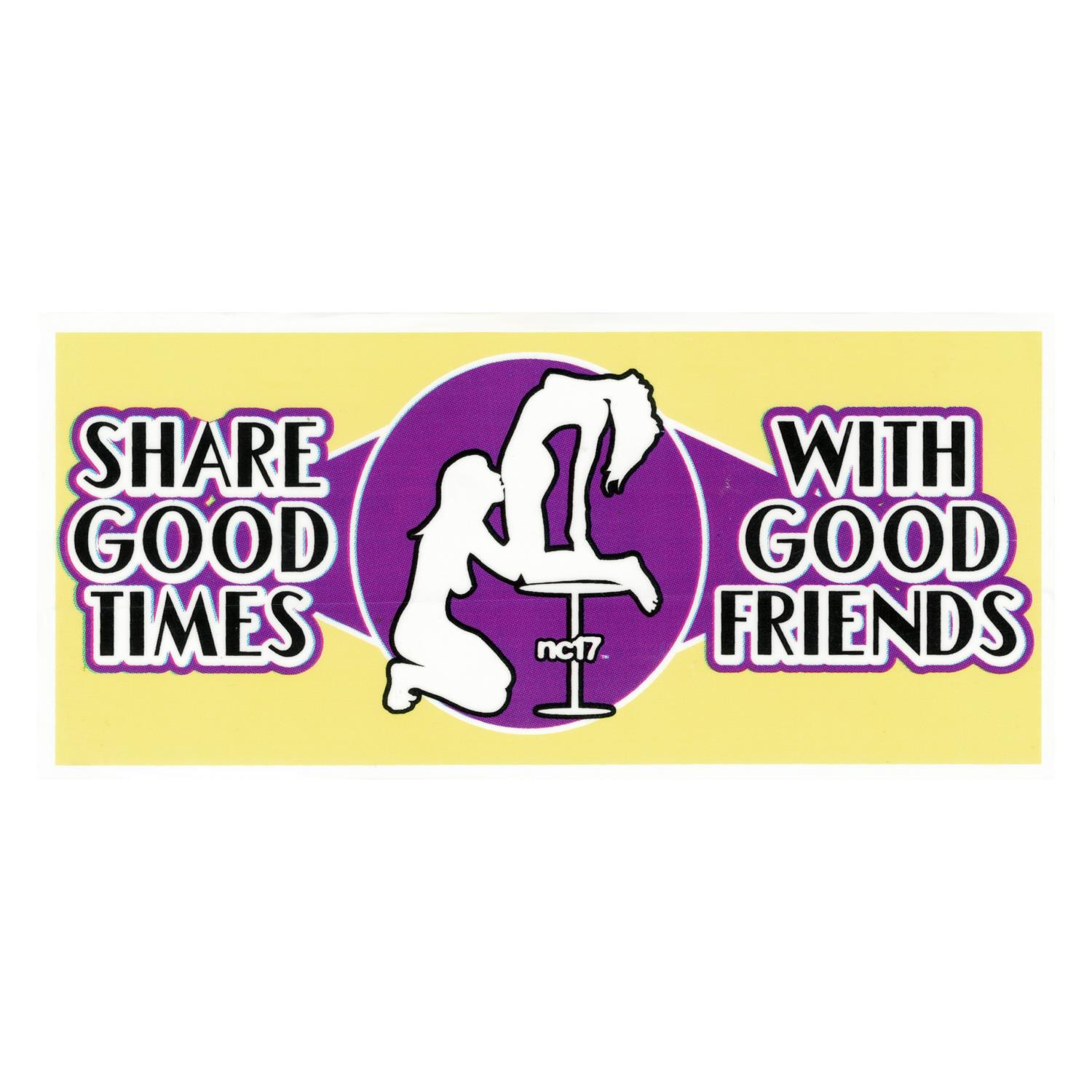
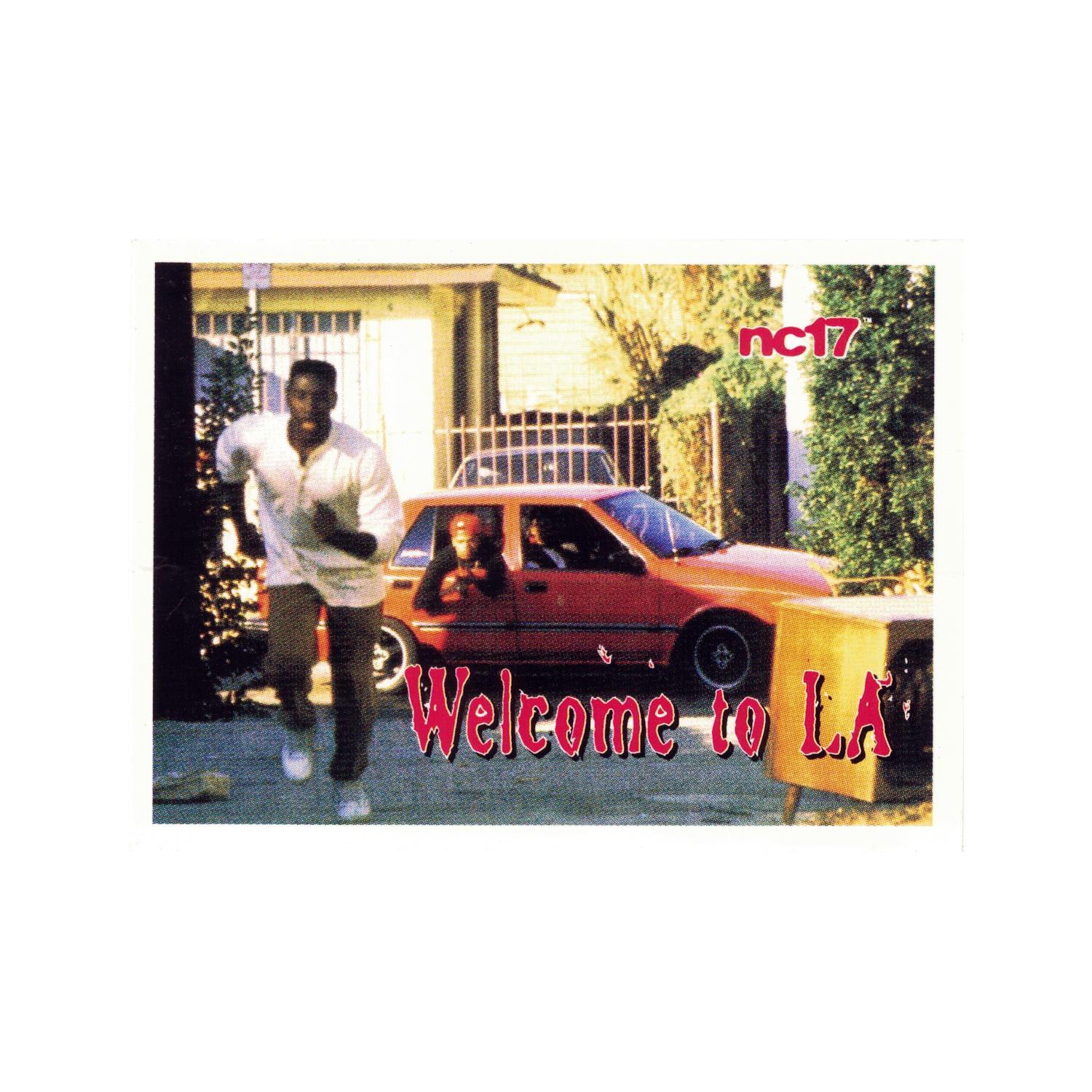
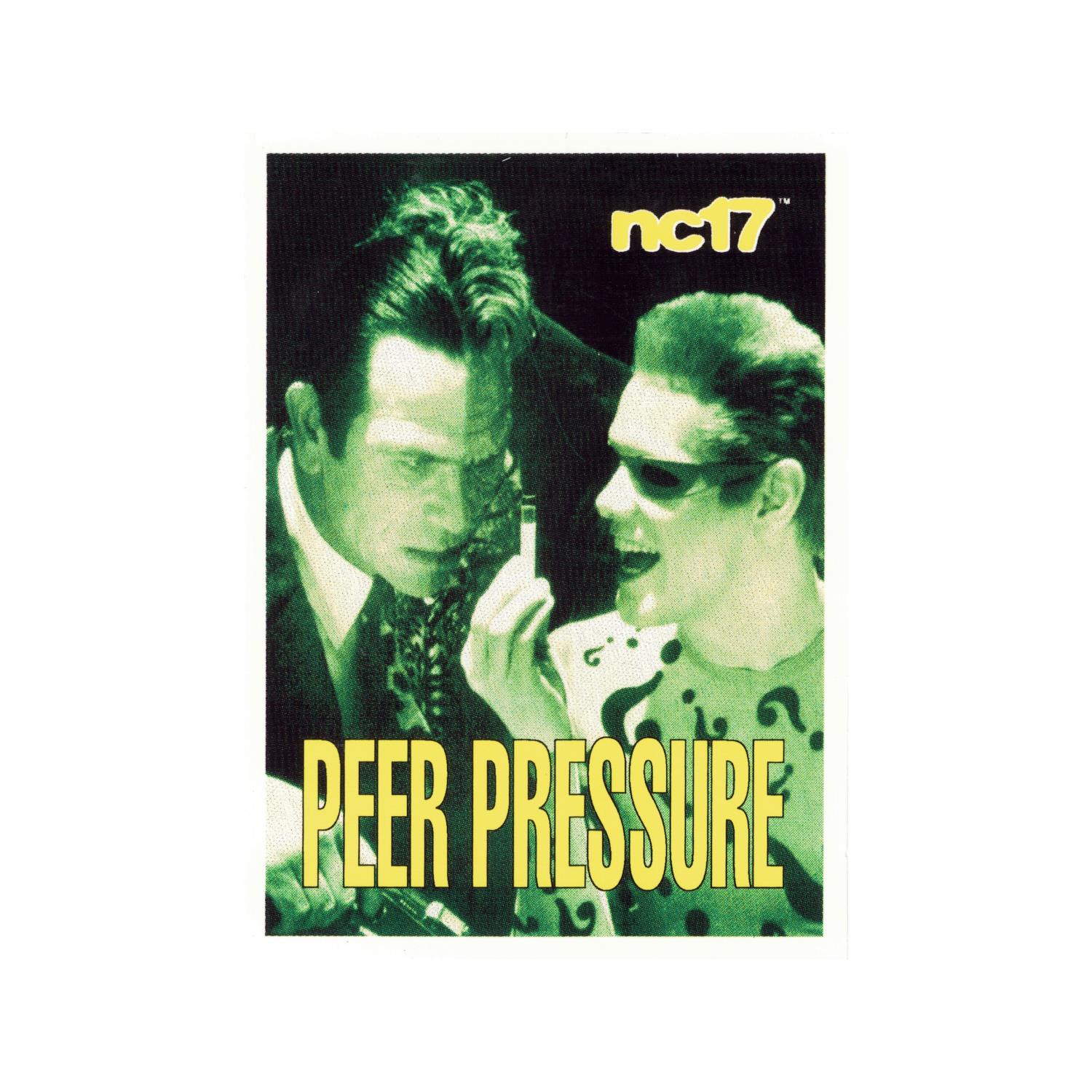
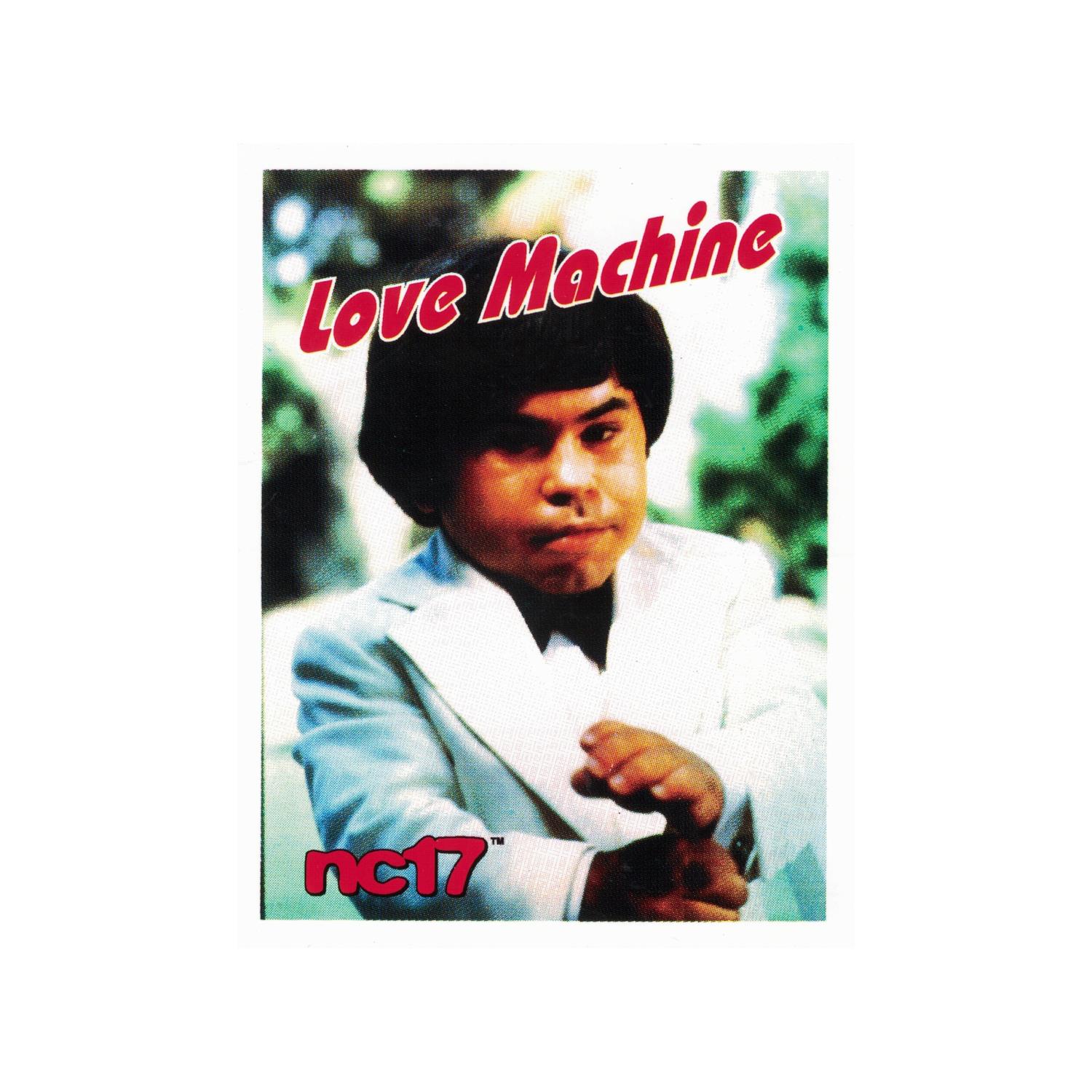
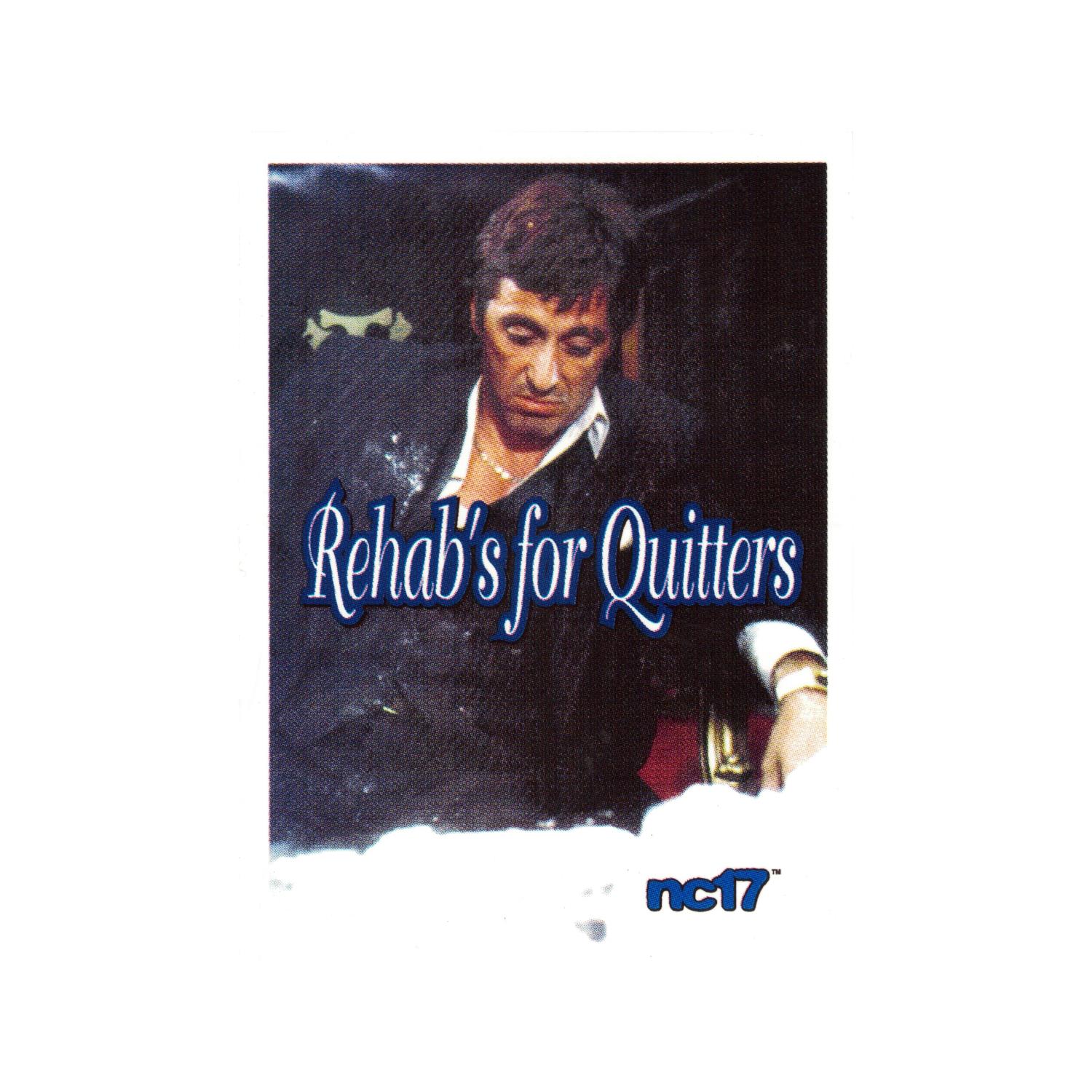
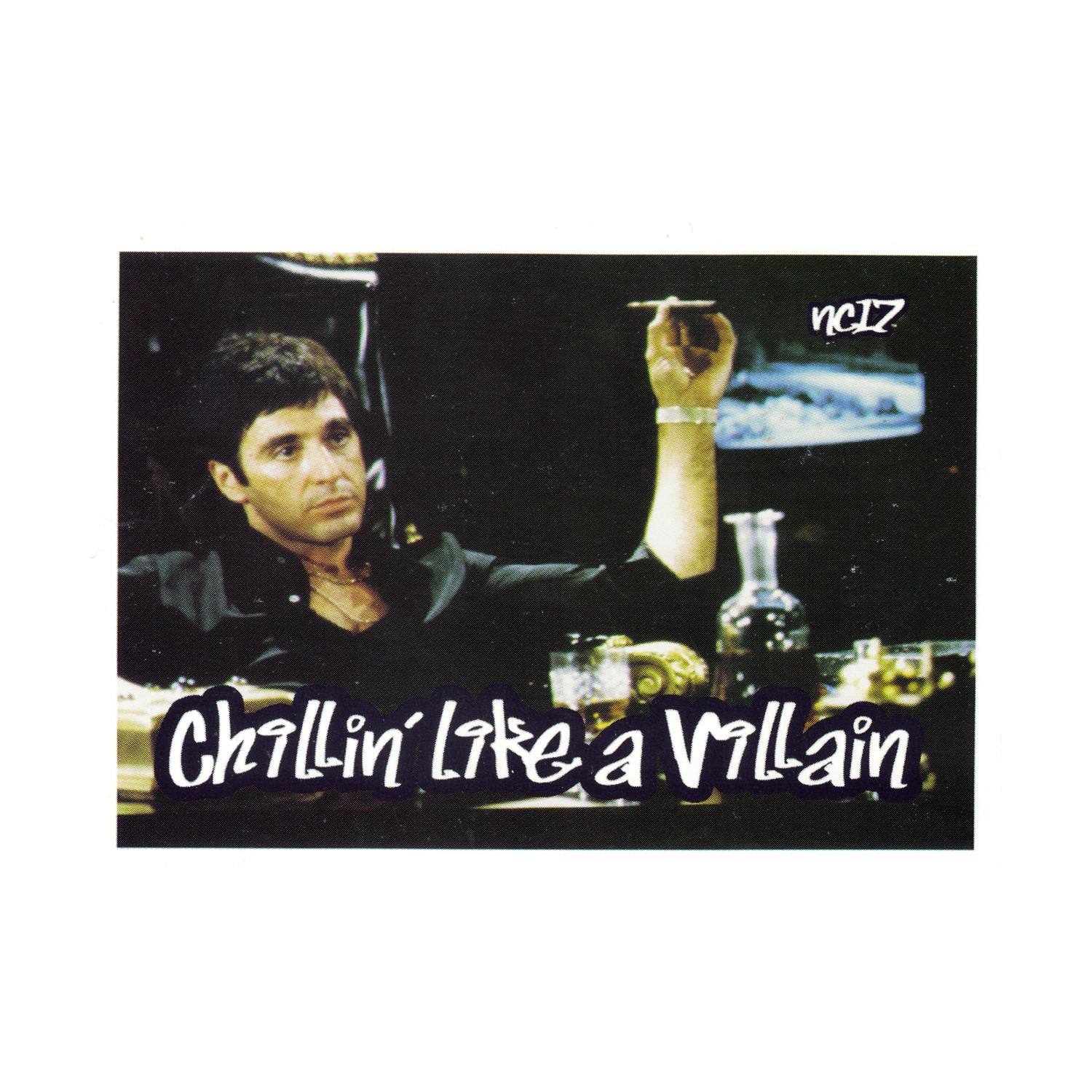
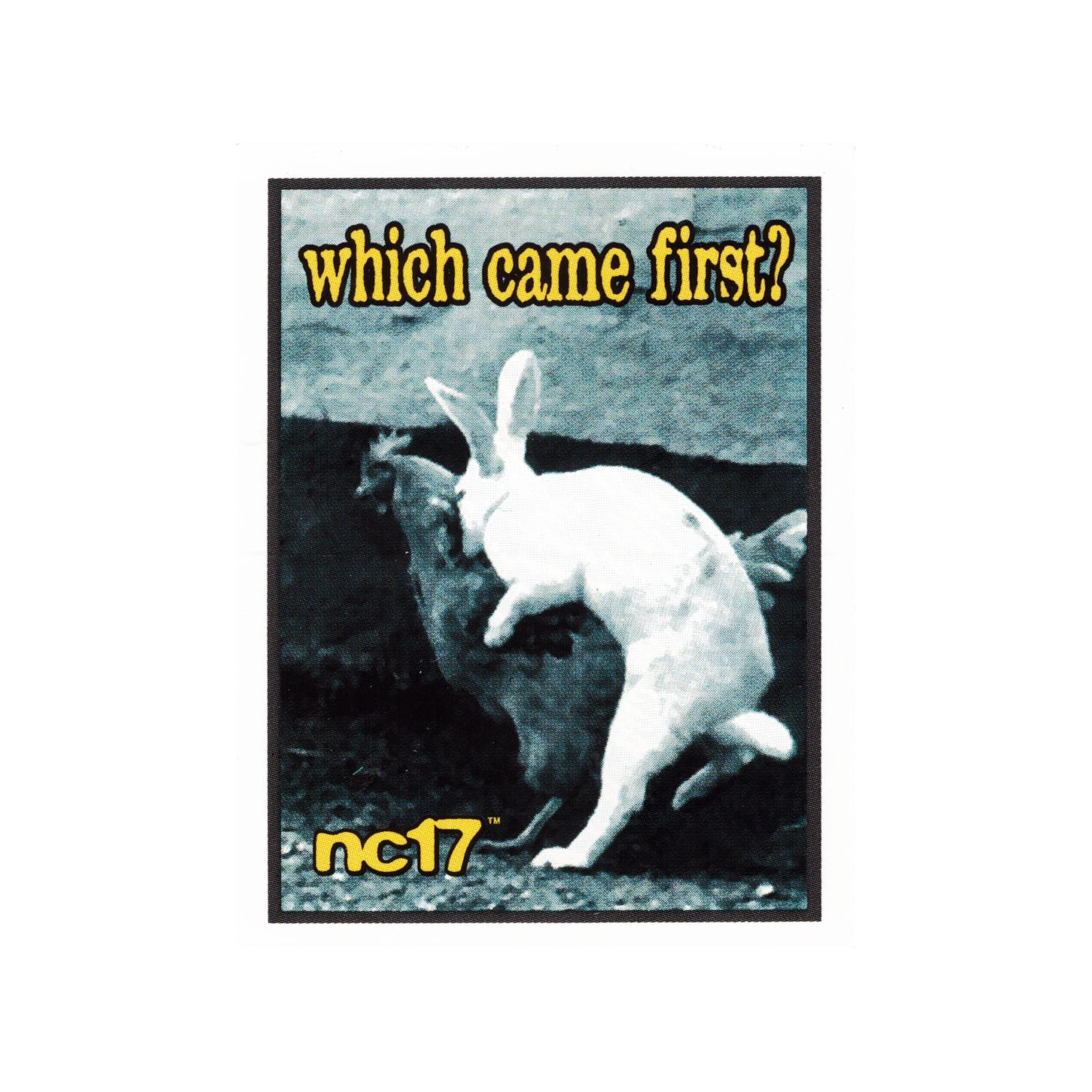
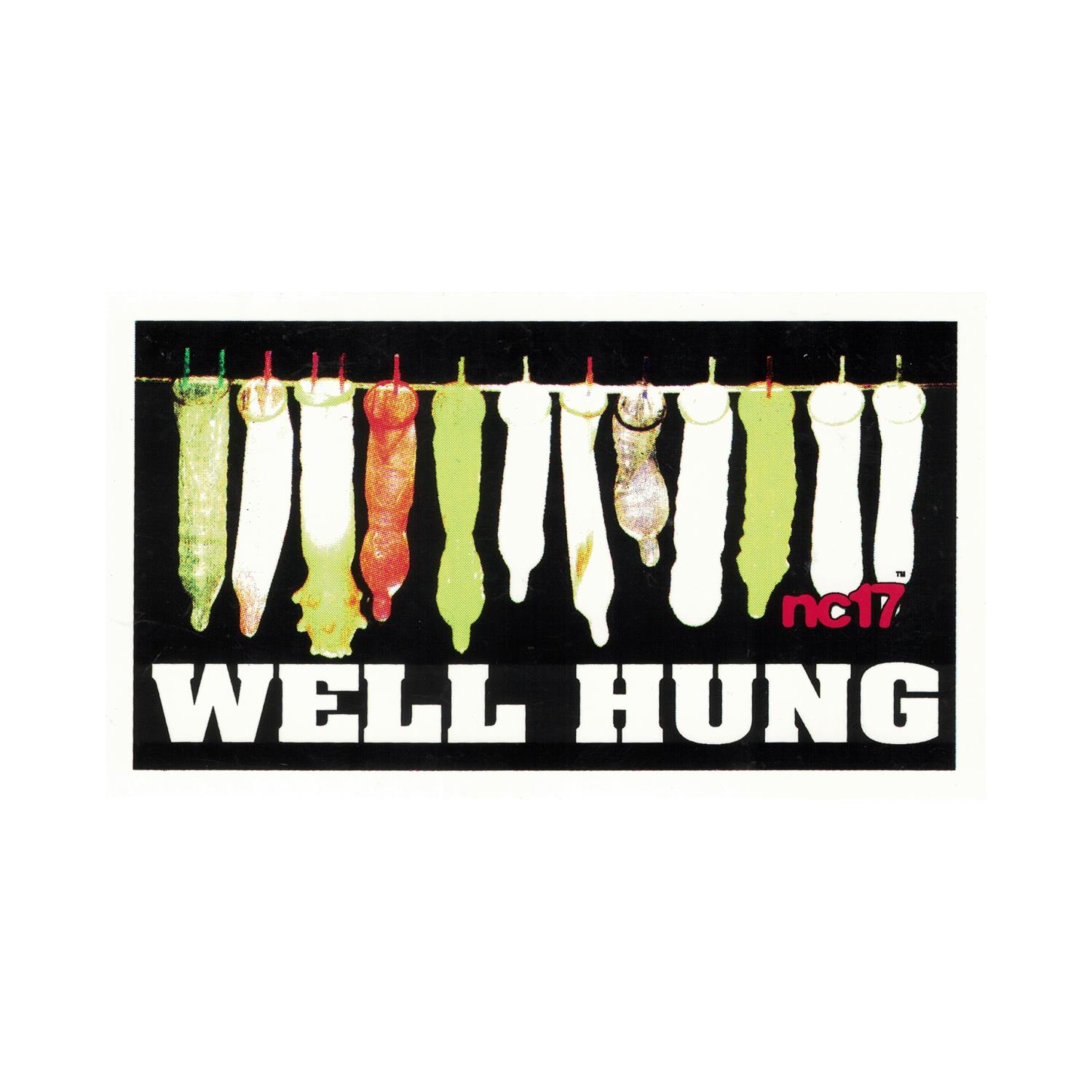
NC17, also known as NC-Seventeen, was a counterculture streetwear brand active throughout the 1990s and early 2000s, producing its designs on T-shirts and stickers. The company explored a range of styles, including drug- and sex-themed brand parodies (such as THC), movie and TV spoofs (like Serial Killer), double entendres, and sharp social commentary. NC17 was known for its originality, and in my view, helped pioneer streetwear built around provocative double meanings—designs that often walked the line between obscene and misunderstood.

Here is a collection of NC17 sticker art from my personal archive.

– CPX

WARNING: Contains explicit content

NC17

Posted on

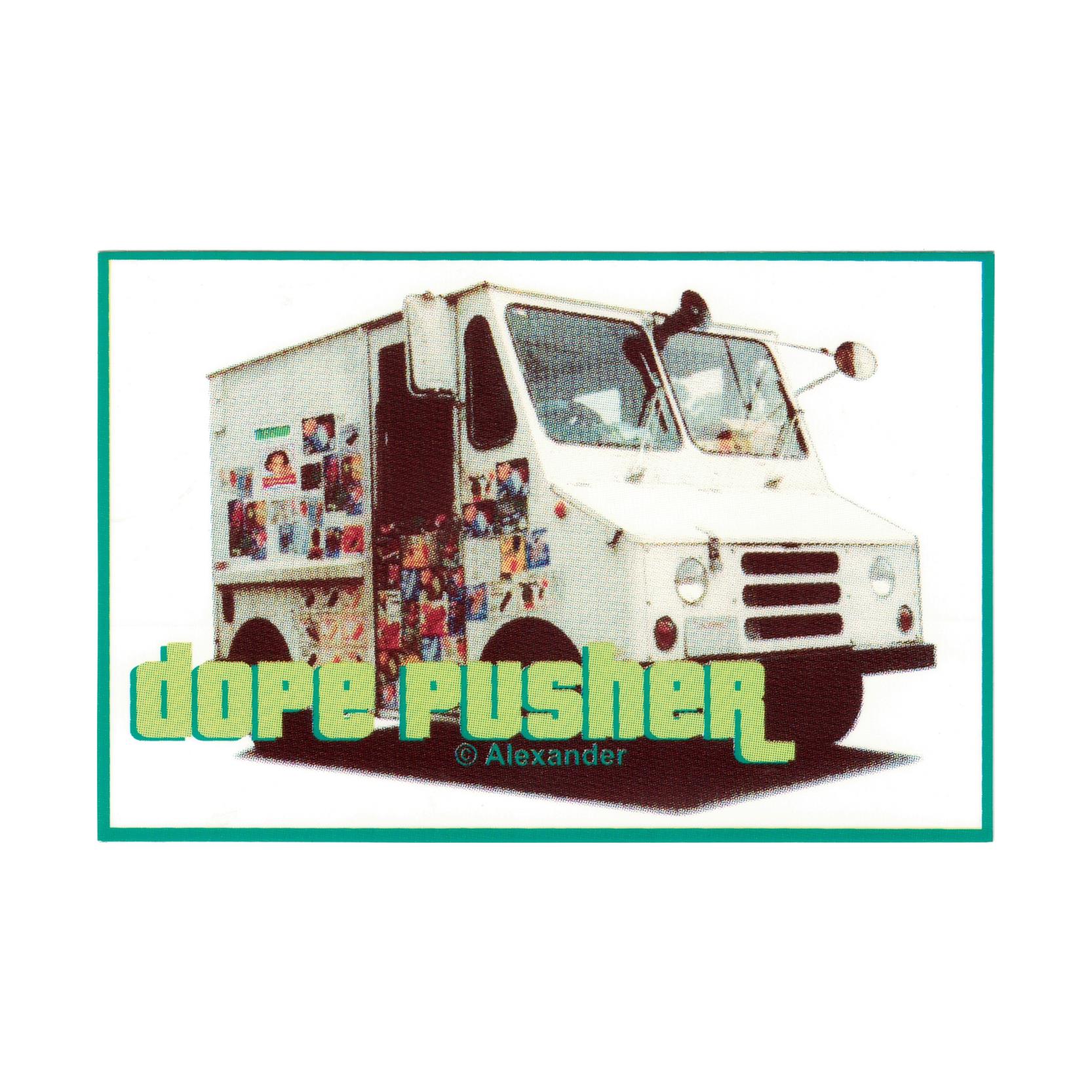
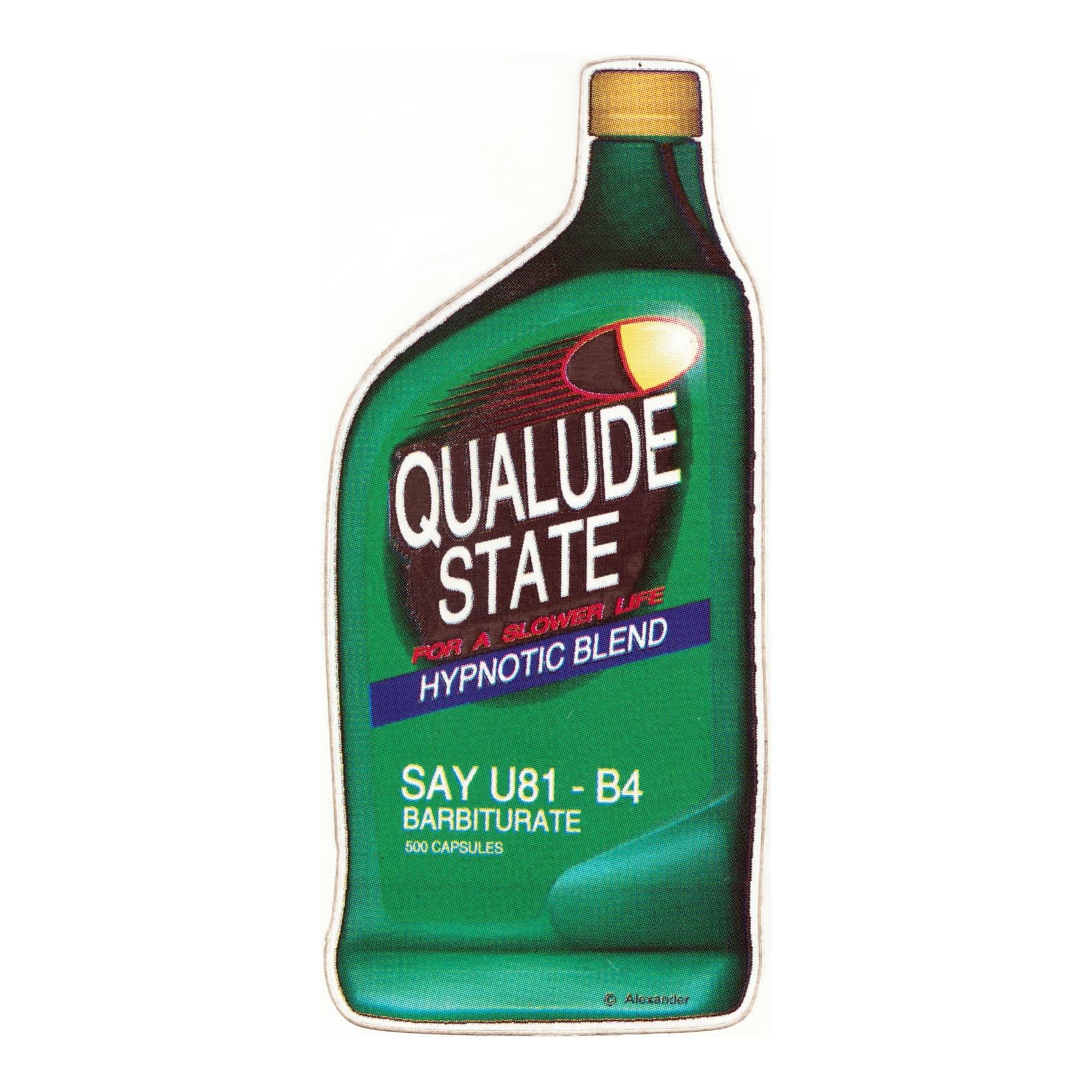
Alexander

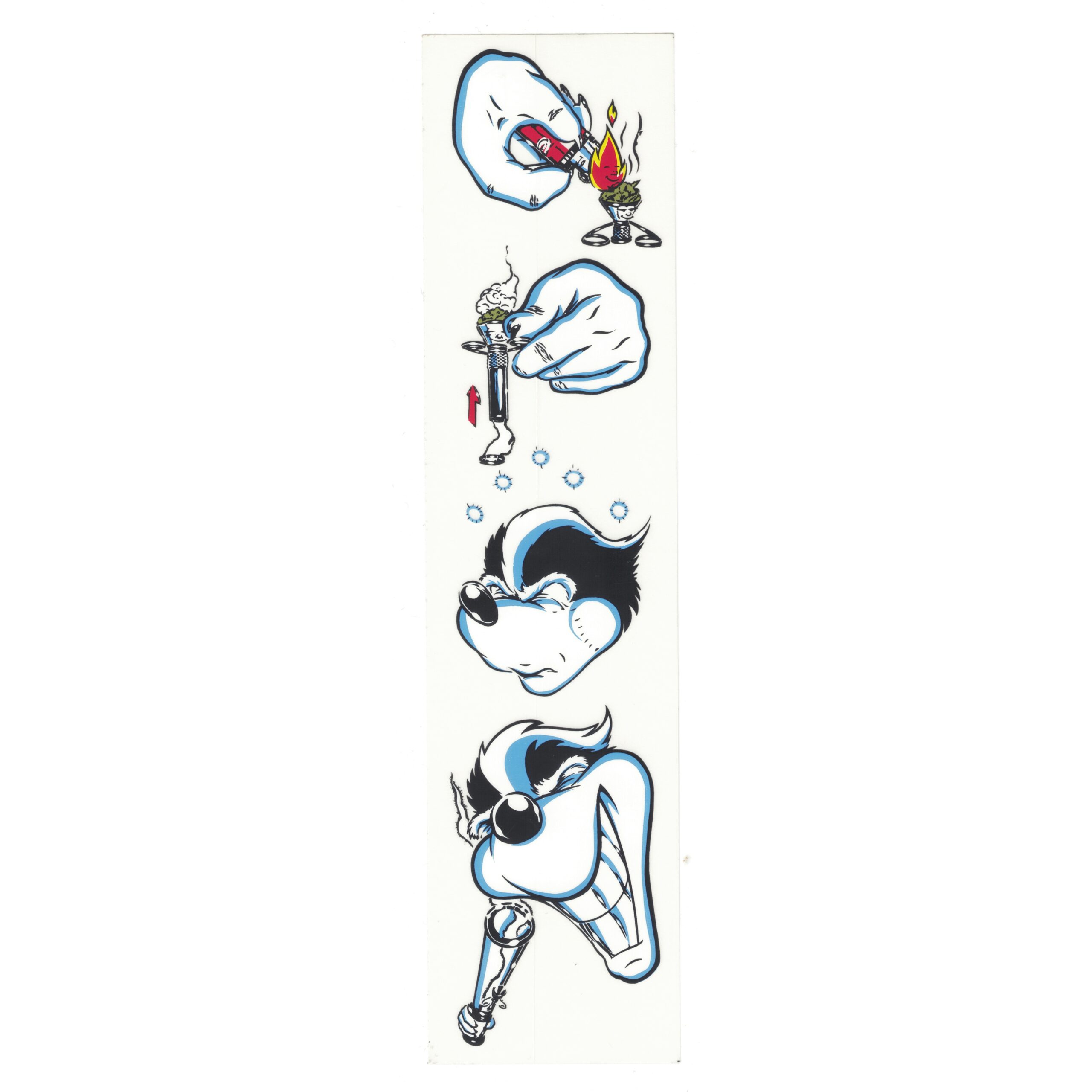
Active from the 1990s into the early 2000s, Alexander was an influential underground artist whose primary medium involved sticker art and streetwear-focused designs. His work often centered on skateboarding themes and drug-related parodies, frequently featuring a distinctive blue-and-white color scheme. Unfortunately, reliable information about the origins and history of his art is difficult to track down—partly due to the simplicity of the moniker—so it’s unclear whether the artist is still active today.

Here is a collection of Alexander sticker art from my personal archive.

– CPX

Alexander

Posted on

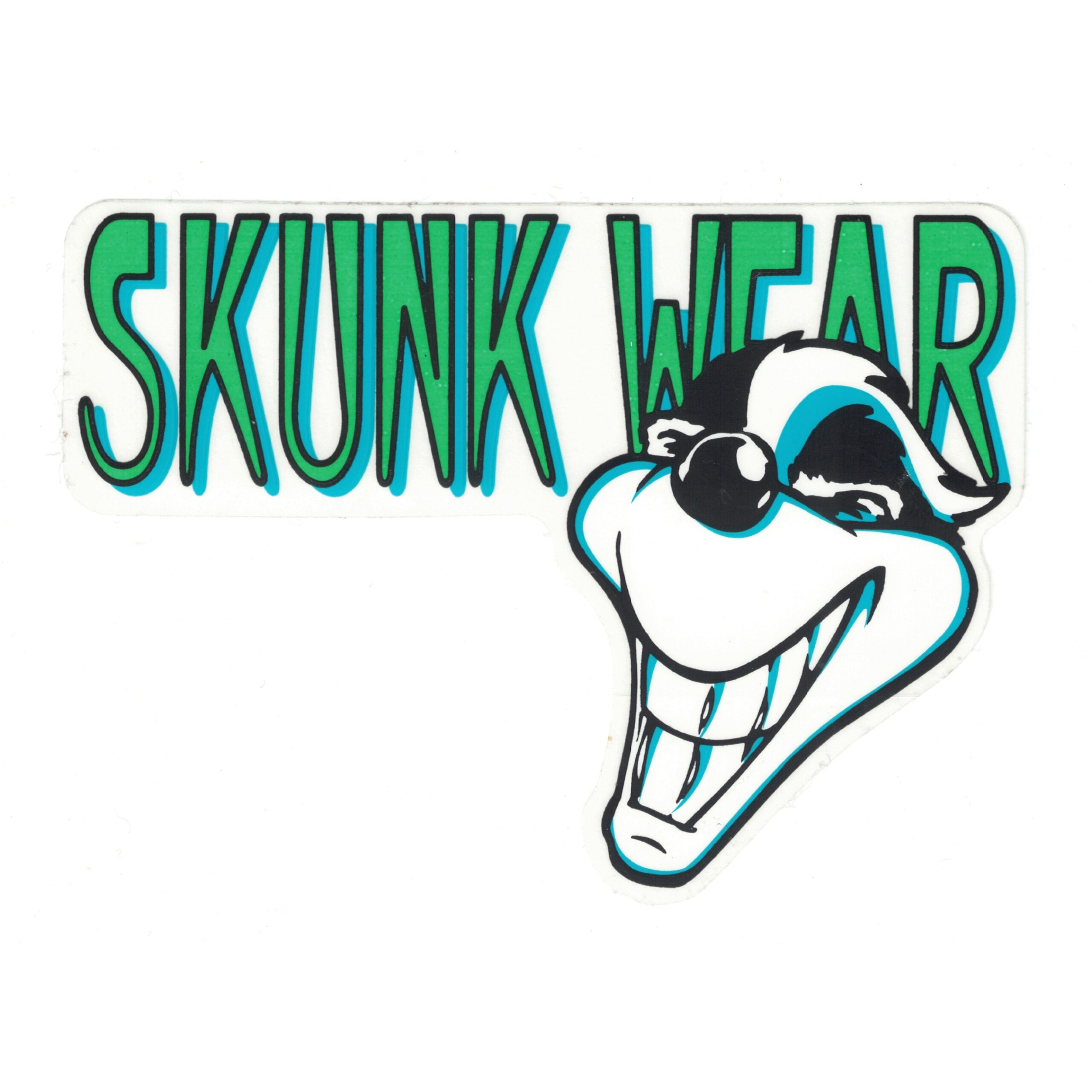
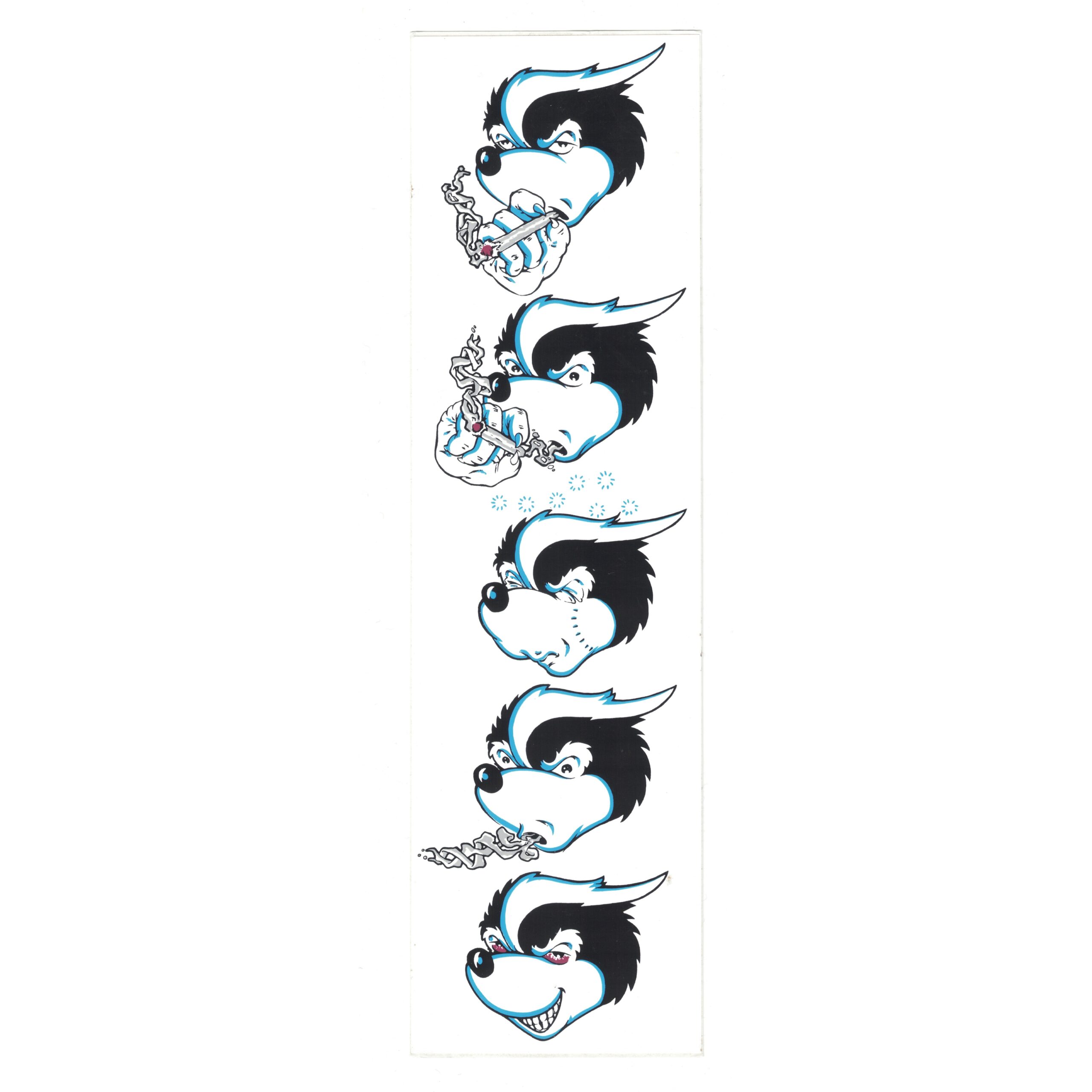
Skunk

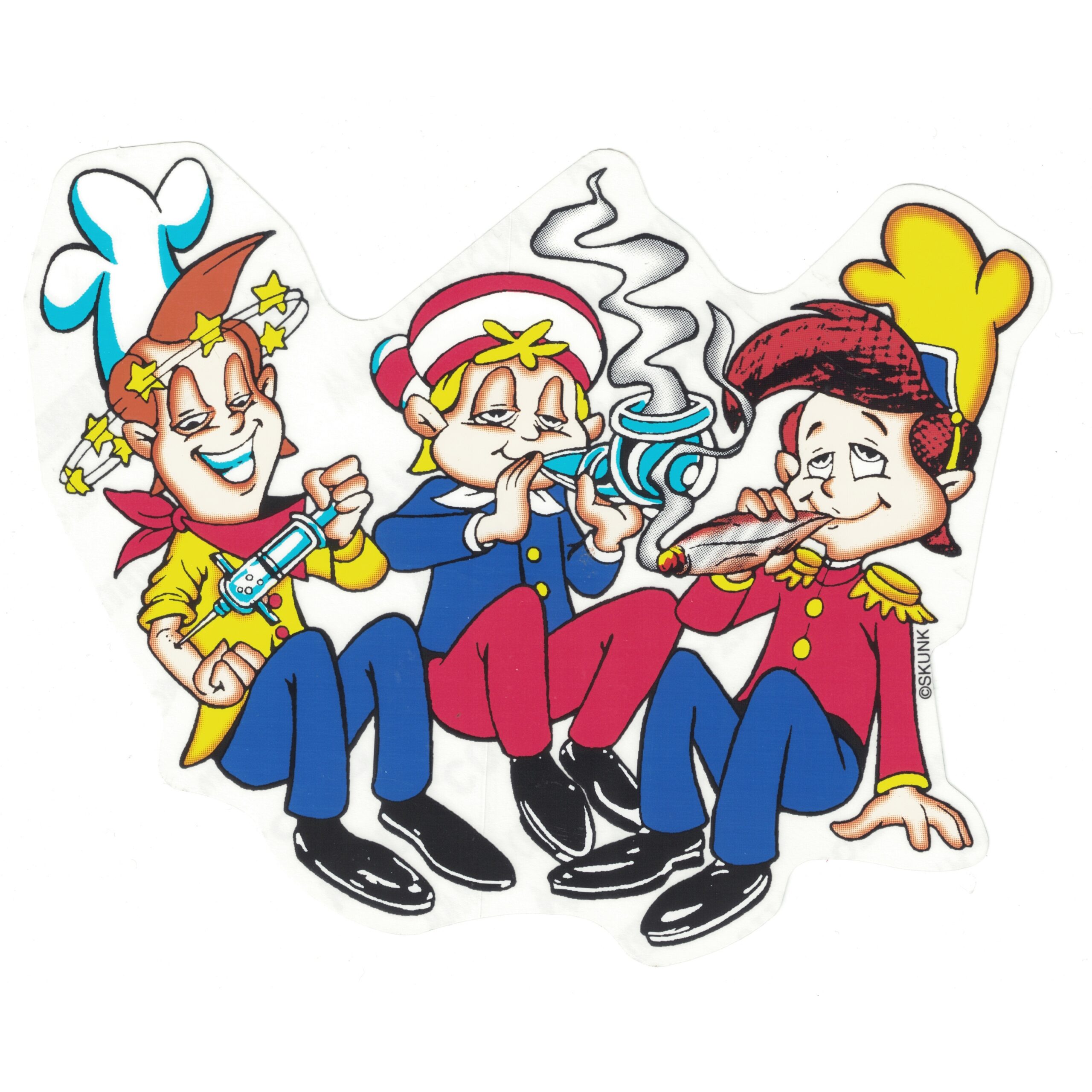
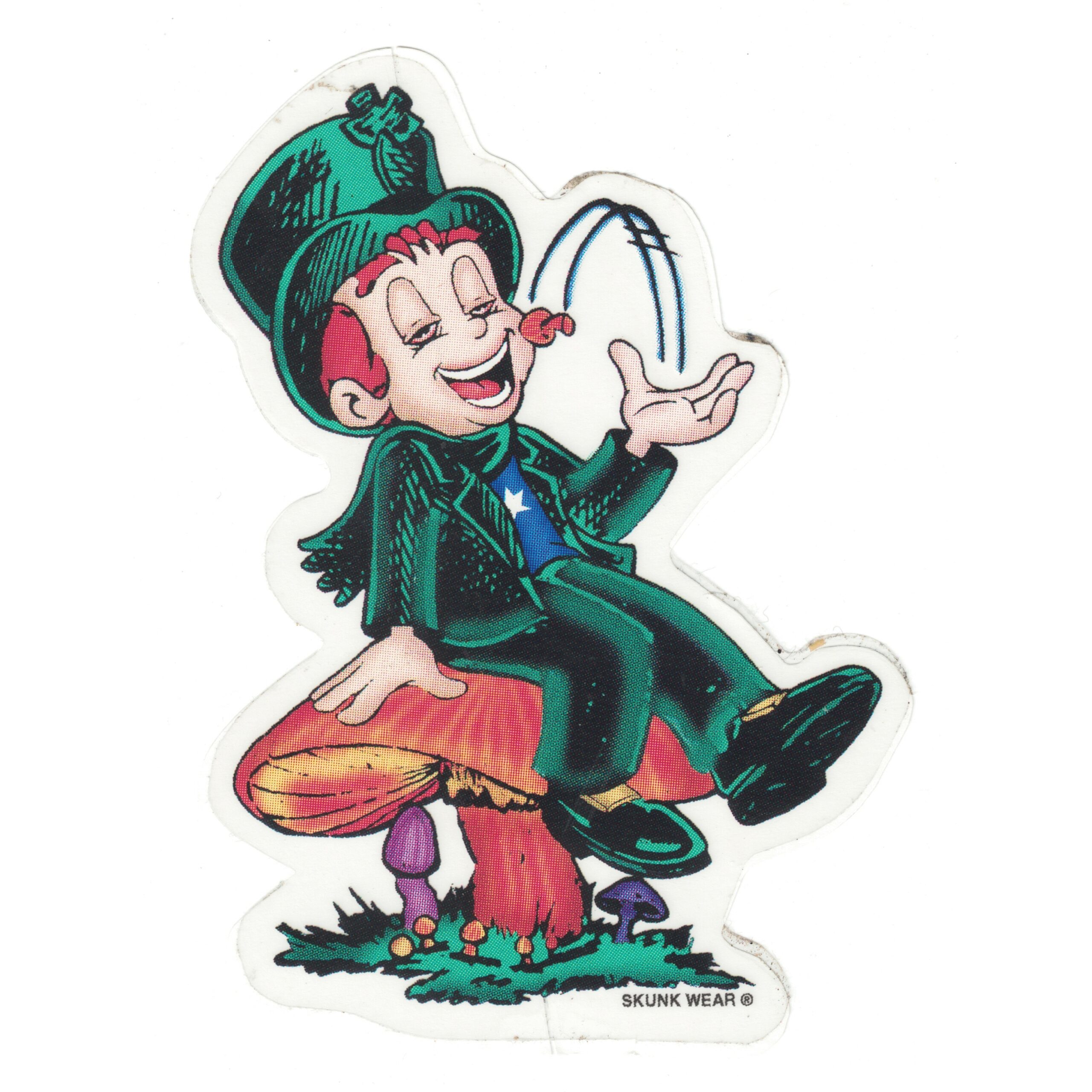
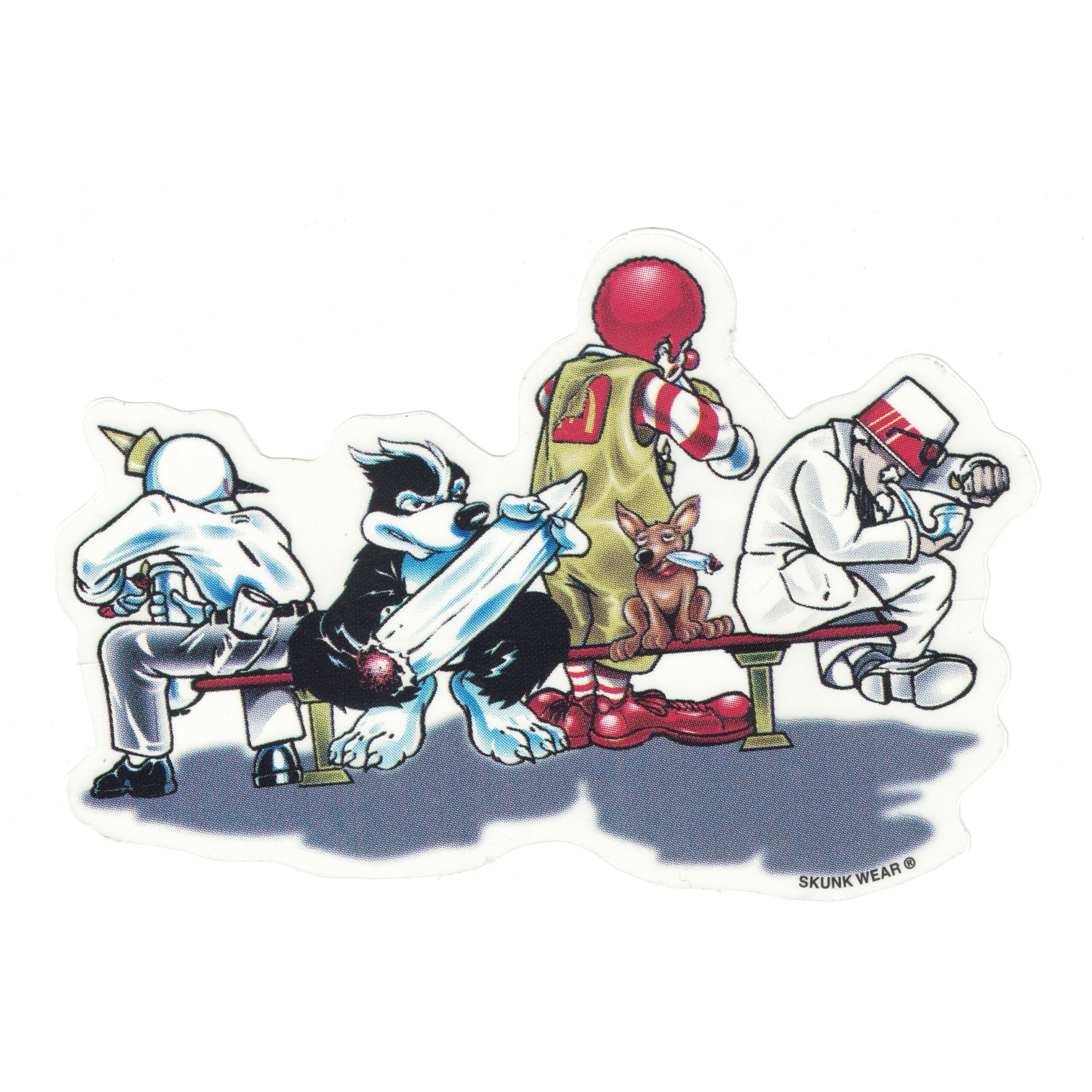
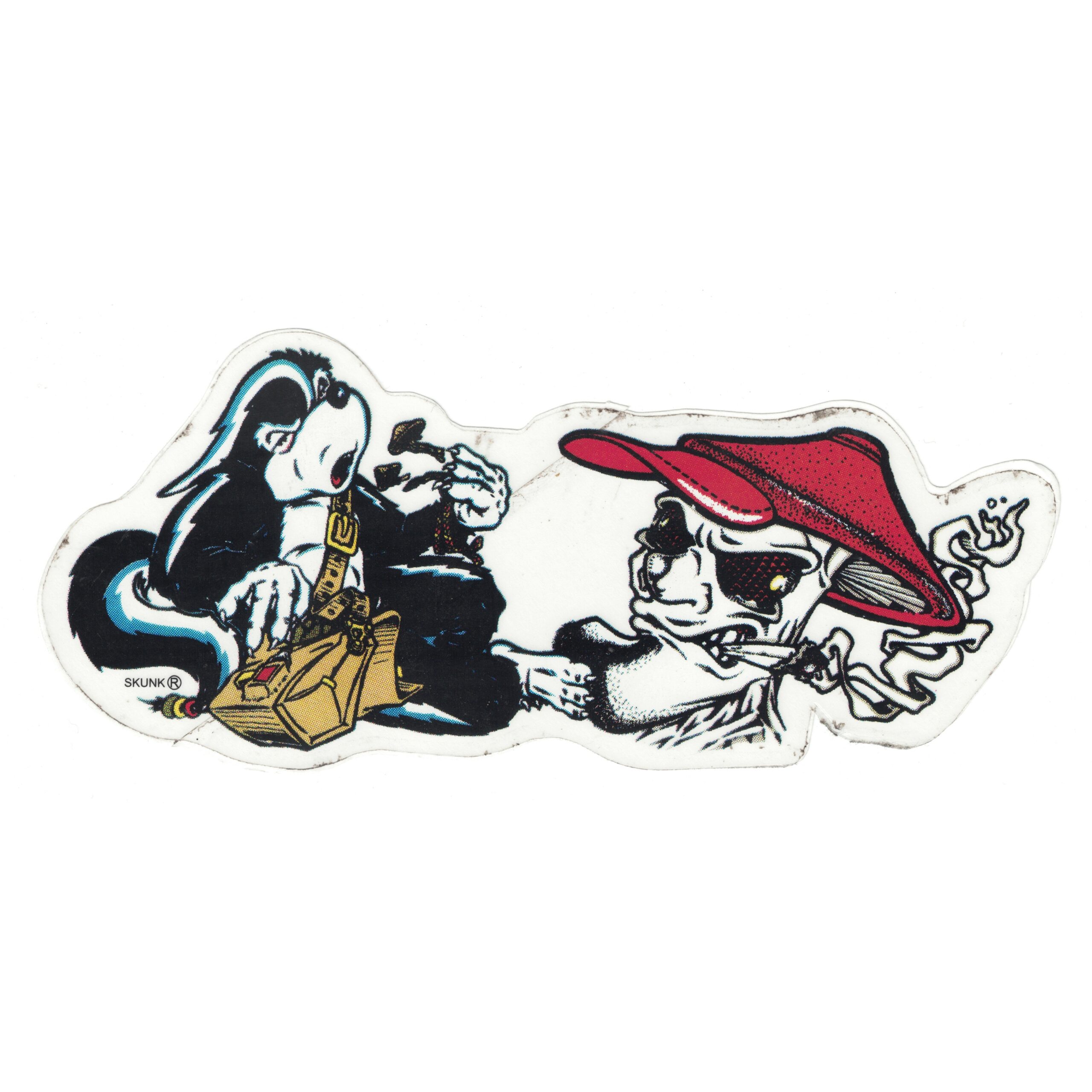
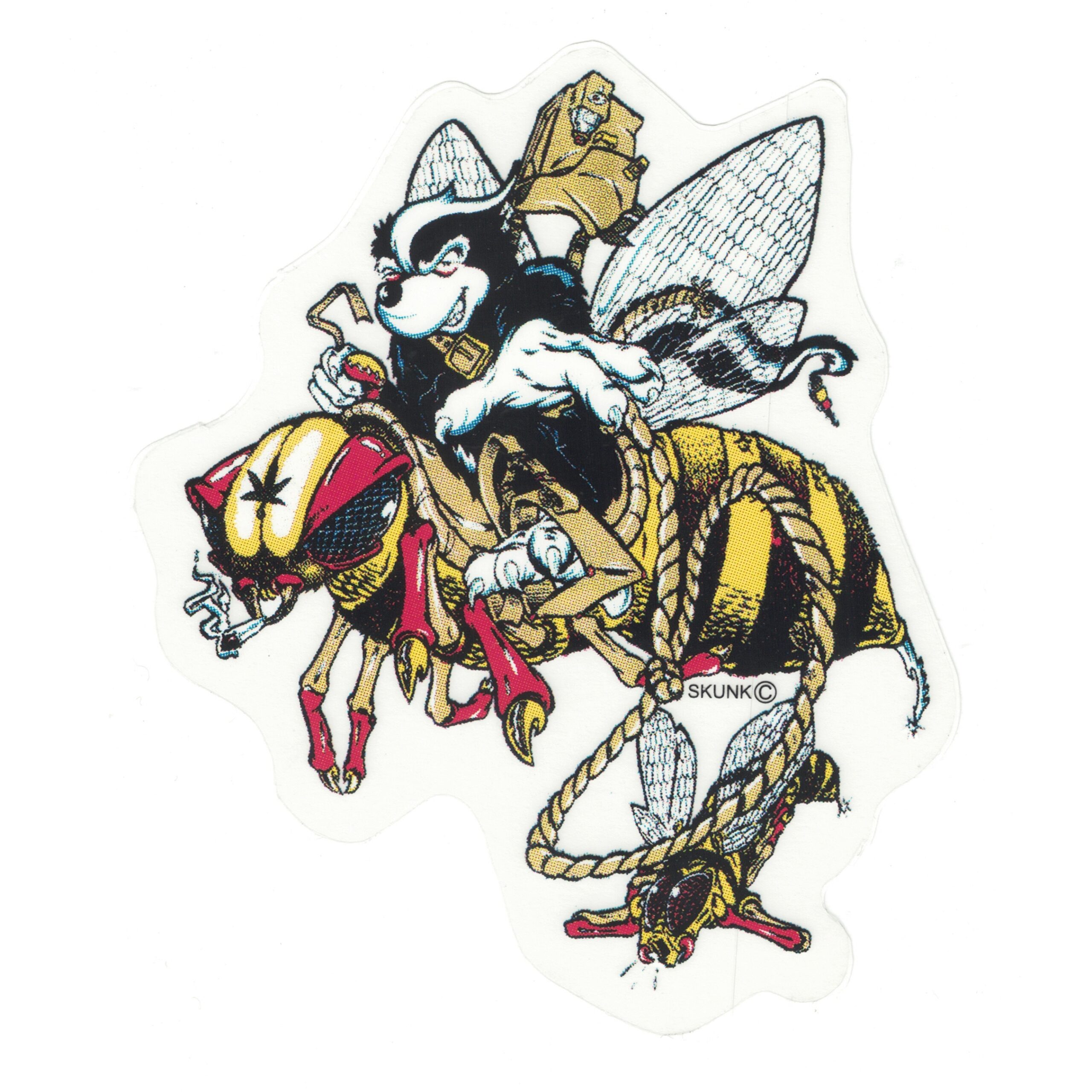
Founded in the 1990s, Skunk, not to be confused with a recent urban/Hip-Hop inspired streetwear Skunk Wear, was a staple of cannabis-themed streetwear. What made Skunk unique was its brand mascot, you guessed it—a cannabis-consuming skunk; which was often a main focal point and inclusion in its clever satirical designs and parody art. While documented history on the company is frustratingly scarce, the brand’s physical legacy lives on through rare artifacts still circulating in the vintage market.

Here is a collection of Skunk sticker art from my personal archive.

– CPX

Skunk

Posted on

Big Brother Magazine

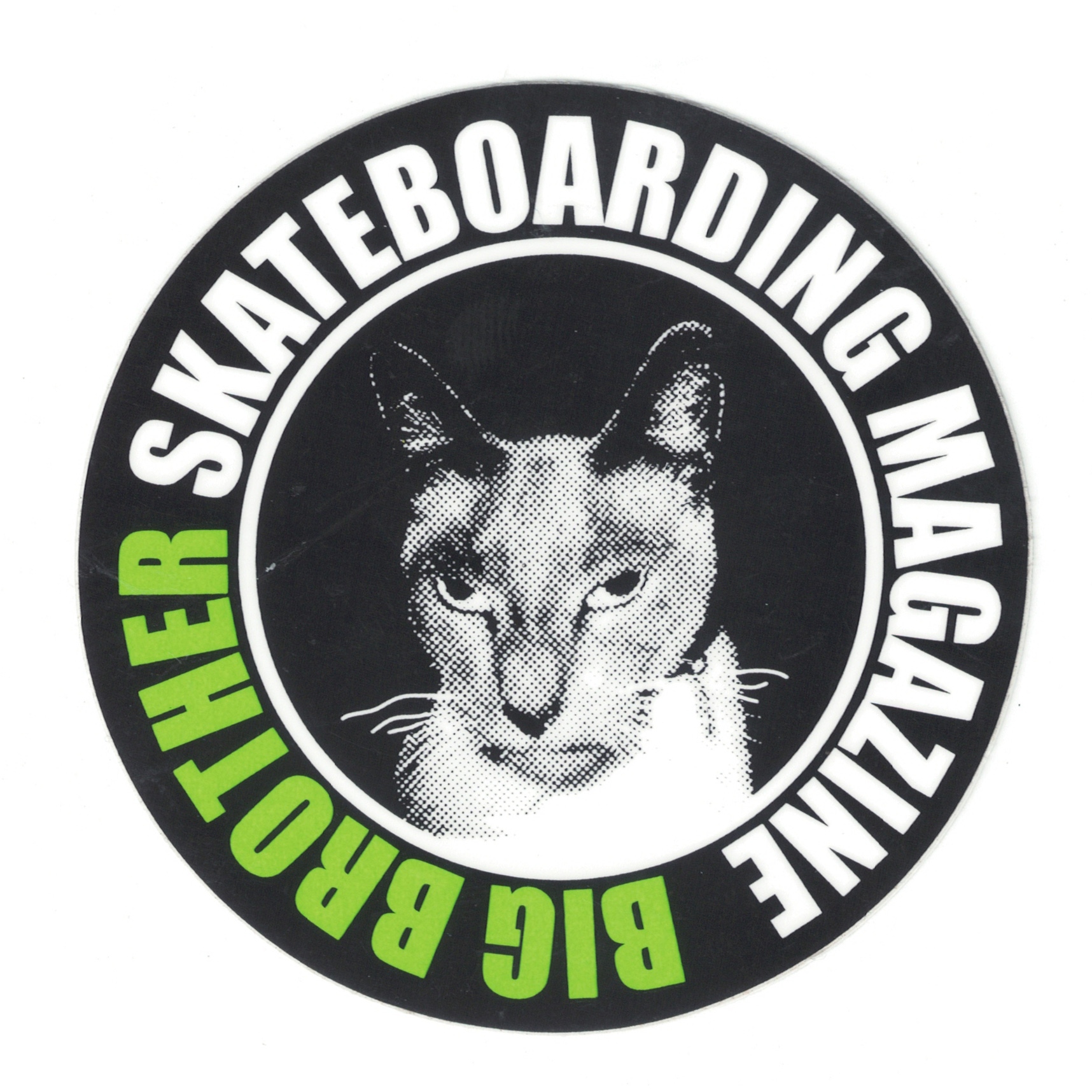
Founded by Steve Rocco (also the founder of World Industries), Big Brother was a skateboarding magazine in the 1990’s. The magazine was notorious for its hilarious written articles and how-to’s, profanity, naughty advertisements, oh, and skateboarding sequences. That infamy ultimately led to the attention of, and sale to Larry Flint (of Hustler fame) in the late 90’s. It’s also where several future Jackasses (Jeff Tremaine, Johnny Knoxville, Jason Acuña (Wee-Man), Chris Pontious, and Rick Kosick) worked at one time, so there’s that too. By far, the BEST source of info on this topic is the documentary ‘Dumb: The Story of Big Brother Magazine‘, which you can and should watch on Hulu.
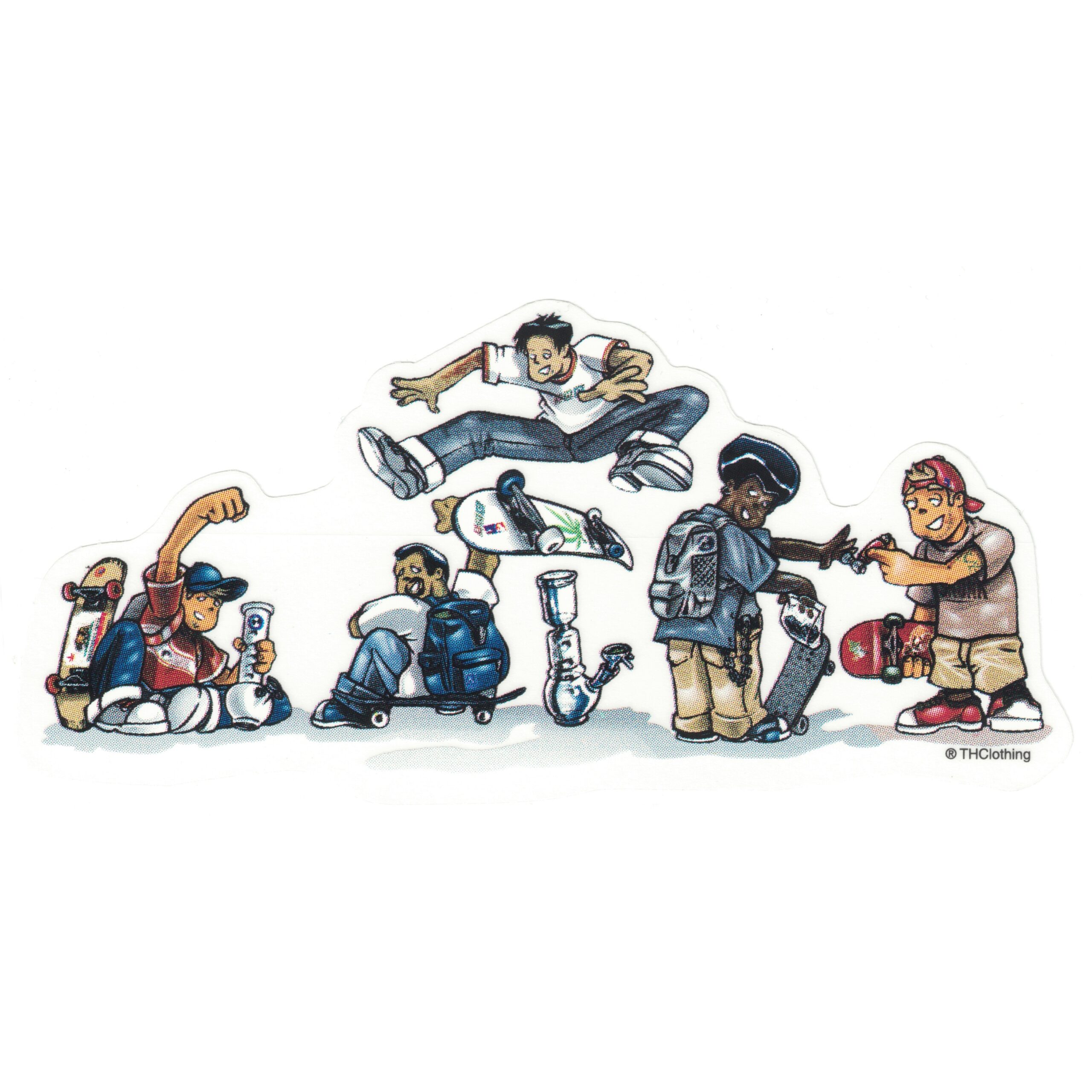
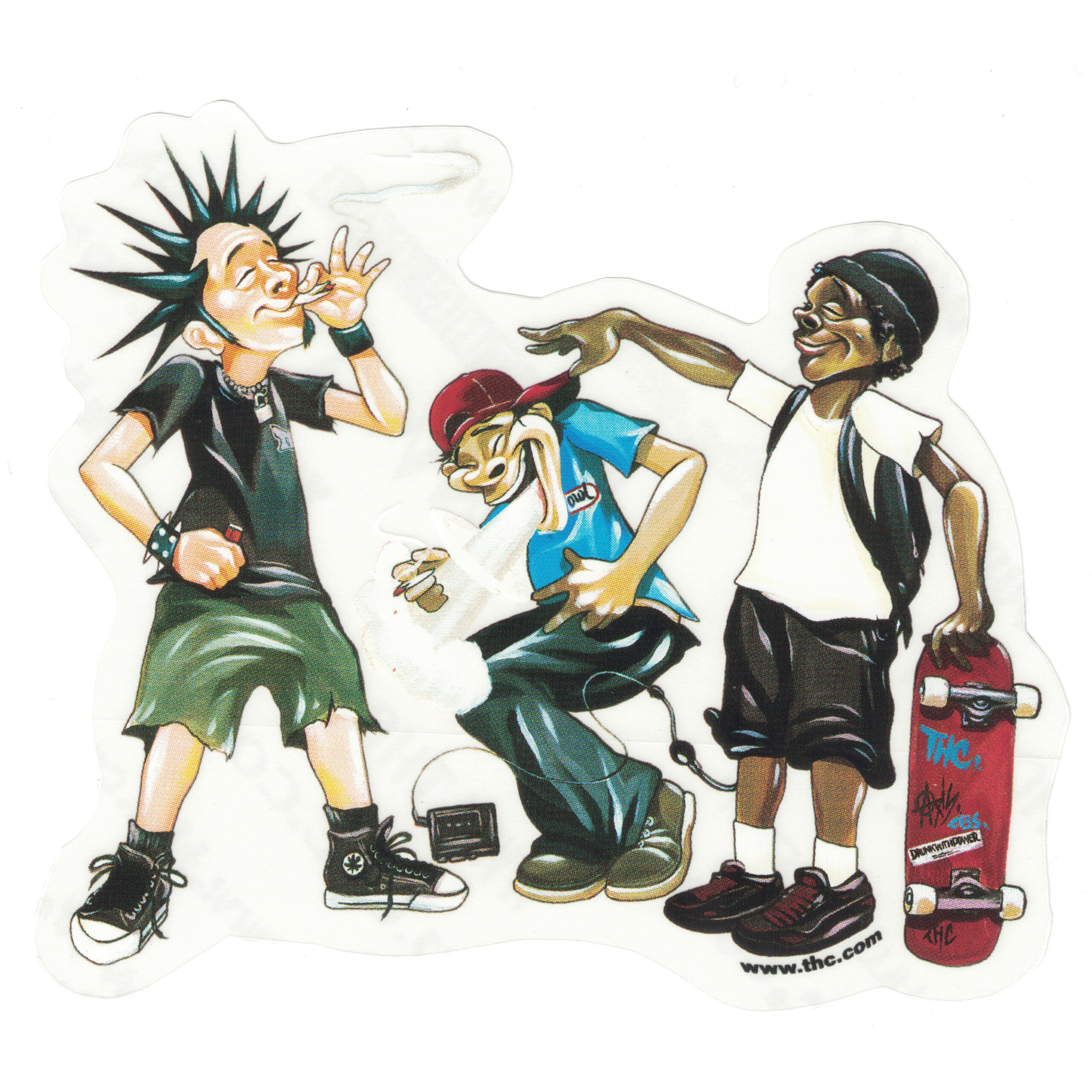
The purpose of this article is to show some of their art from my scans from my collection of stickers, and some PDF’s made from scans of the magazine which I am not responsible for. However, considering the company is defunct, the magazine is out of print, and back issues cannot be purchased from the original publisher(s), I would at some point like to expand this post to include more complete PDF scans of the issues for preservation and enjoyment. But that will obviously cost some cash and time to do by myself and I think the better strategy is to ask that if you have some issues of Big Brother mag already and a good quality scanner, direct message me on Twitter (@CPXART) and let me know if you’re willing to help out on this.
– CPX

WARNING: Contains explicit content

WARNING: Contains explicit content

Here are a few PDF’s made from scans of Big Brother Magazine issues that someone else made and I take no credit for: [1, 2, 3, 5, 7, 10, 14, 16, Oct. 97, Mar. 98, Mar. 99].

Posted on

Old Ghosts Designs

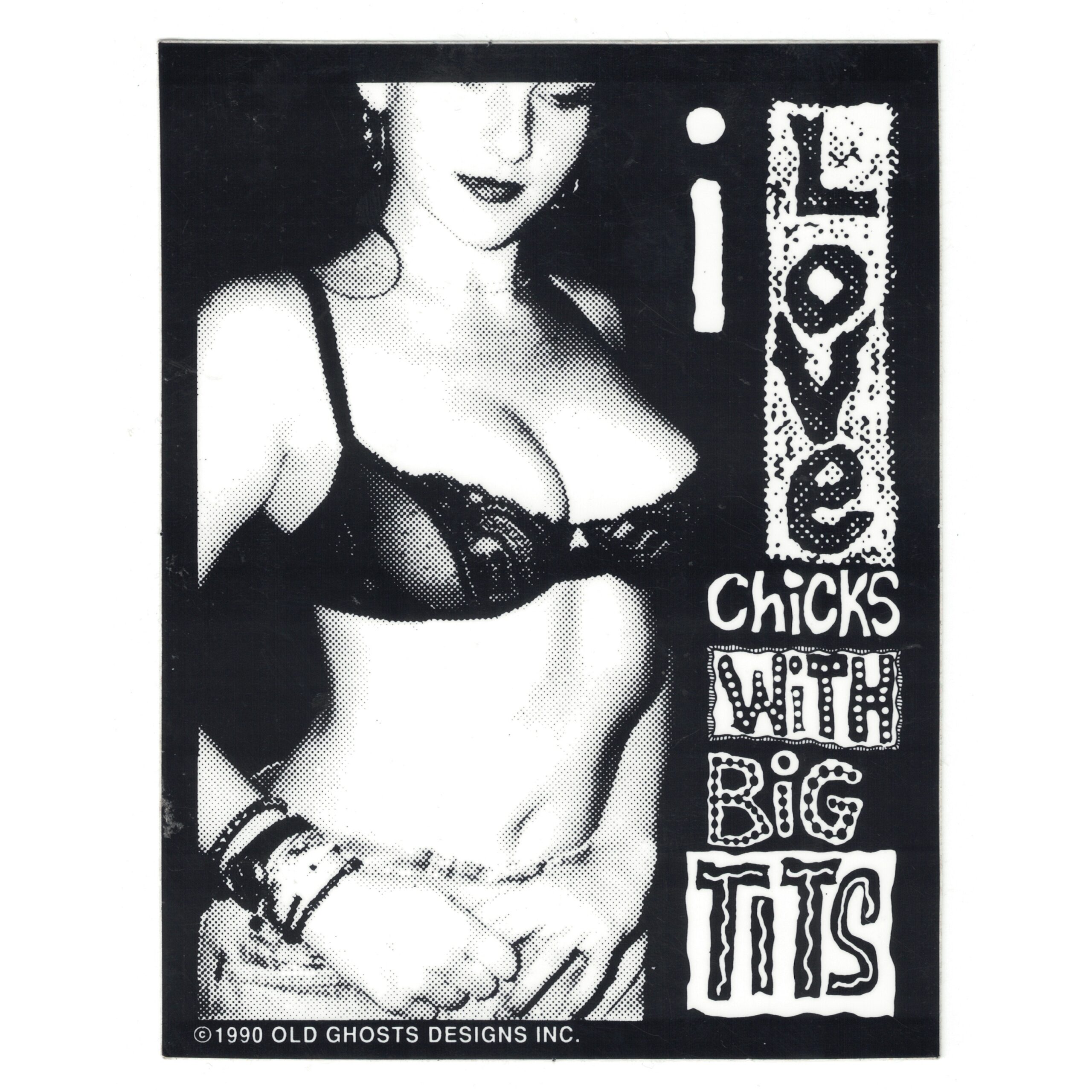
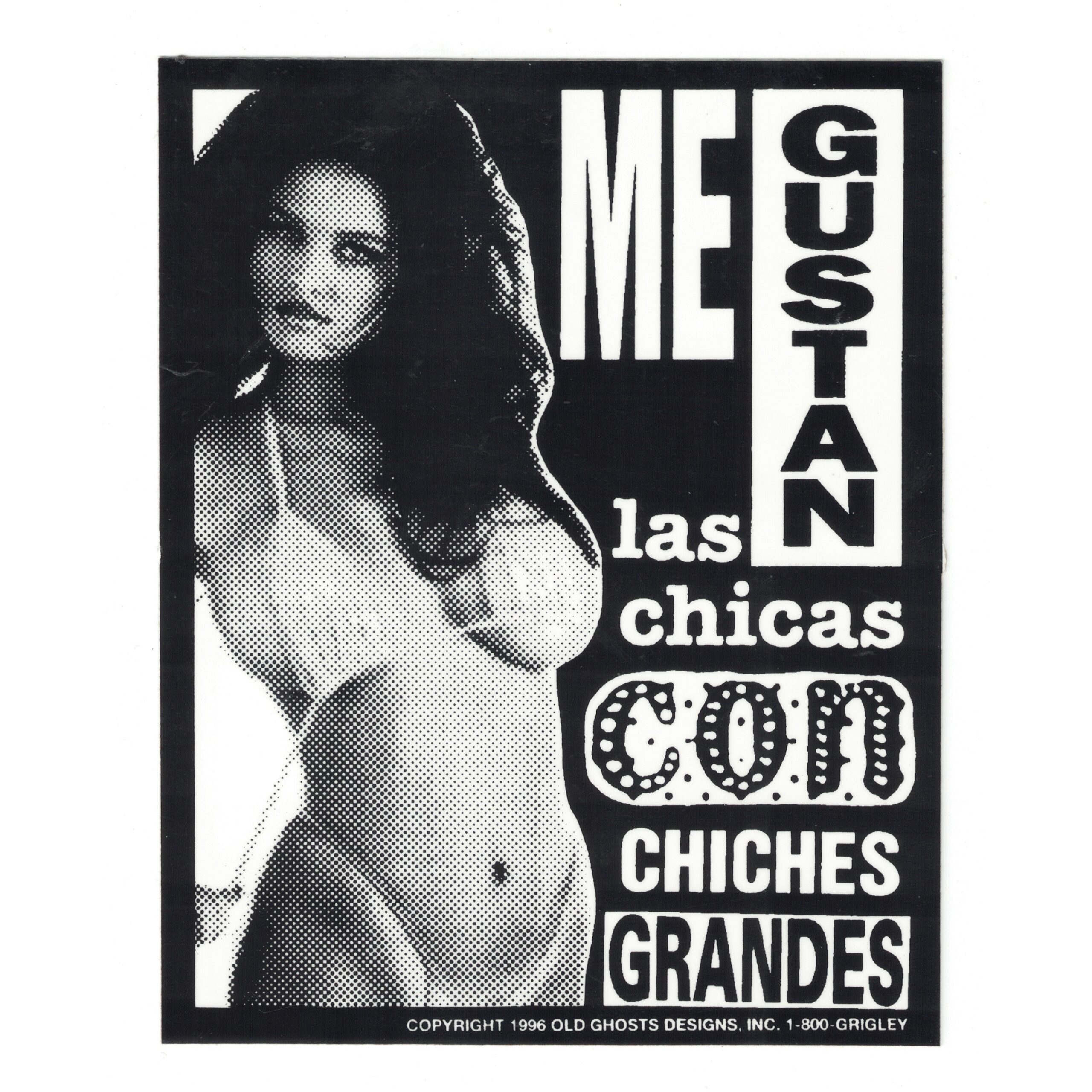
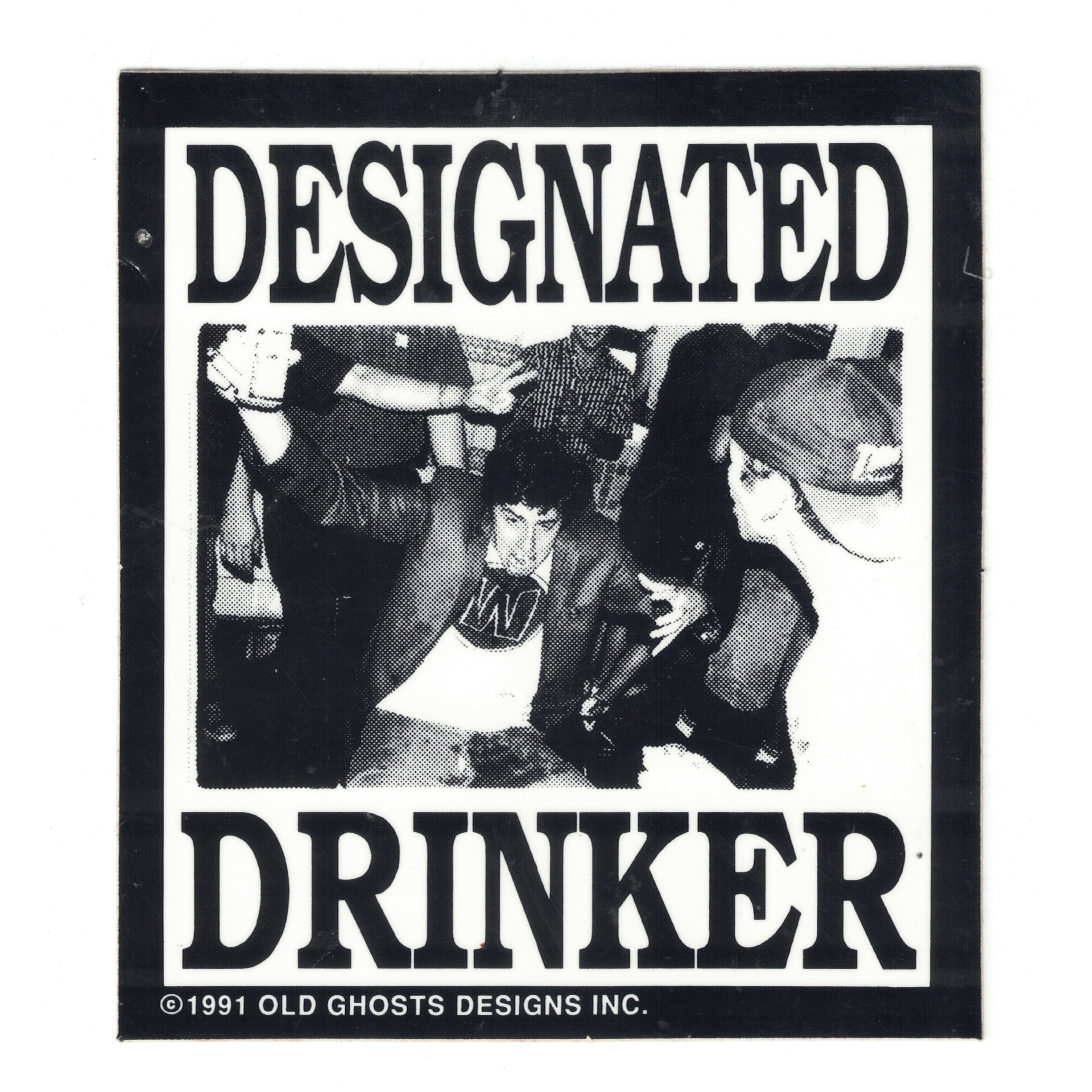
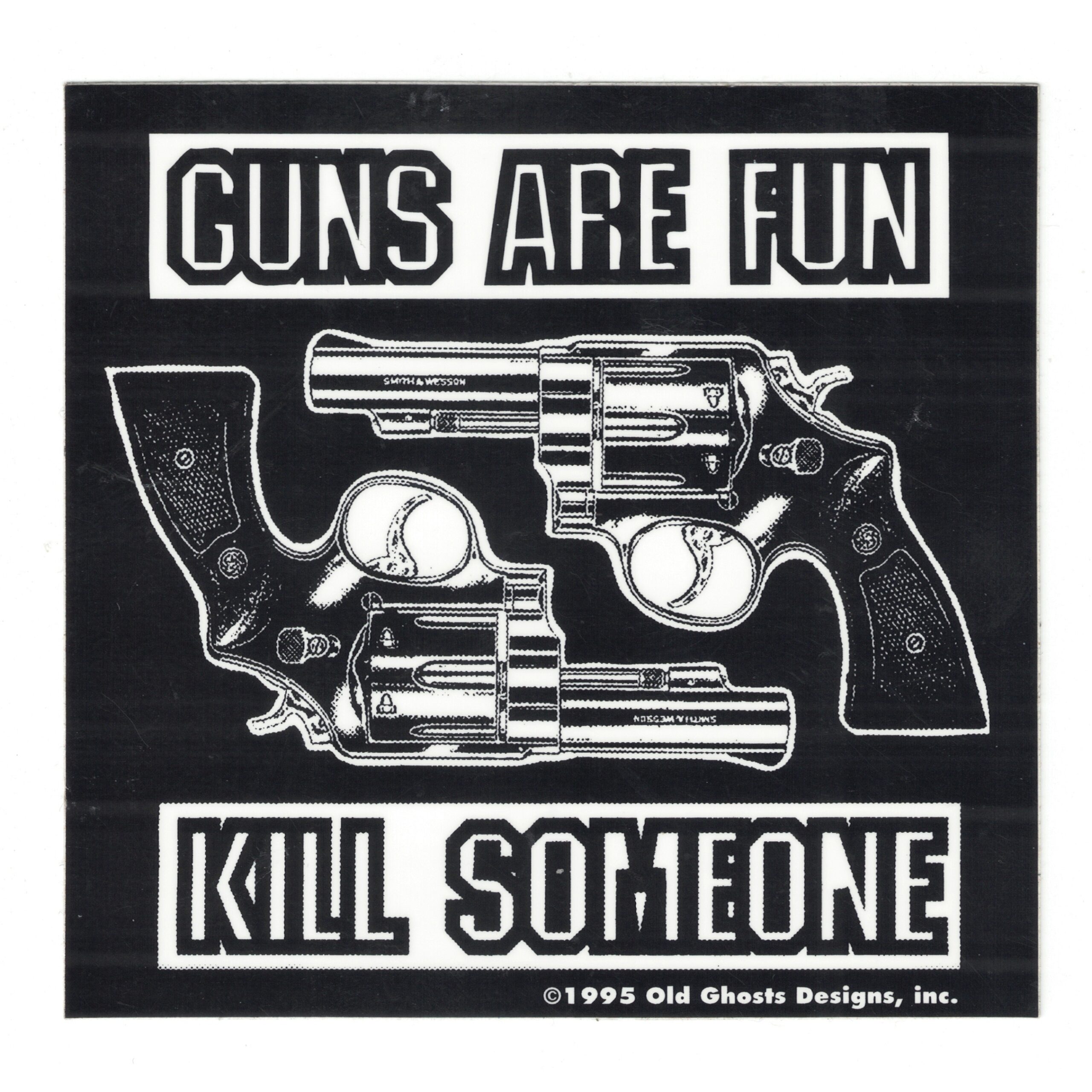
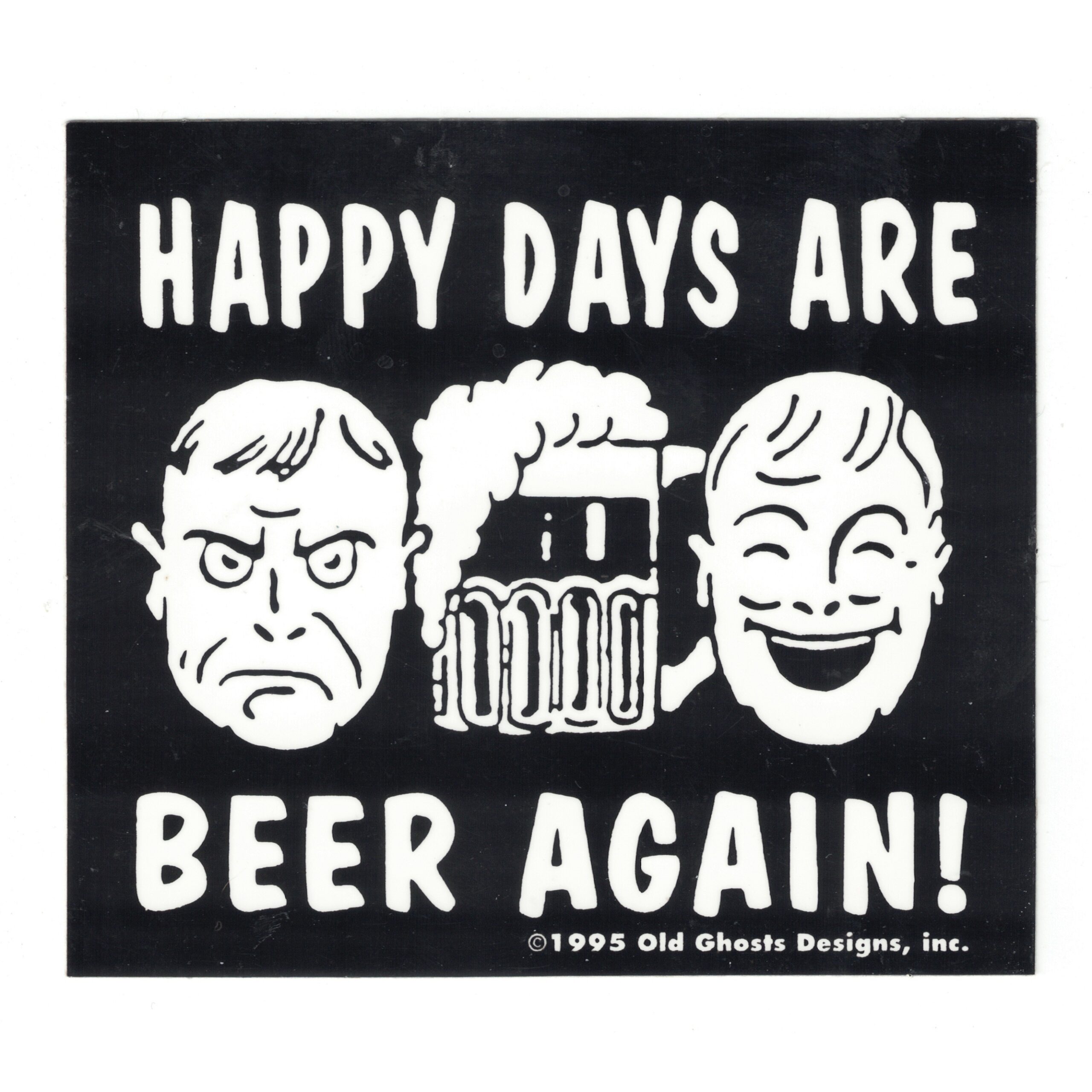
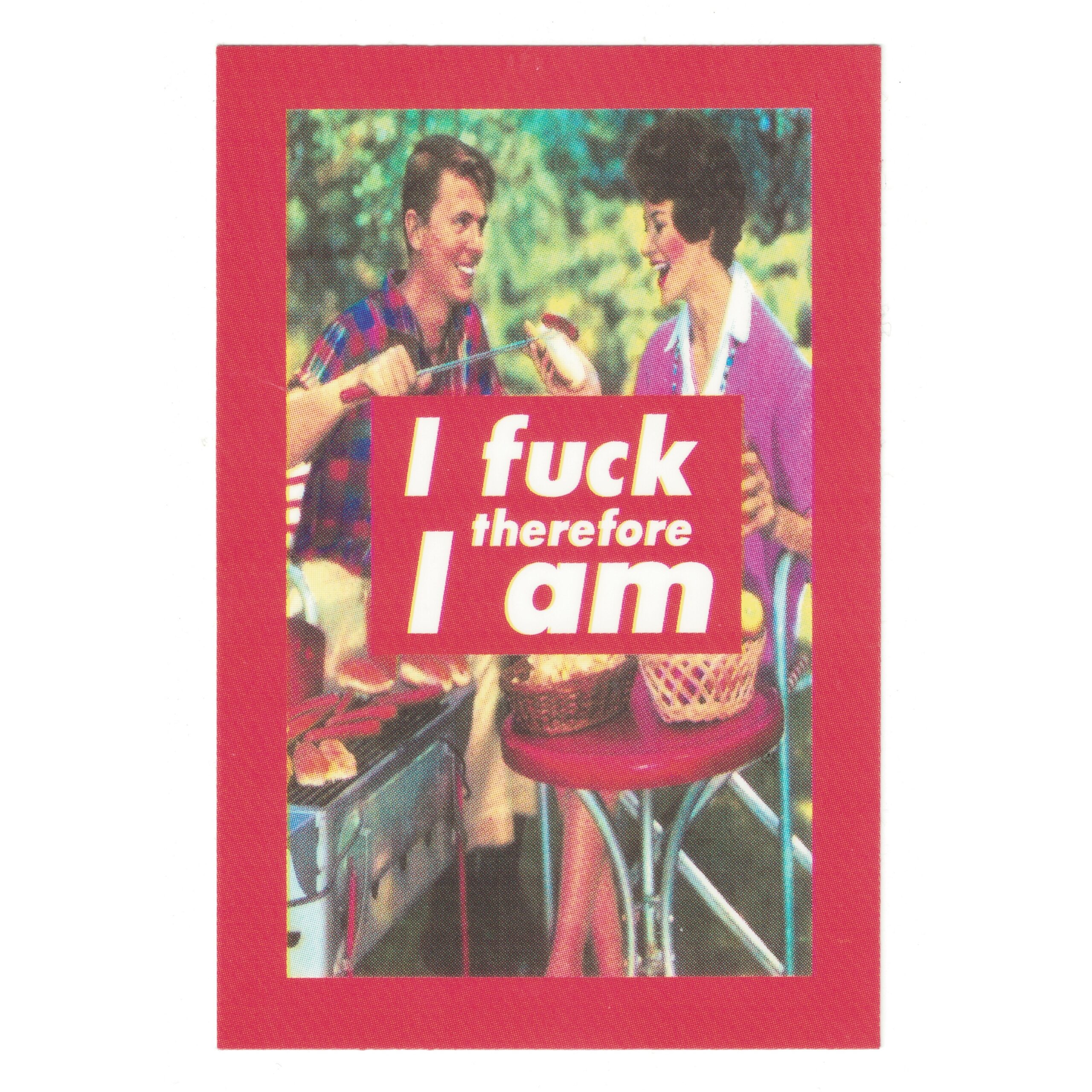
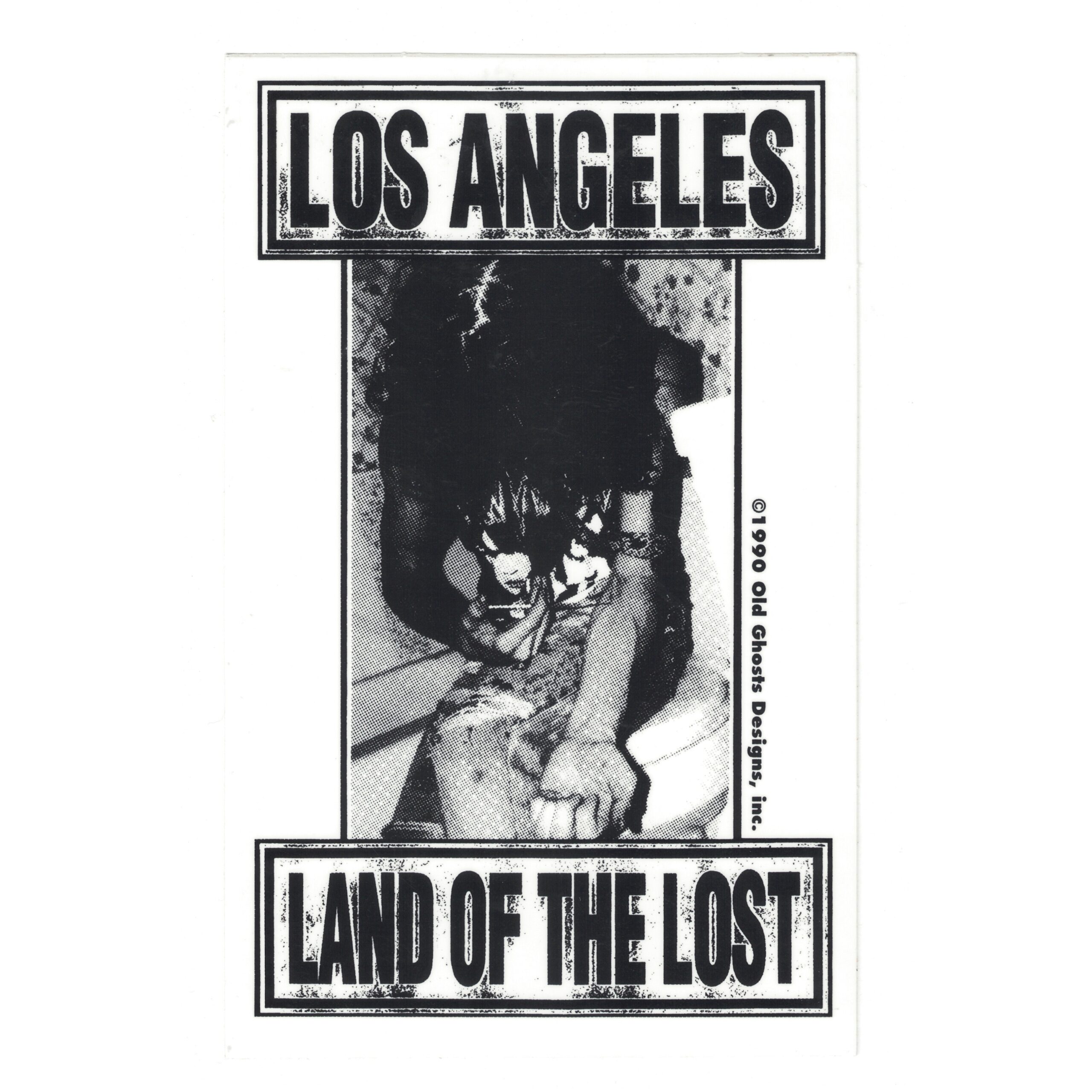
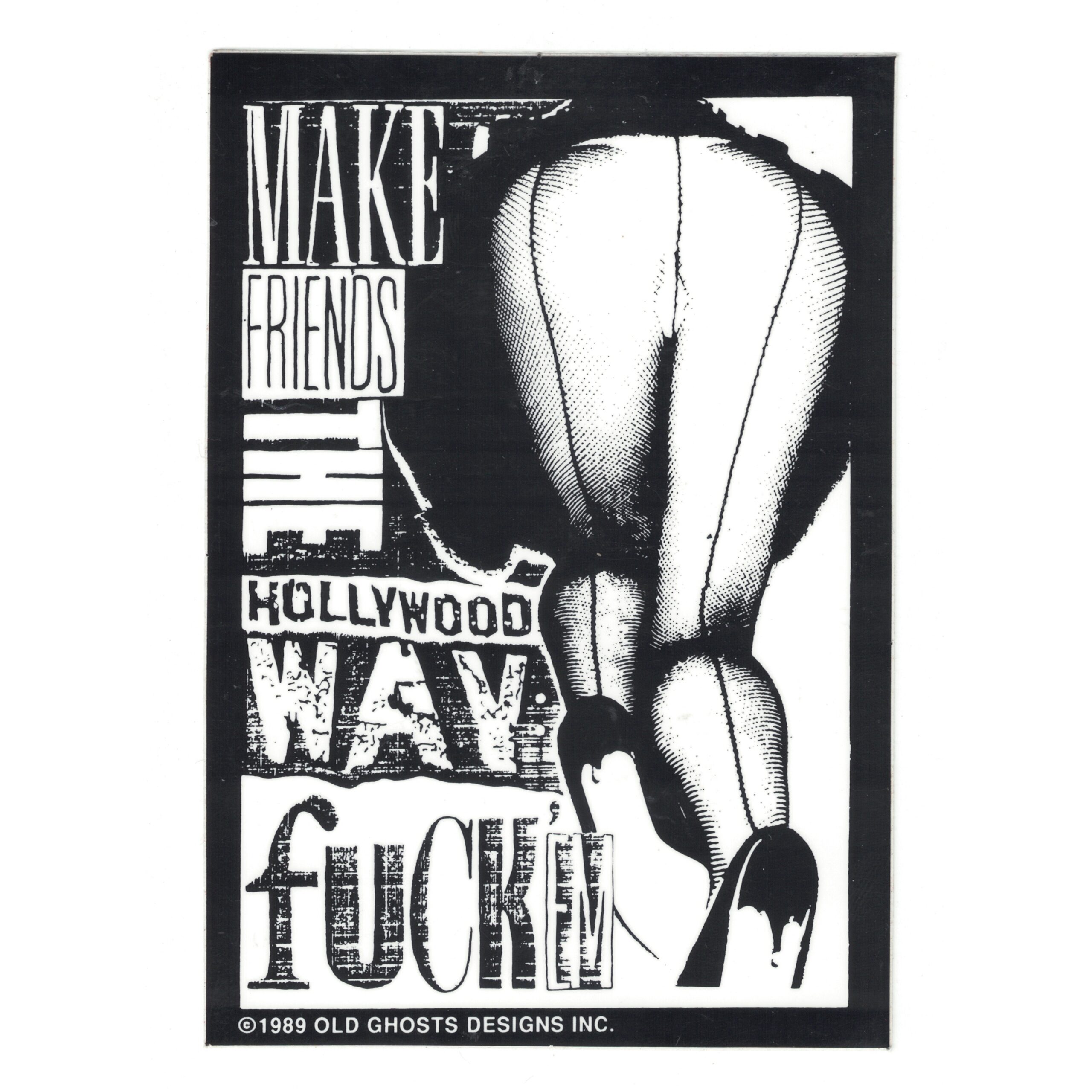
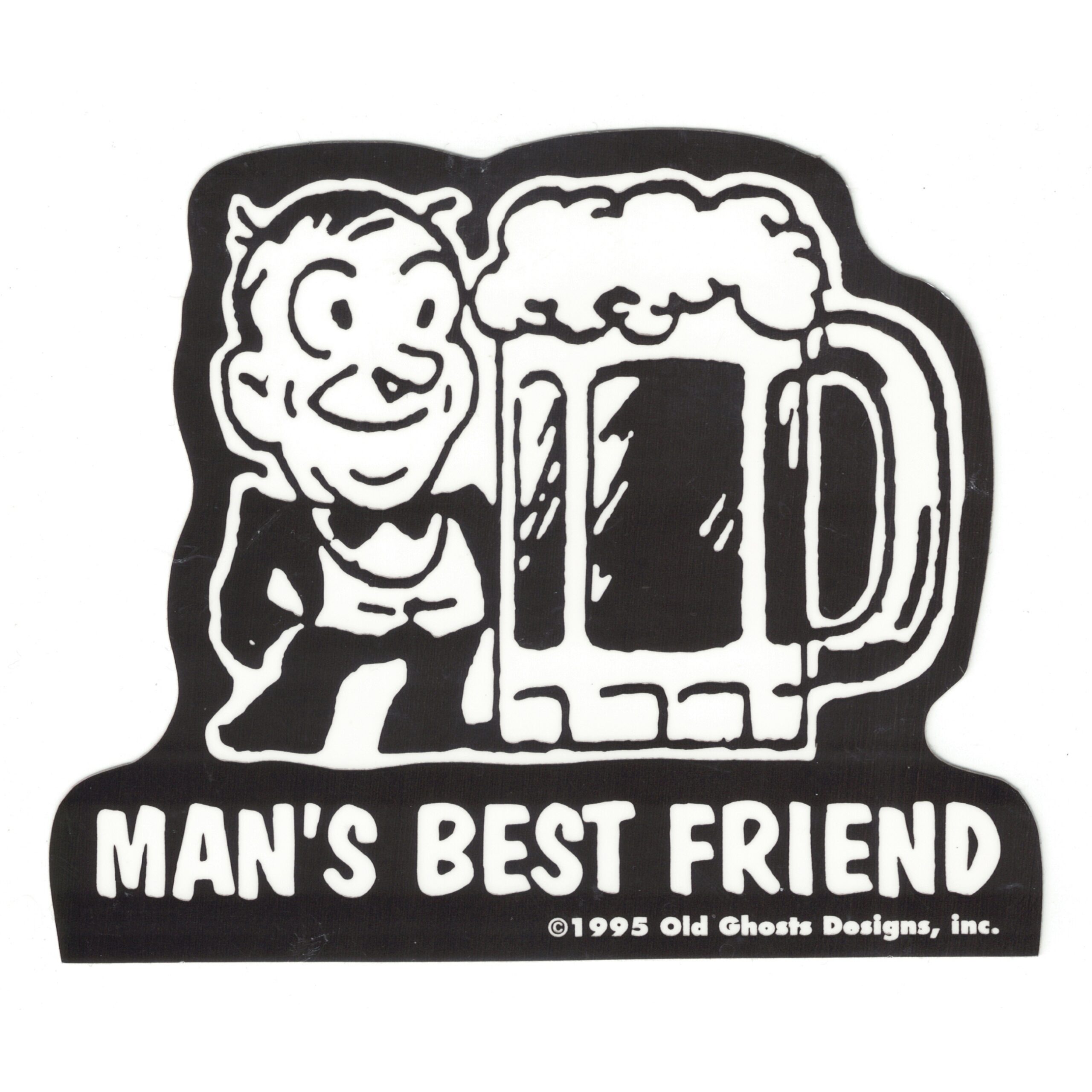
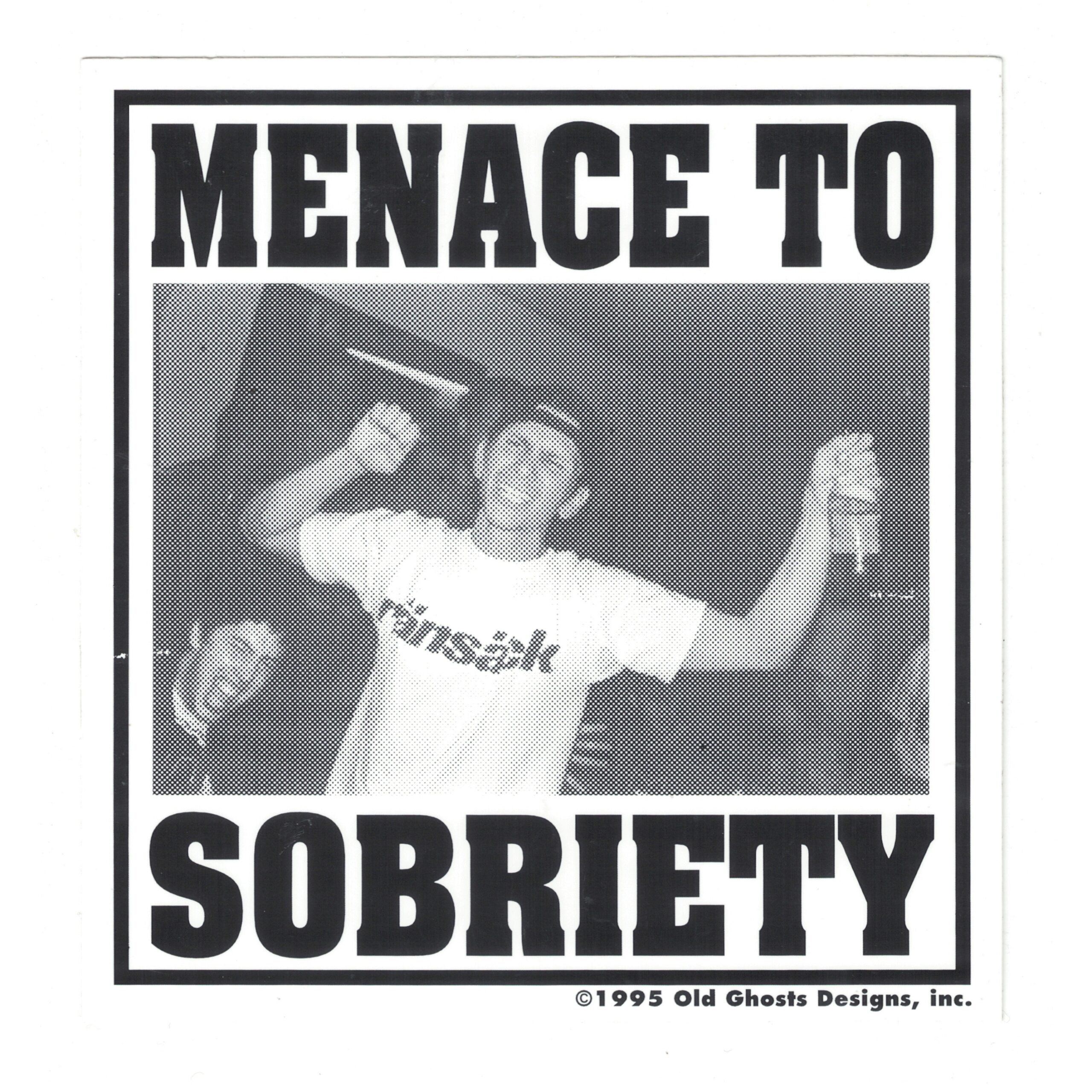
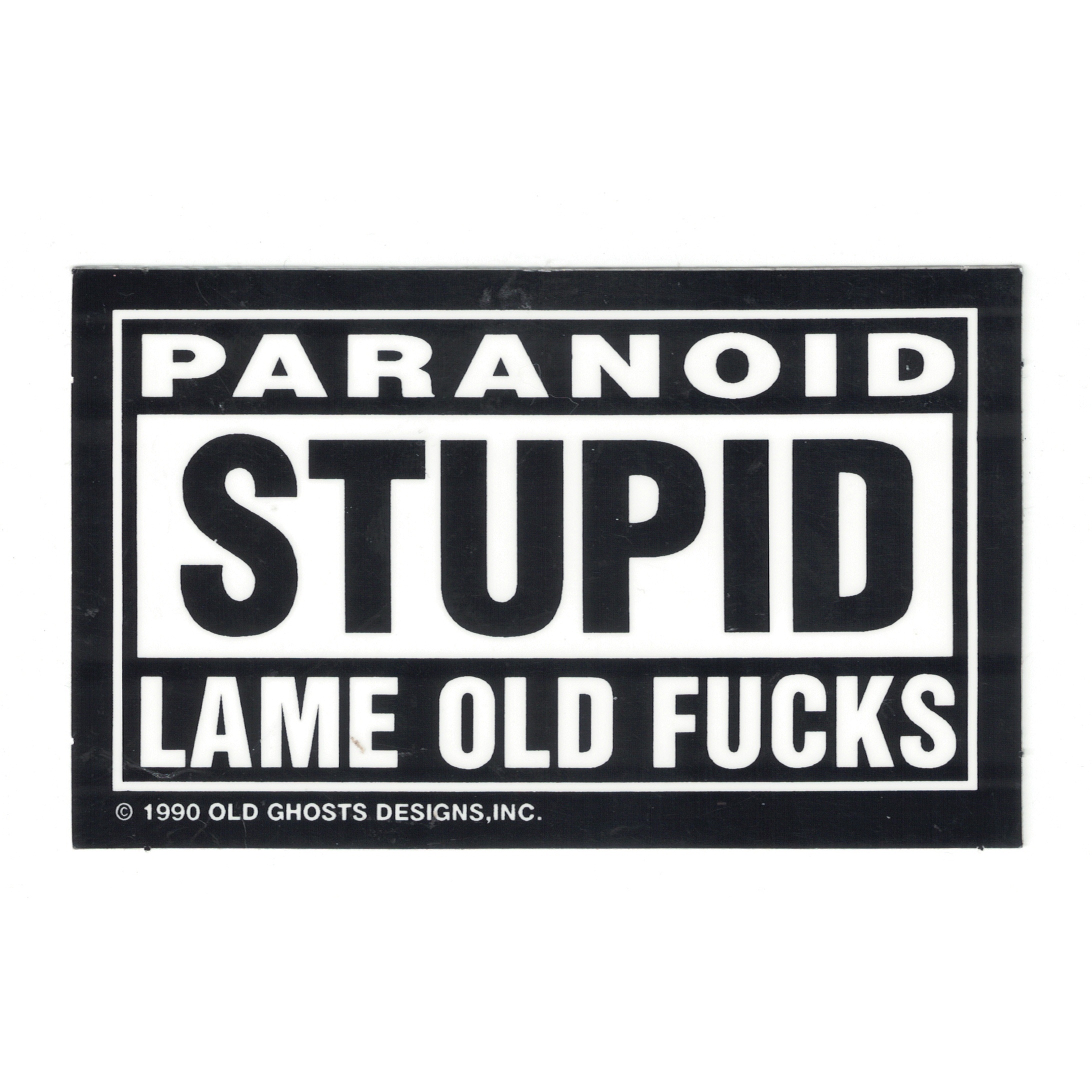
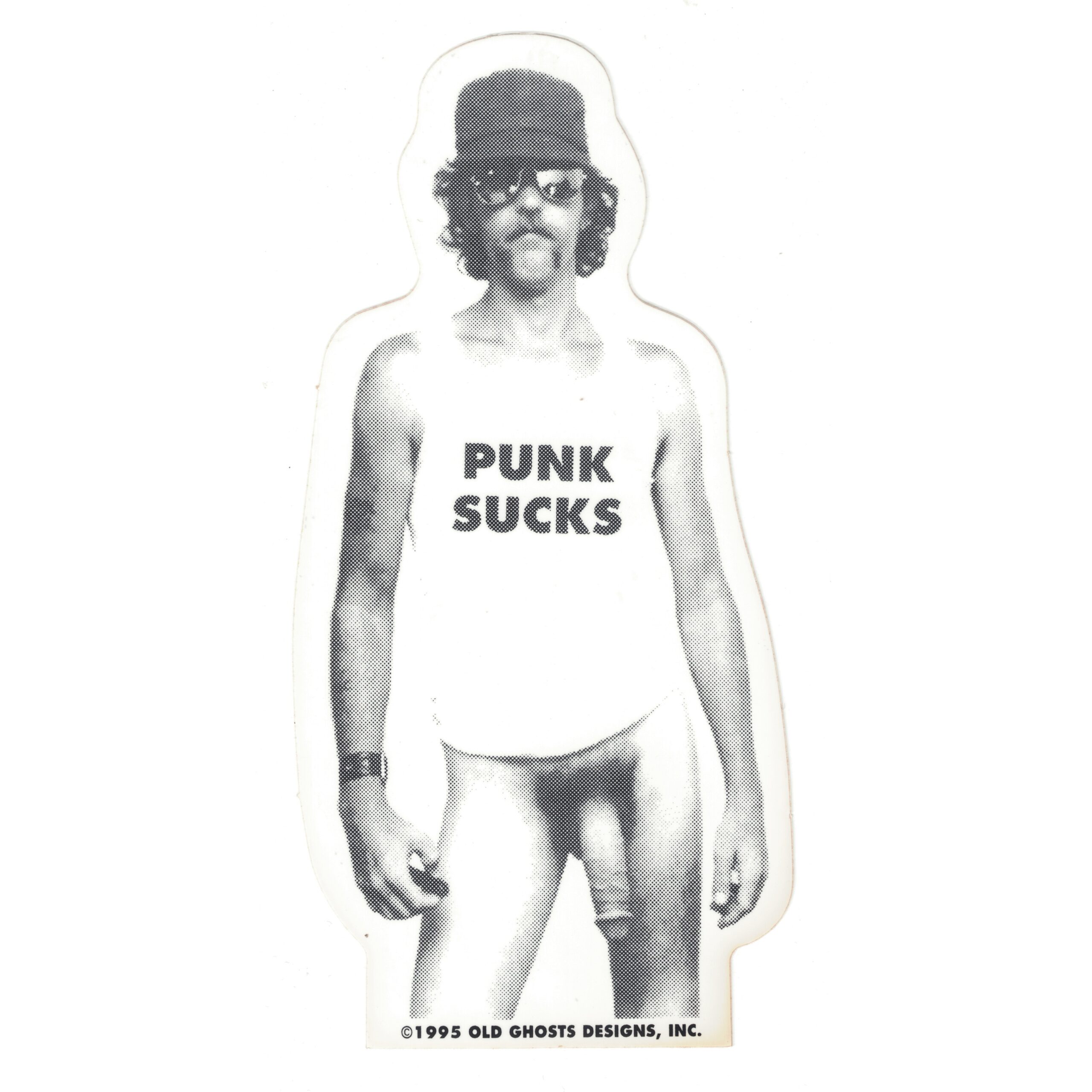
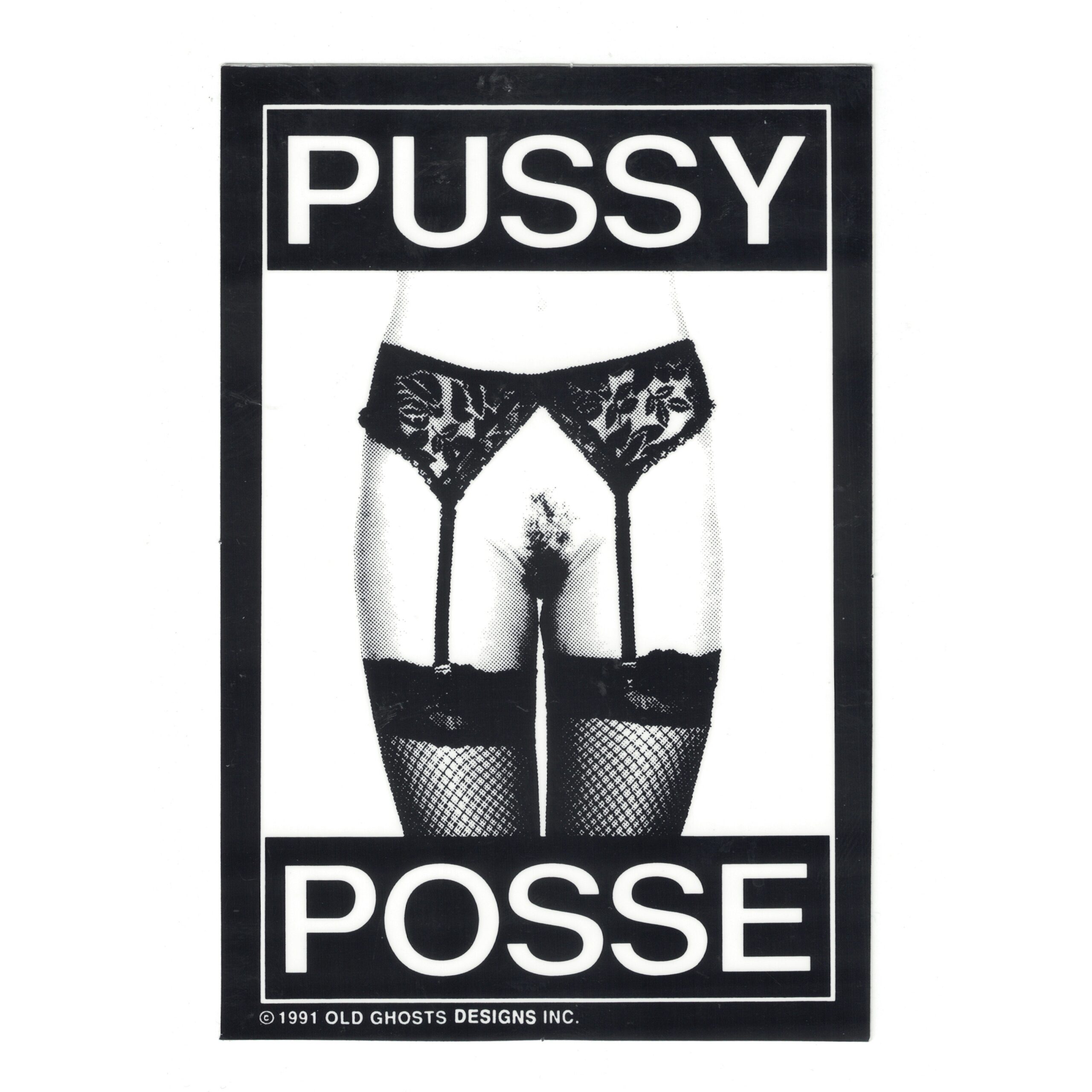
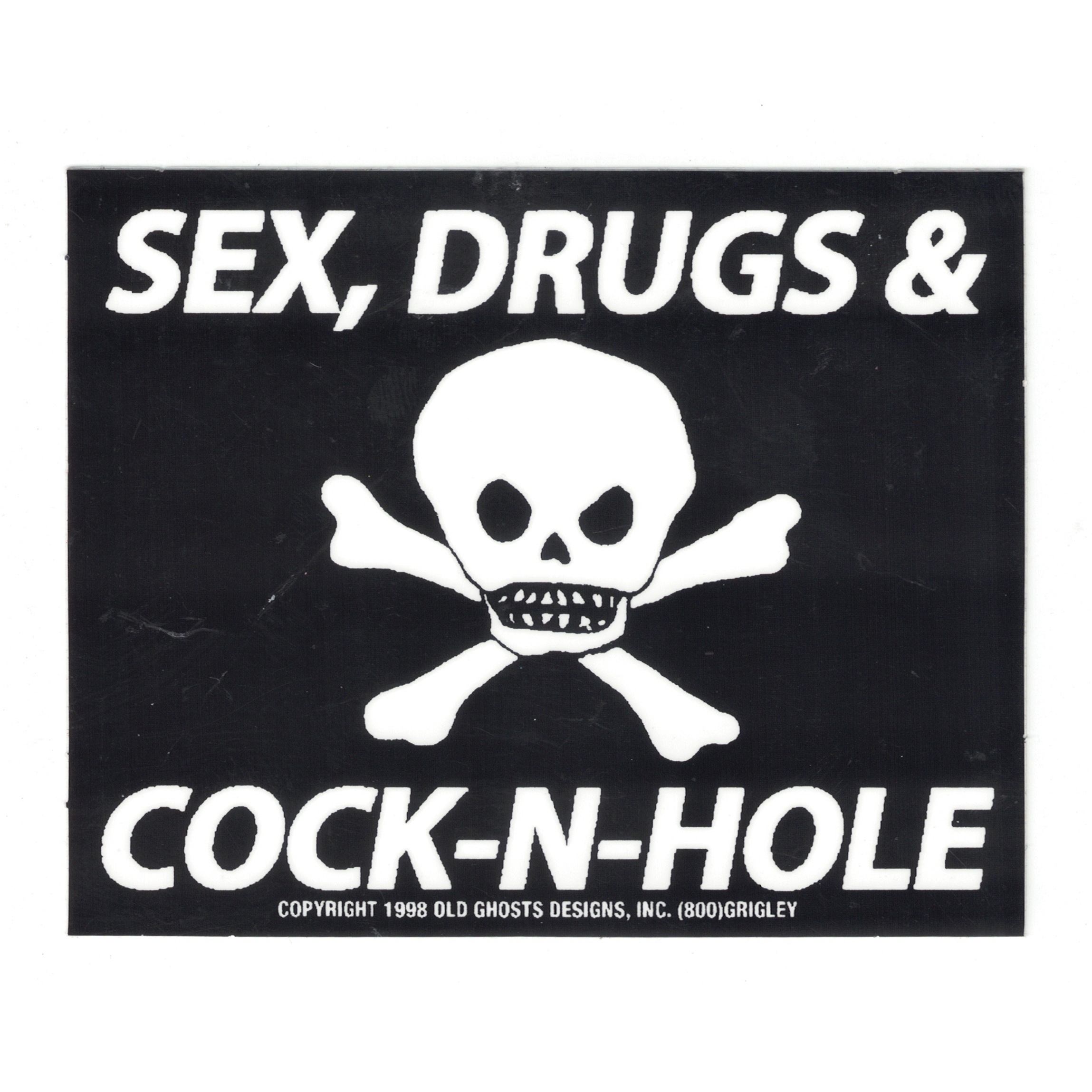
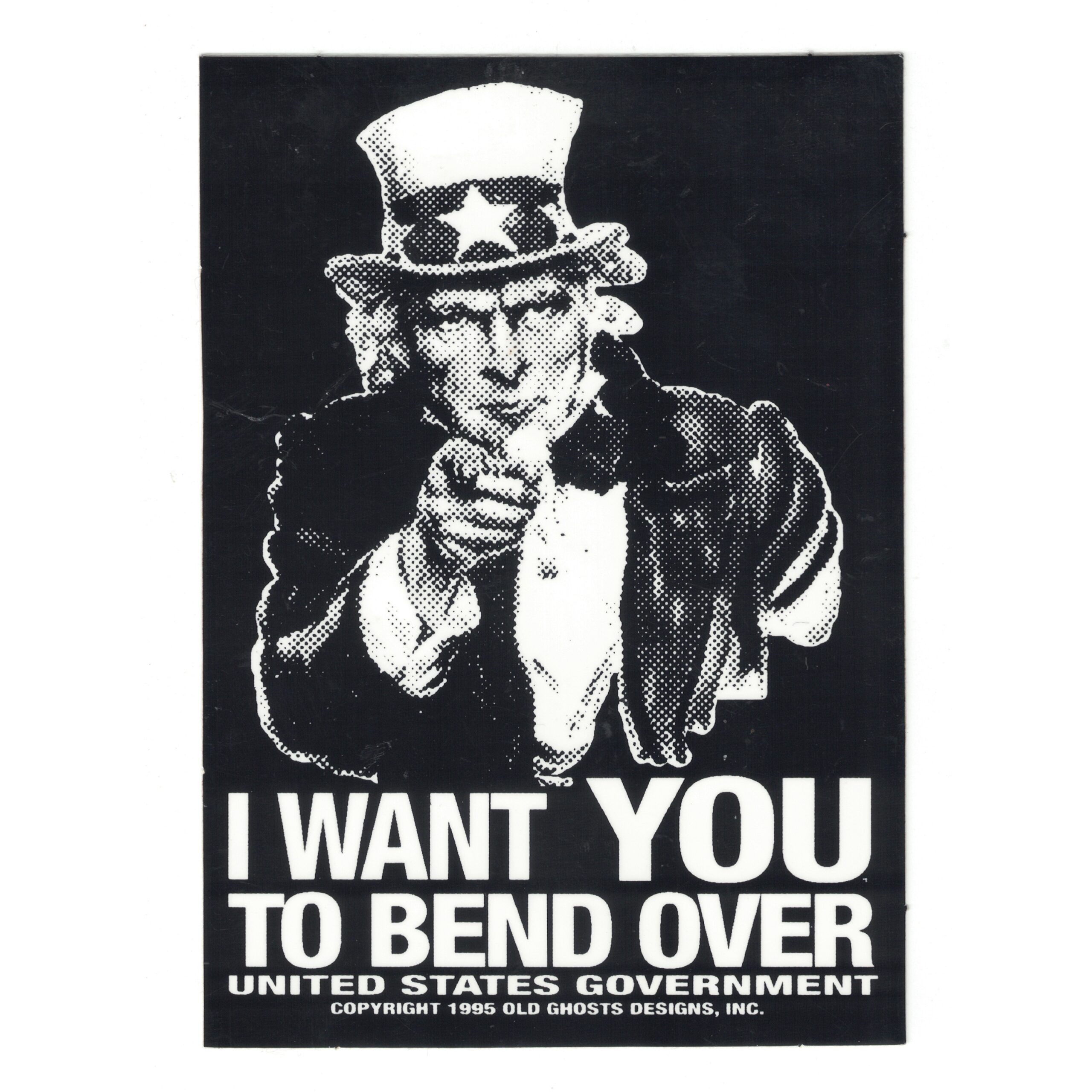
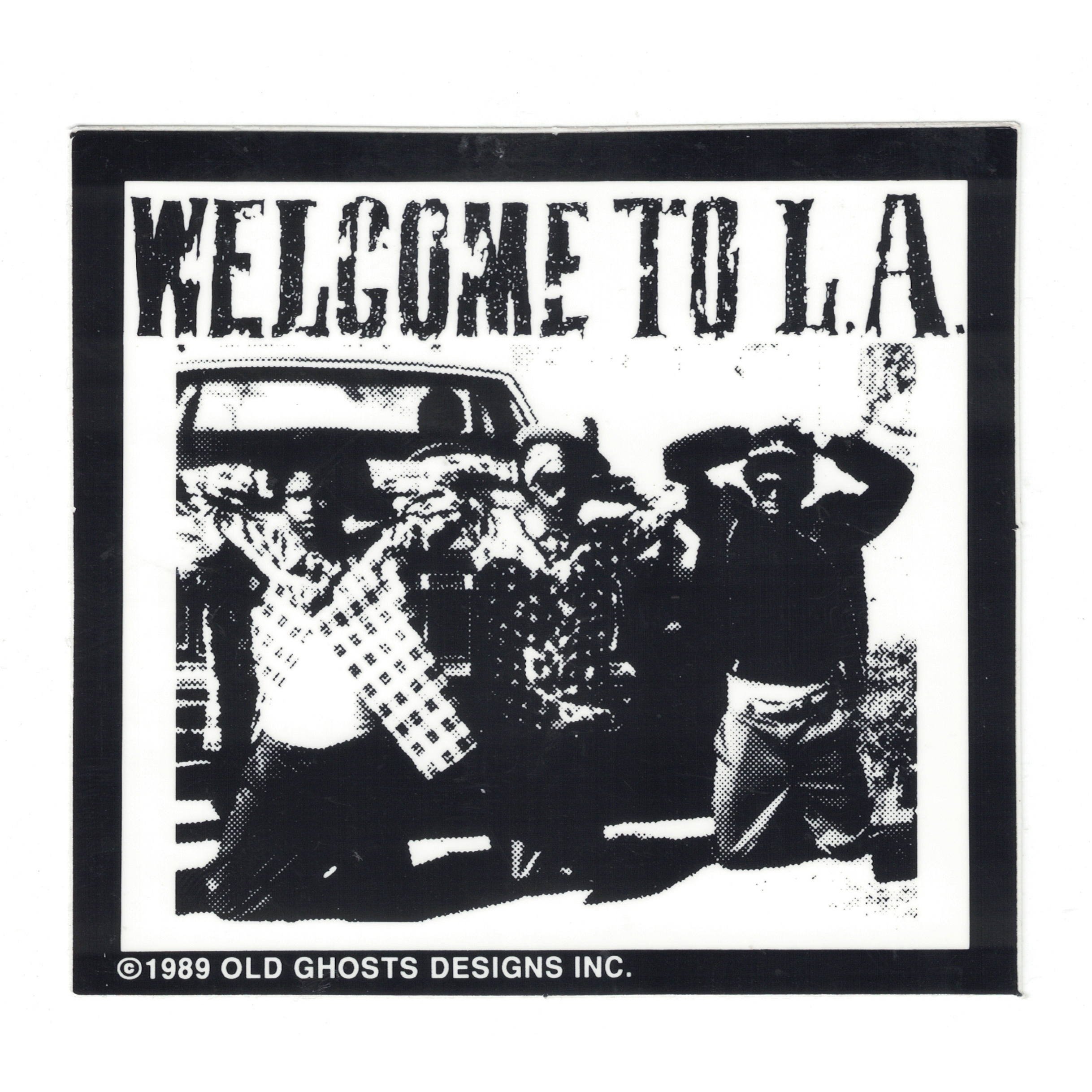
Old Ghosts Designs was a veteran streetwear company founded in the late 1980’s by John Grigley, 80’s professional skateboarder (and artist) of Vision team fame, whom released his designs on t-shirts and stickers throughout the 90’s. The name ‘Old Ghost’ originated as a pro-model skateboard deck designed by John, followed by the Vision Guardian, and Vision Aggressor. There are a lot of articles and discussion from other sources that focus on the skateboard deck designs, and while I’m certainly a fan of those too, the focus of this post is to show Old Ghosts Designs art from scans of my collection of stickers.

I really dig the style of the Old Ghosts Designs. I think to fully appreciate this art, you have to recognize that this was before the age of Photoshop and computer graphic manipulation, so a complete image is really comprised of several stacked layers of graphics and text fonts – created the old school way. The lack of color and the stark black and white contrast (the exception being the Barbara Kruger ‘I Shop Therefore I Am’ parody) is also really cool, and I suppose partly due to the photocopy and/or photo negative technique. The theme of sex & drugs & rock & roll (Ian Dury) is also apparent. It’s pretty obvious that this style has gone on to inspire a lot of other street artists and designers over the years. John was way ahead of the pack of unconventional artists producing politically incorrect and bawdy designs, and he is truly a pioneer in the streetwear scene. Respect.

Shamelessly, this is the part of the post where I solicit pieces for my collection that I do not already have. So, if you have any unpeeled, original (not a reprint) stickers, print advertising from Old Ghosts that you do not see in the image slider below, and that you would be willing to part with, please direct message me on Twitter (@CPXART) and I’ll gladly pay a fair price. I am not a reseller. I am an avid collector of average financial means. Also, you can and should follow John Grigley on social media (Twitter: @johngrigley) / (Facebook: facebook.com/grigley) to see how he is spending his time these days.

– CPX

WARNING: Contains explicit content

Old Ghosts Designs

Posted on

Skateboarding Video Preservation

With its classic fish eye lens perspective, music selection, rider style, lines (tricks performed consecutively), editing, and production value, skateboarding video is an art form. Also, with the likes of Spike Jonze and Stacy Peralta, some of the most creative talents in videography and video production coming from this film genre, it’s no wonder there are several skate videos that are renown, even decades after their release.

Here are some of the best and most renown skateboarding videos if you’d like to watch them on YouTube, but truthfully watching them on YouTube really doesn’t do them justice. A few of these are so good they have been re-released on DVD or digital download, and you should definitely purchase them directly from the team / company that made them, if possible and still available.

There are so many more really excellent skate videos out there. Frankly, it’s kind of sad that I even have to limit this list to these 10 or so, but I’d be here all day listing off great skateboarding videos, and that’s really not the point of this post. If skate videos are your thing, or even if they’re not, you may find it interesting to know that there is a group of archivists / preservationists that have a crowdsourced project to video capture and digitize all of the 411 Video Magazine (411VM) issues from VHS tape. There are so many awesome segments from that skateboarding video magazine that deserve to be preserved for future generations to view and enjoy, and thanks to these guys, they are now. You can join their Discord discussion group here, and/or follow Tim, whom digitized the majority of the 411VM VHS over at Archive.org.

– CPX

Posted on

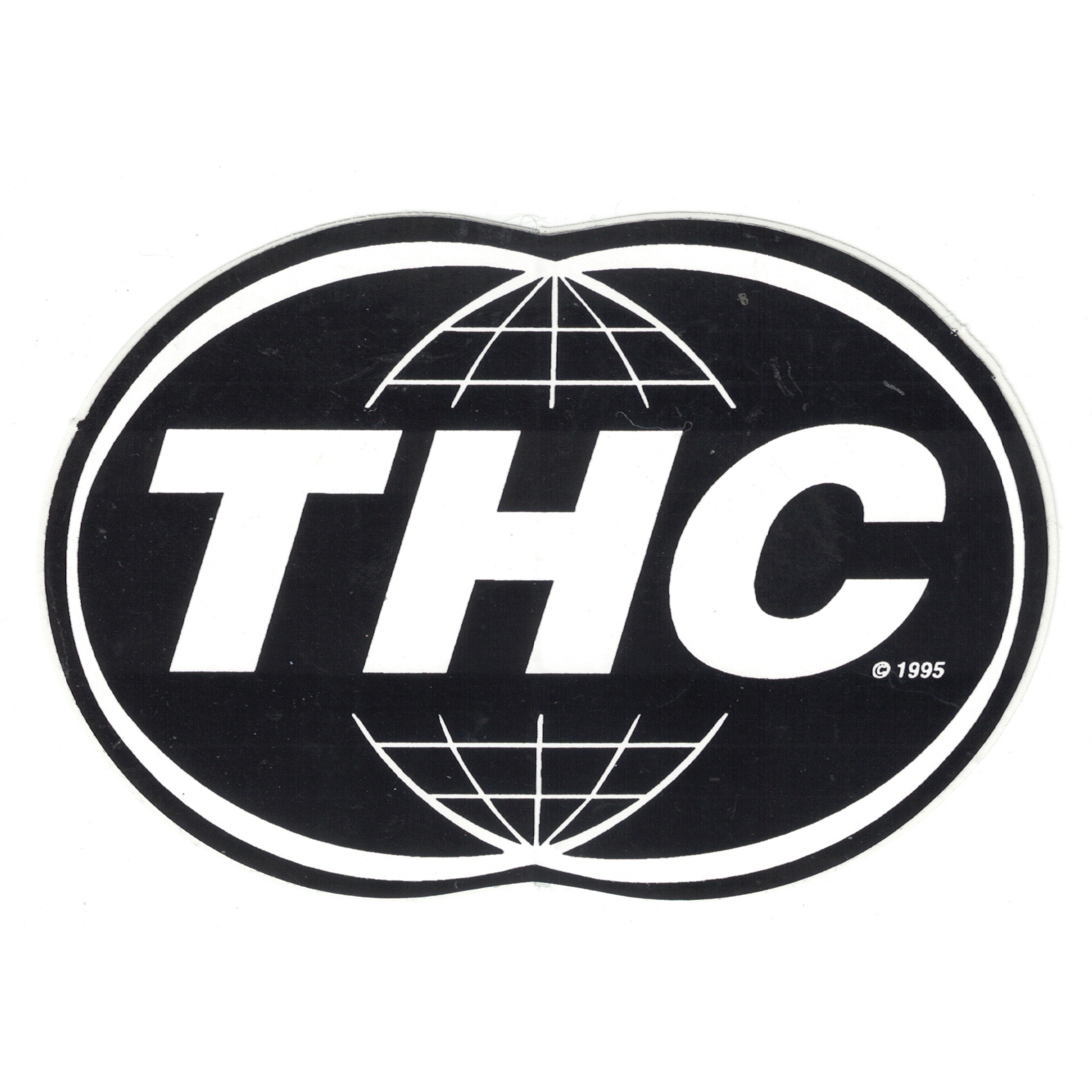
THC – Grown in the U.S.A.

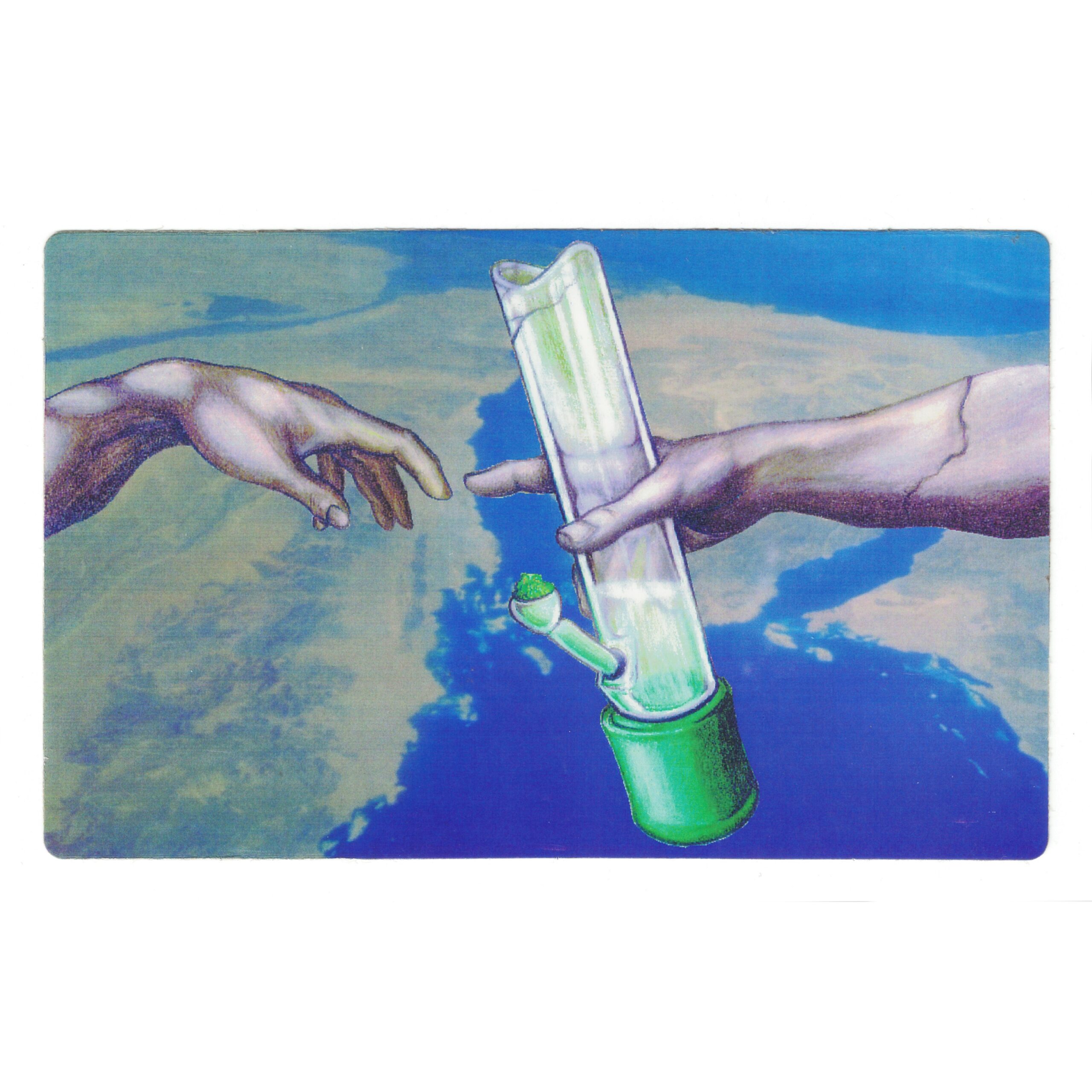
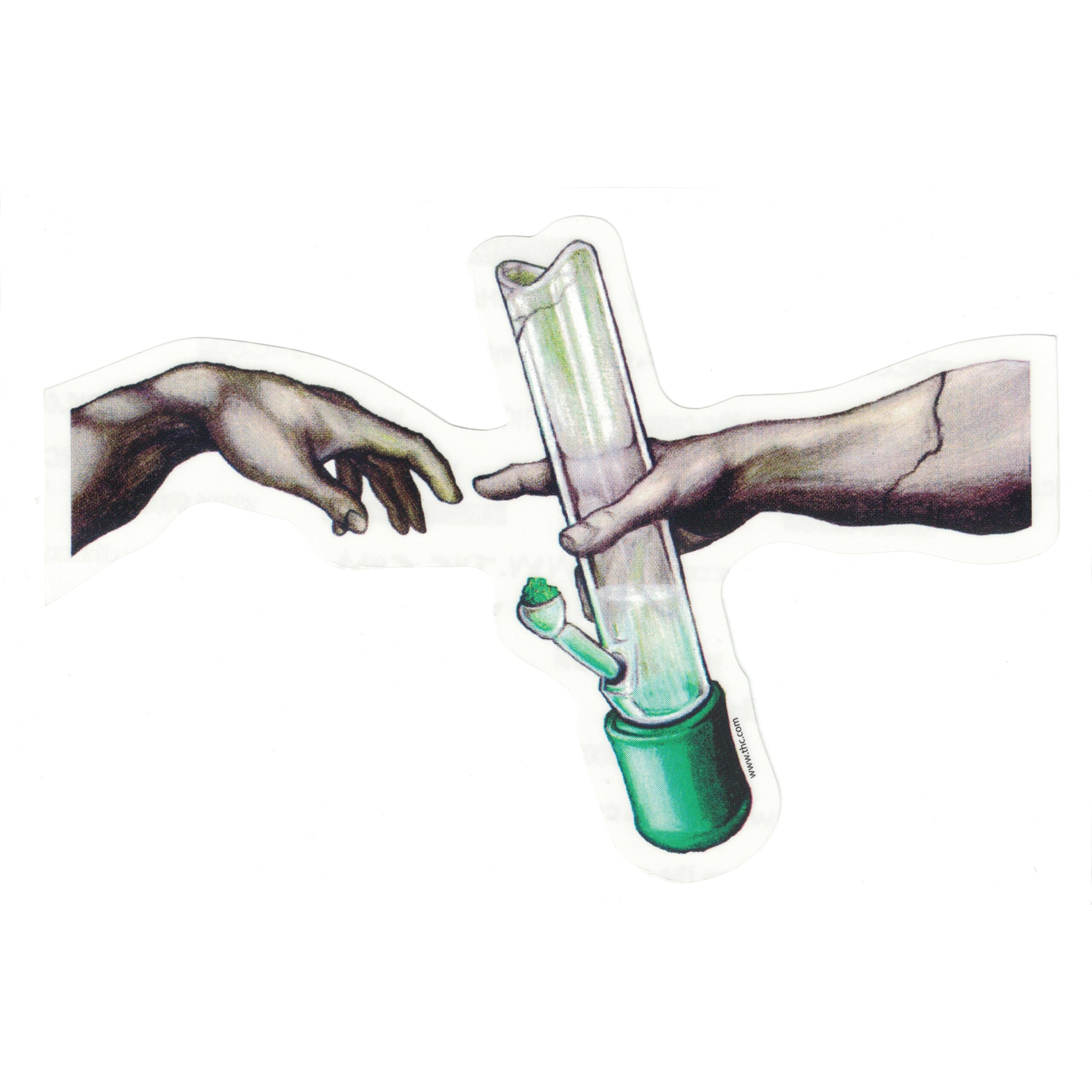
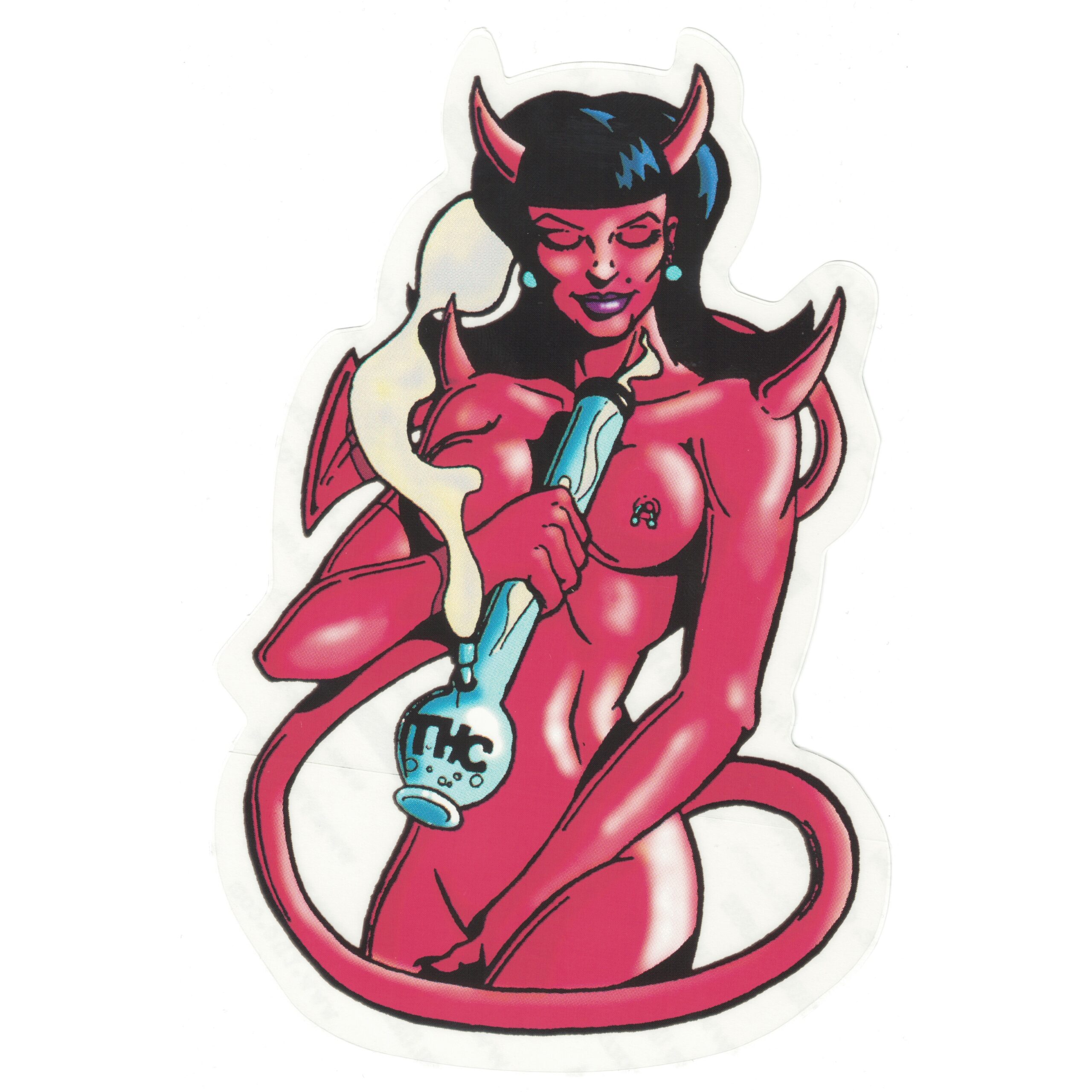
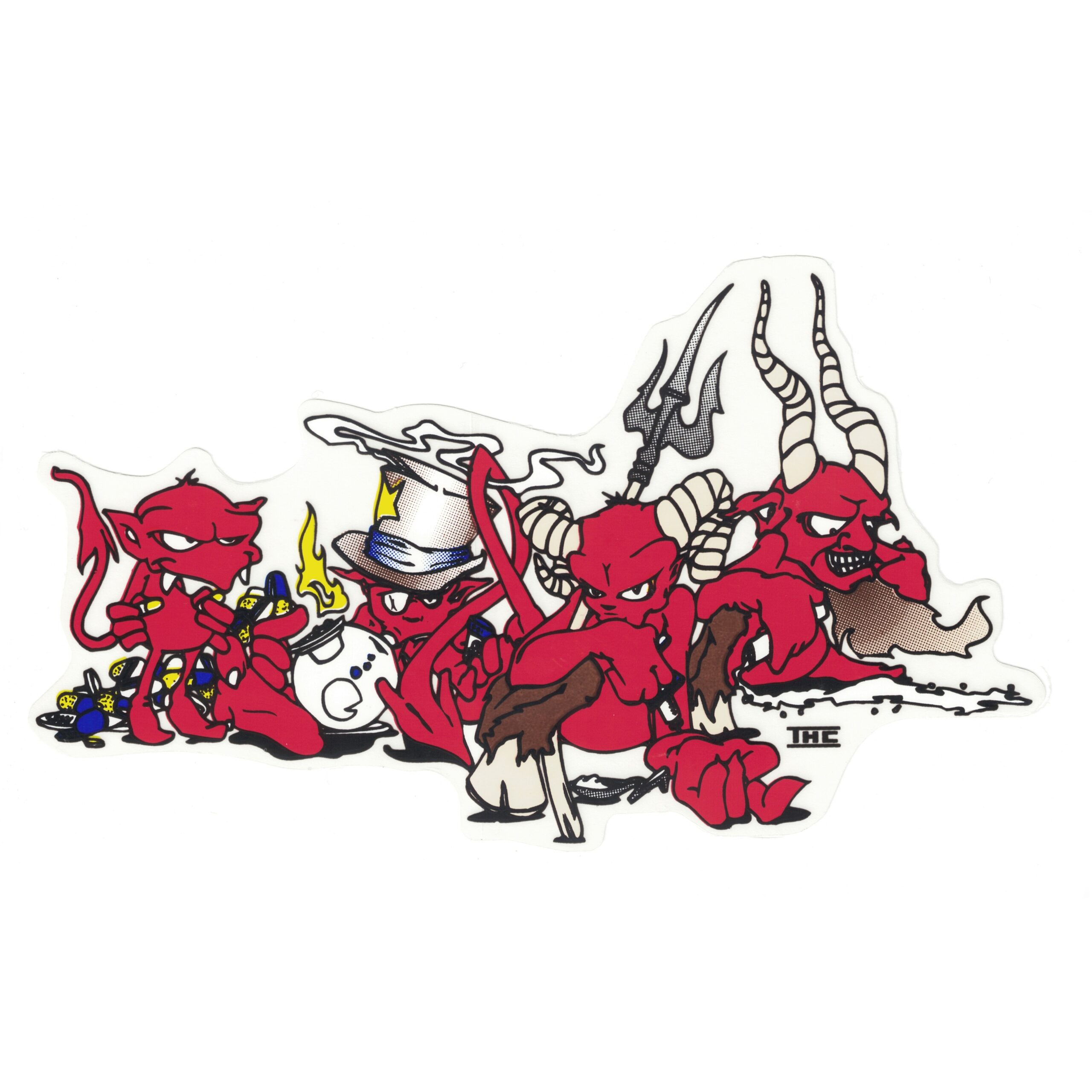
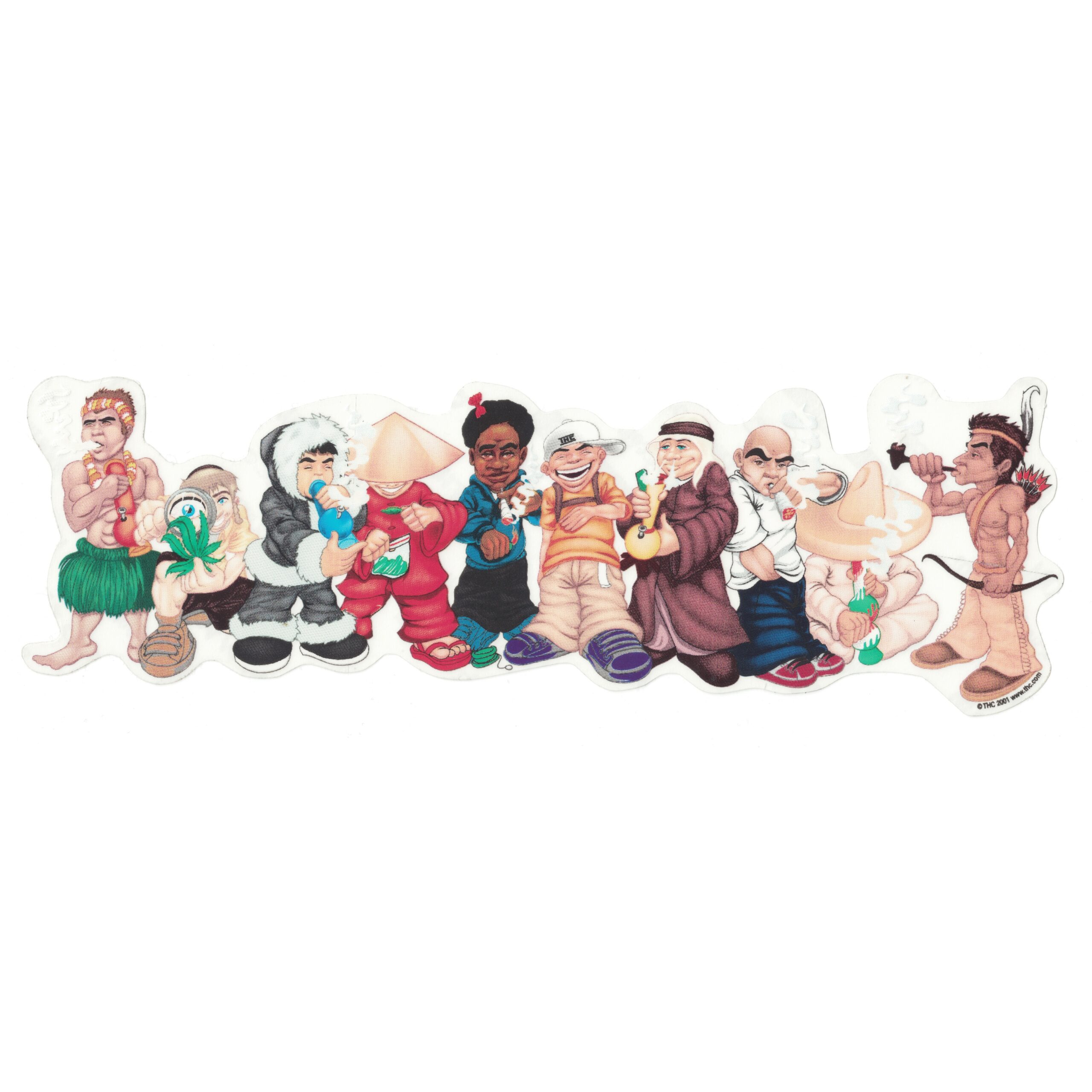
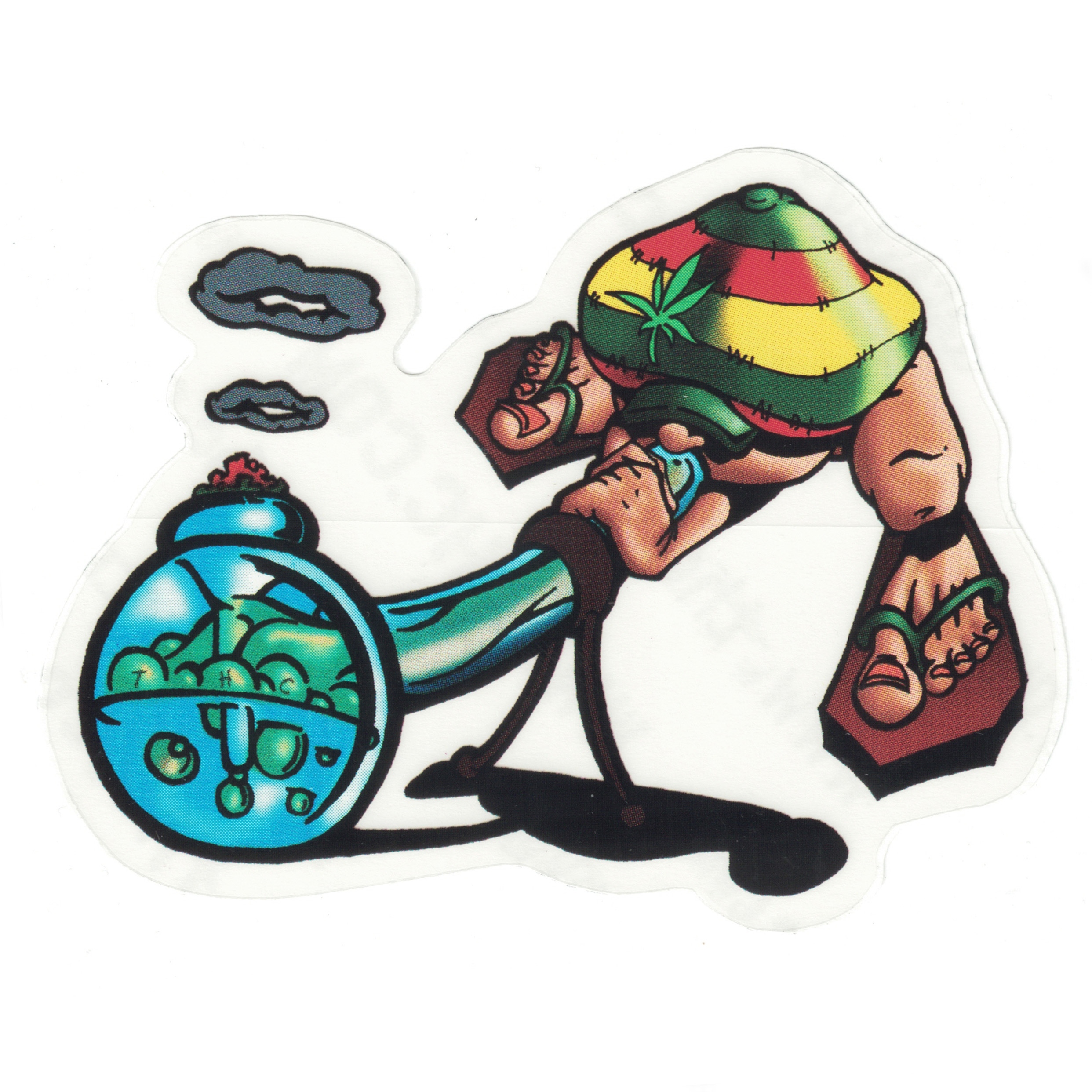
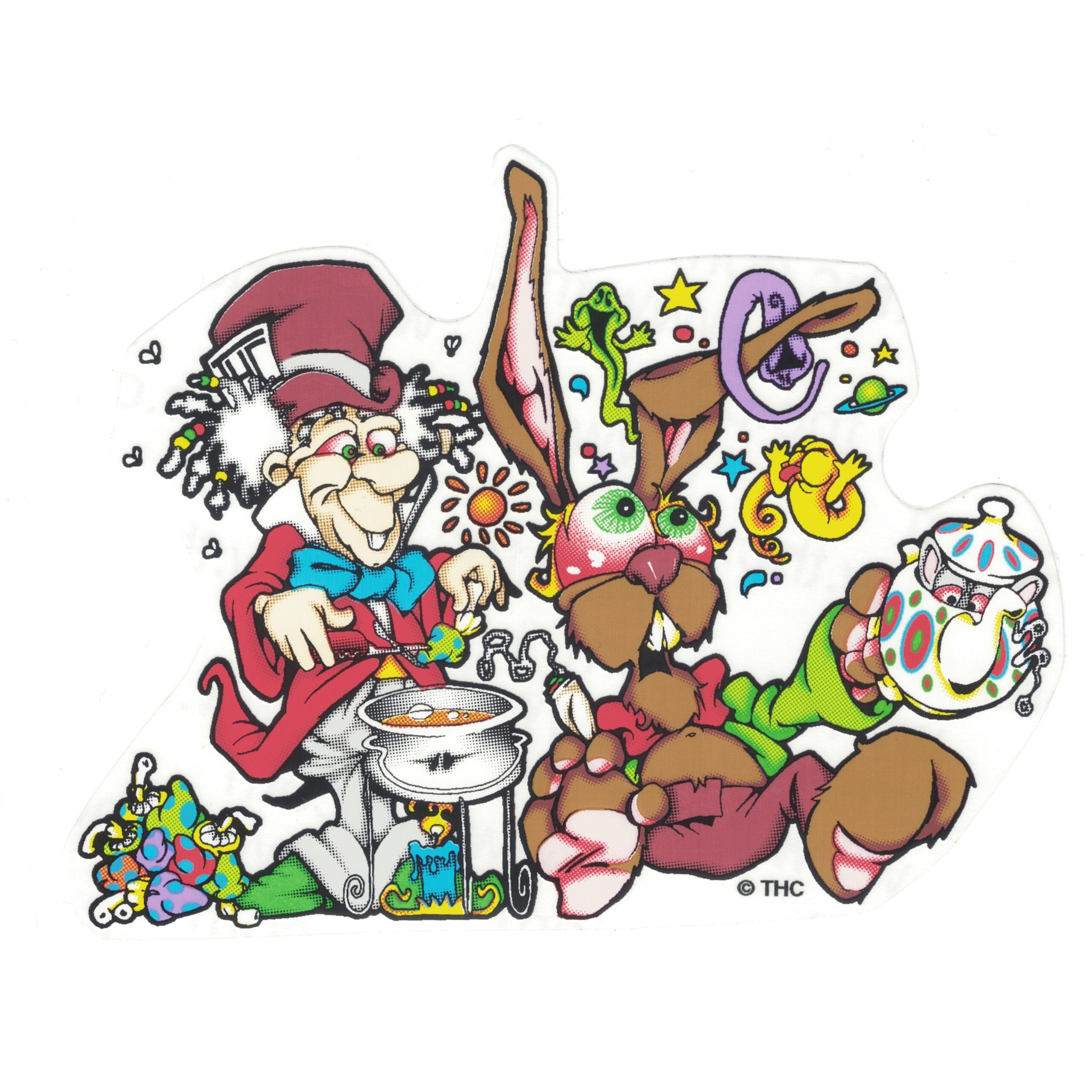
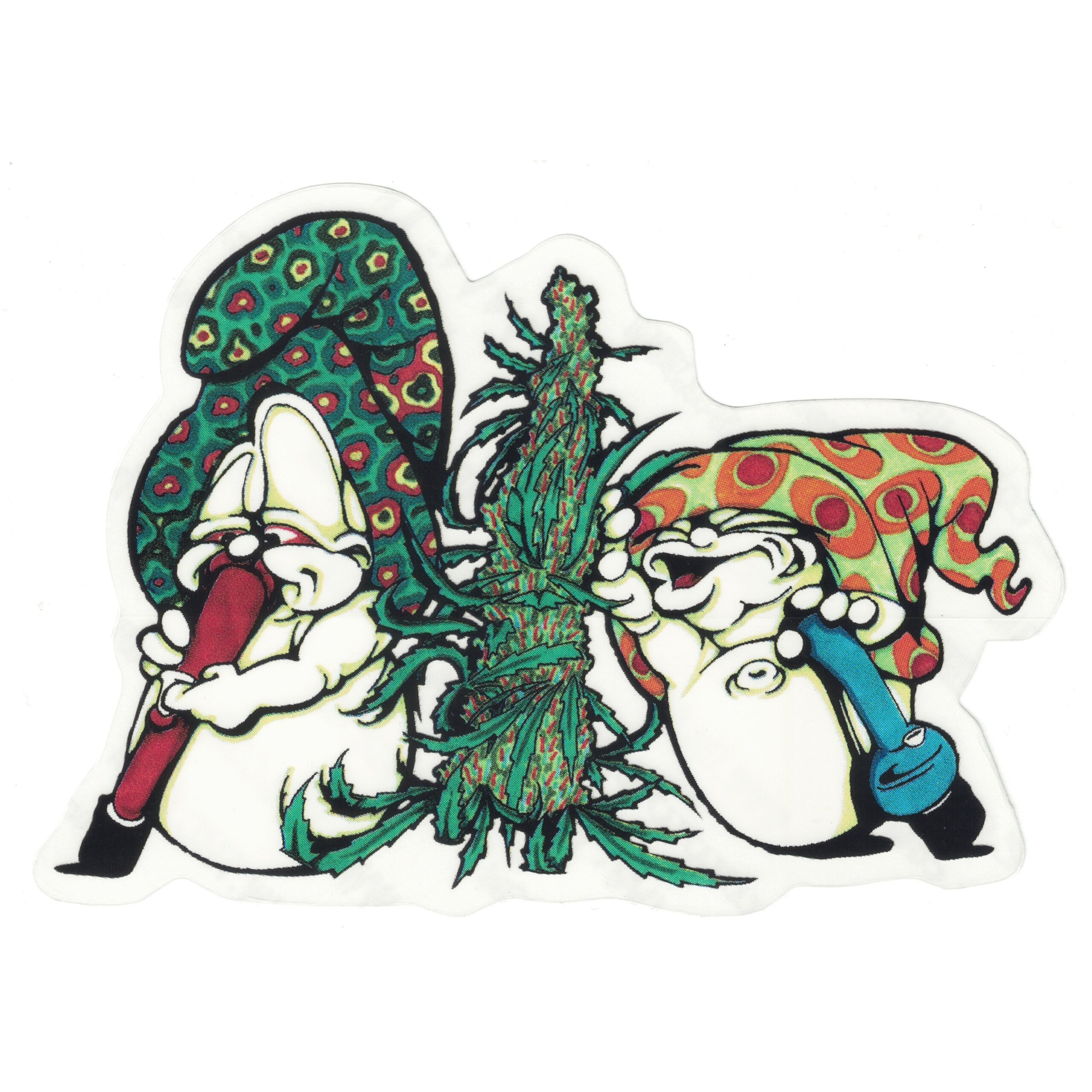
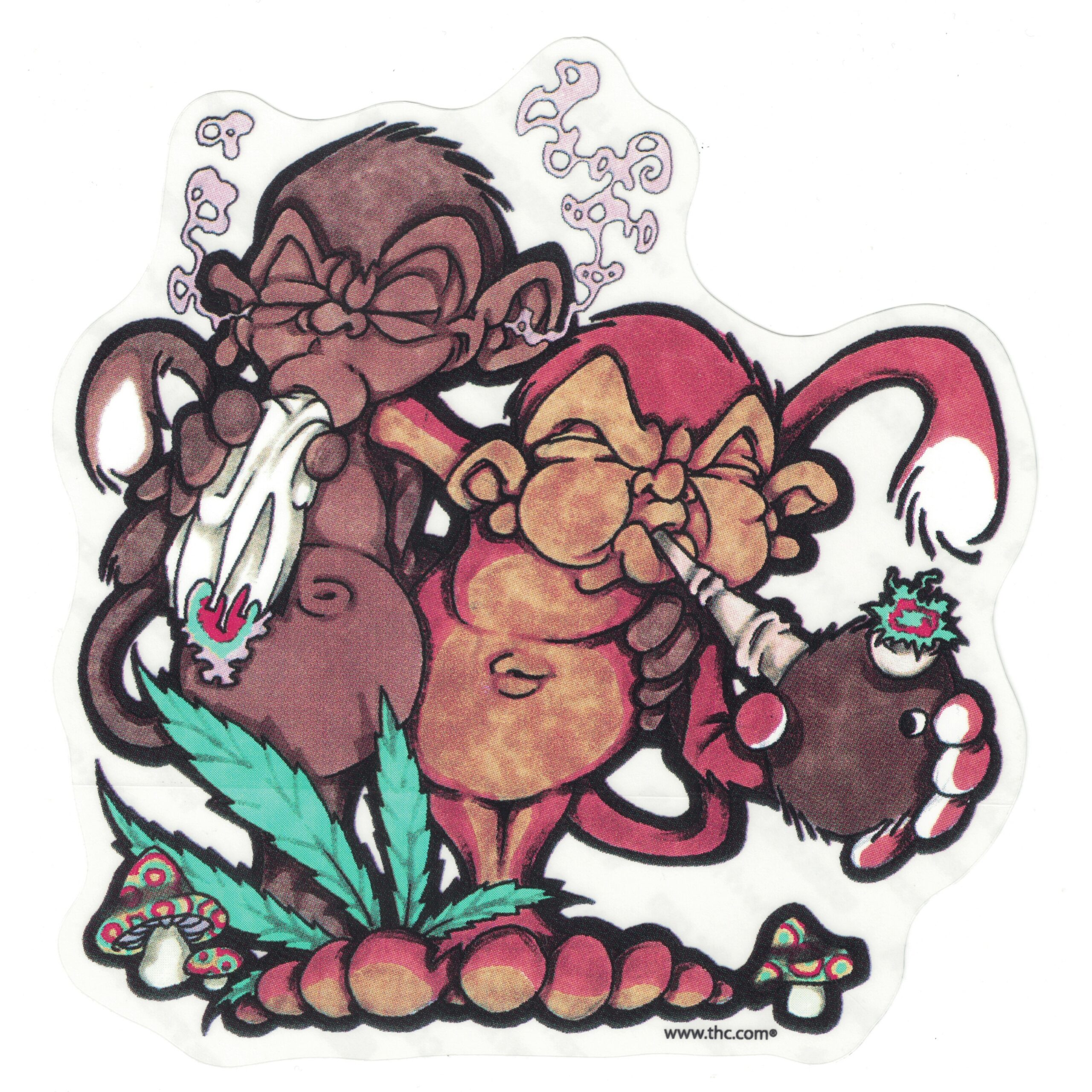
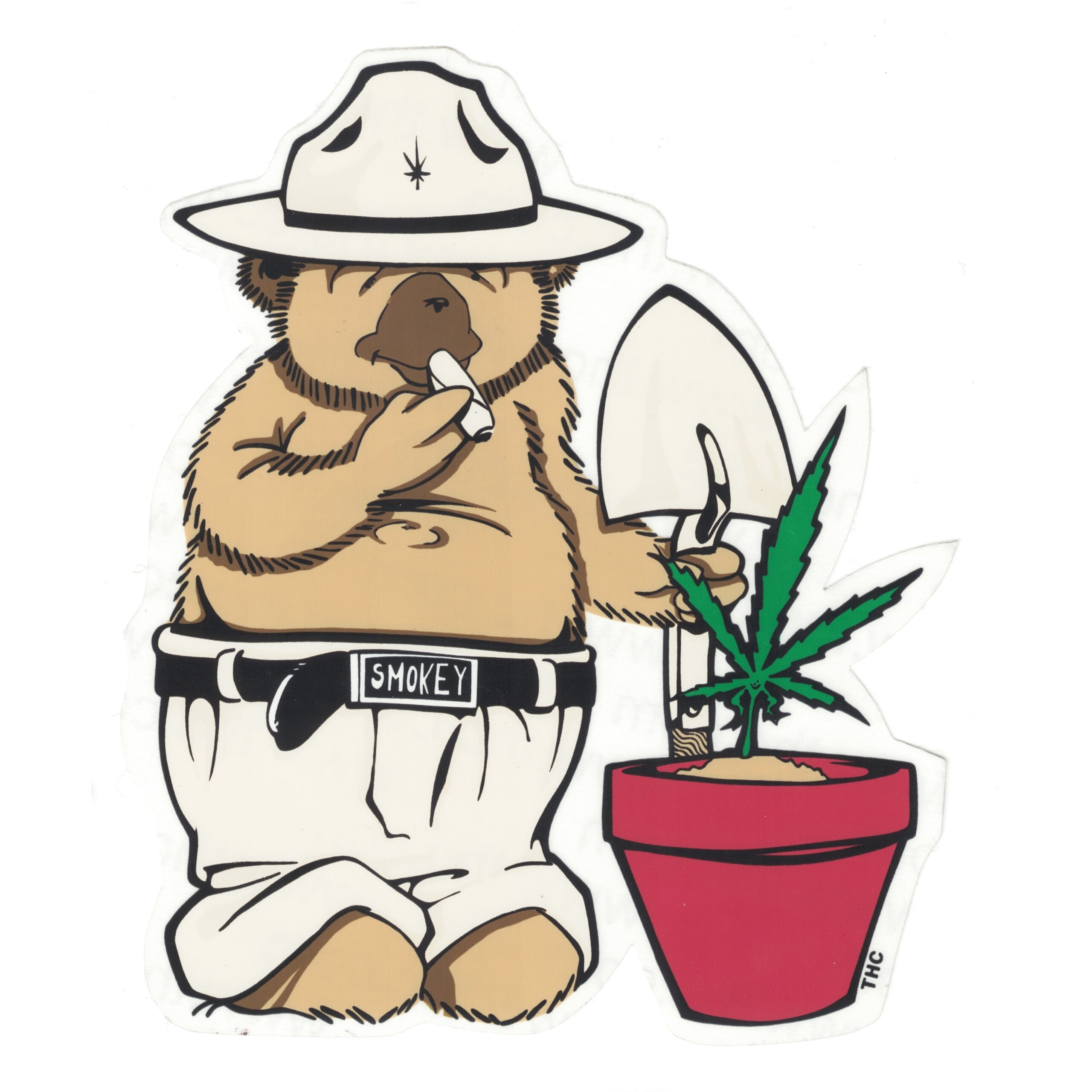
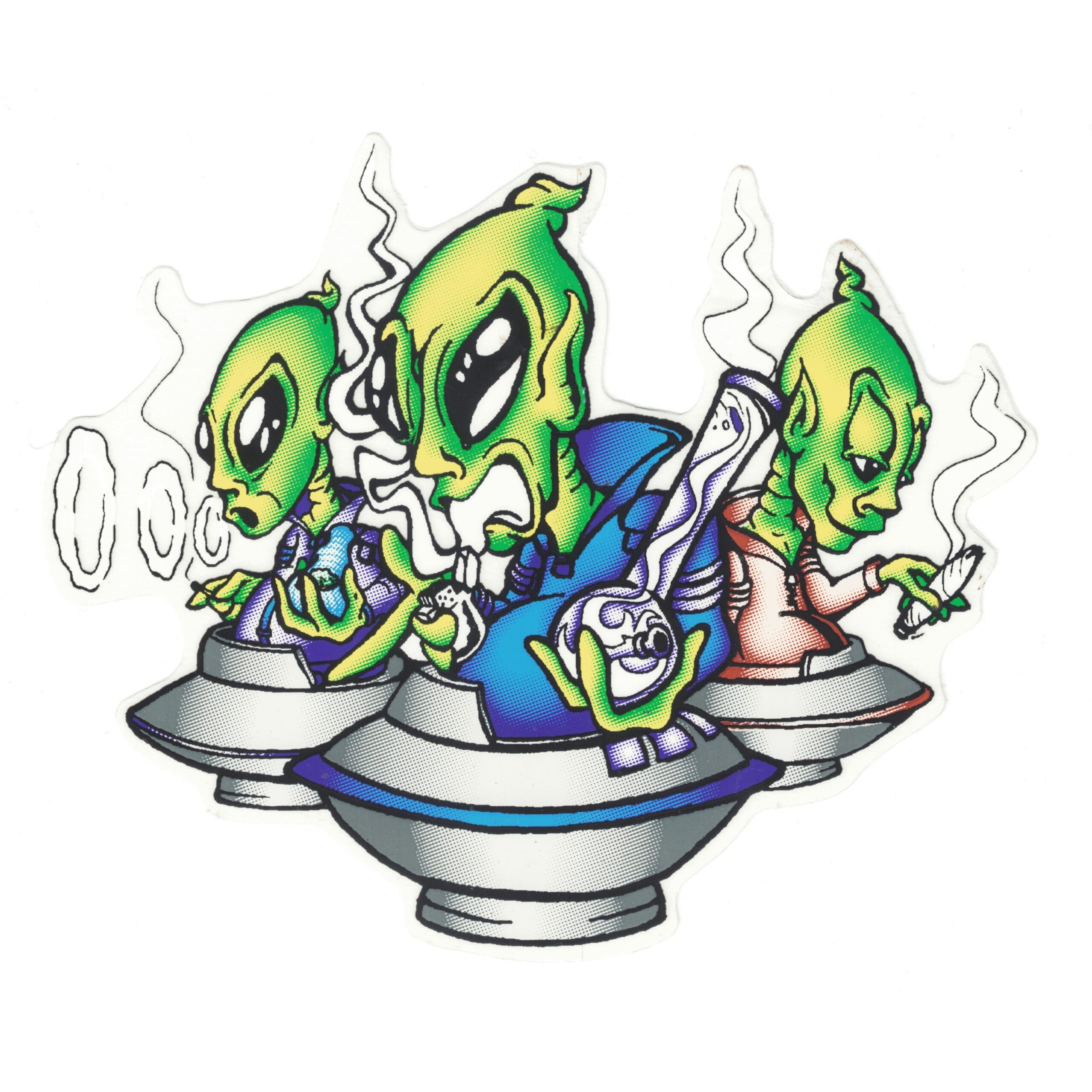
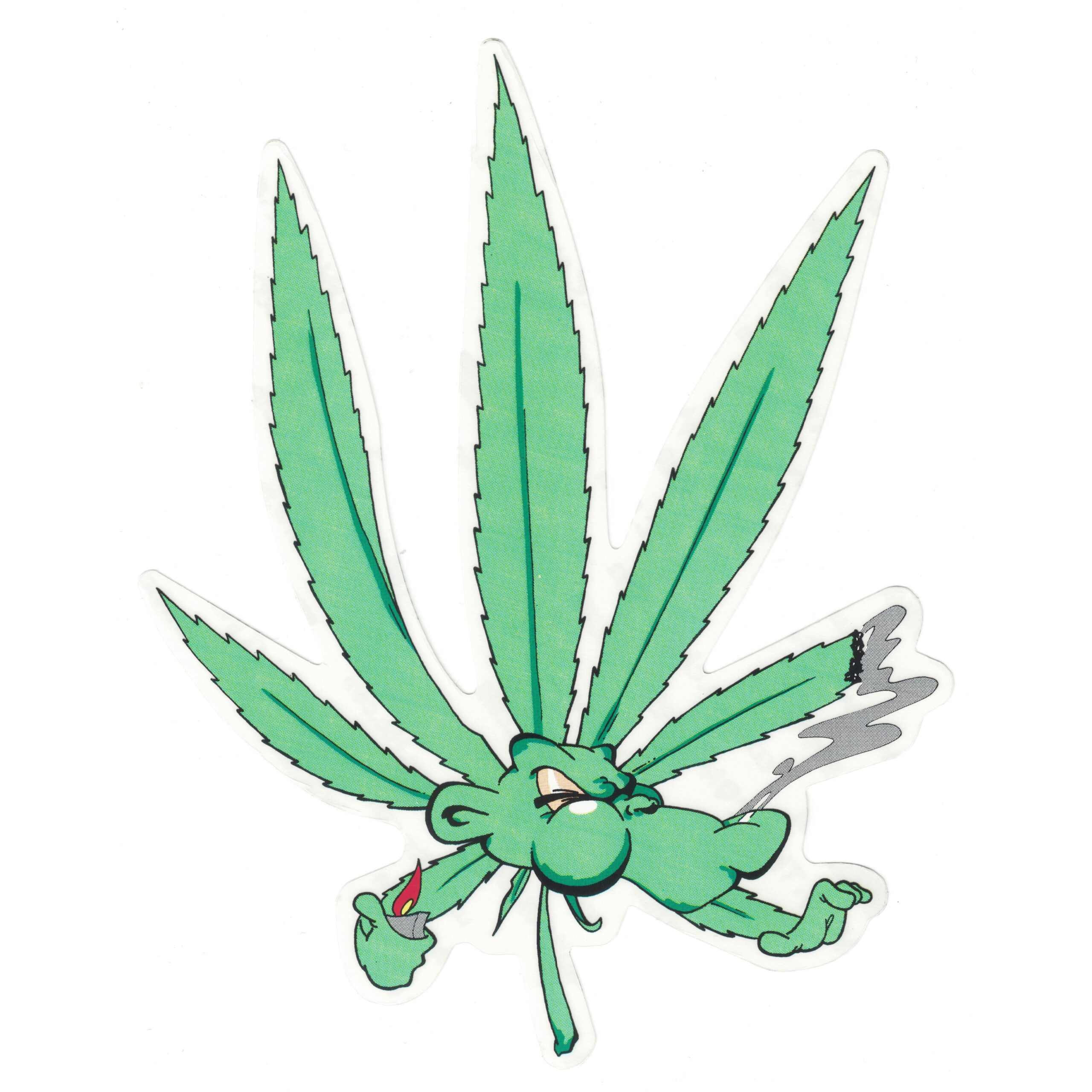
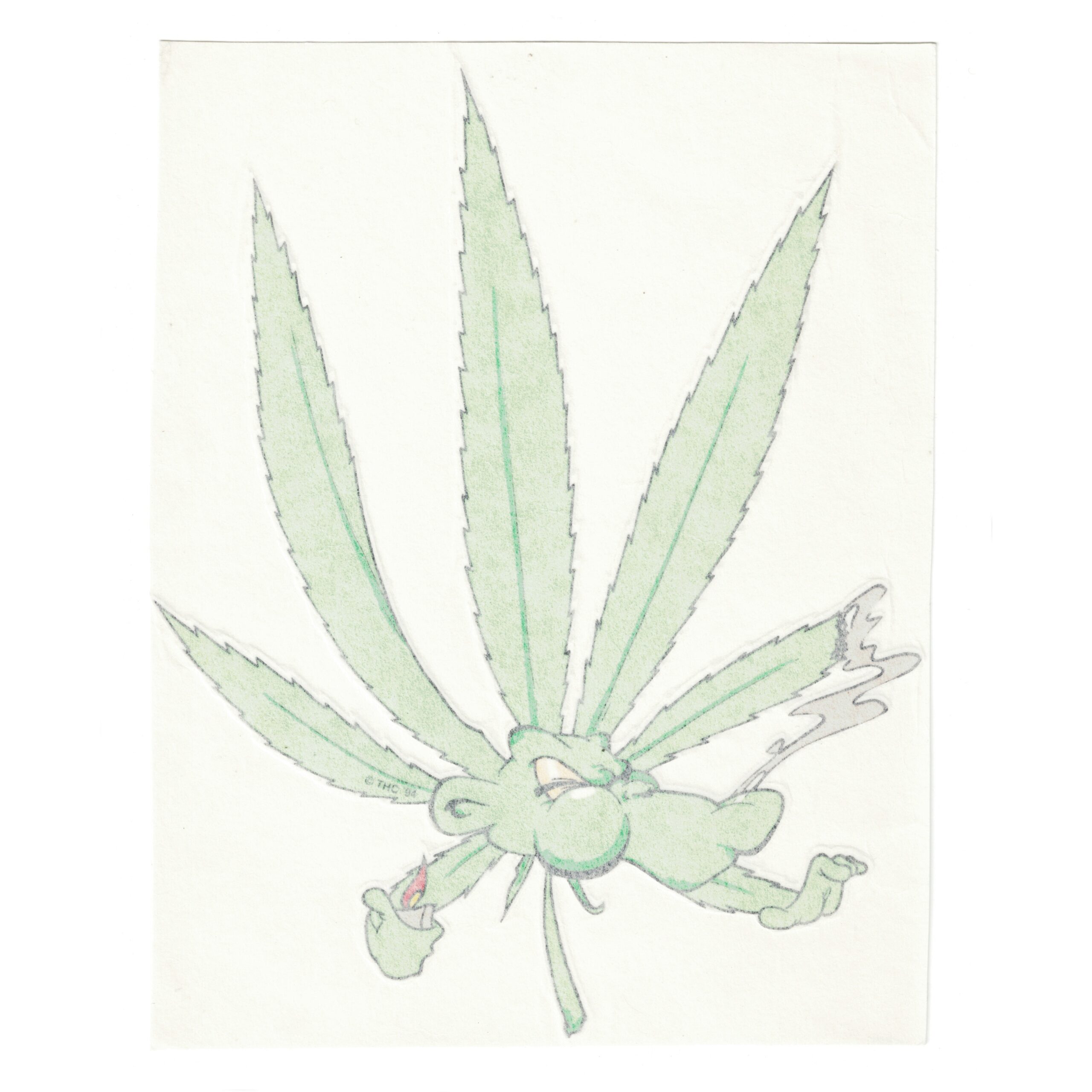
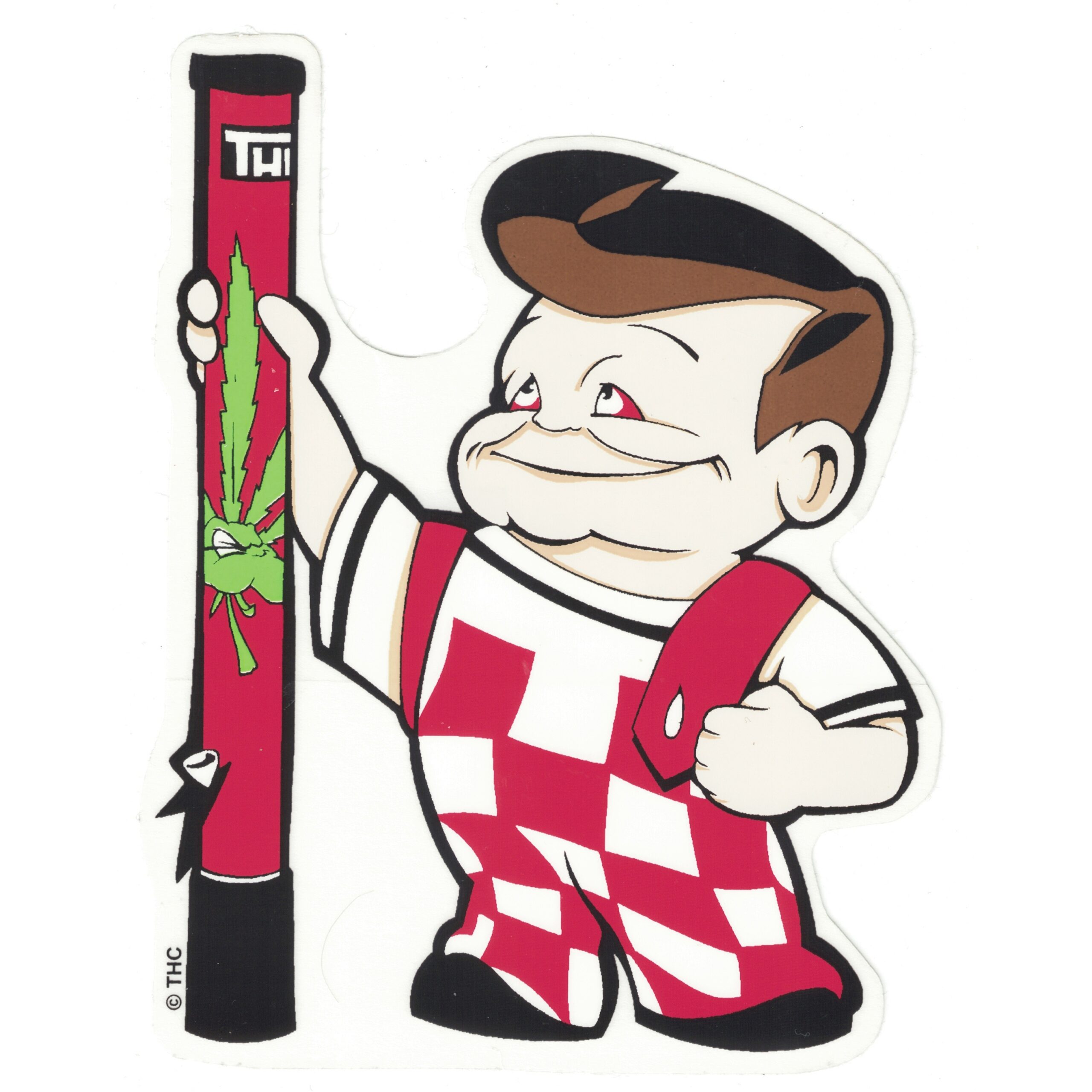
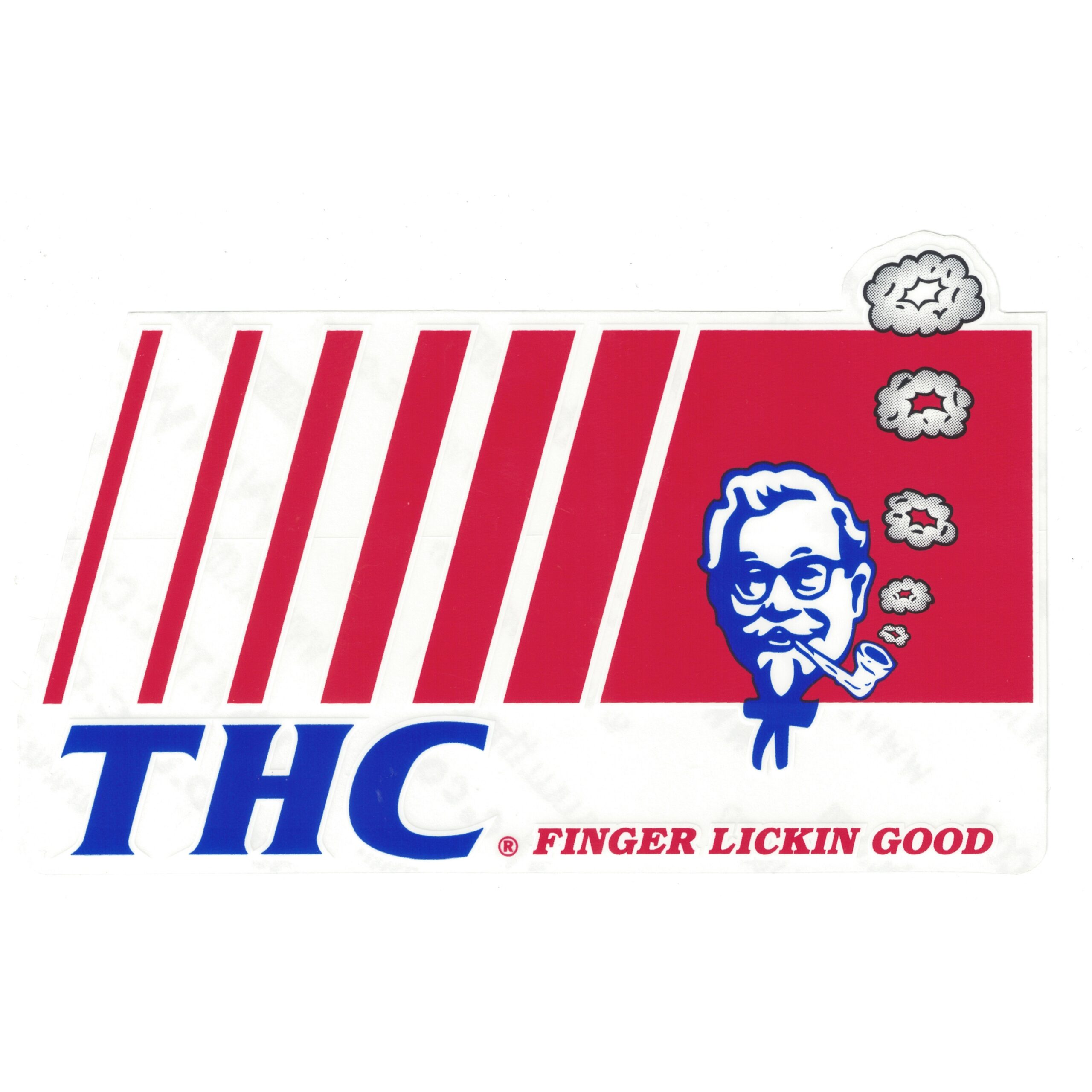
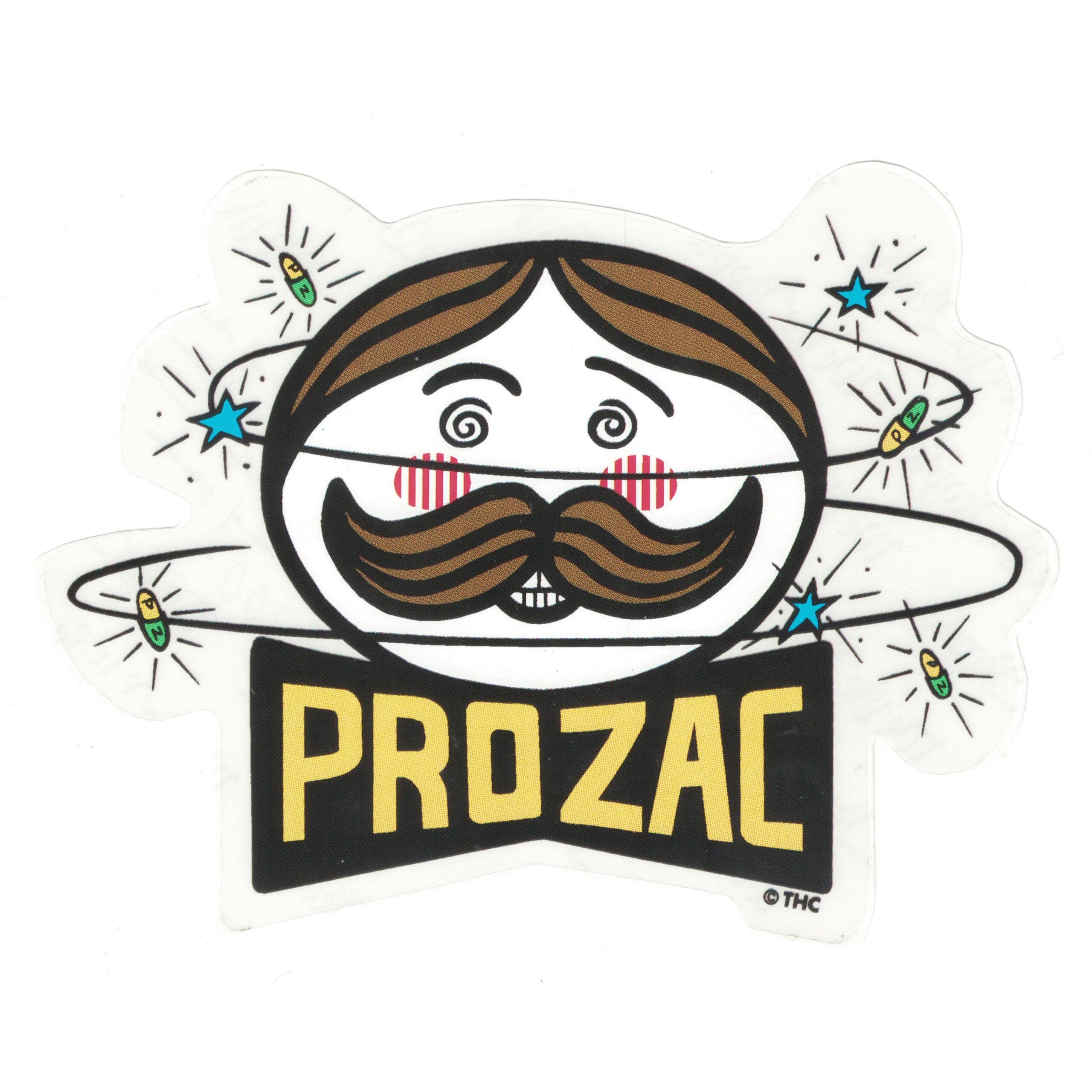
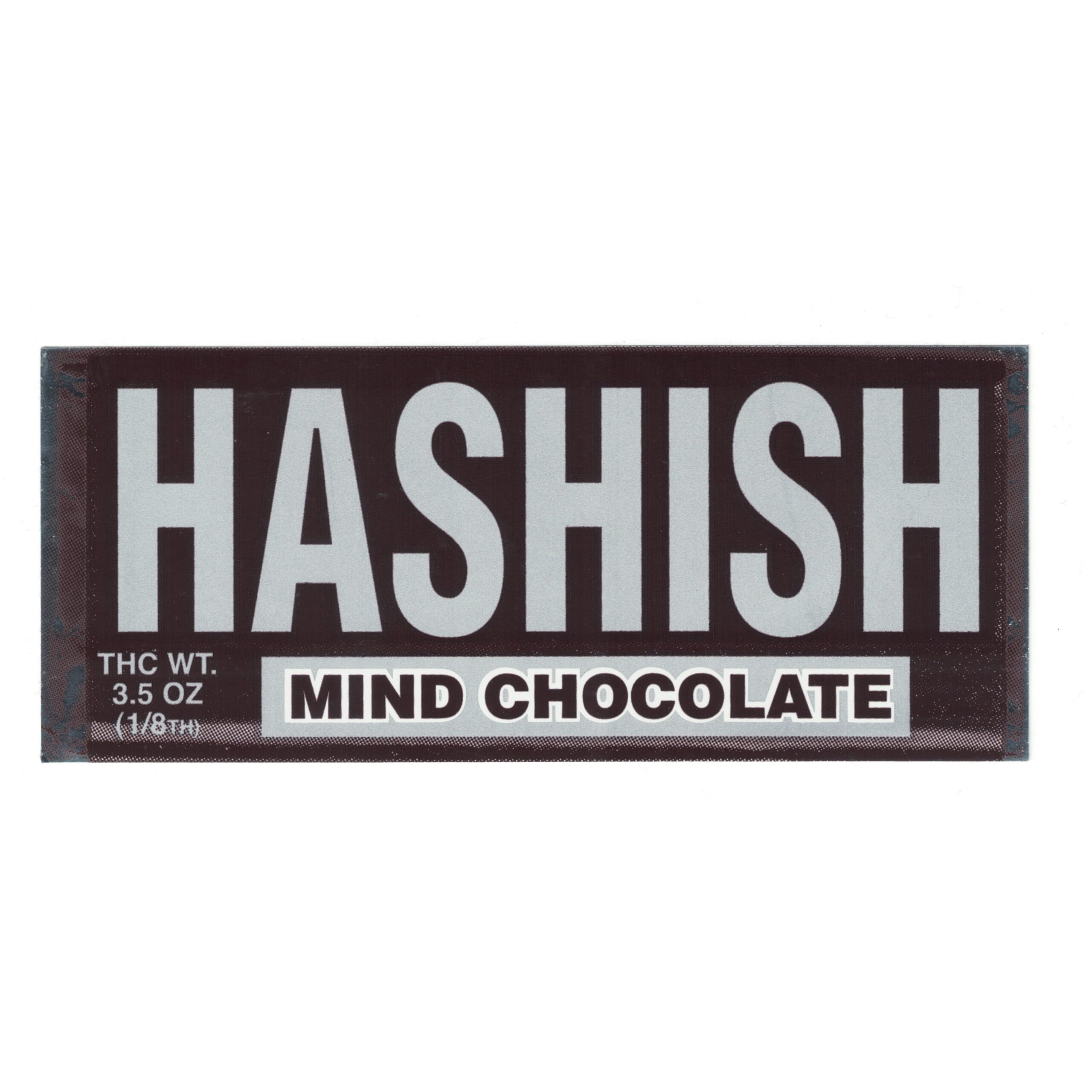
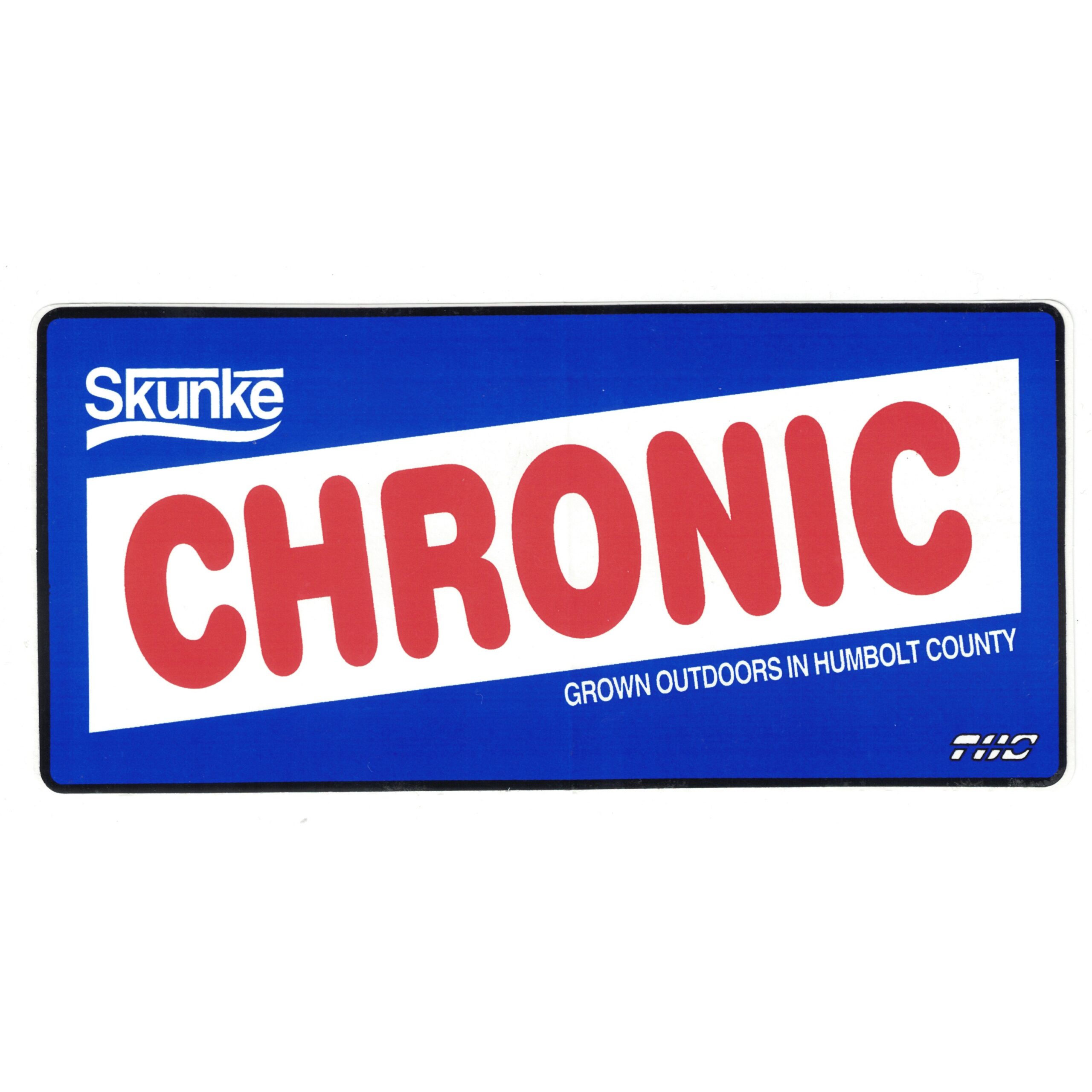
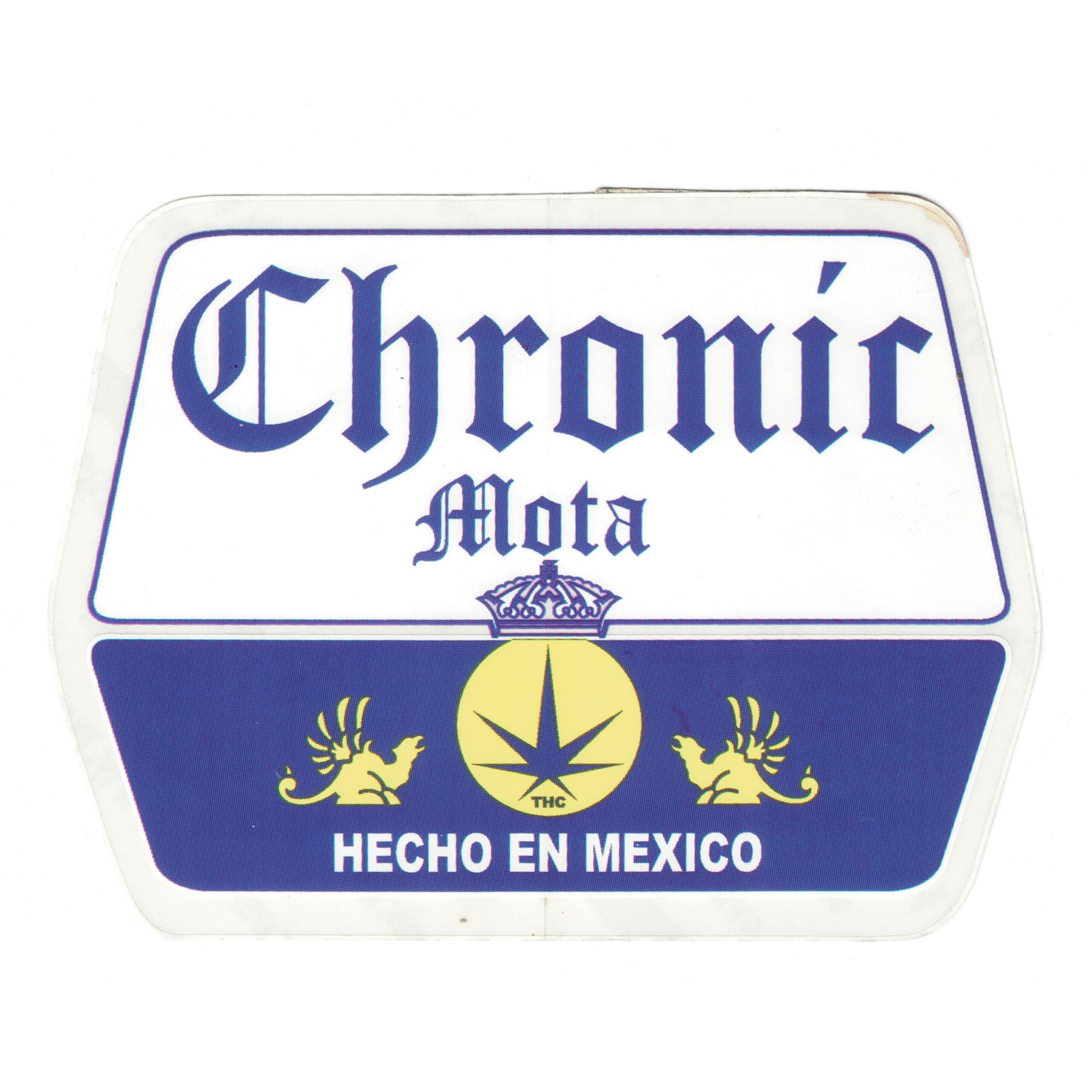
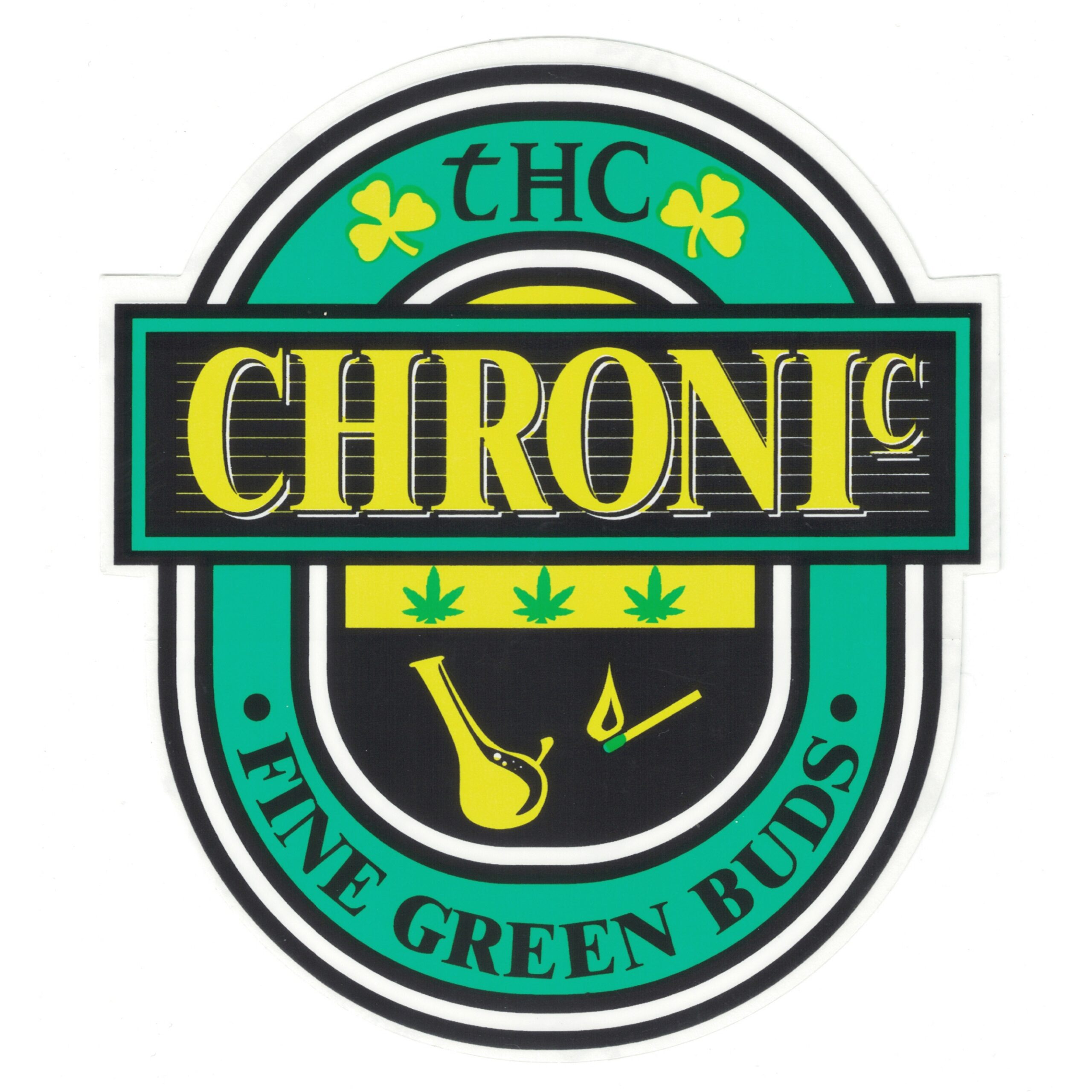
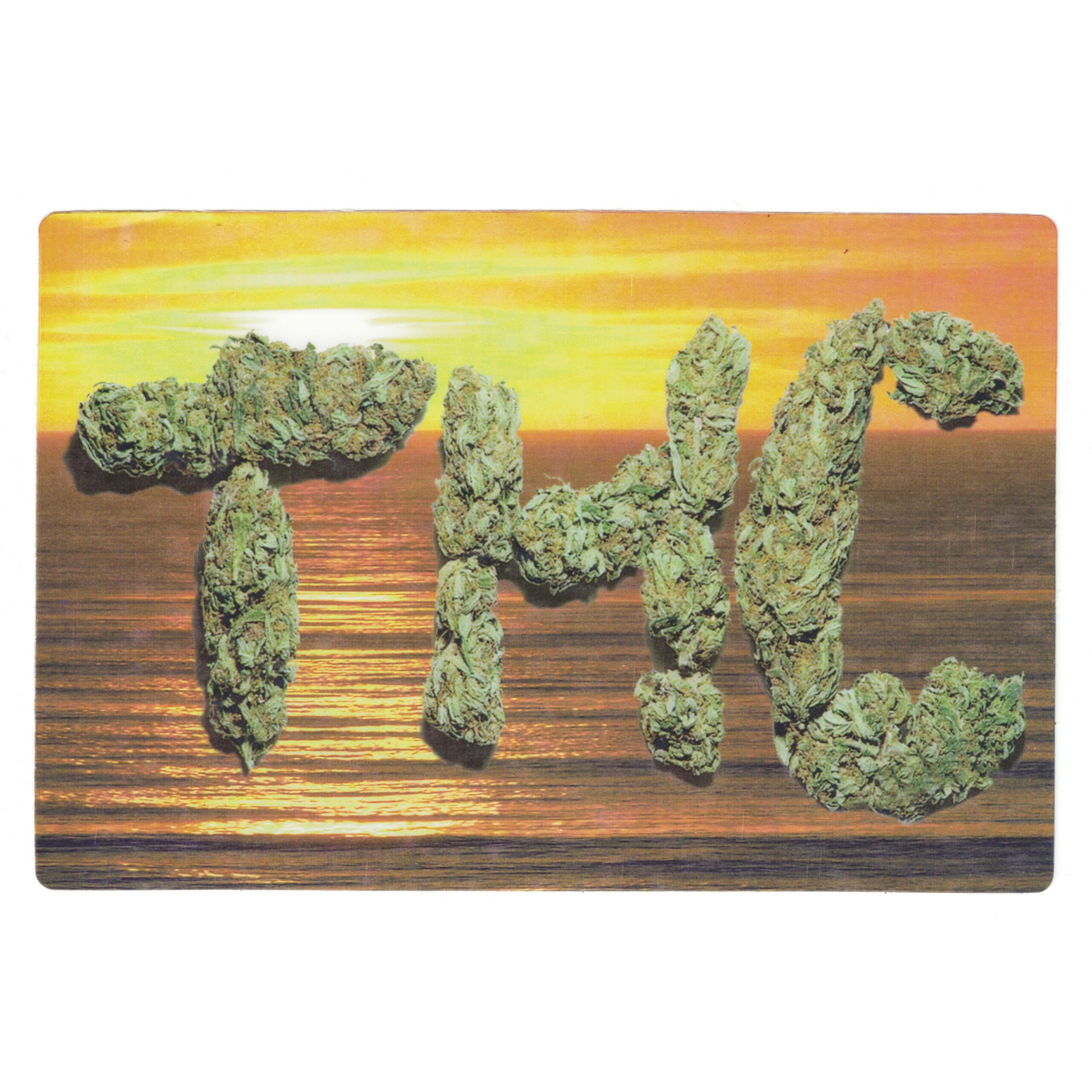
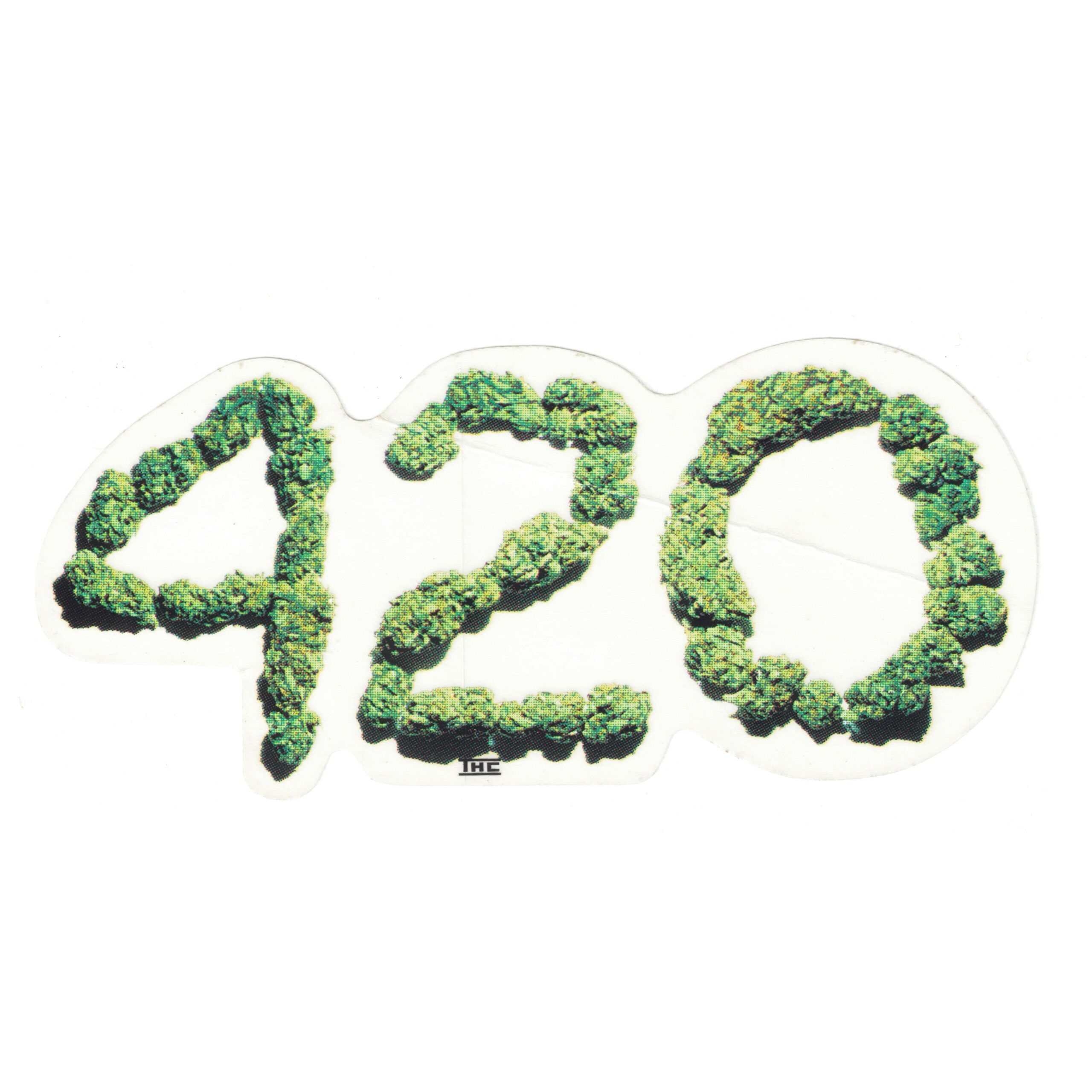
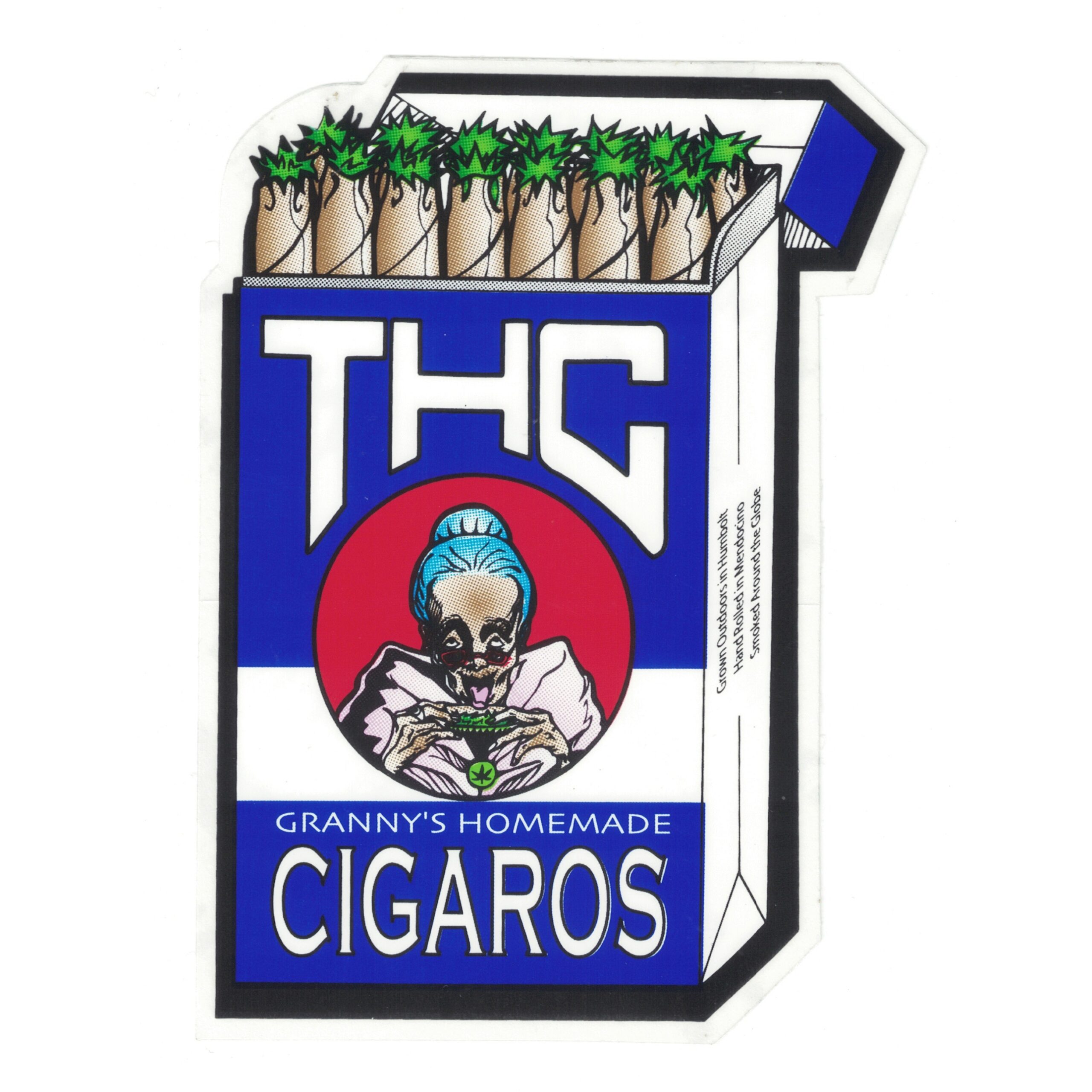
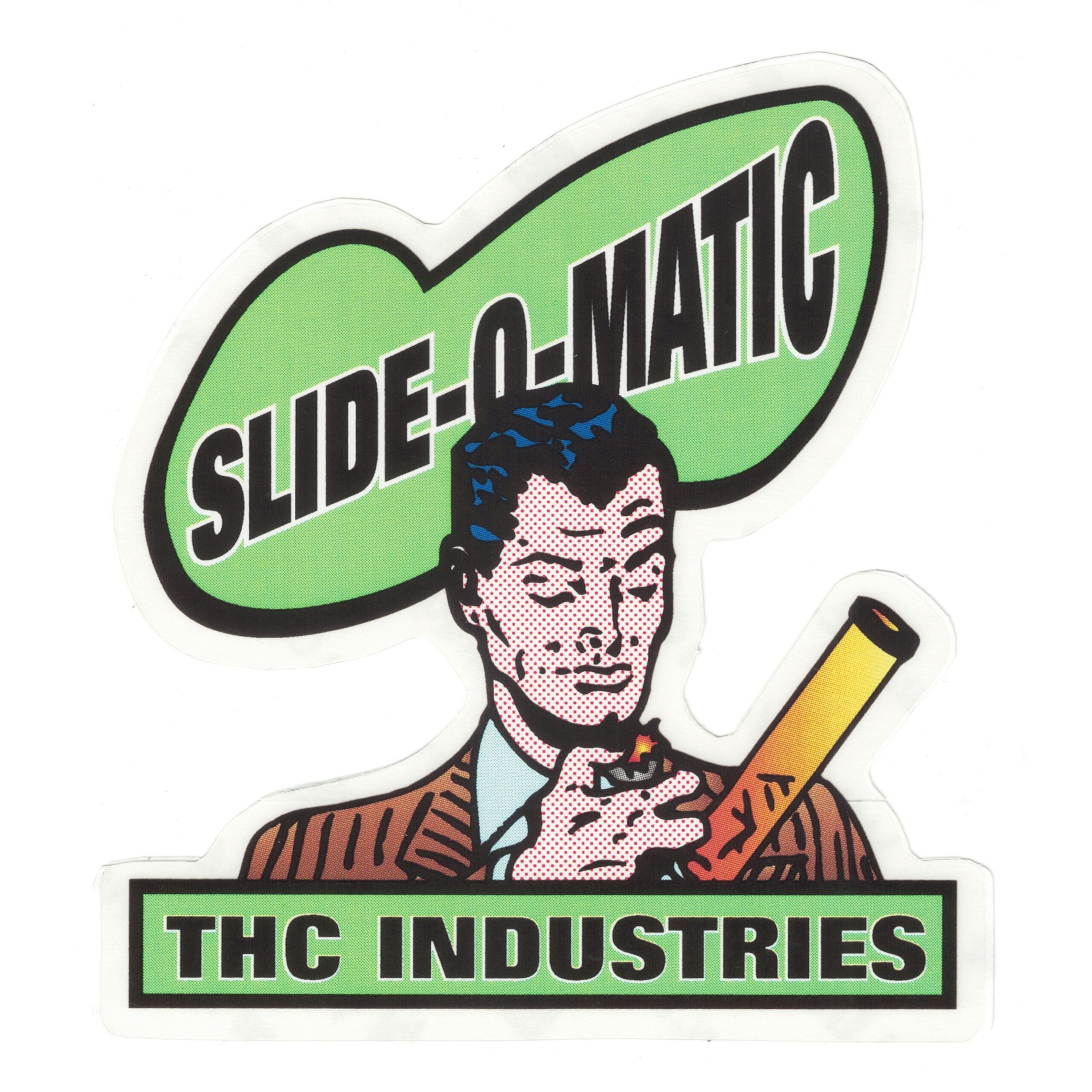
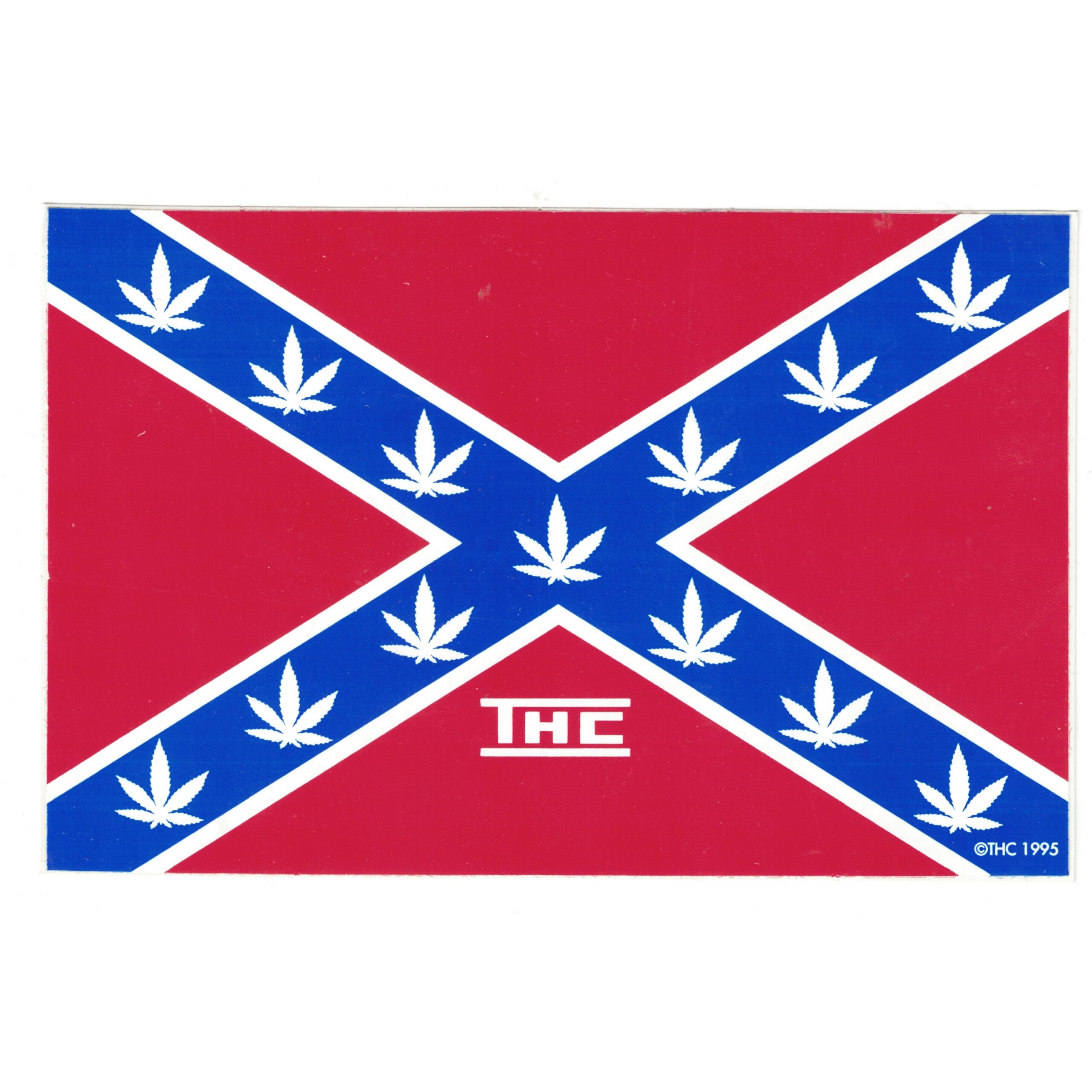
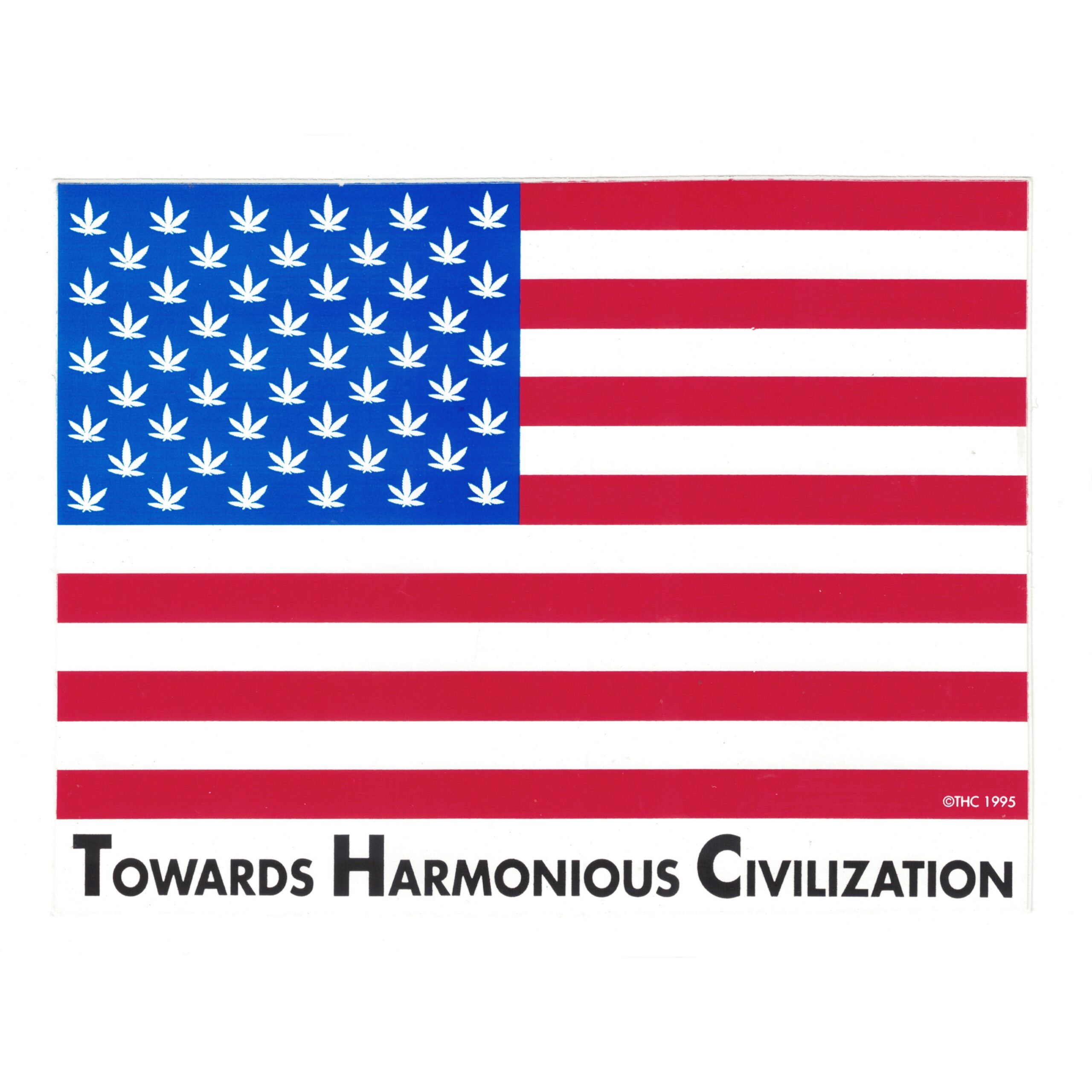
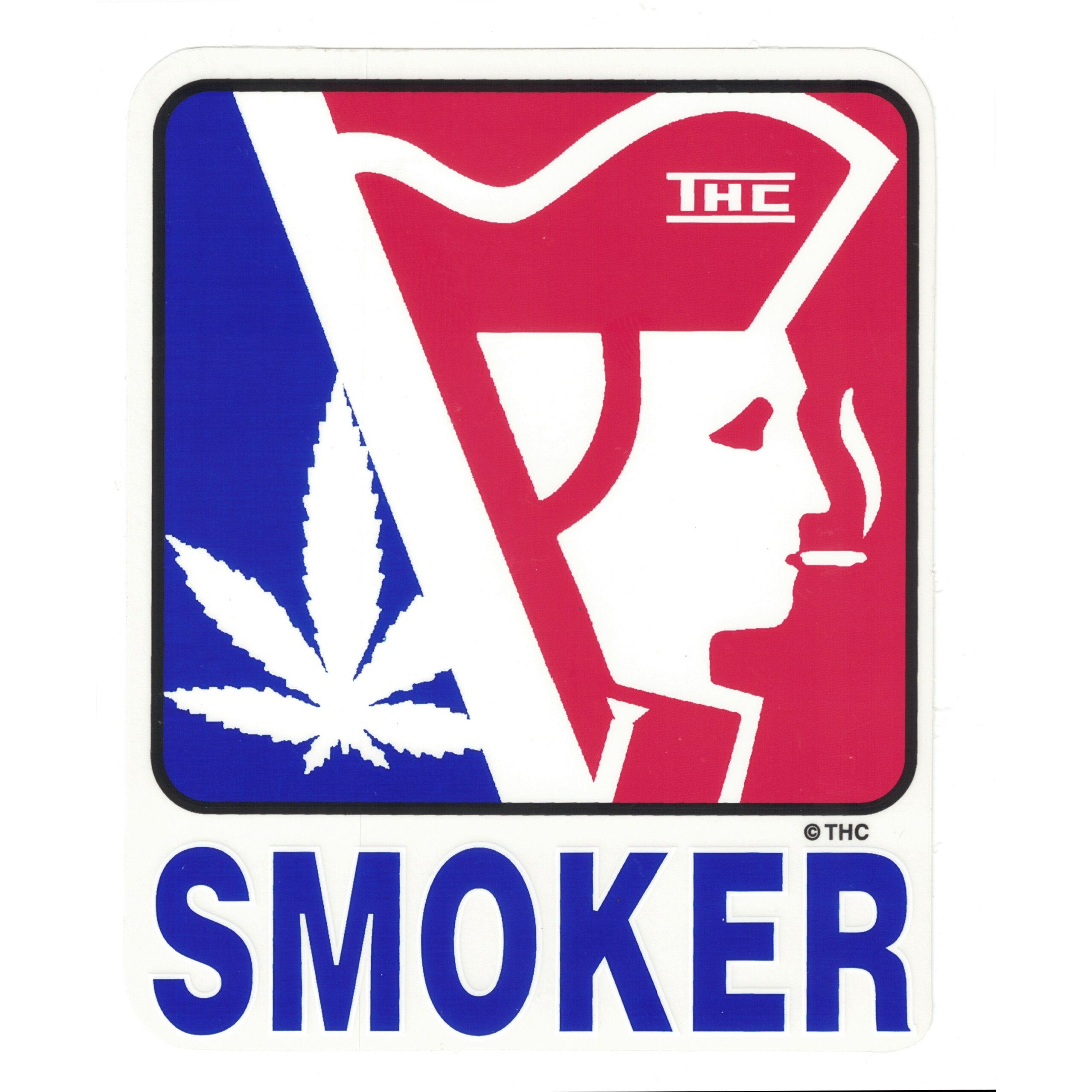
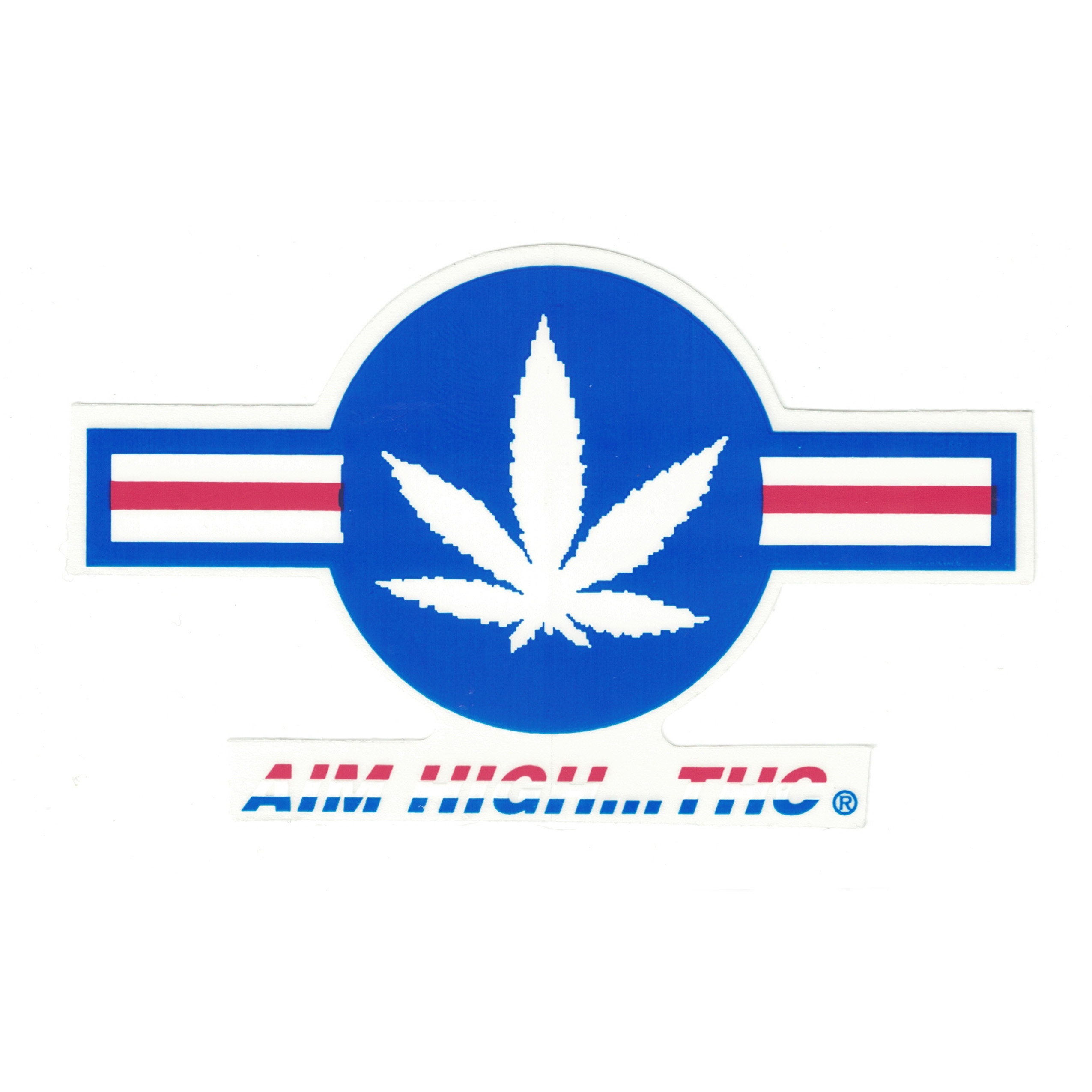
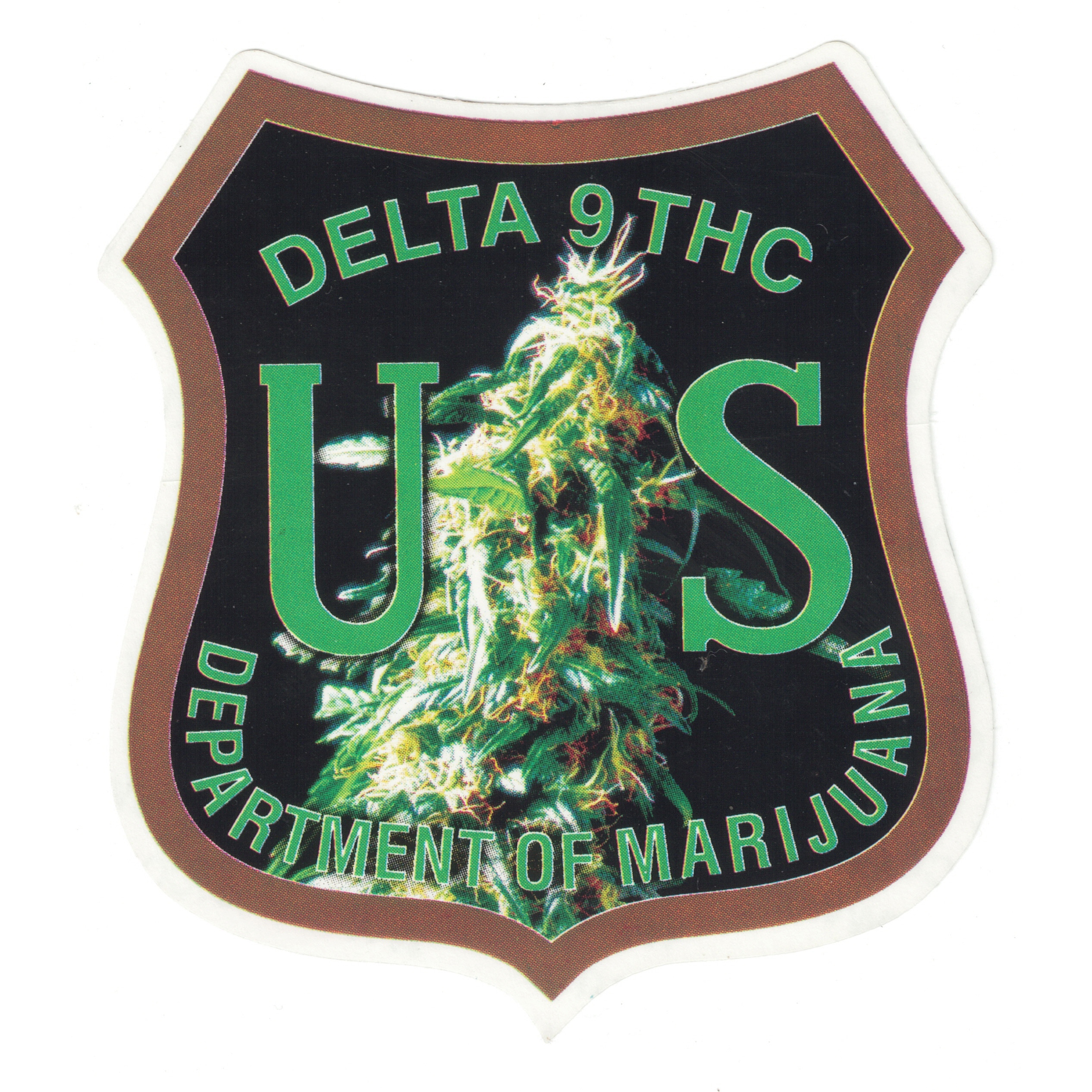
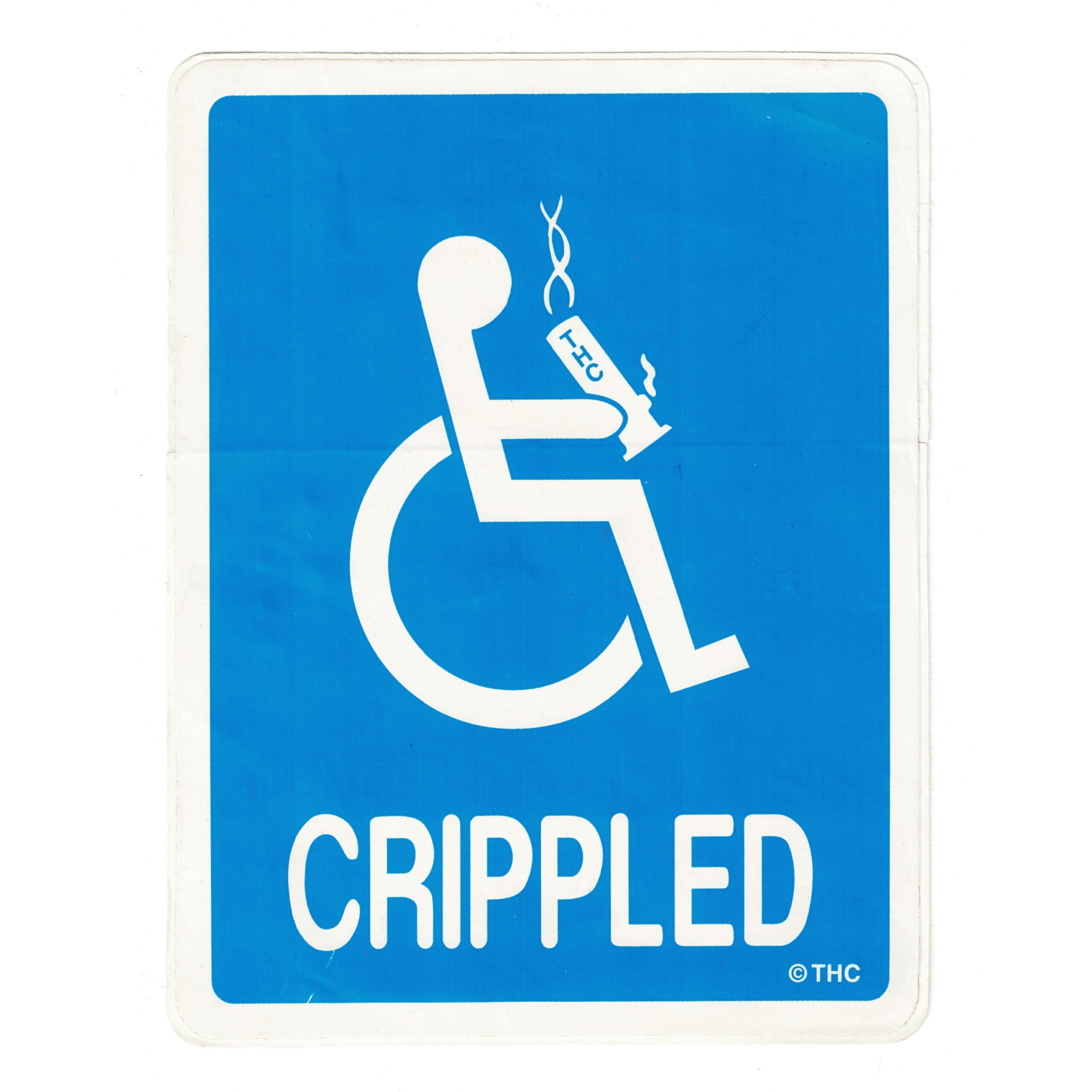
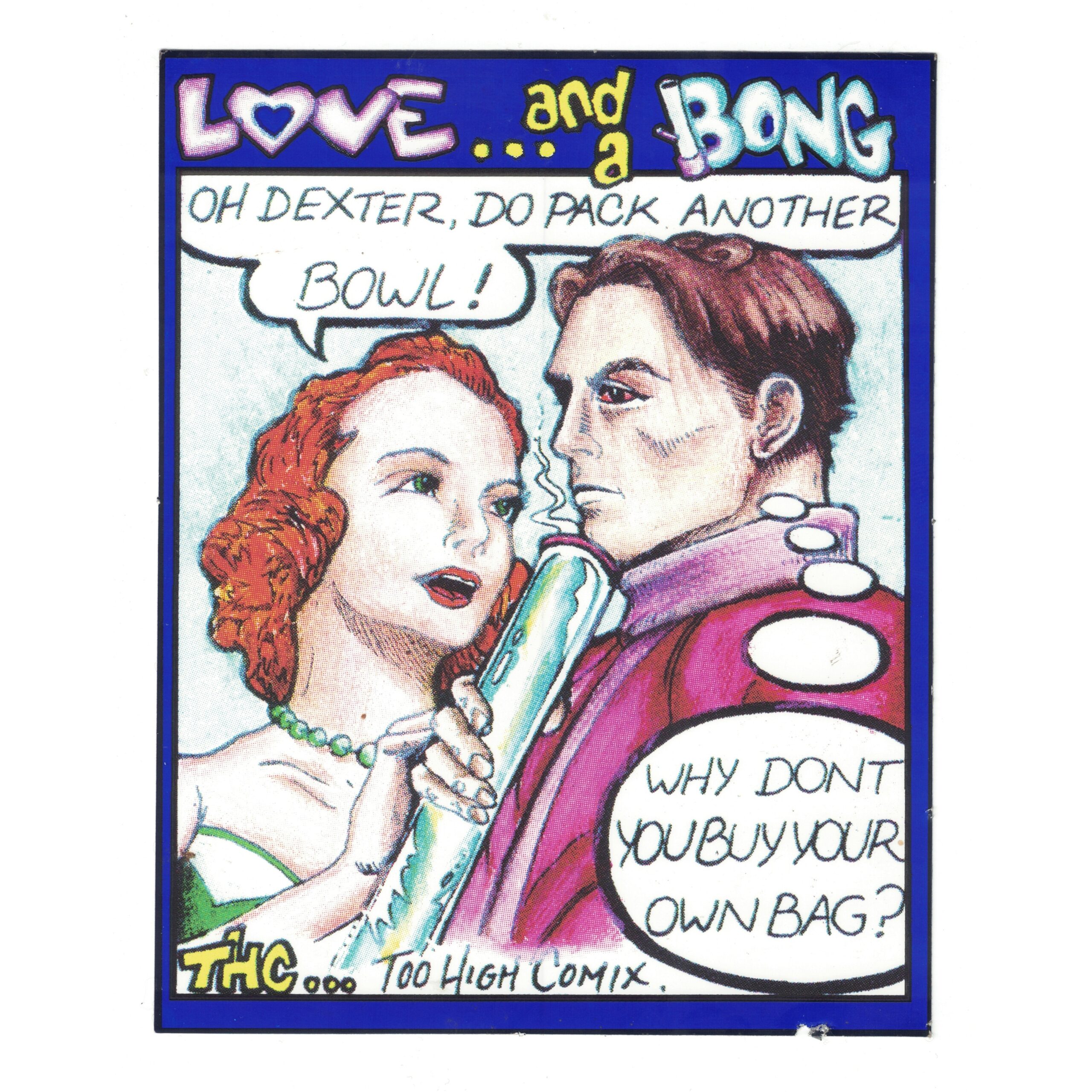
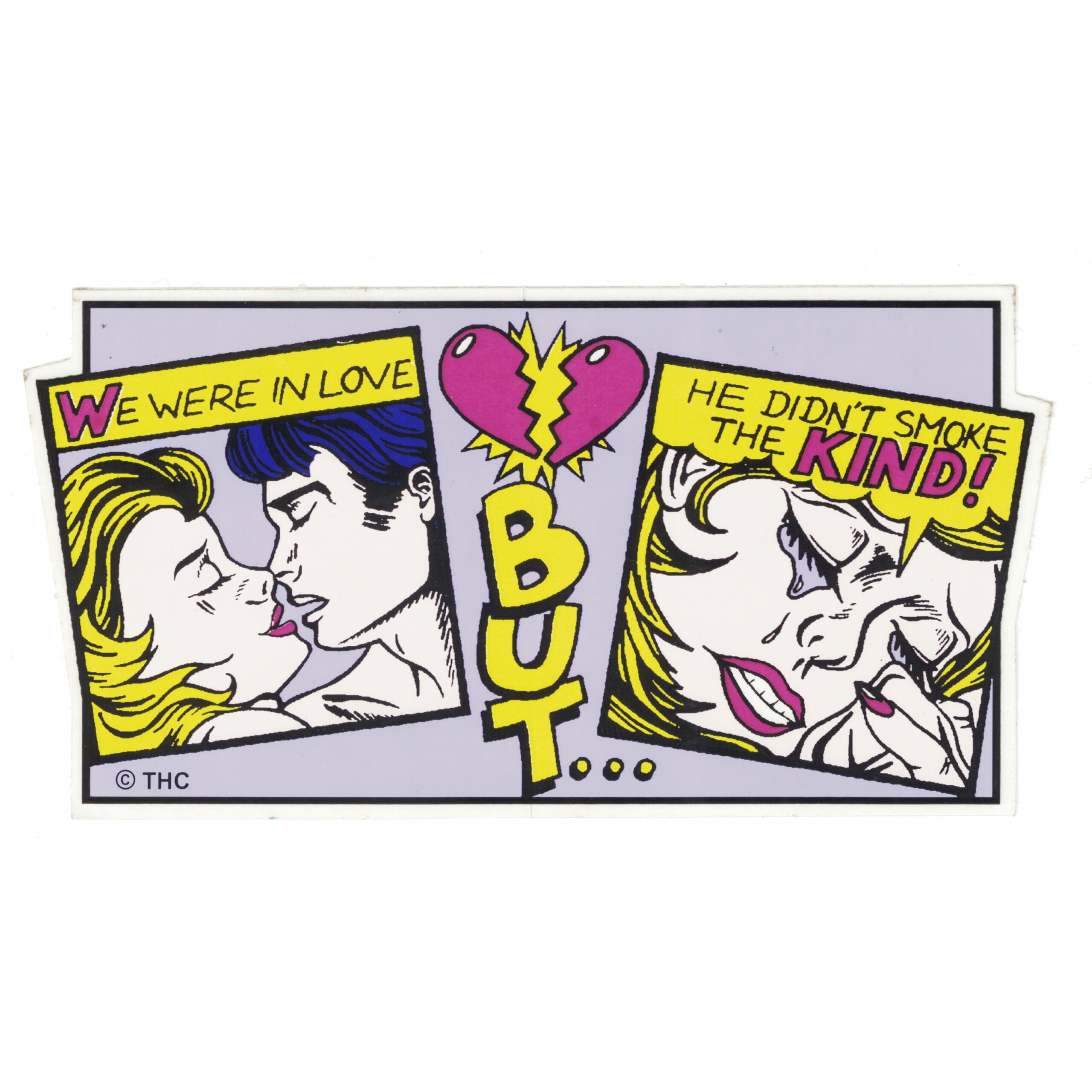
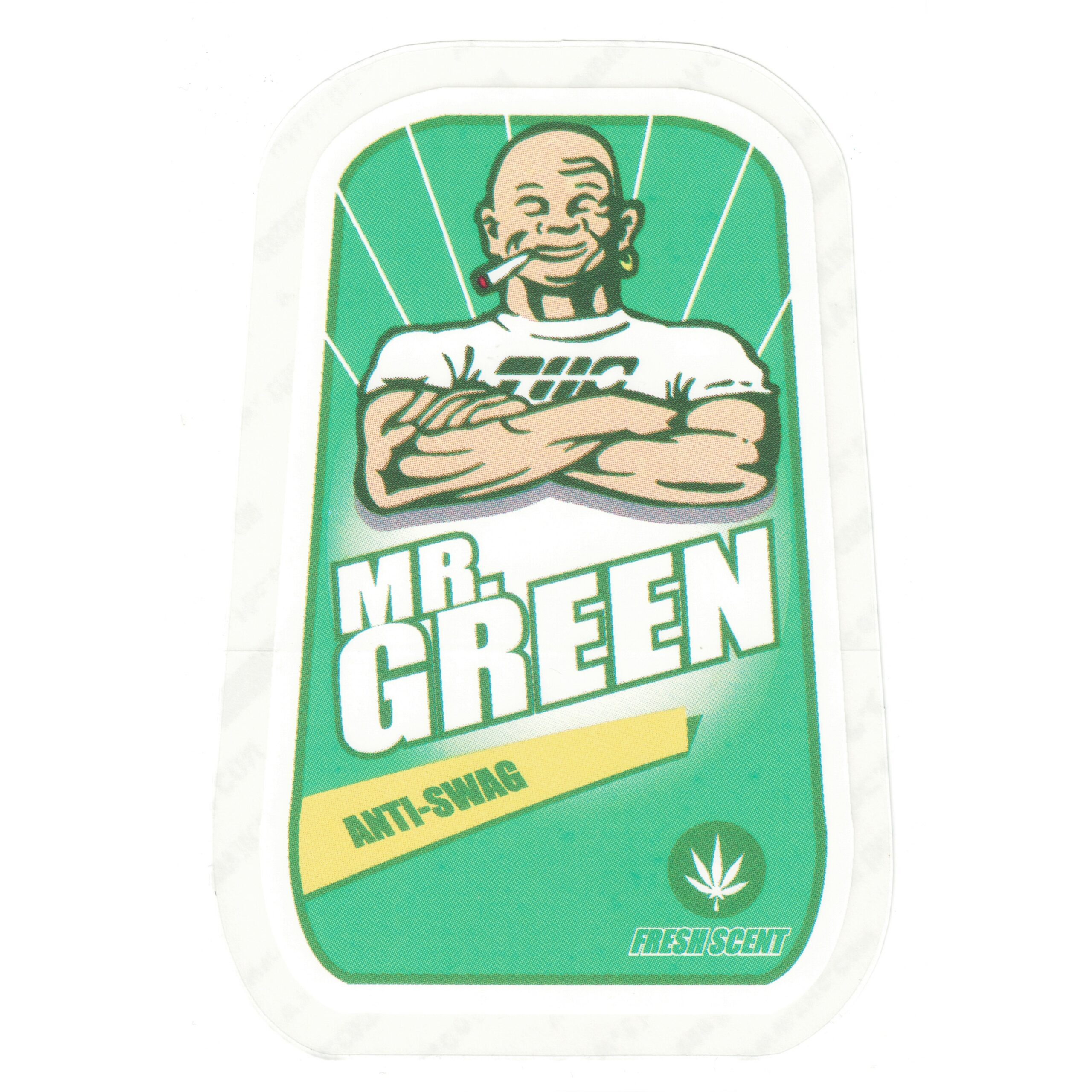
During my teenage years I discovered the art of THC in the ‘all-ages’ section of a long running hippie / bohemian store called Greeko’s. Whether they were calling themselves The High Command, Trees Hills Clouds, or Towards Harmonious Civilization, or one of several other backronyms, their work was the ultimate ‘if you know, you know’ for both teenagers and adults in the cannabis scene. It was essentially the cannabis enthusiast’s version of Wacky Packages—brilliant satires of corporate, government, religious, entertainment and everyday products; with a weed-related theme of course.

Started by a guy named Ramsey in the early 90’s Los Angeles county, the THC brand made a lasting impression on my life and influenced my own style of artwork here at CPX.ART. I’ve spent years tracking these stickers down from all over the world. It was a labor of love to provide this comprehensive archive of designs to share.

I’m pleased to share that THC.com is still active and I encourage you to visit the website and show your support for and follow the happenings of this legendary counterculture company.

– CPX

THC

Posted on

Pedal Powered Art

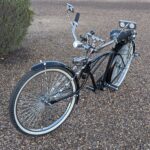
Over the years I have customized my fair share of bikes. There’s just something about making it your own and unique from the rest that I can’t resist and the customization becomes a form of creative expression and art – same as customizing a motorcycle or other vehicle. My most recent lowrider bike build is the subject of this post. I still consider this bike “unfinished” and a work in progress. I have additional ideas that I will implement as time and focused interest allows.

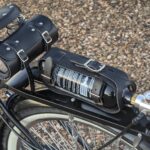
Started as a COVID lockdown project in 2020, dubbed the “Chrisler”, I envisioned a fusion of old school style Schwinn Phantom and pedal scraping custom. This is a 26″ cantilever style beach cruiser frame with matching black painted fenders, chain guard, bent lower fork bars, and rear rack. Flat single twisted chrome parts are used for the extended crown, upper fork support bars, fender braces, rear rack braces, mirror arms, steering wheel, and rear bumper.  The kickstand is square twisted. The wheels are 72 spoke. The cruiser grips are made by ODI X Vans. The saddle, hub shiners, speaker holder, and air tank holder are made from real leather. The front and rear lights are all functional. Additional custom touches include a “Chrisler” brodie knob on the steering wheel, Arizona state license plate, phone holder, and my favorite feature, functional air suspension for a smooth and adjustable ride.

– CPX

Posted on

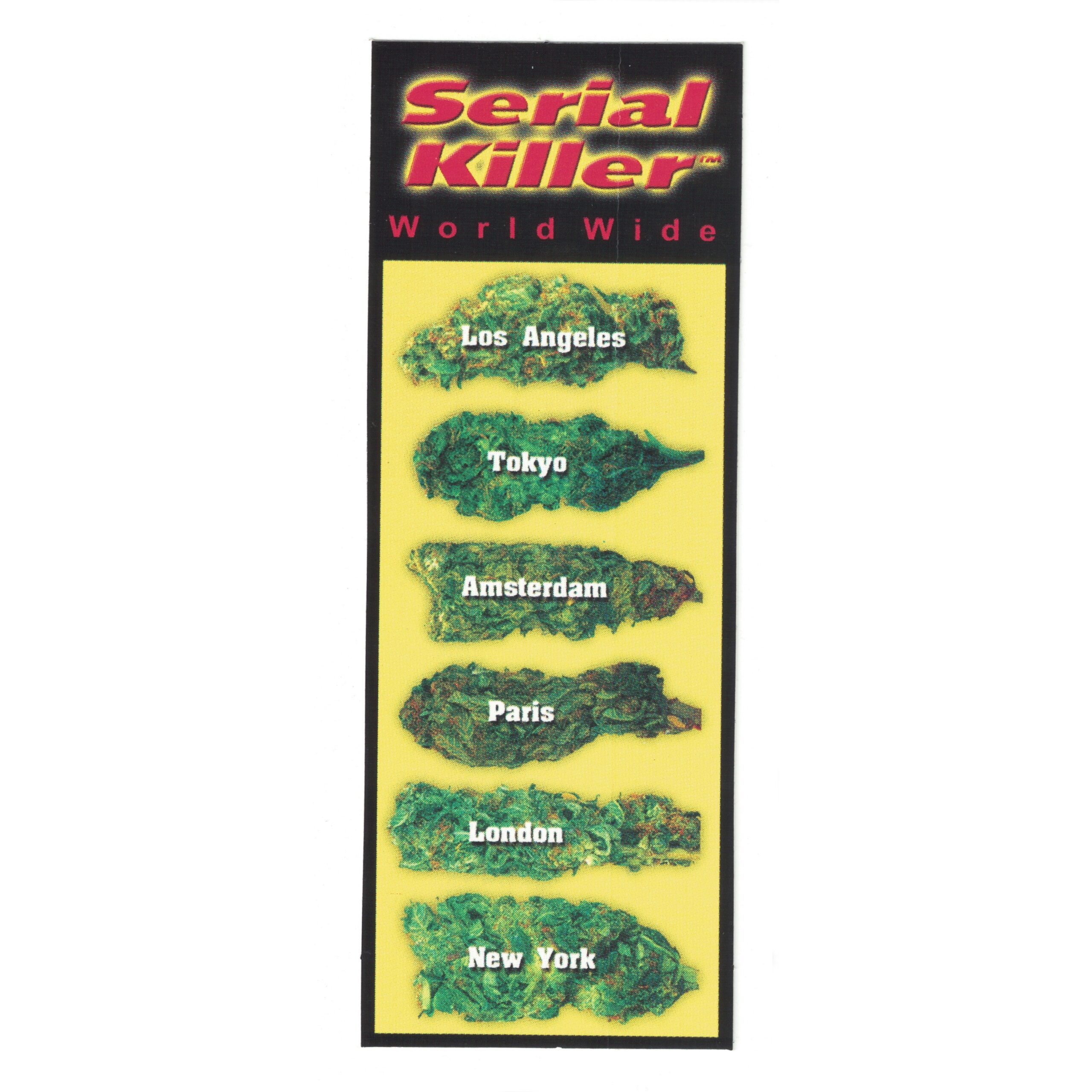
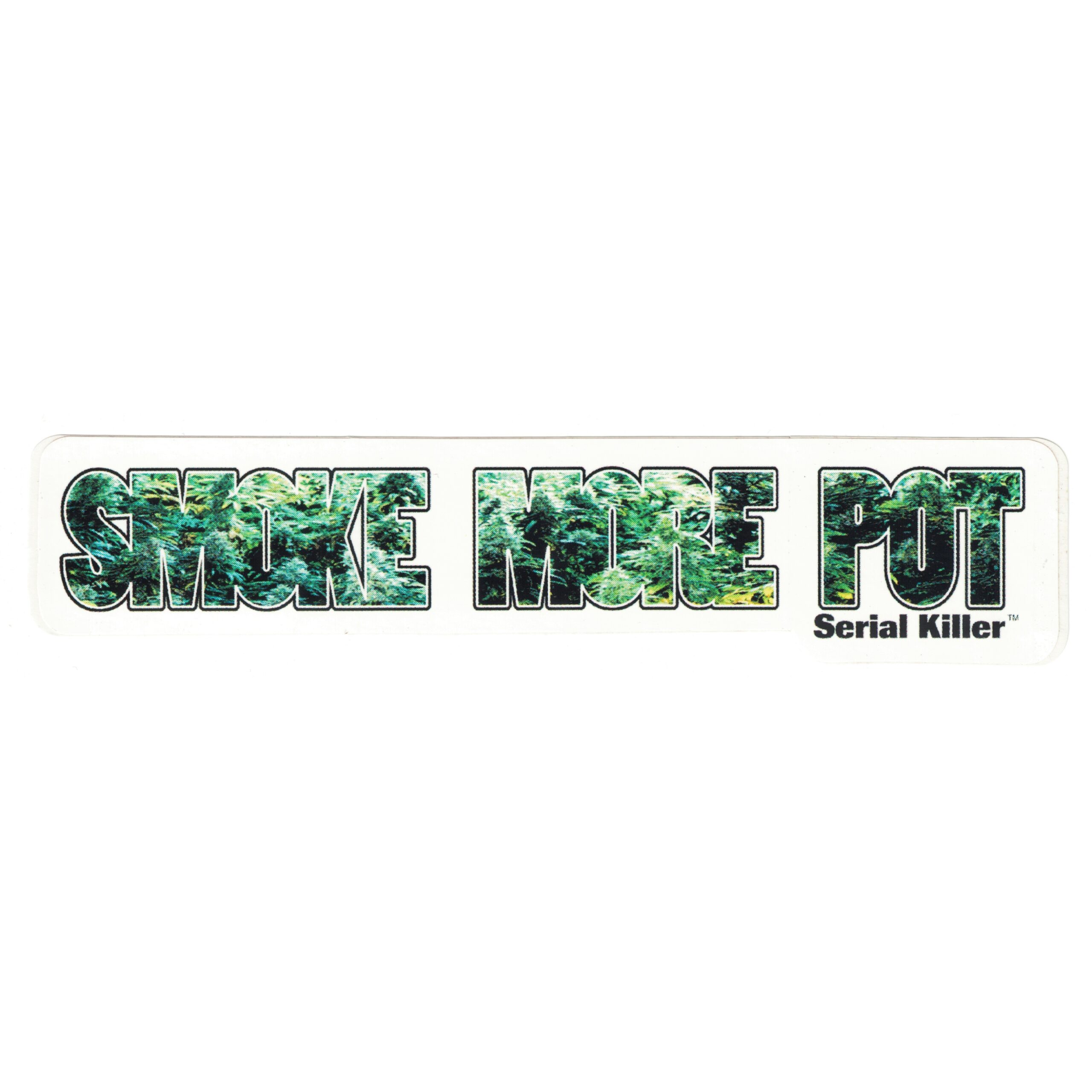
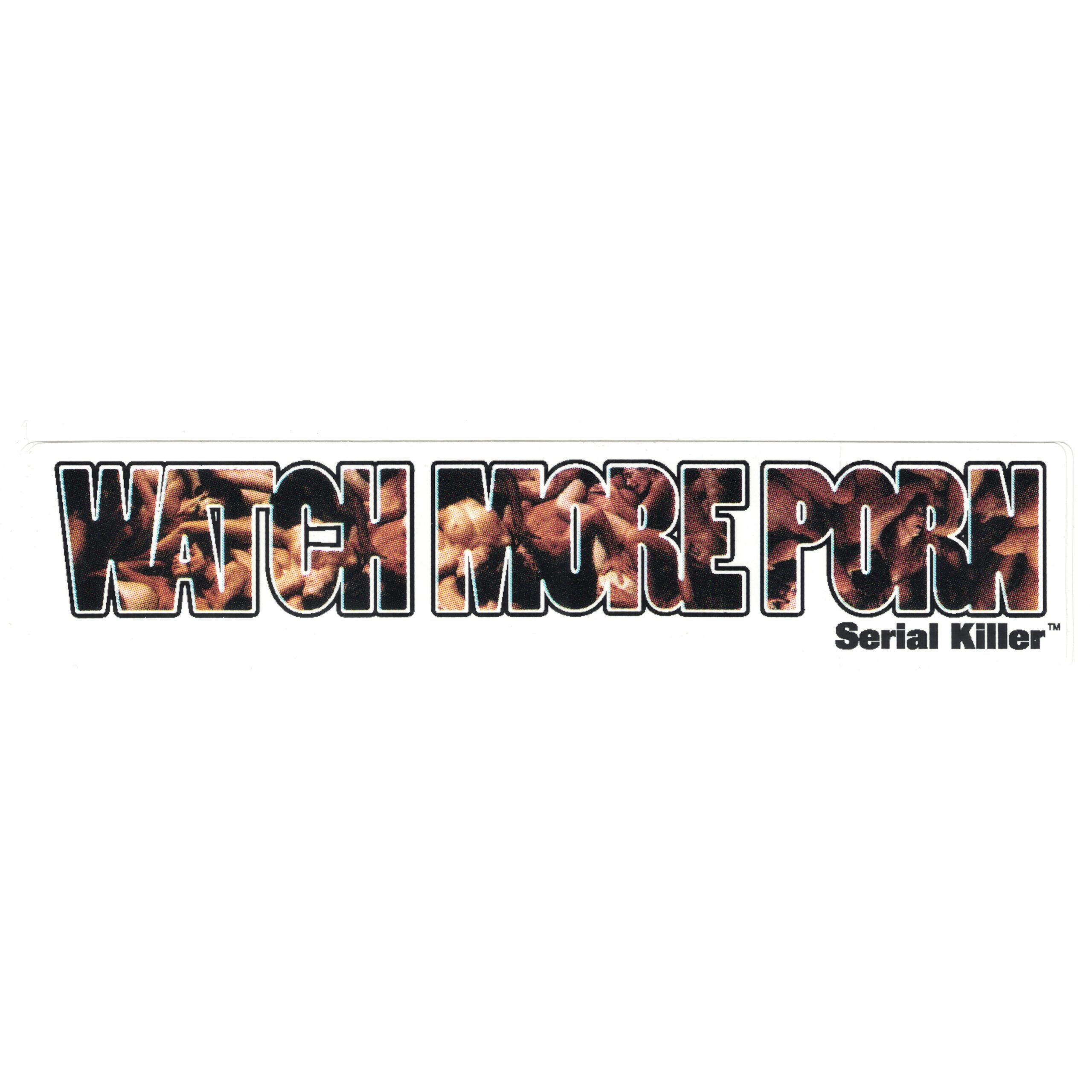
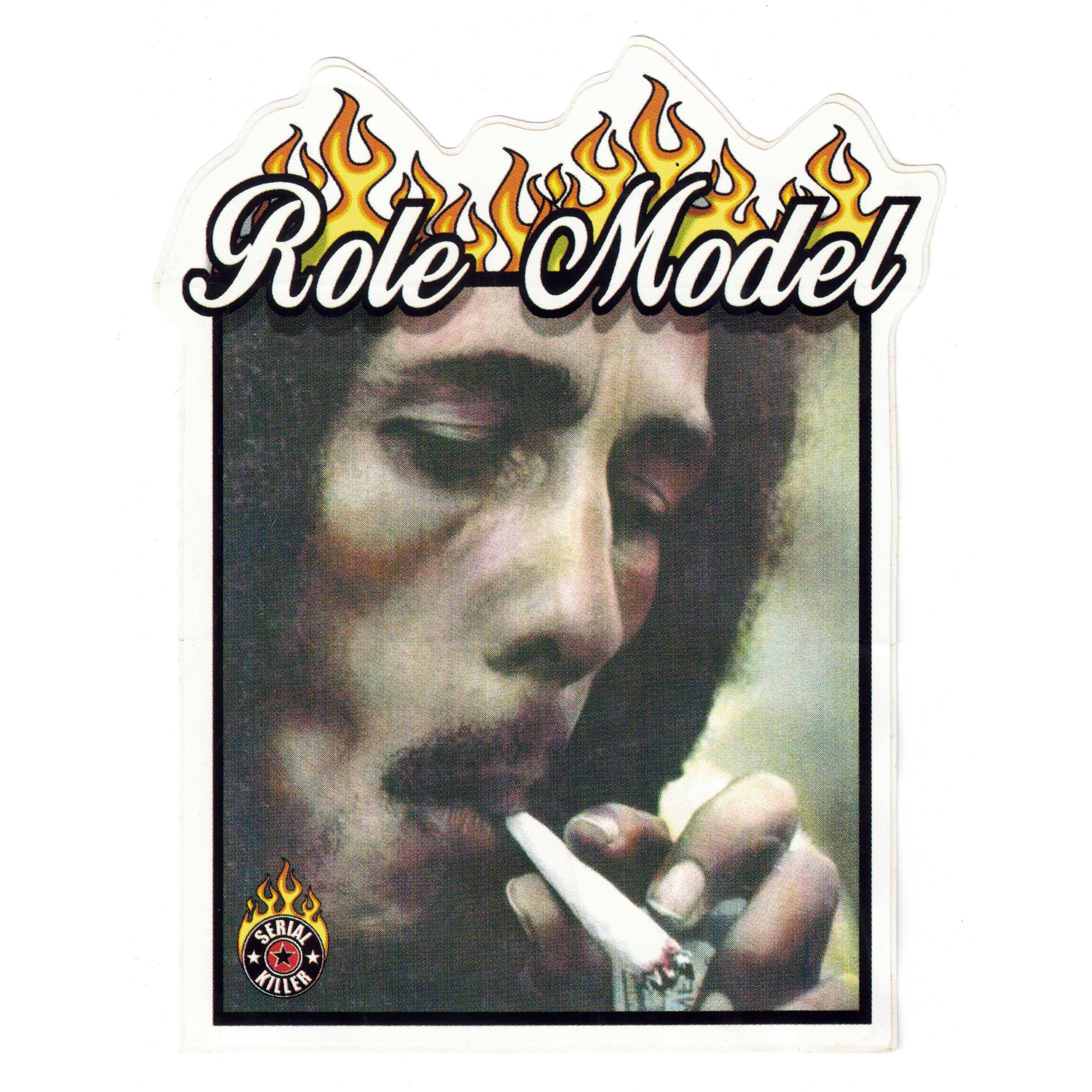
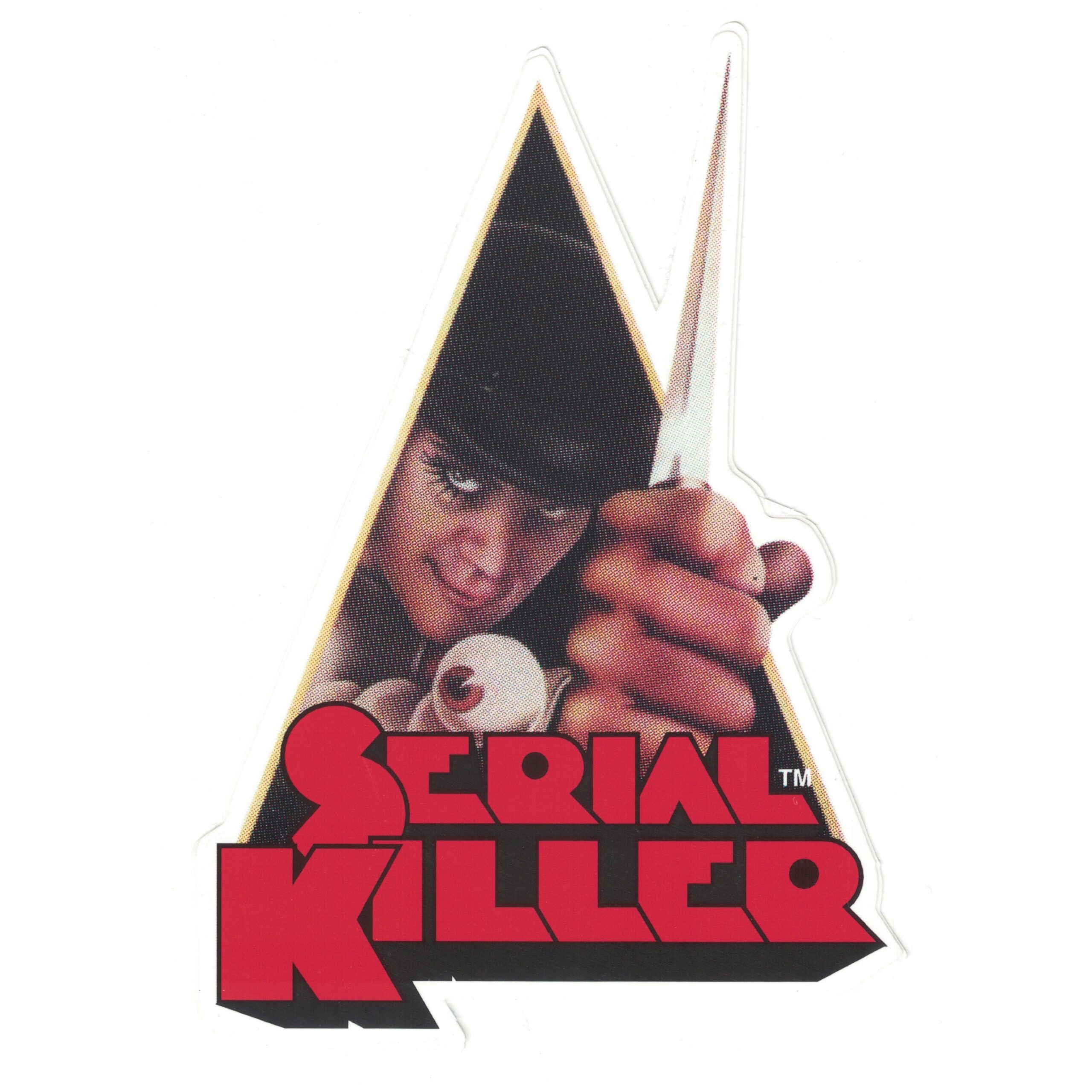
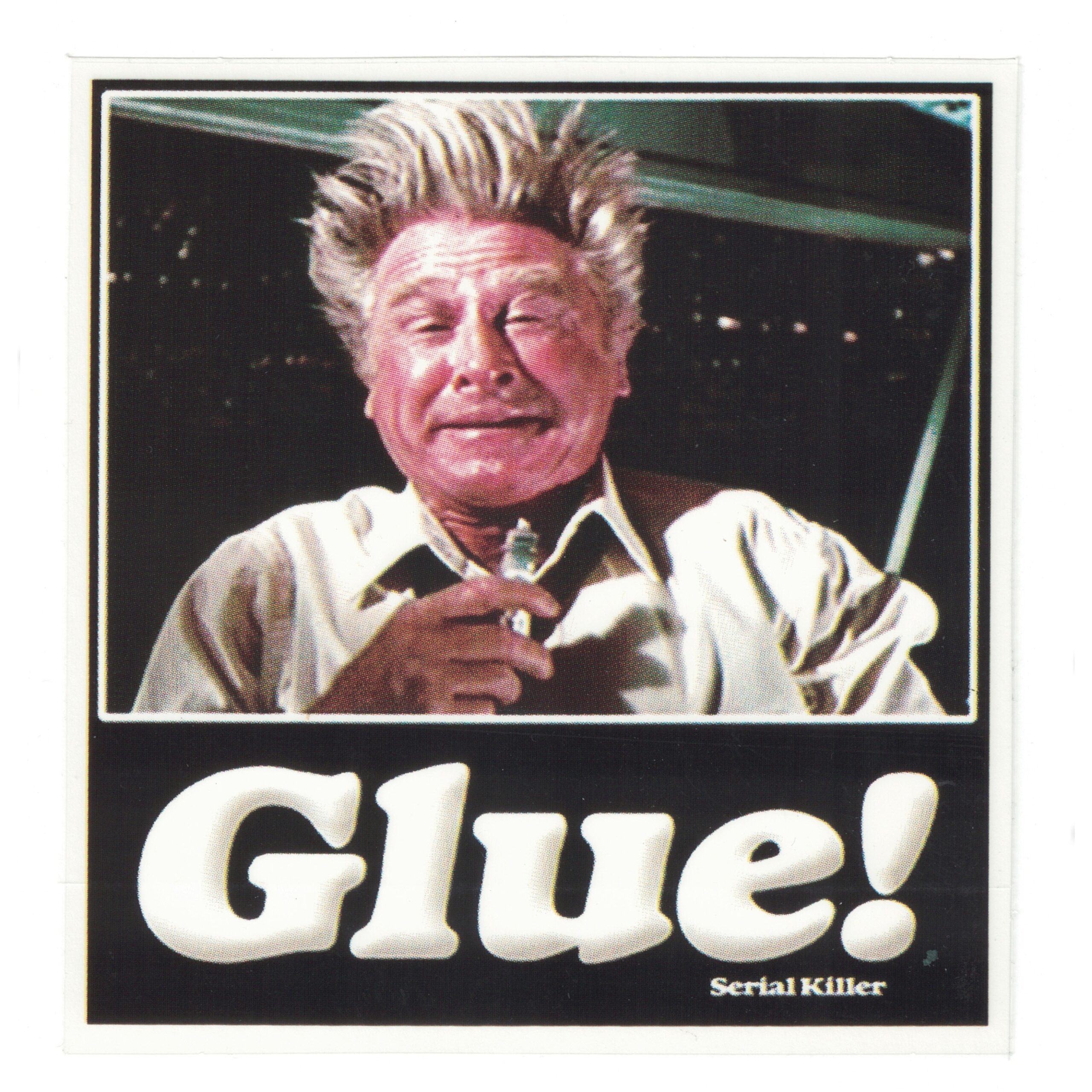
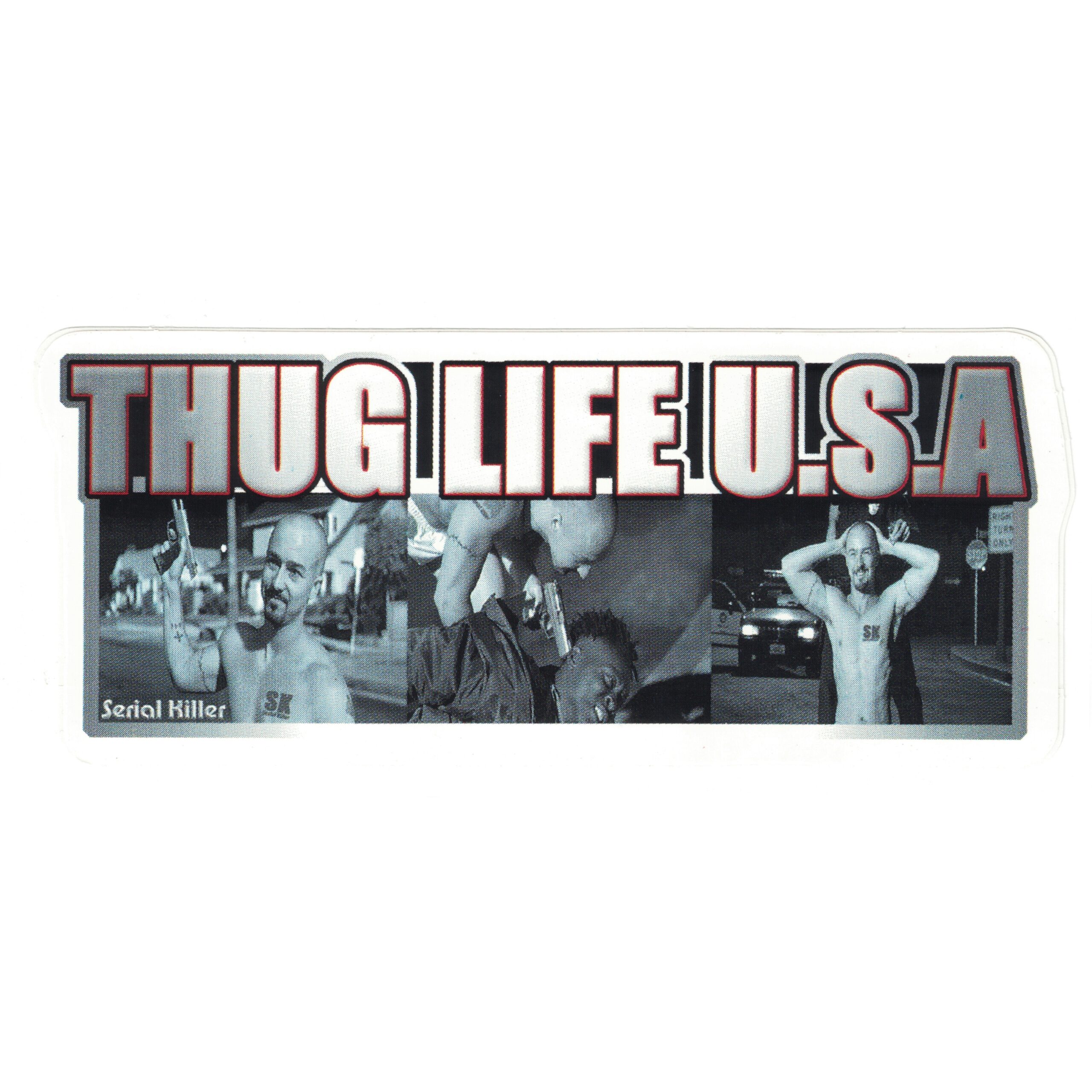
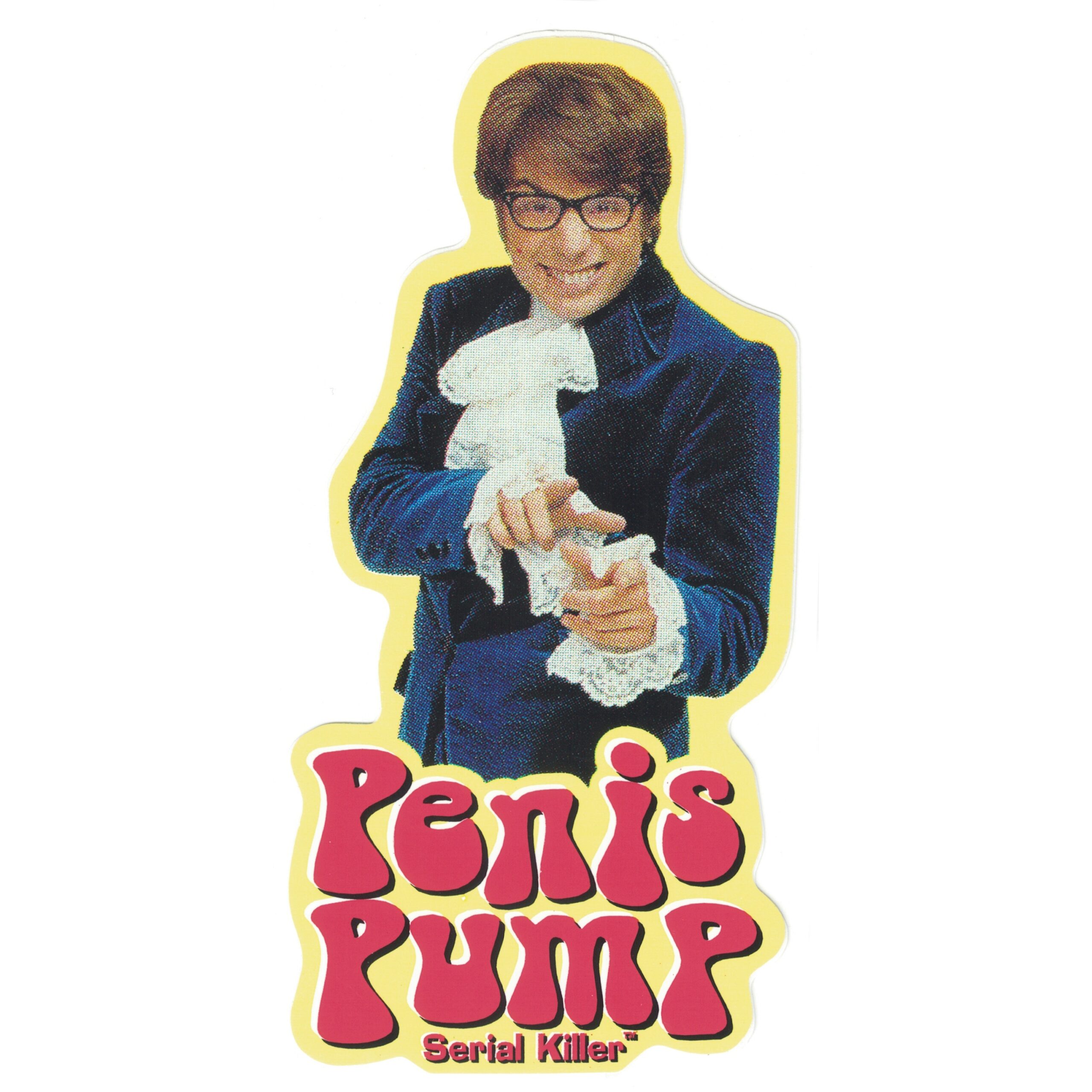
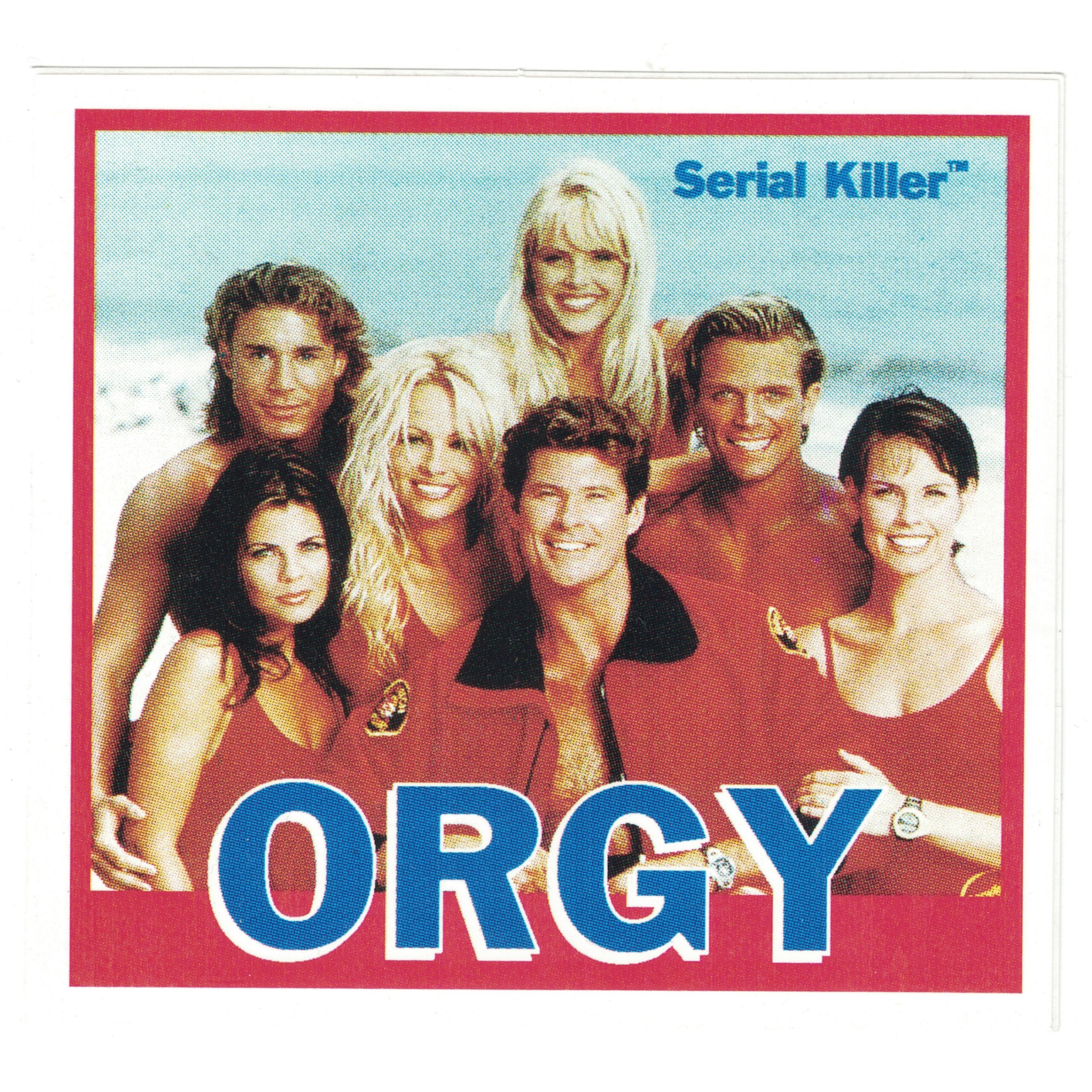
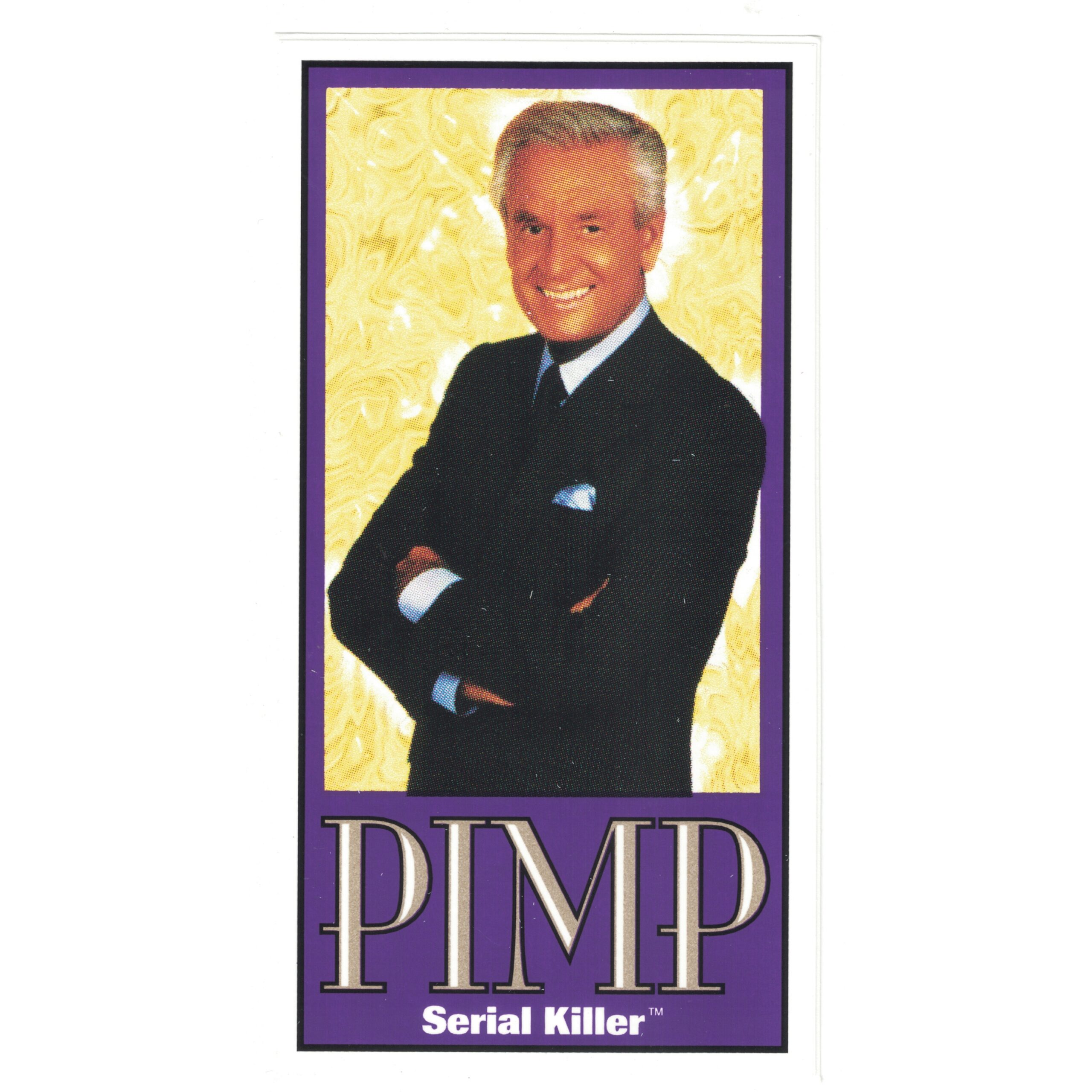
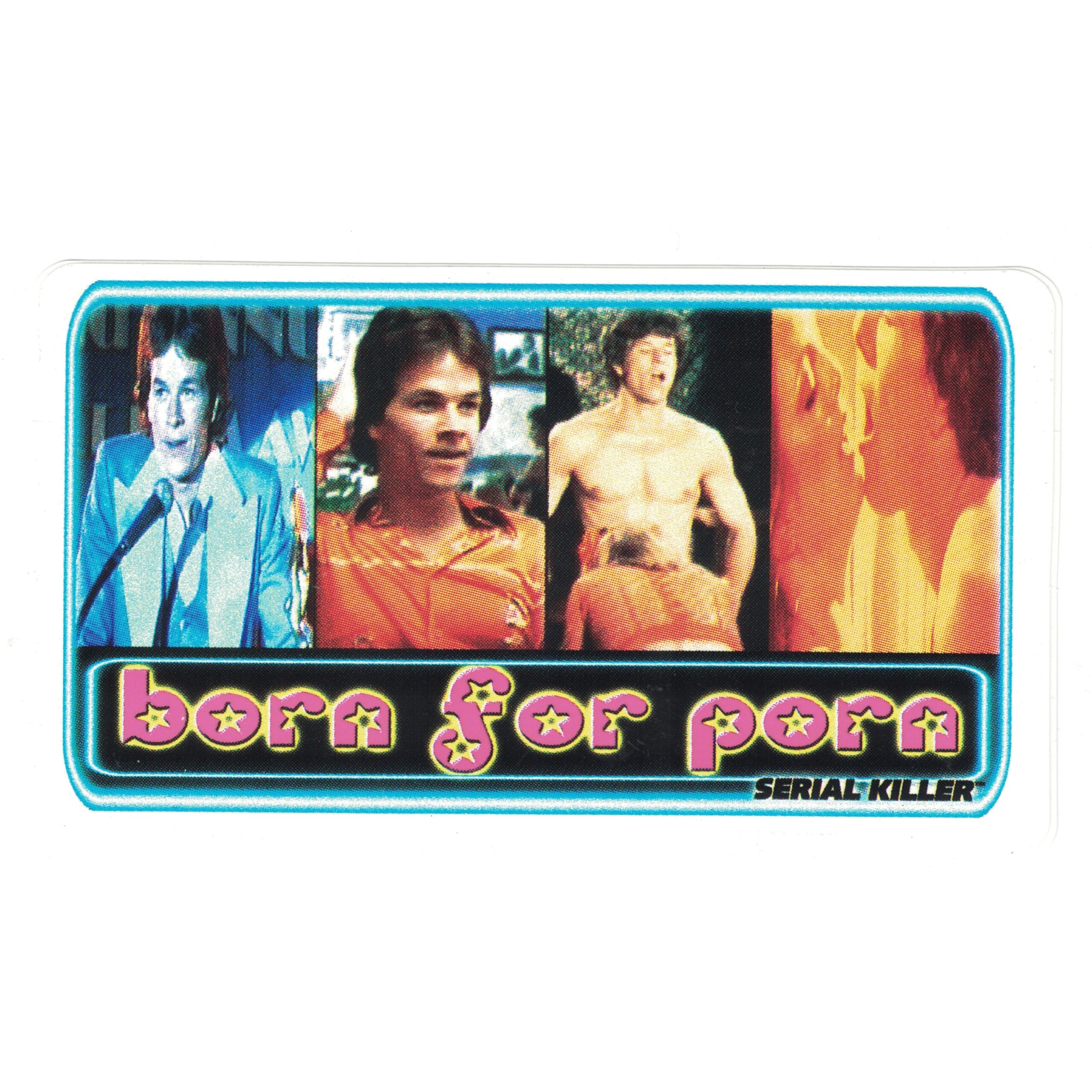
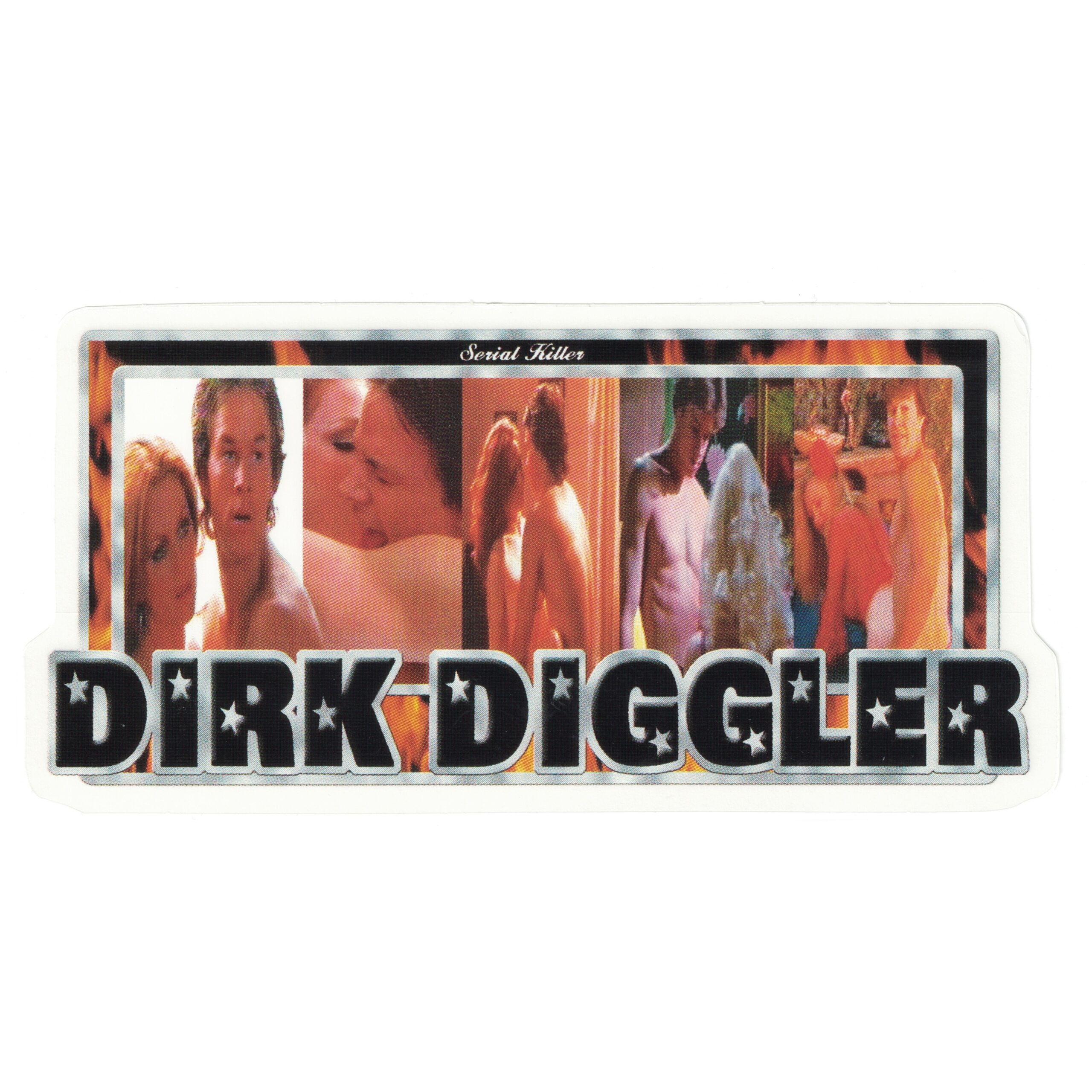
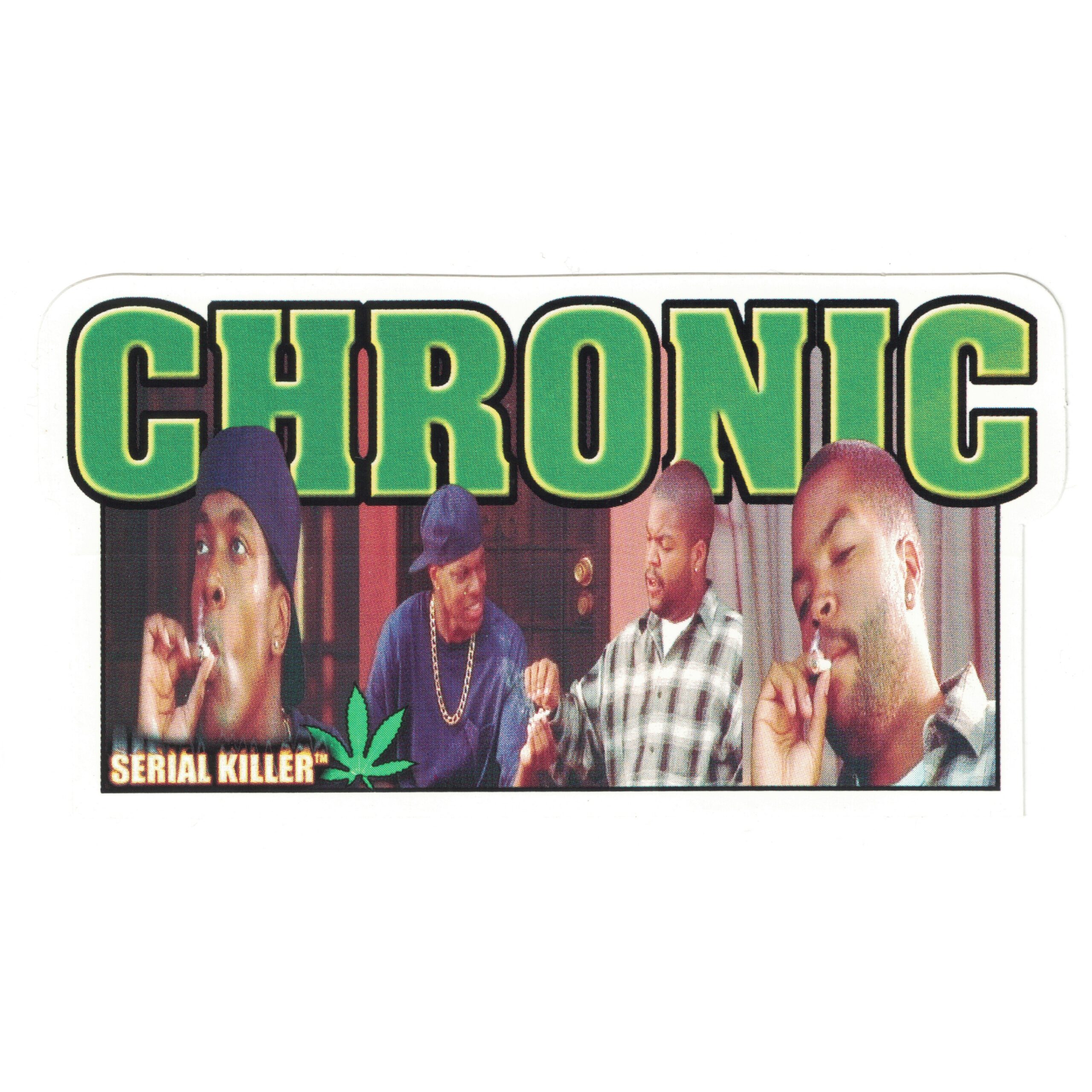
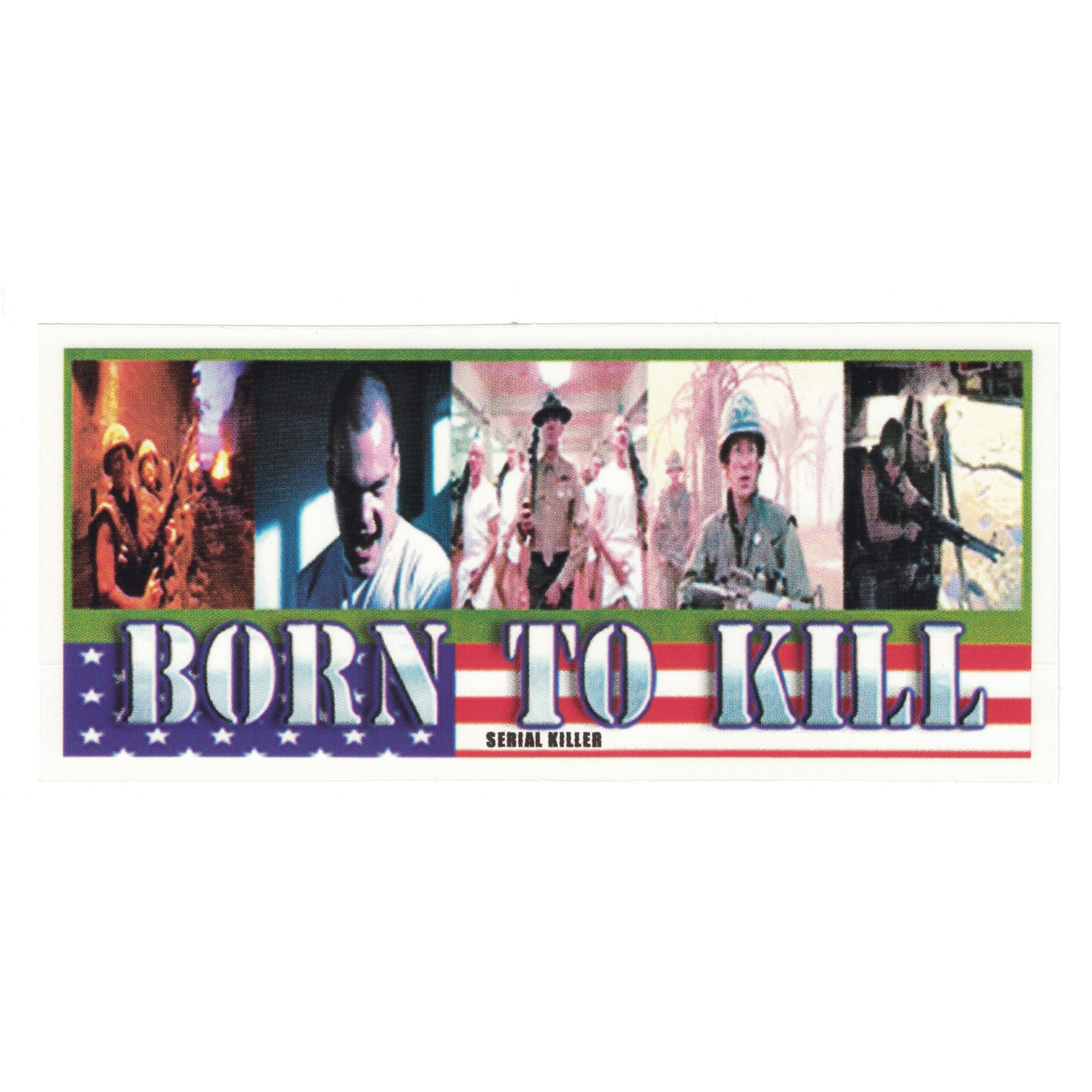
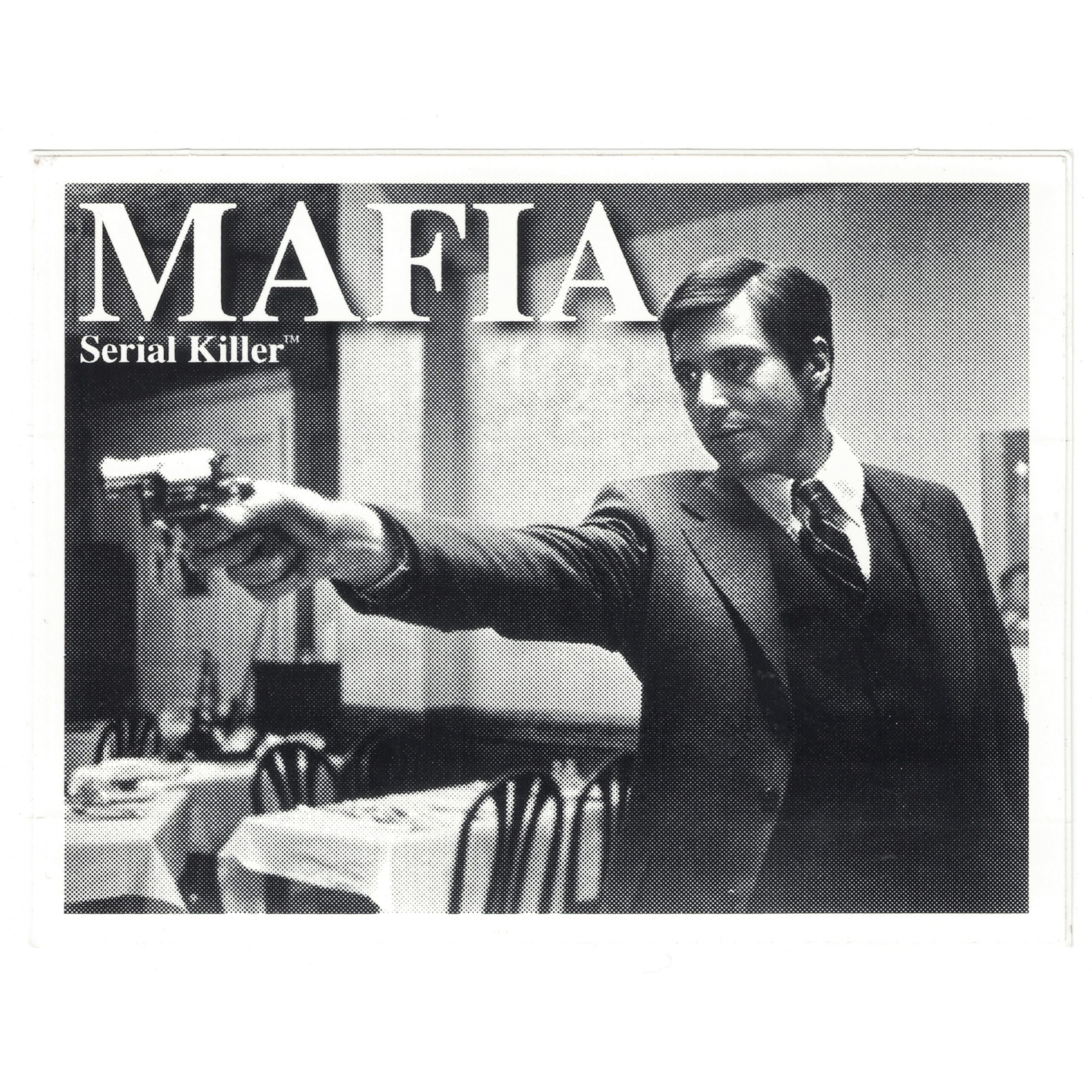
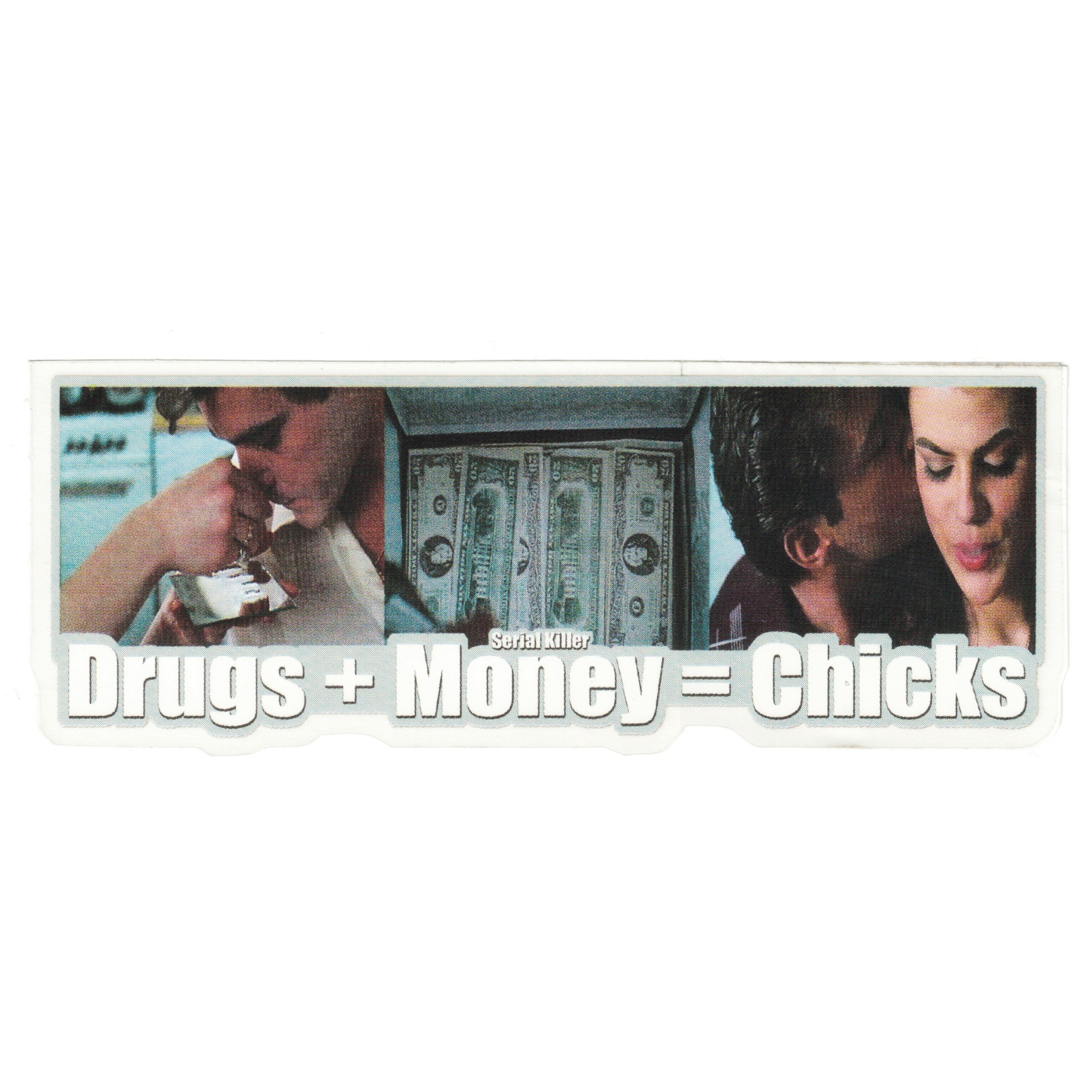
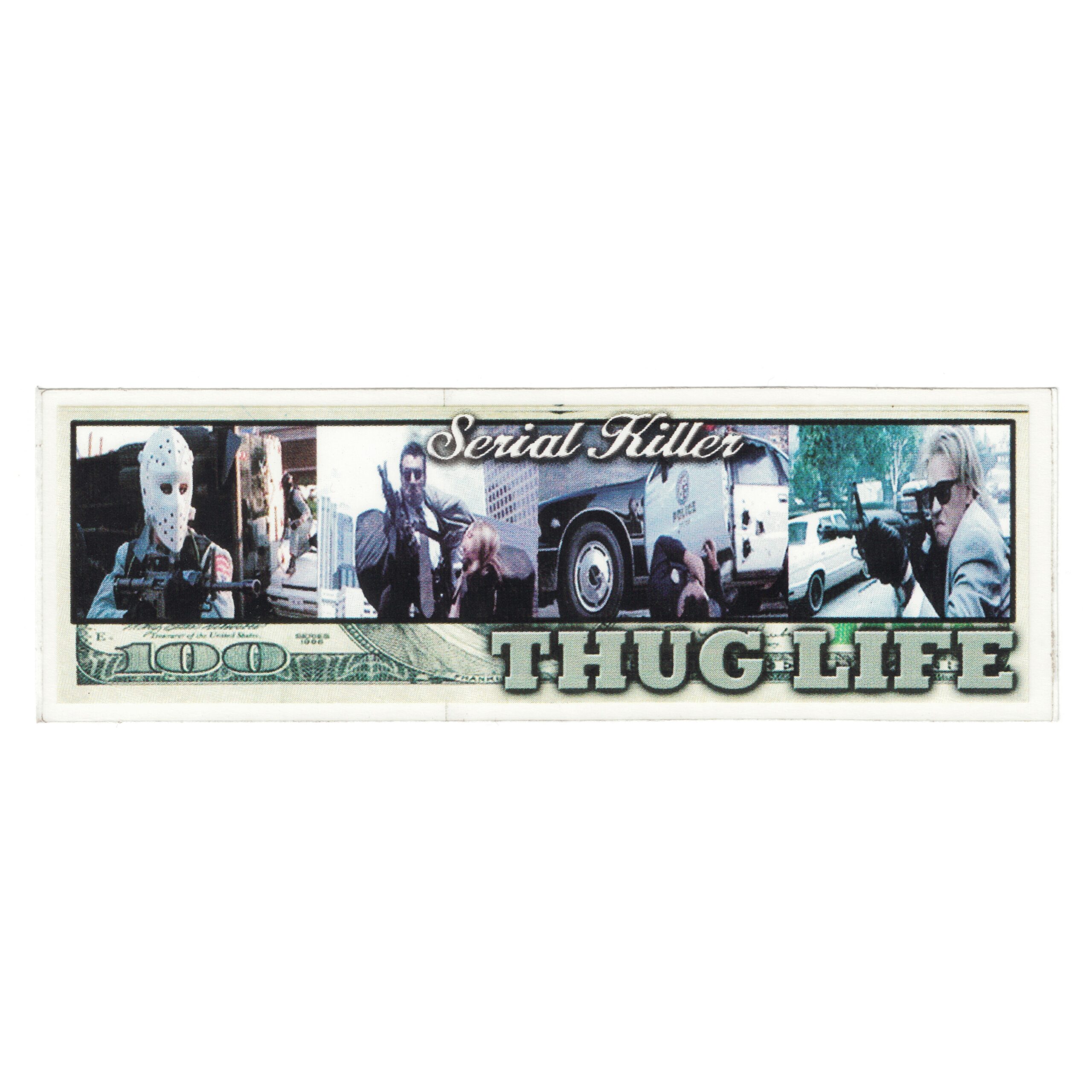
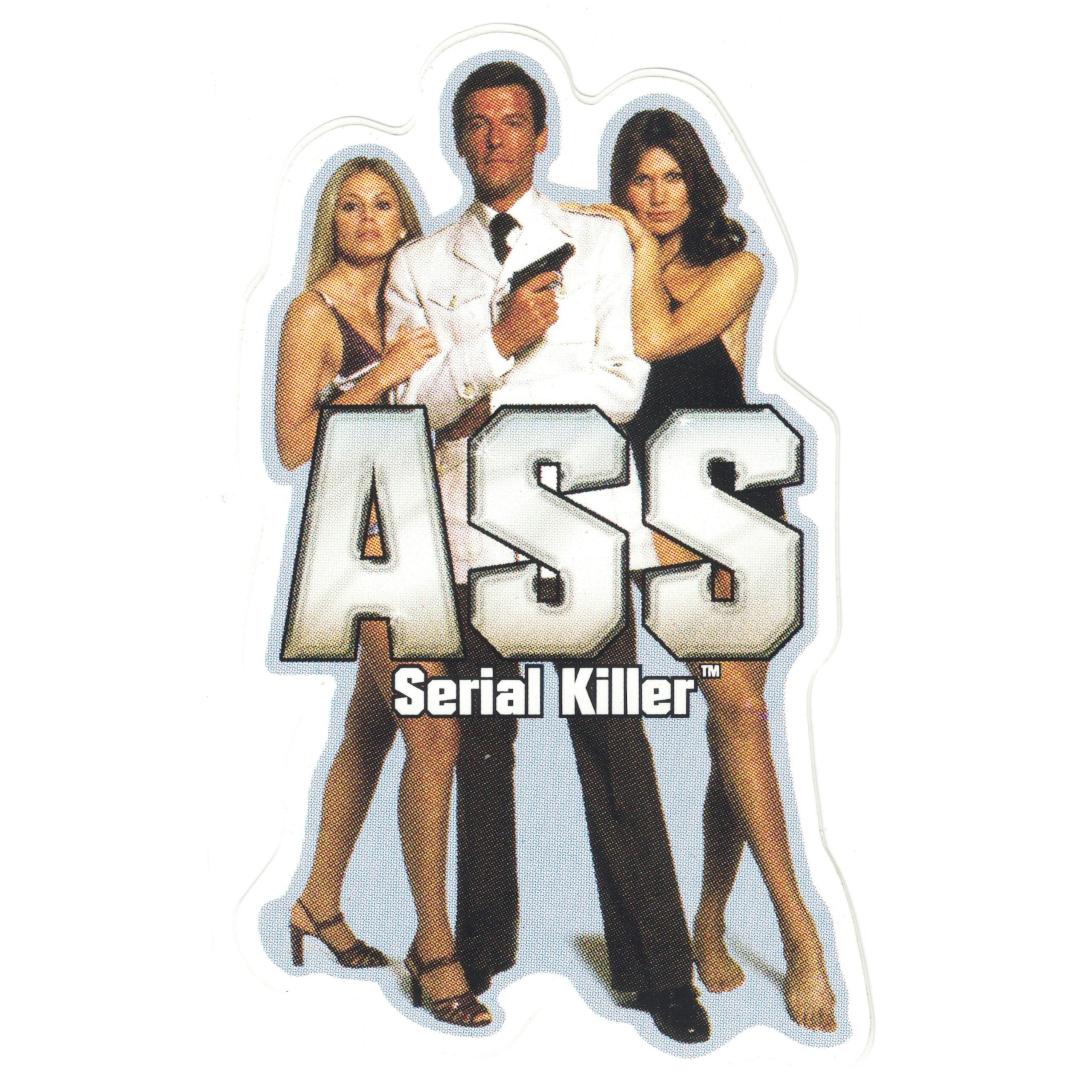
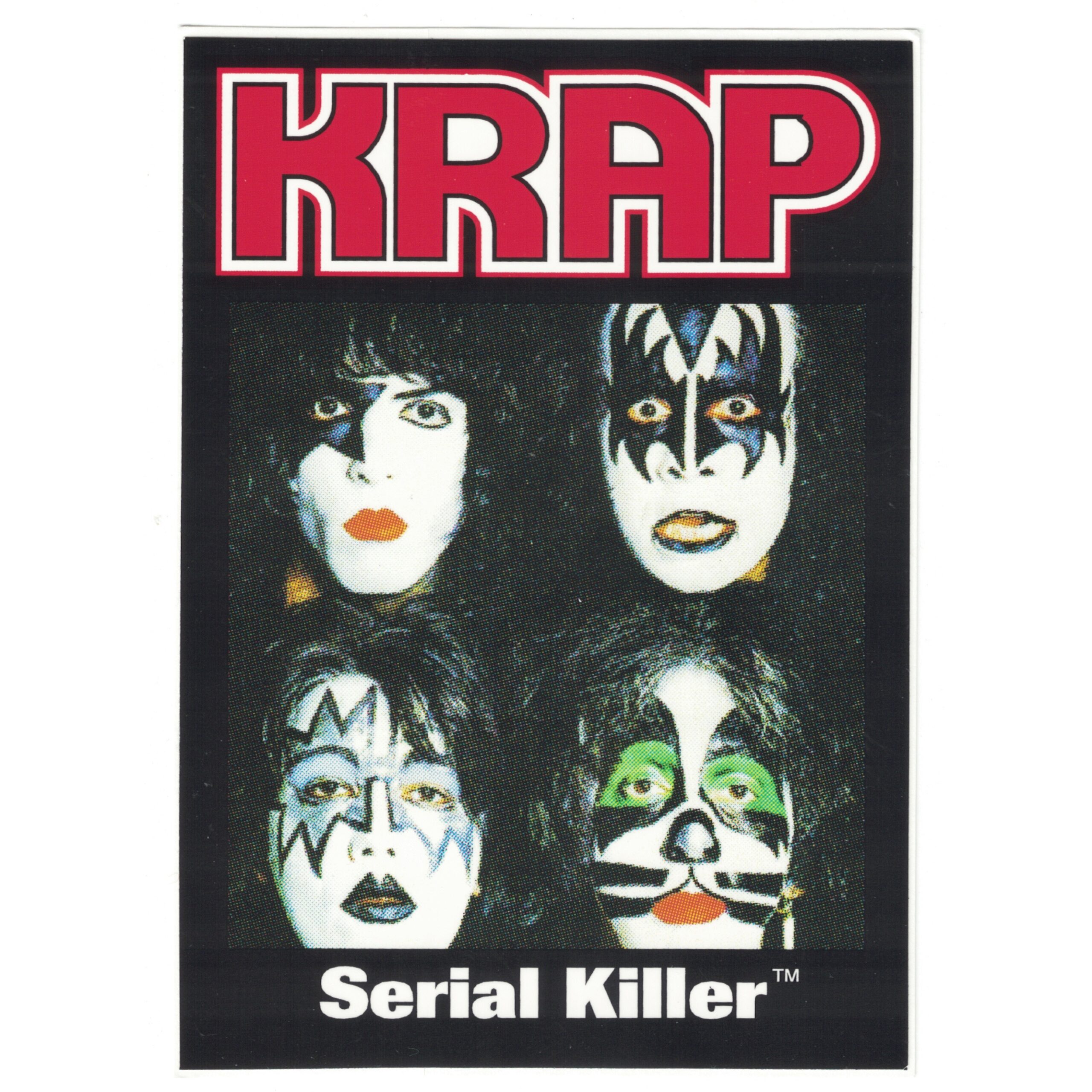
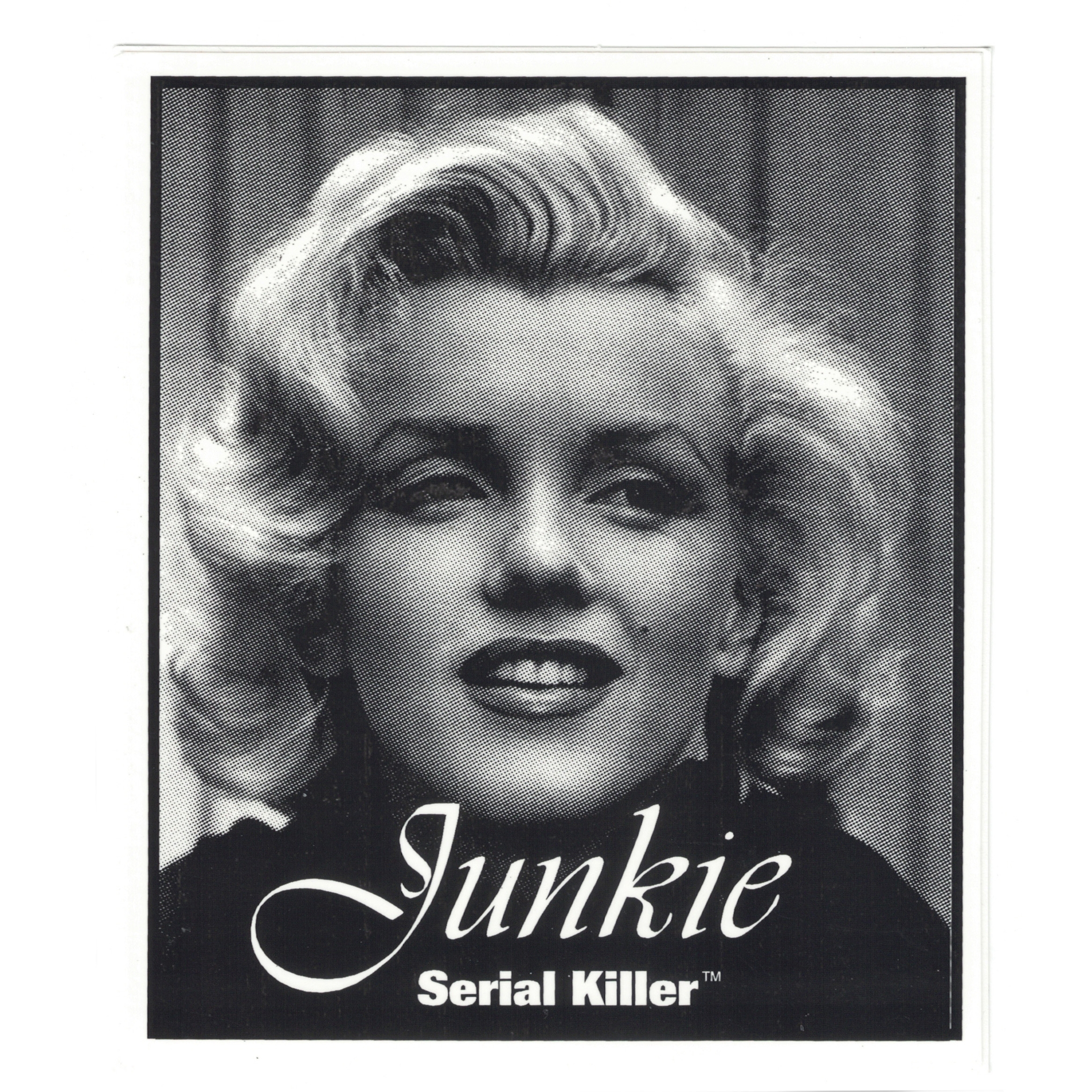
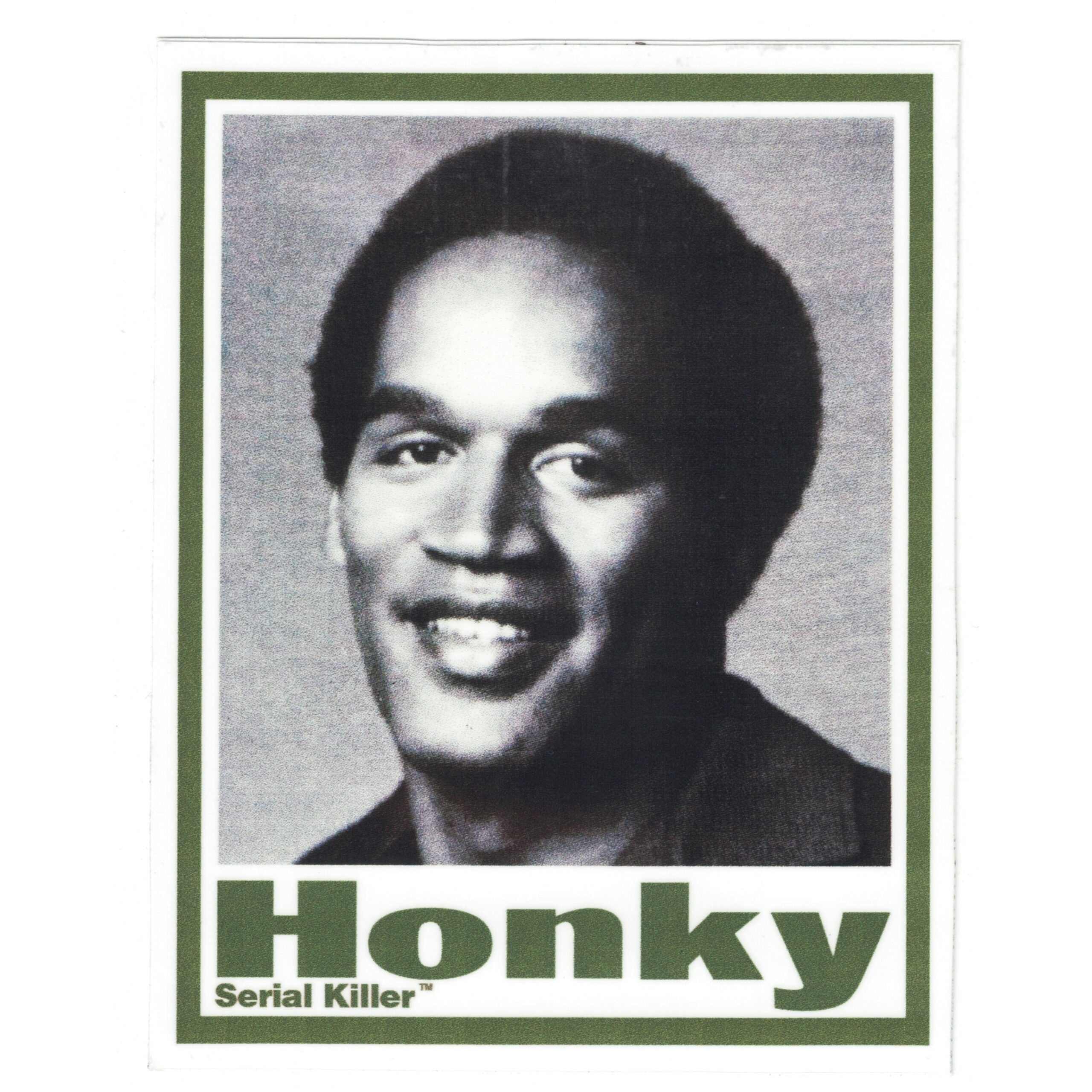
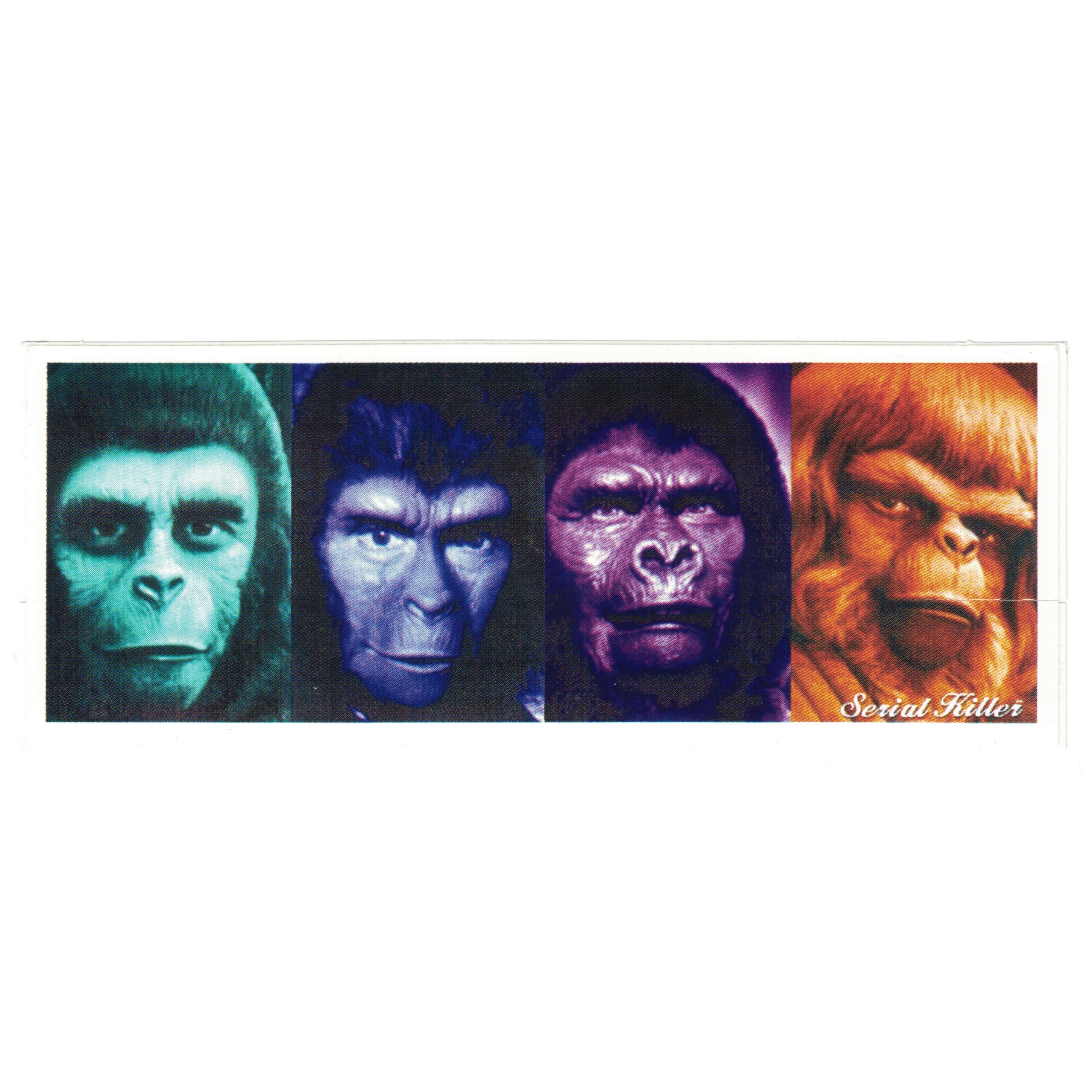
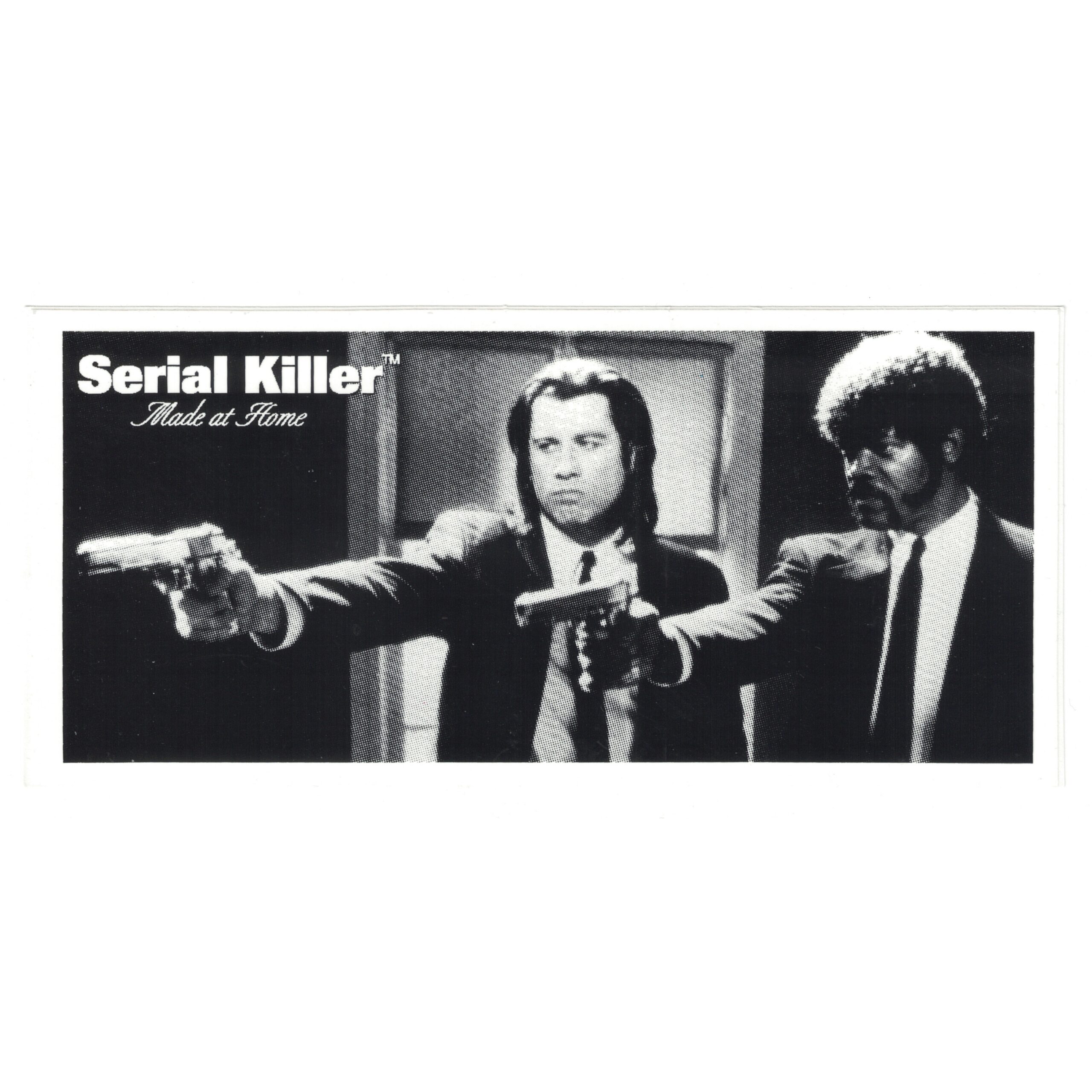
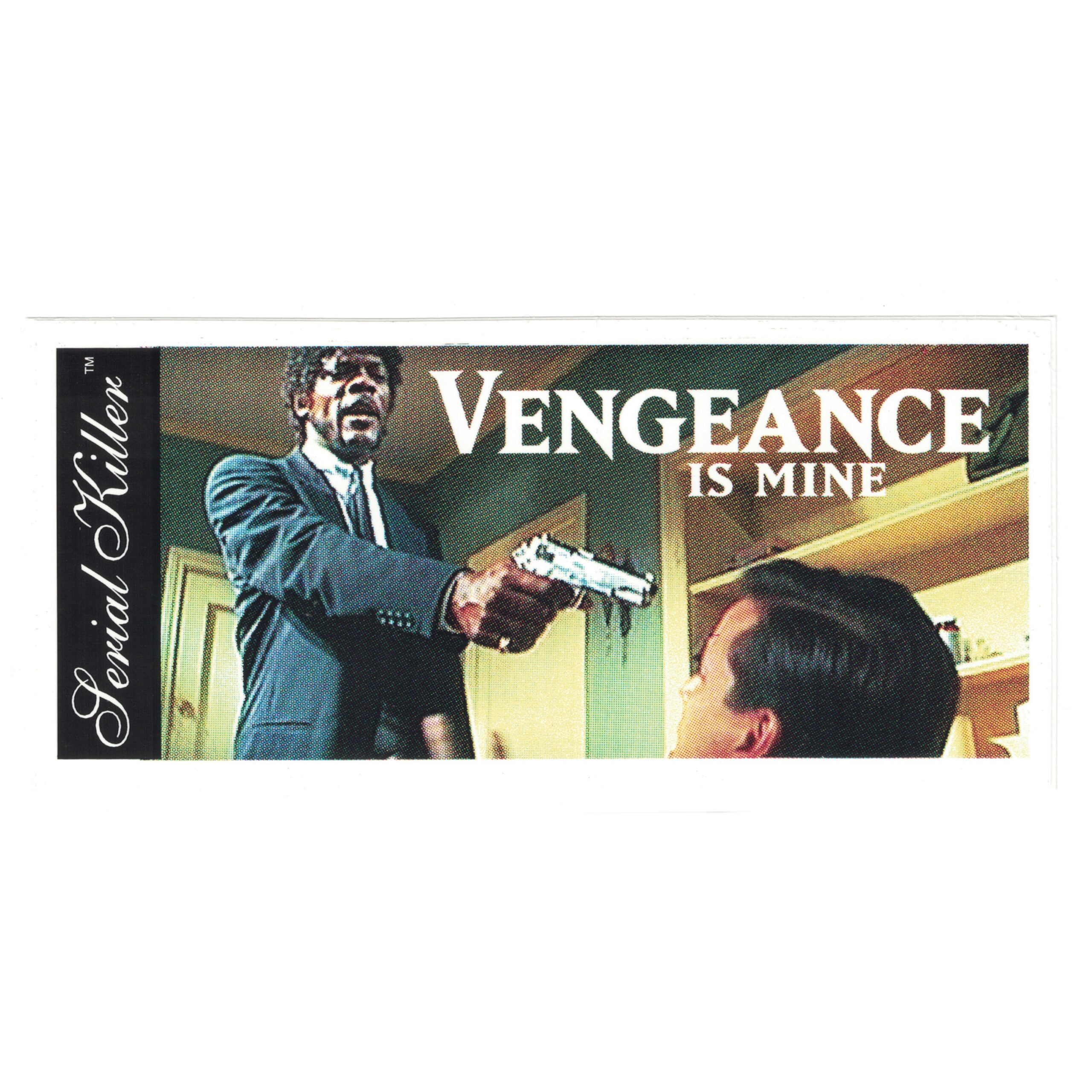
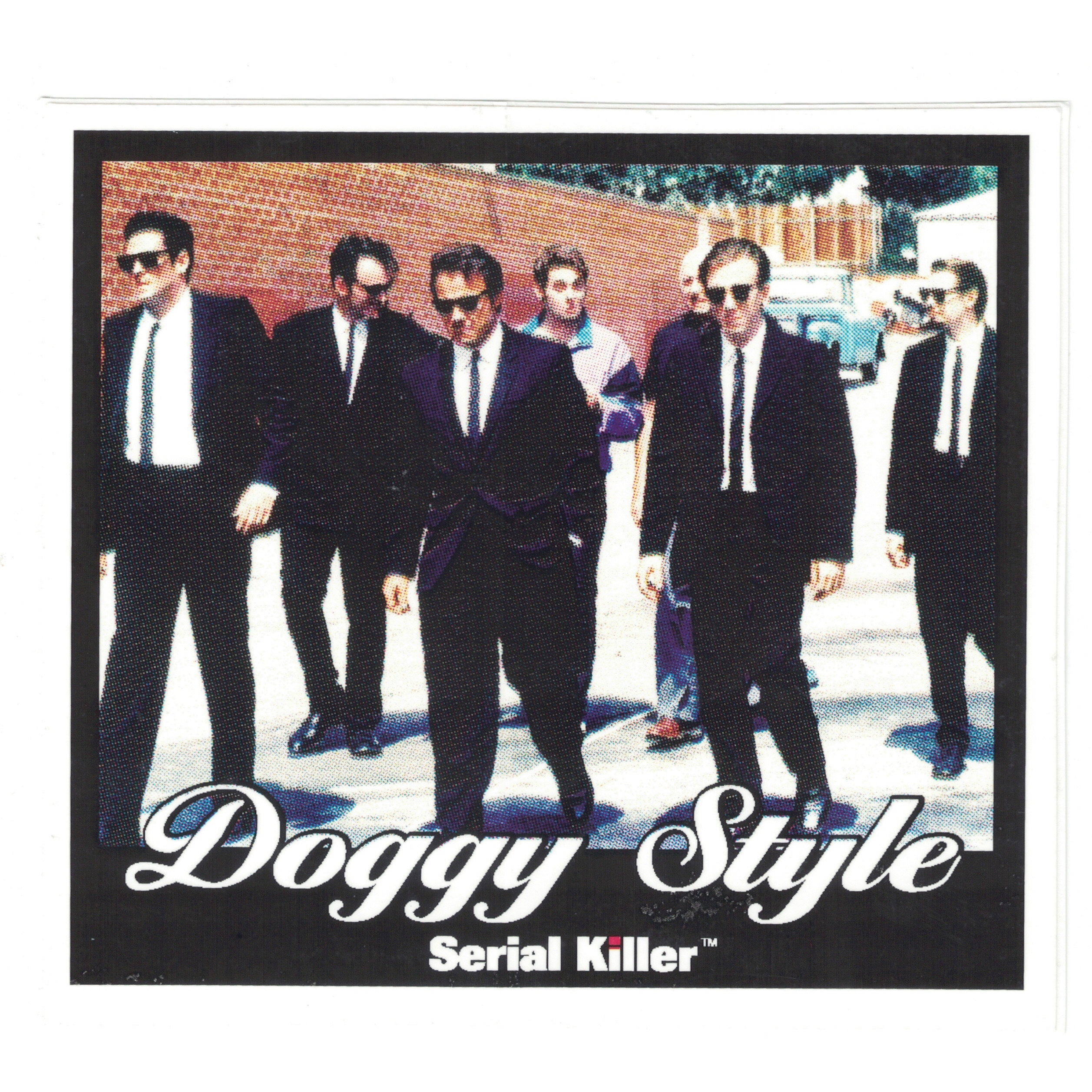
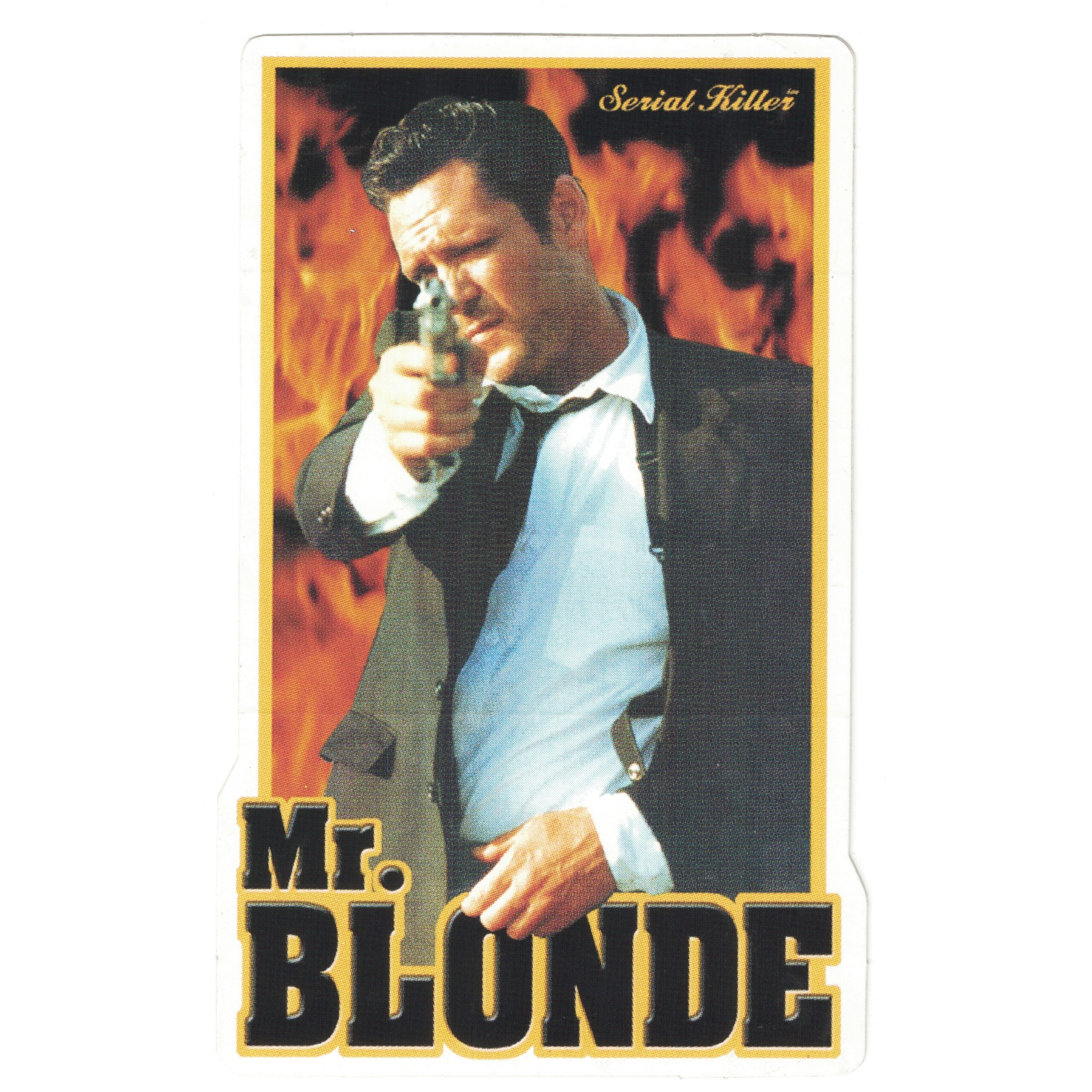
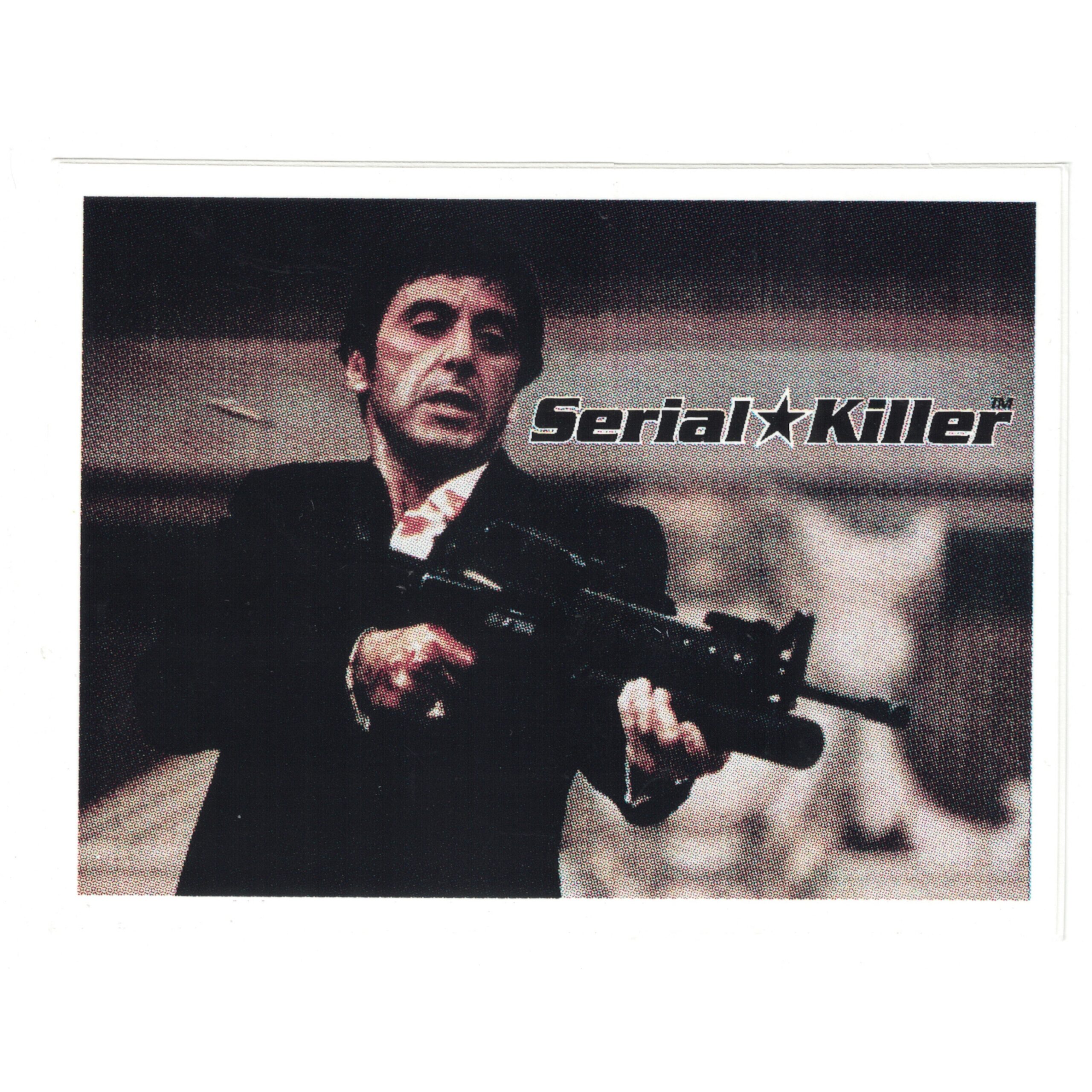
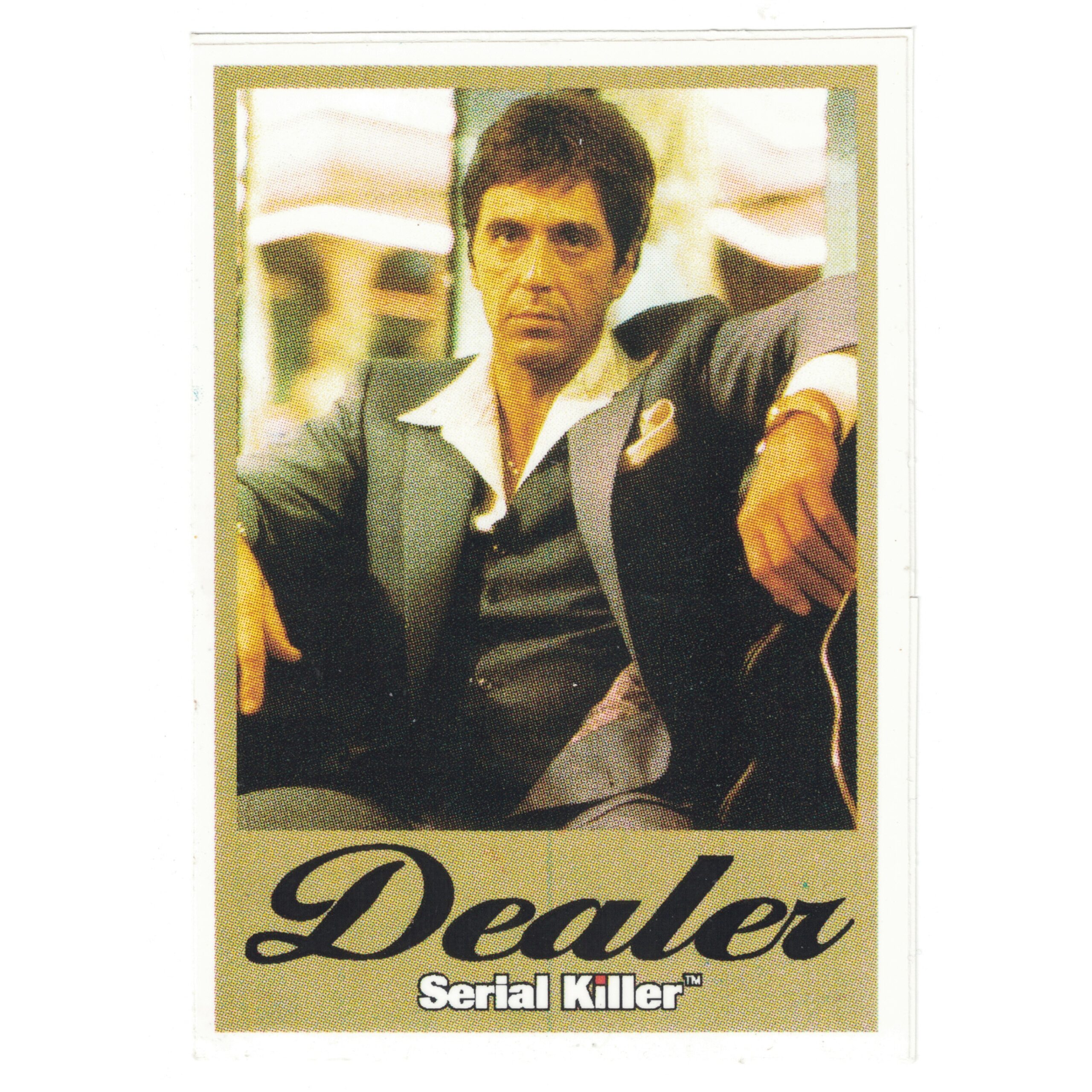
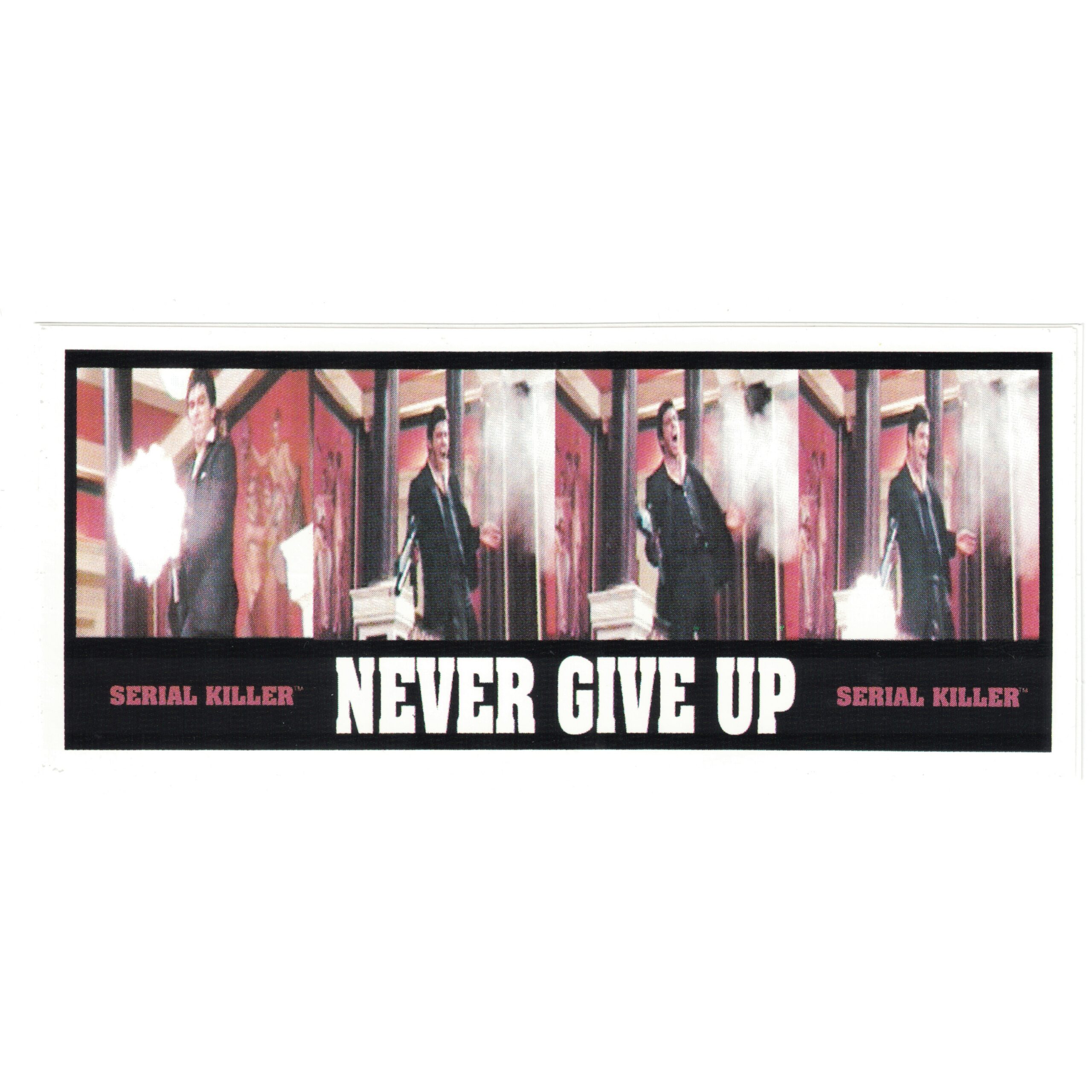
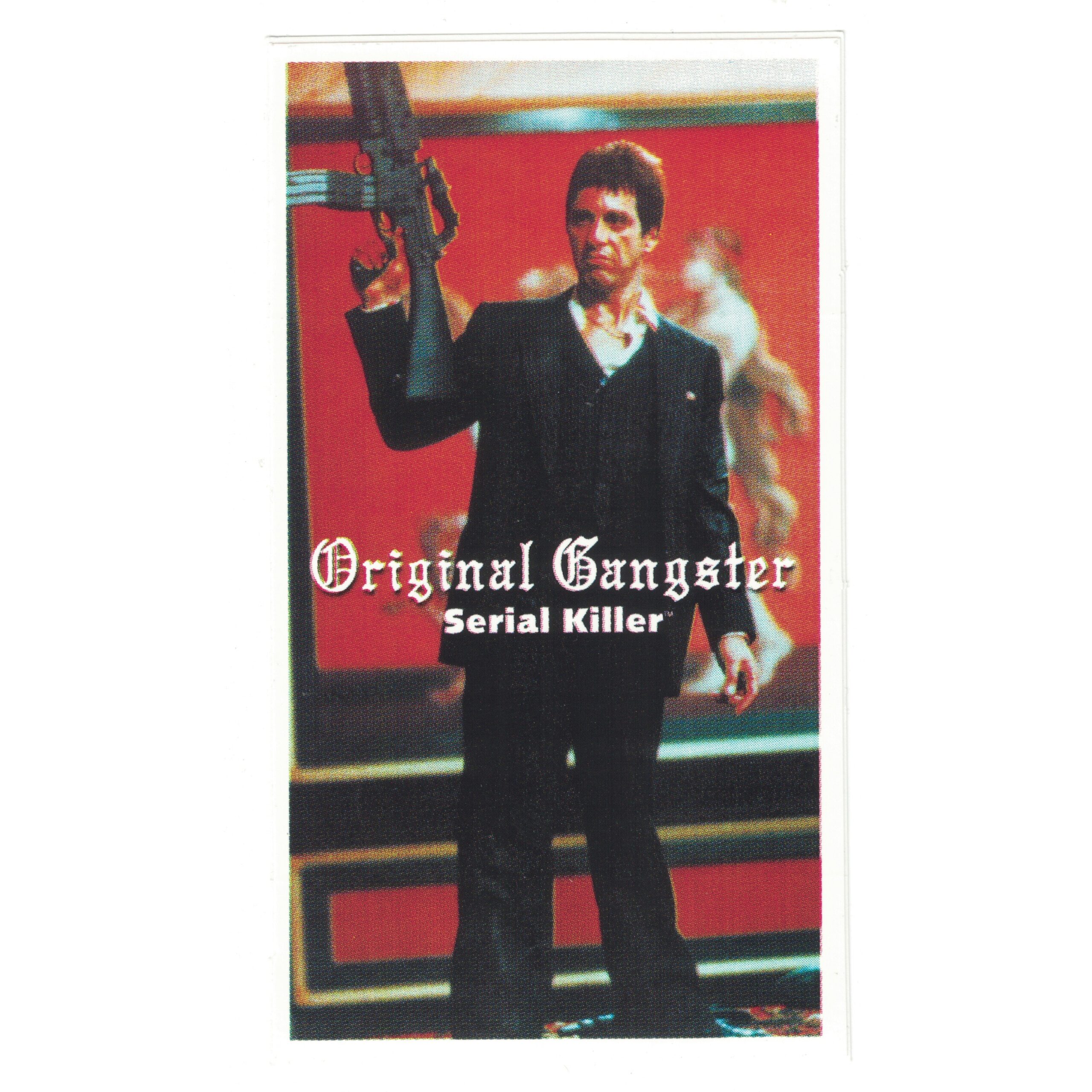
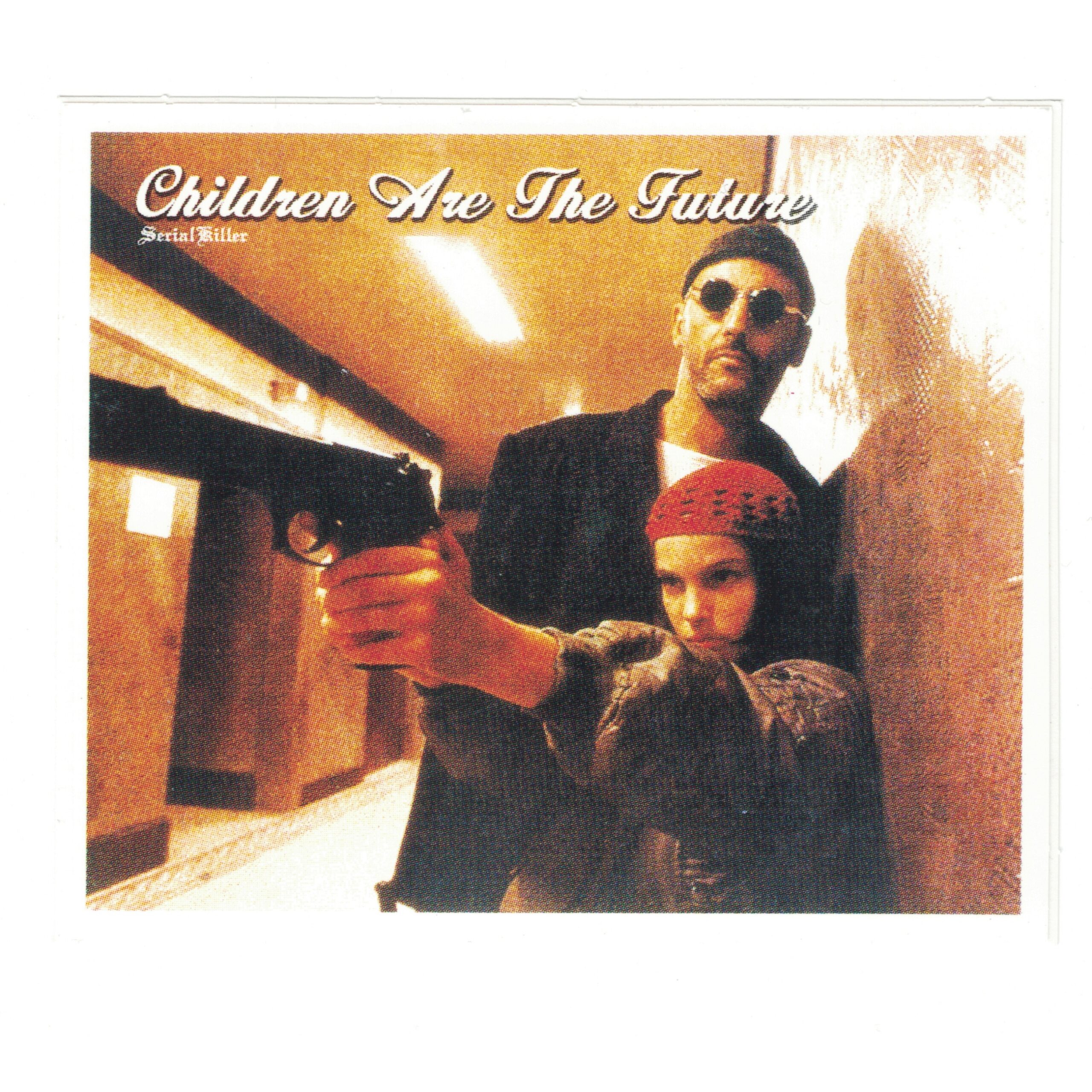
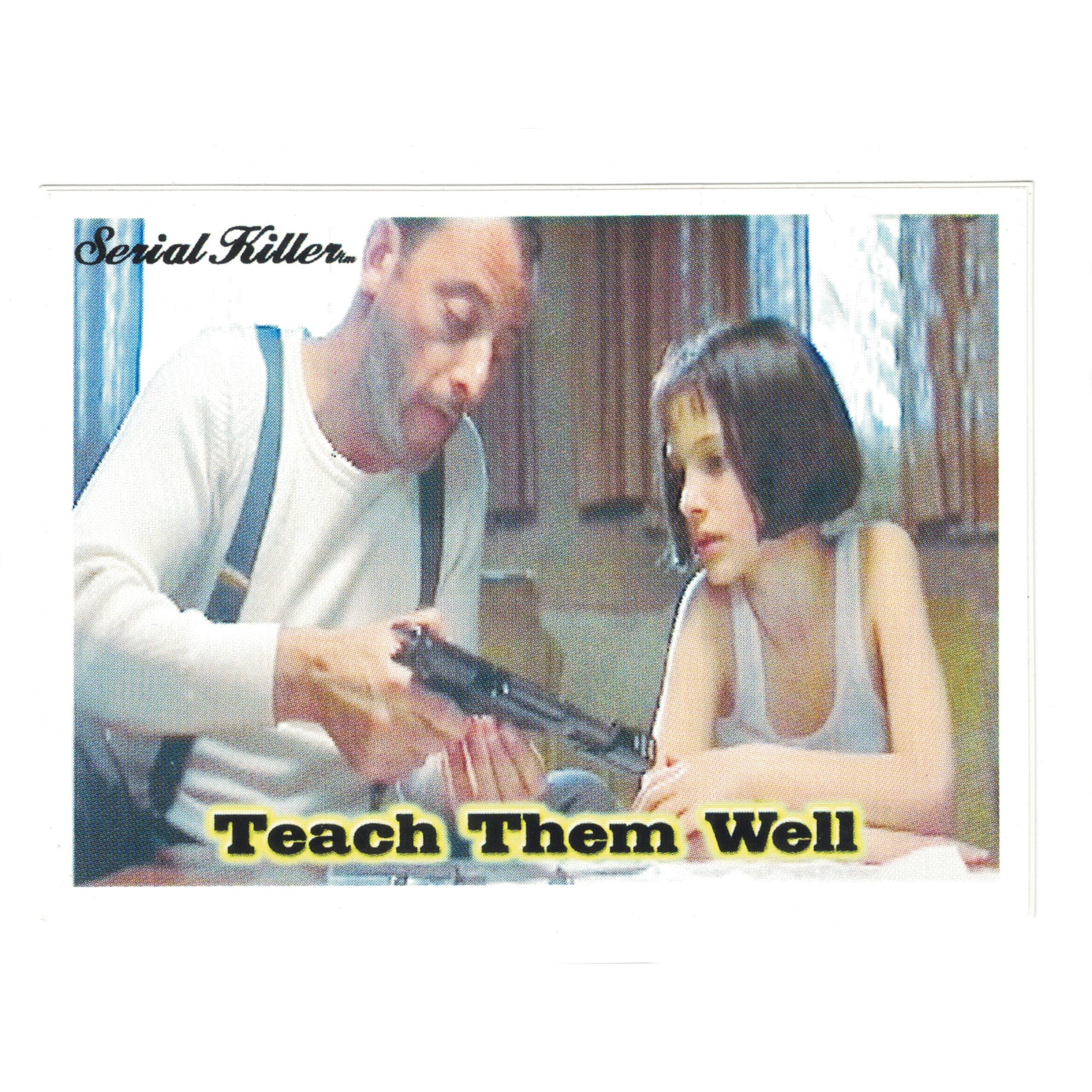
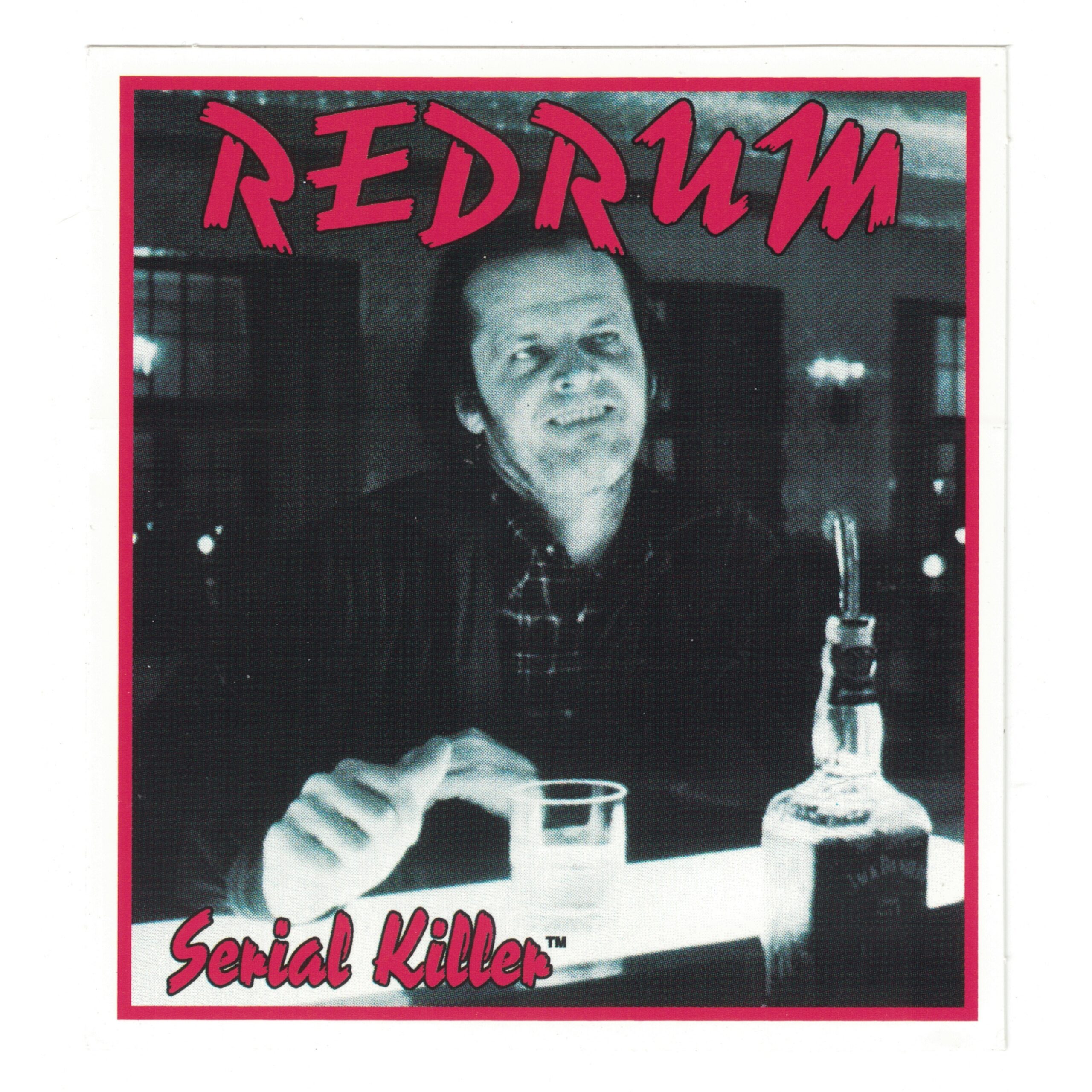
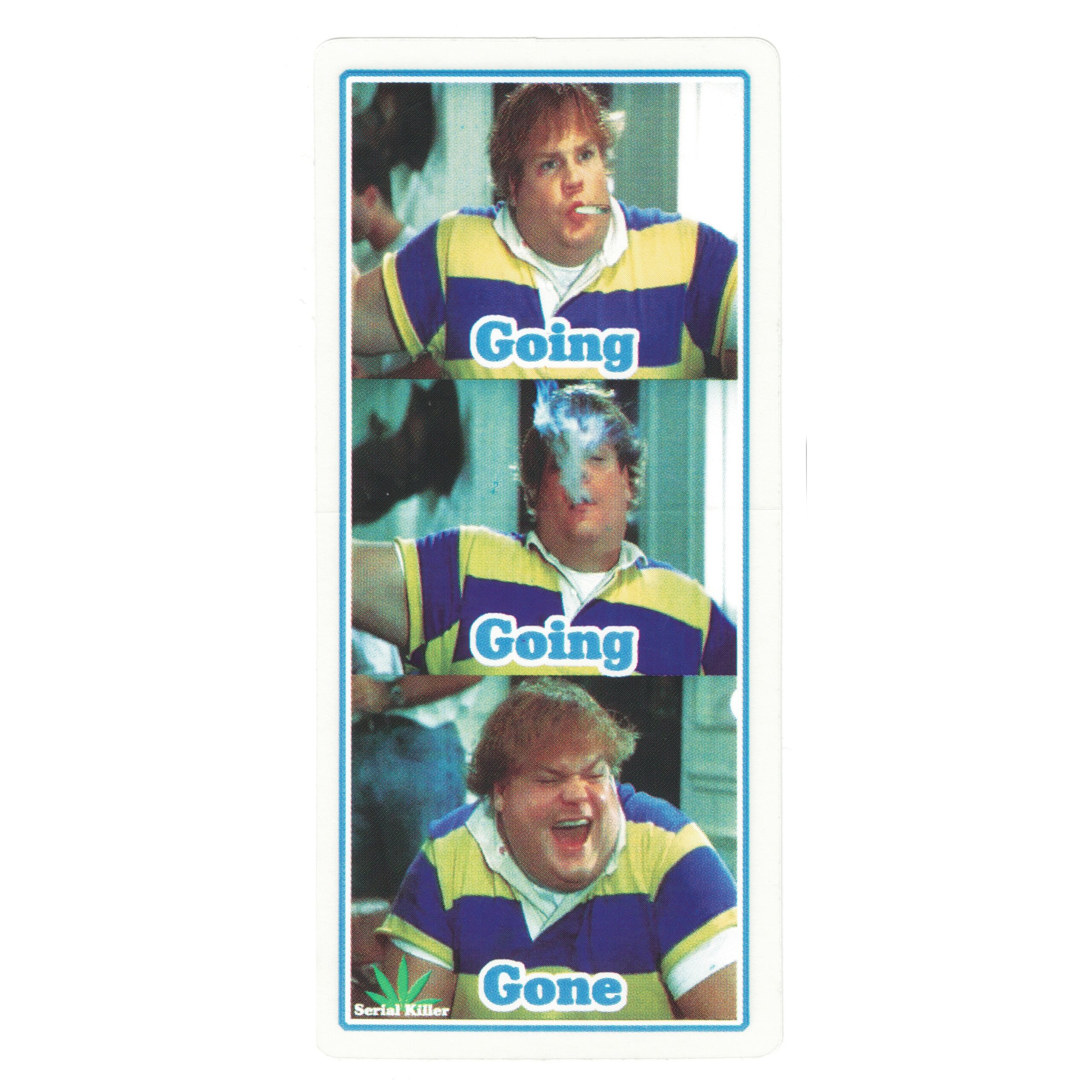
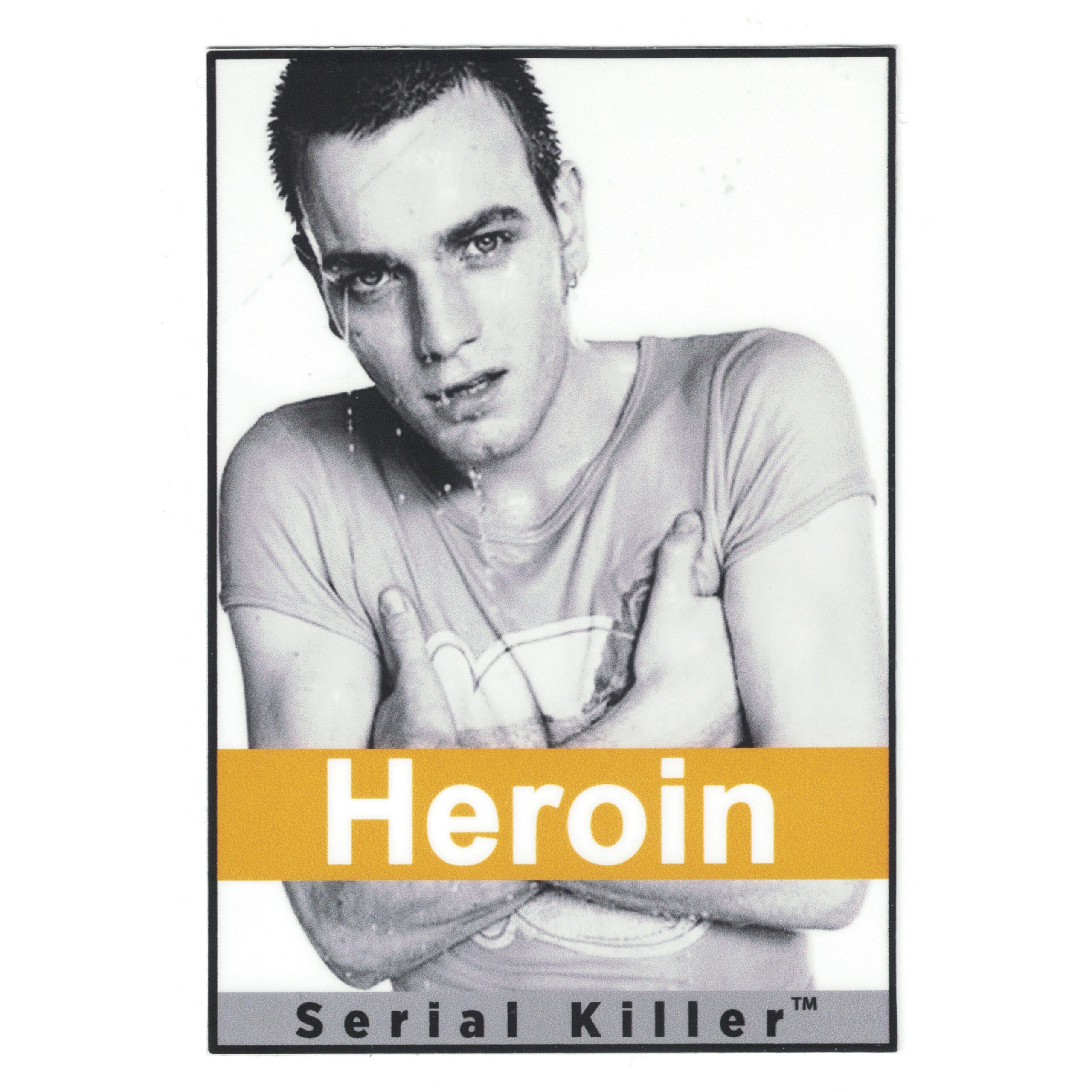
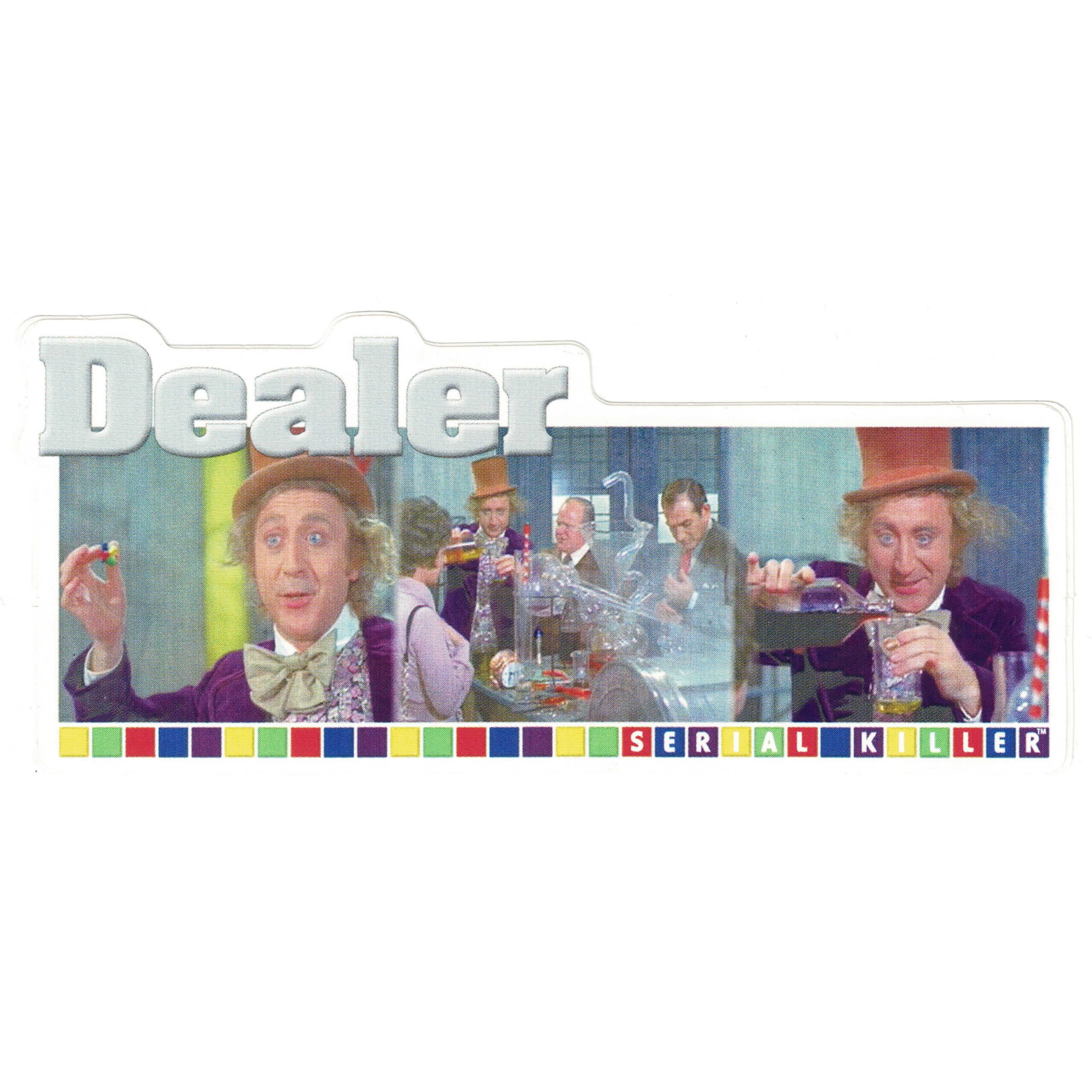
Serial Killer

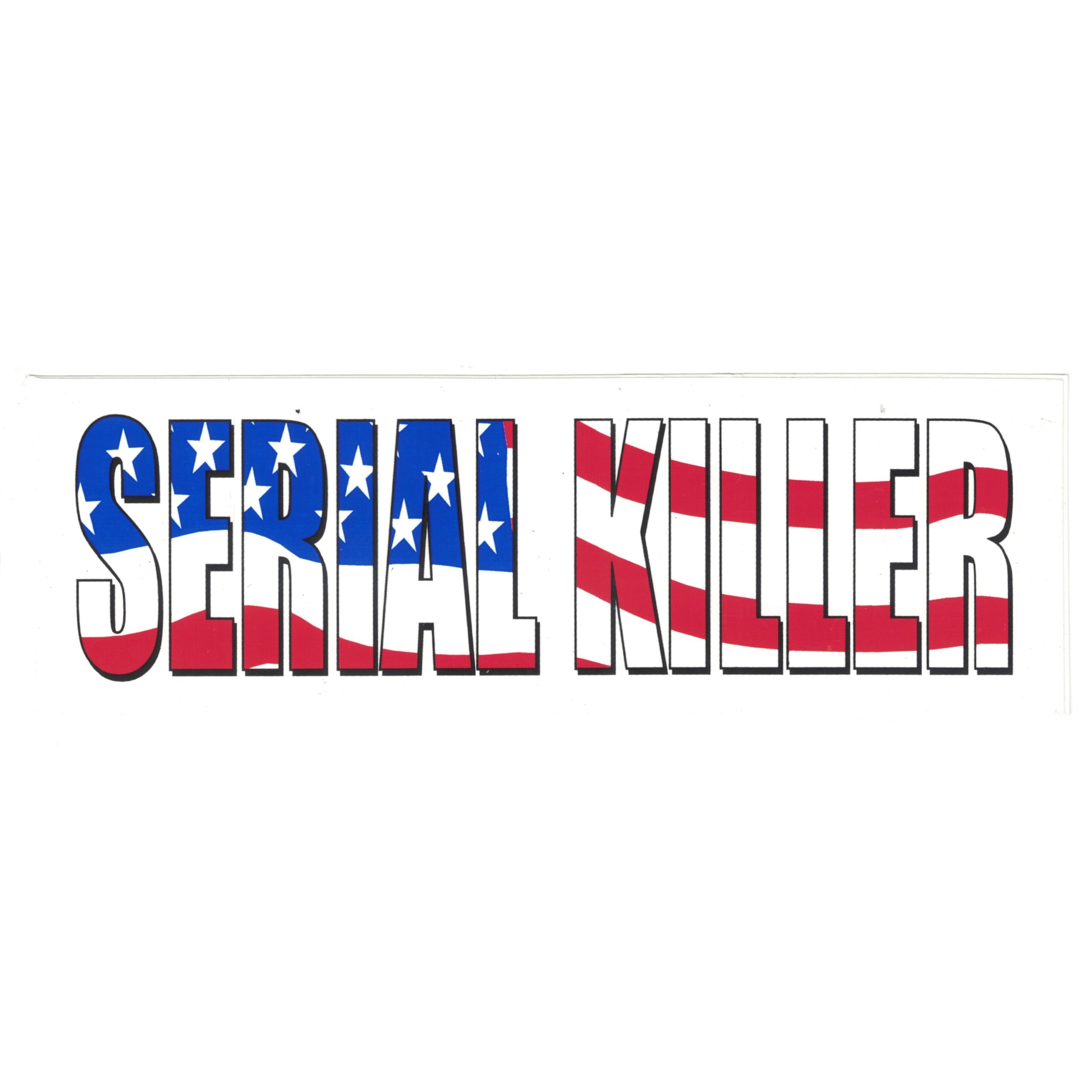
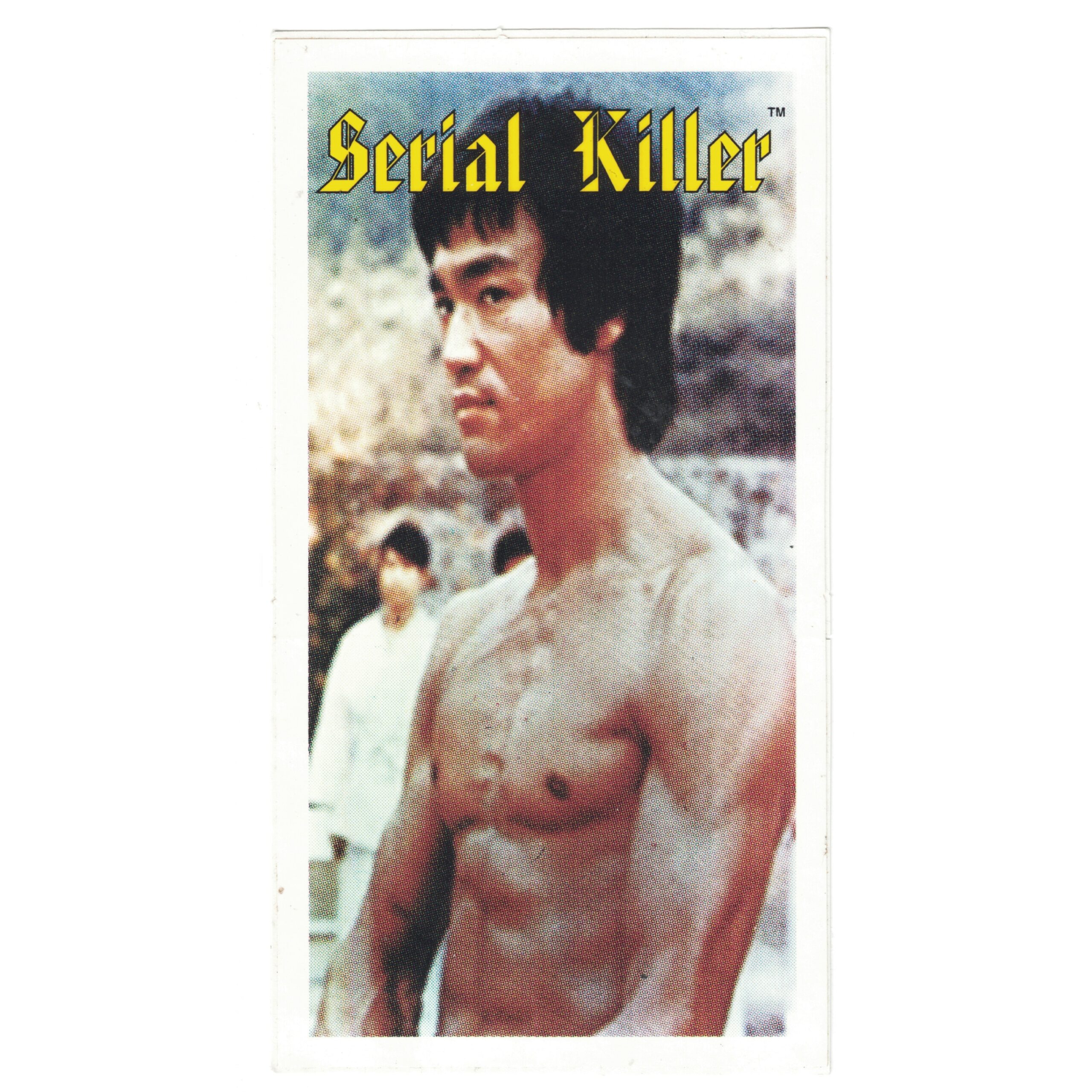
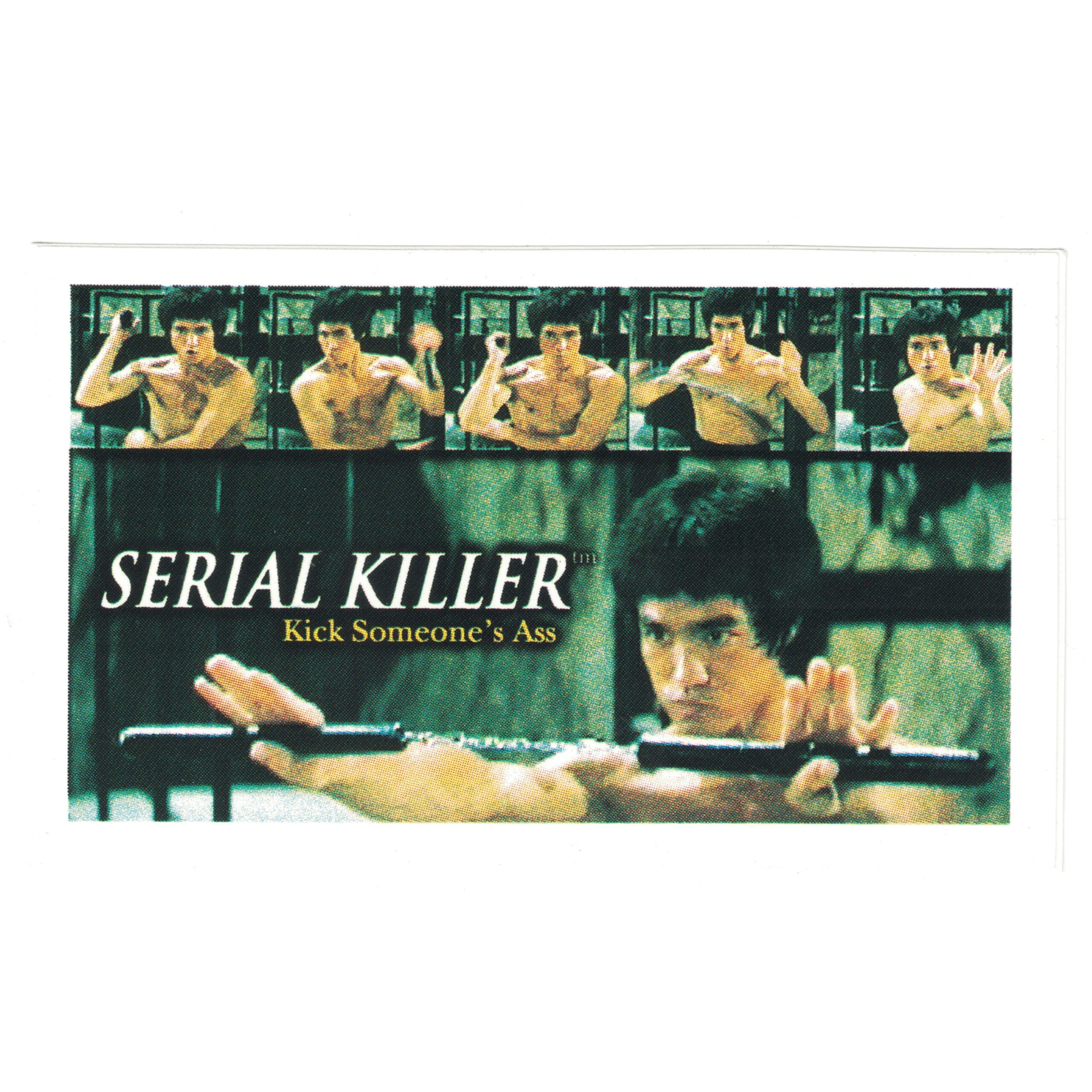
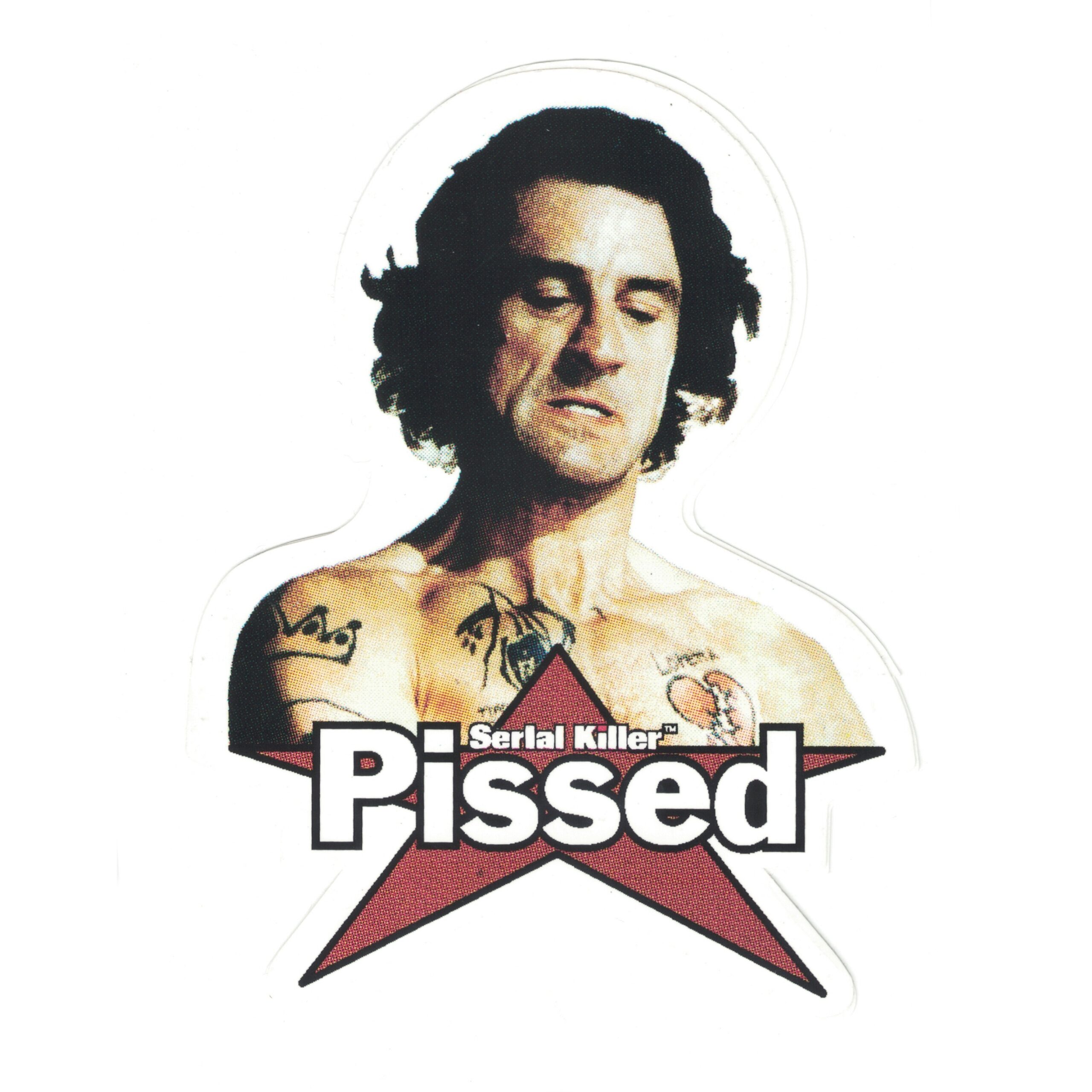
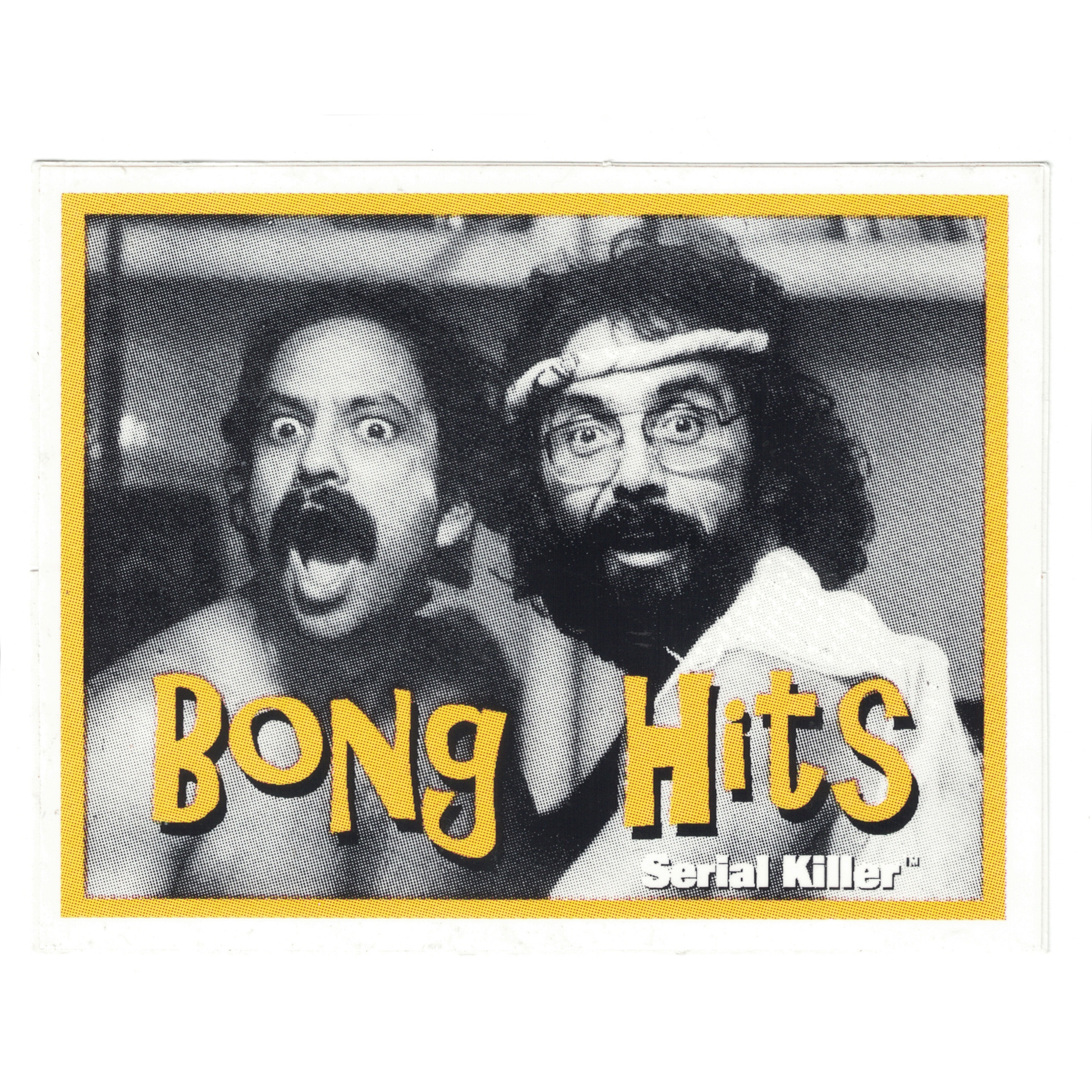
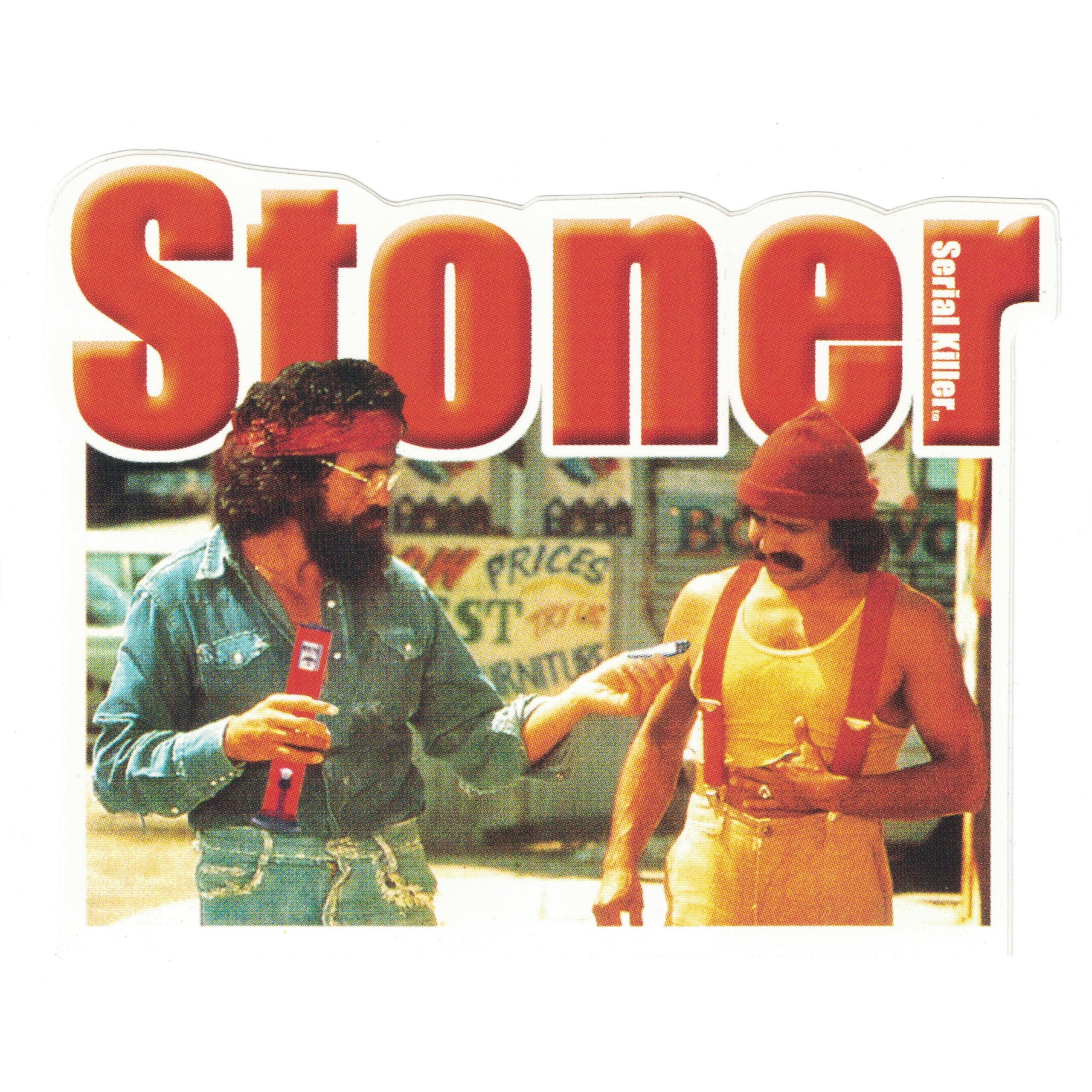
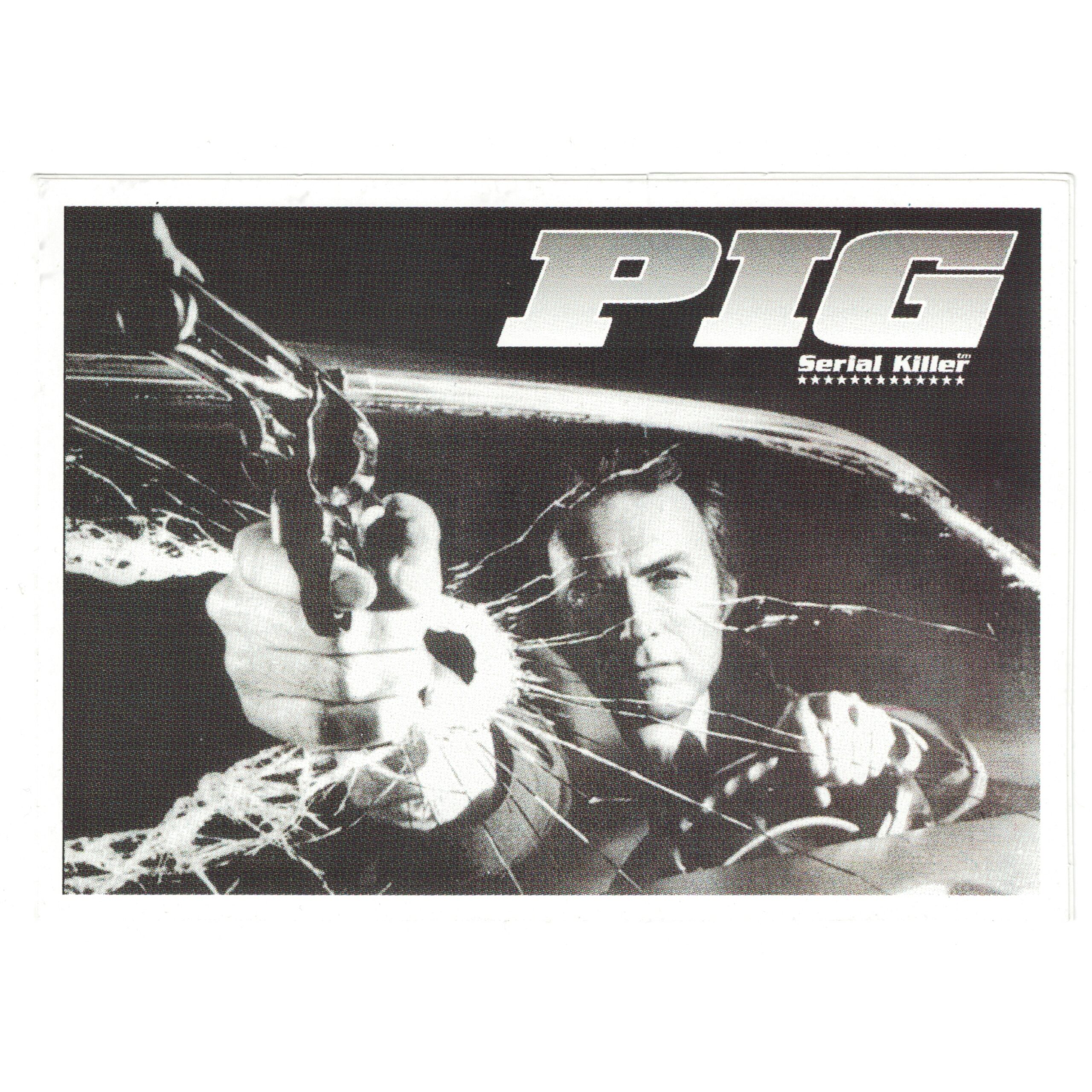
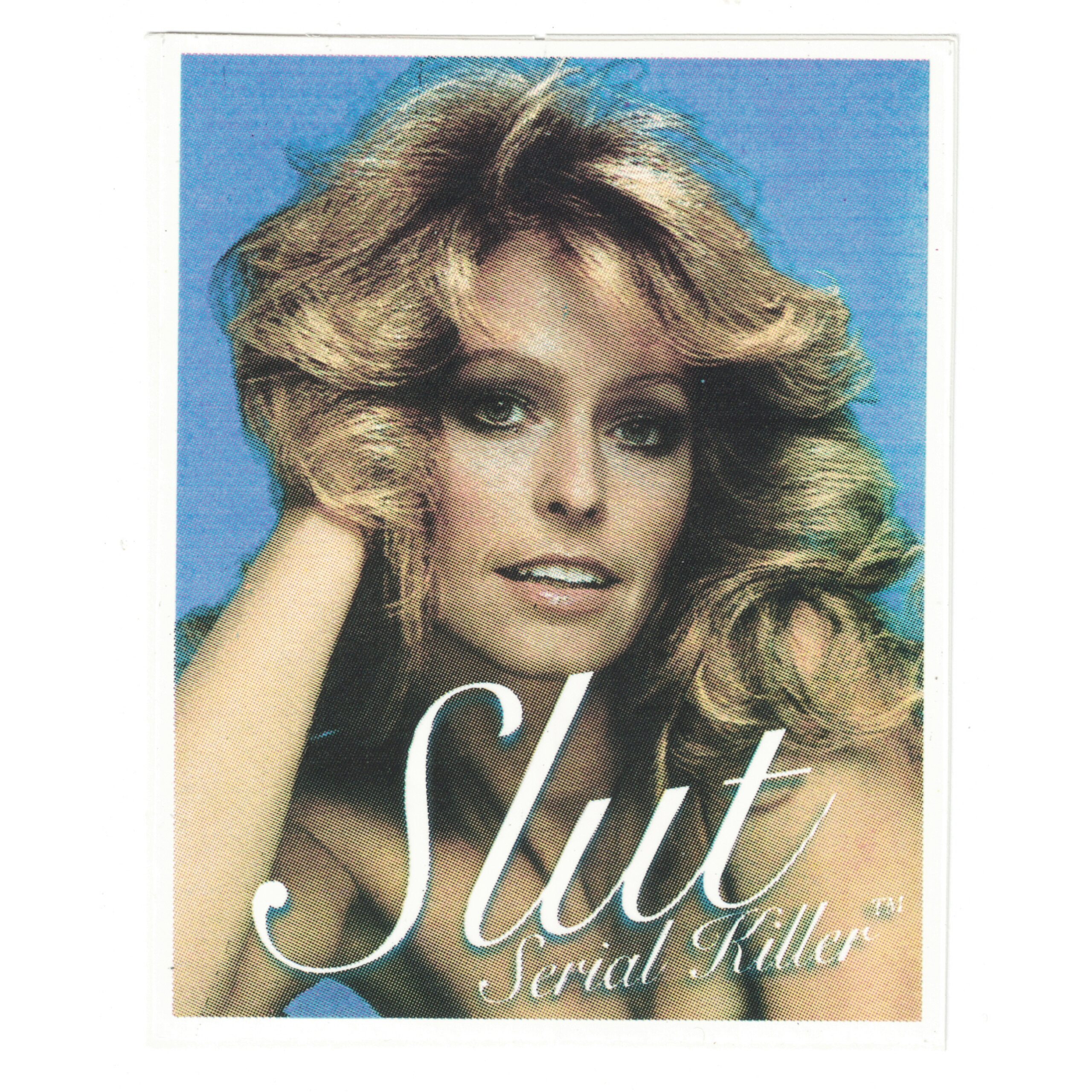
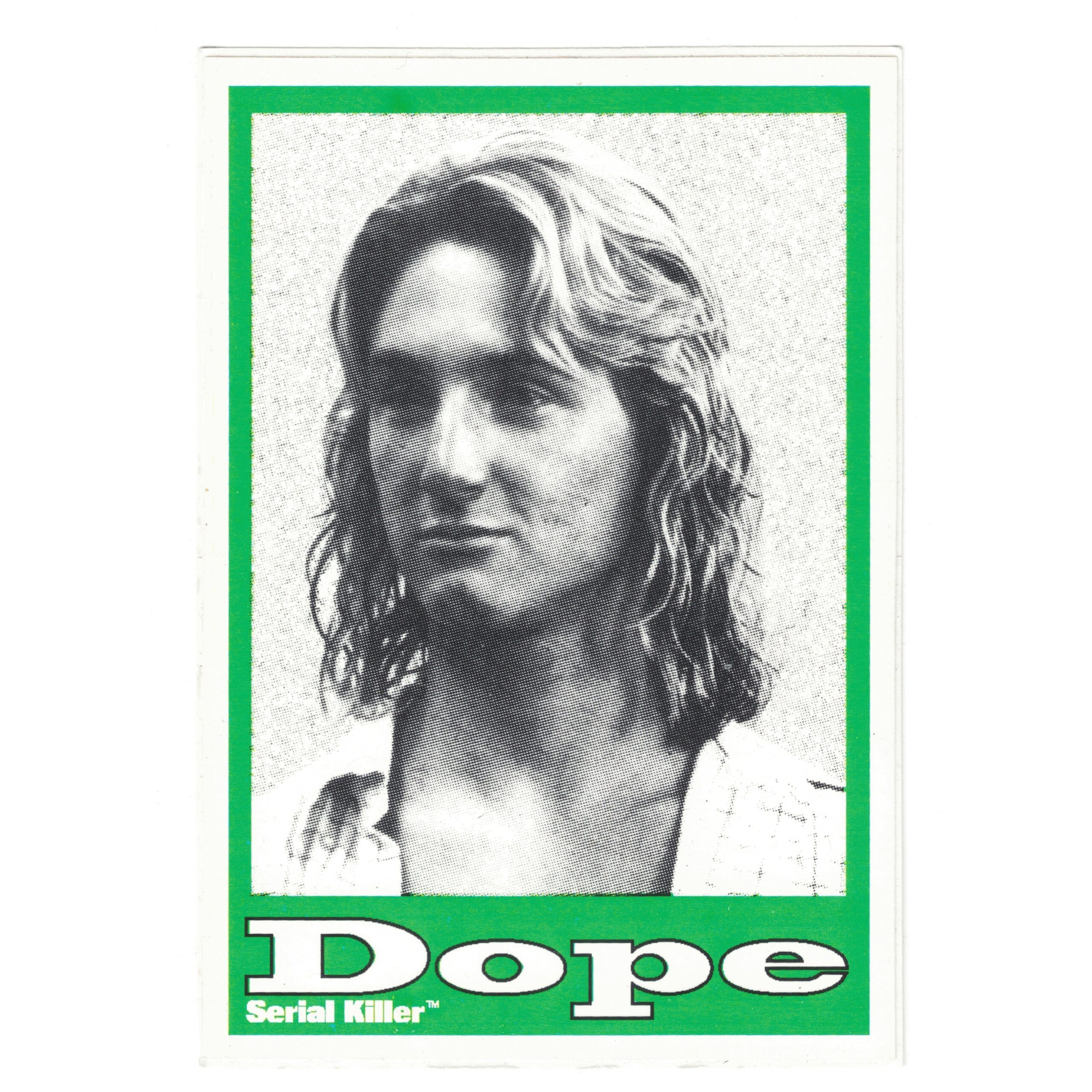
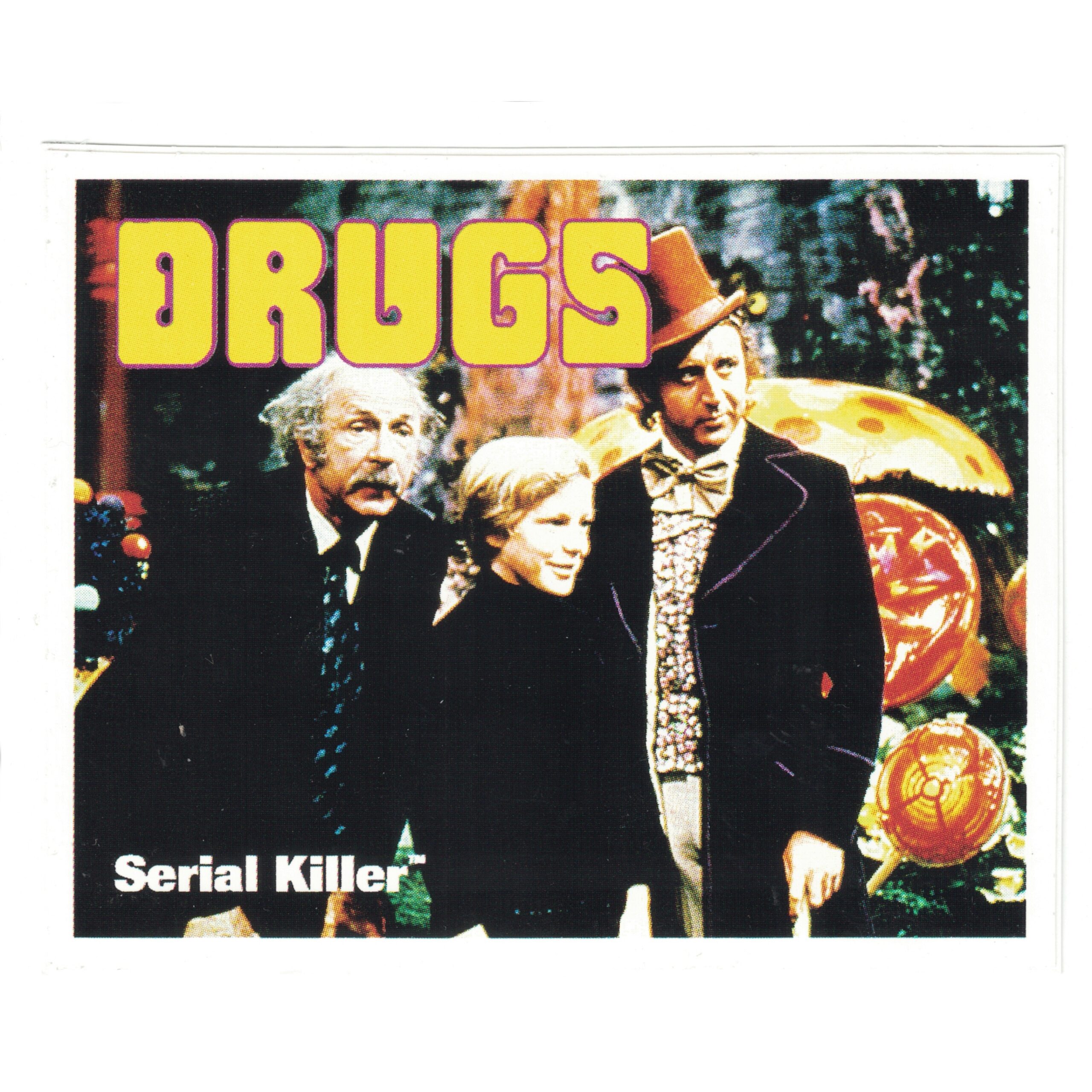
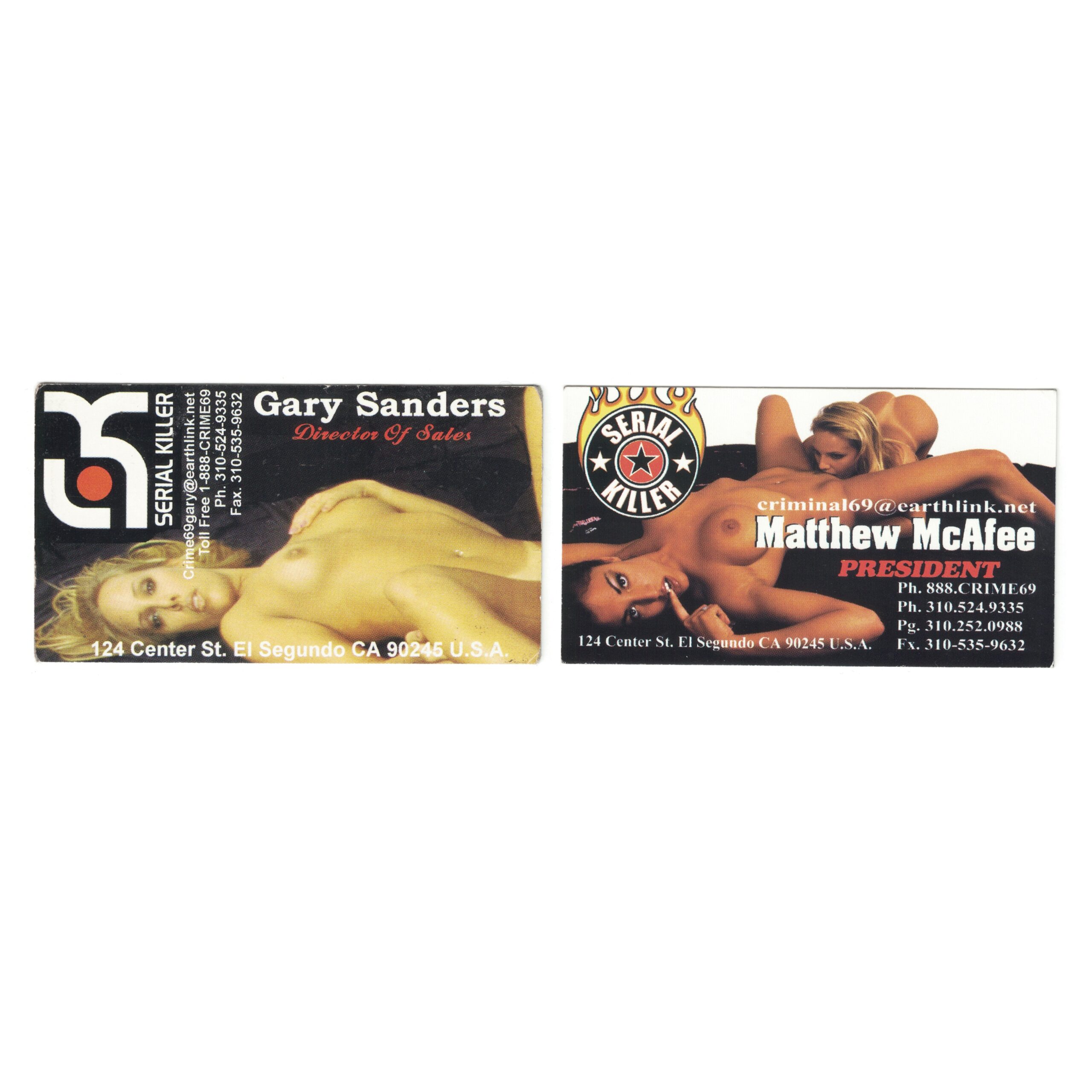
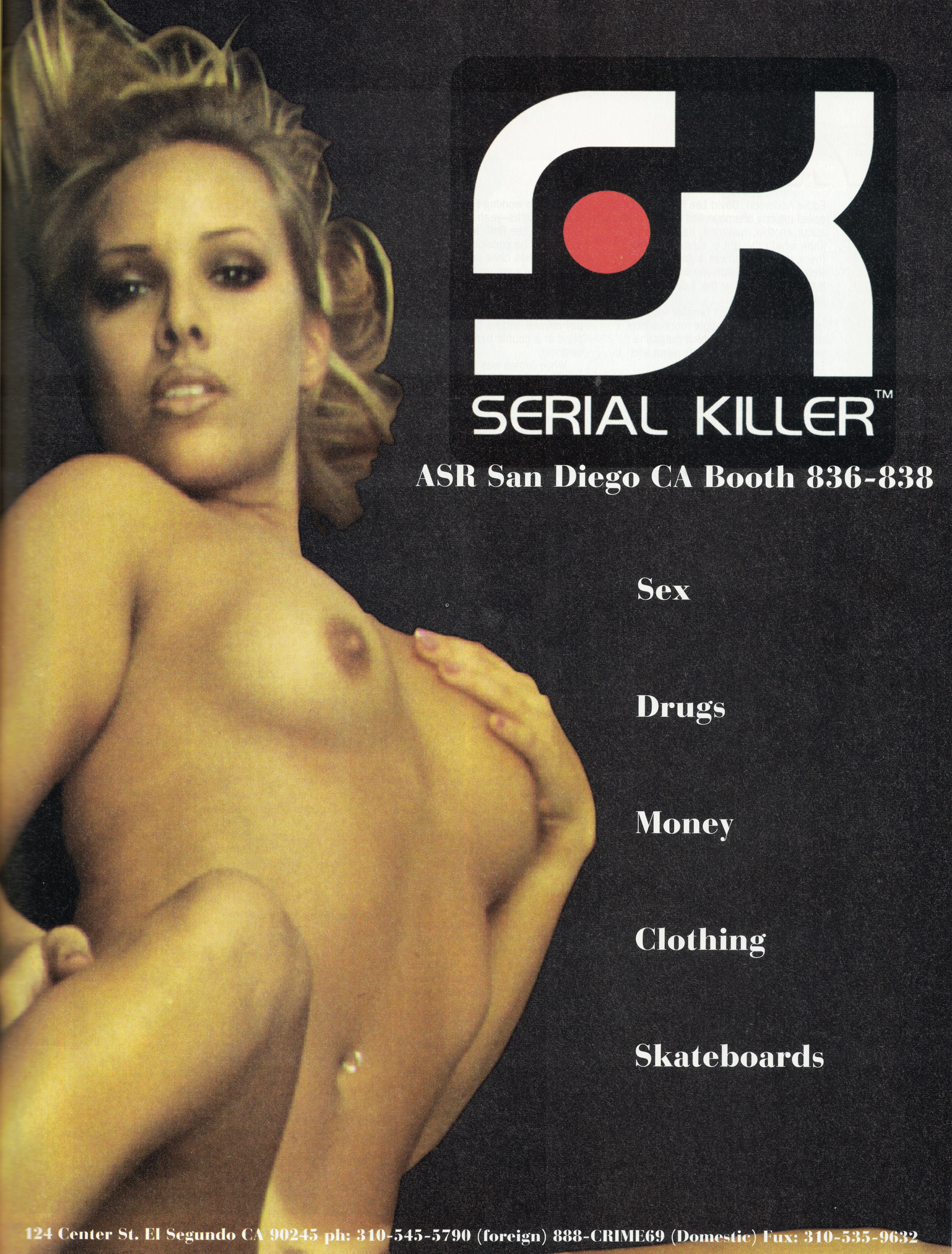
The story of Serial Killer is a classic, if ironic, tale of what happens when a disruptive idea runs headlong into the U.S. legal system. For me, the brand is a major cornerstone of what inspired CPX.ART.

Launched in 1997 by a few guys in El Segundo (yes, where Q-Tip left his wallet), the concept was simple but revolutionary: appropriate an image of a cult icon, a movie scene, or a pop-culture has-been, tweak it in Photoshop, and add a few words of biting satire. Long before “Internet memes” were a thing, Serial Killer was printing them on tees, hats, and decks. They were the provocateurs of 90s youth culture and the nightmare of the older generation.

They were pioneers in a genre that walks the razor’s edge of “Fair Use.” Because copyright law is notoriously subjective and the legal process is a soul-crushing financial burden, it took serious guts to build a brand on this kind of artistic risk. Ultimately, it wasn’t a lack of marketability that brought them down—it was a barrage of lawsuits from plaintiffs who couldn’t take a joke. Their work was a deliberate disruption of the system, a guerilla-style middle finger to the establishment. Without their “permission-less” approach, these artifacts wouldn’t even exist.

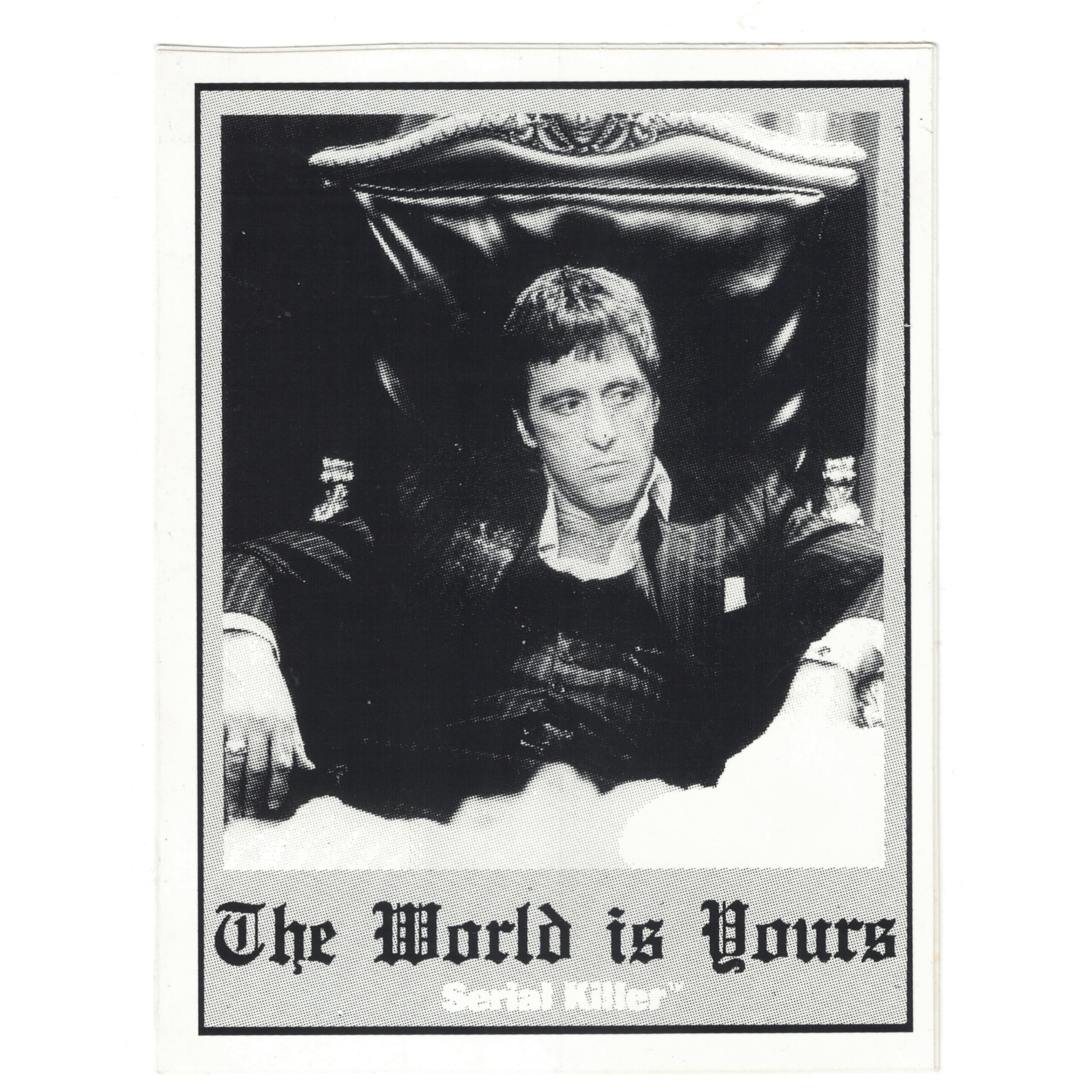
Here is a collection of Serial Killer sticker art from my personal archive.

I’d also like to point out that the Serial Killer brand has seen a reboot in the past few years in the skateboarding space and that you should visit and support https://www.serialkillerbrand.com/ and or follow them on Instagram (@serialkillerbrand).

– CPX

WARNING: Contains explicit content

Serial Killer

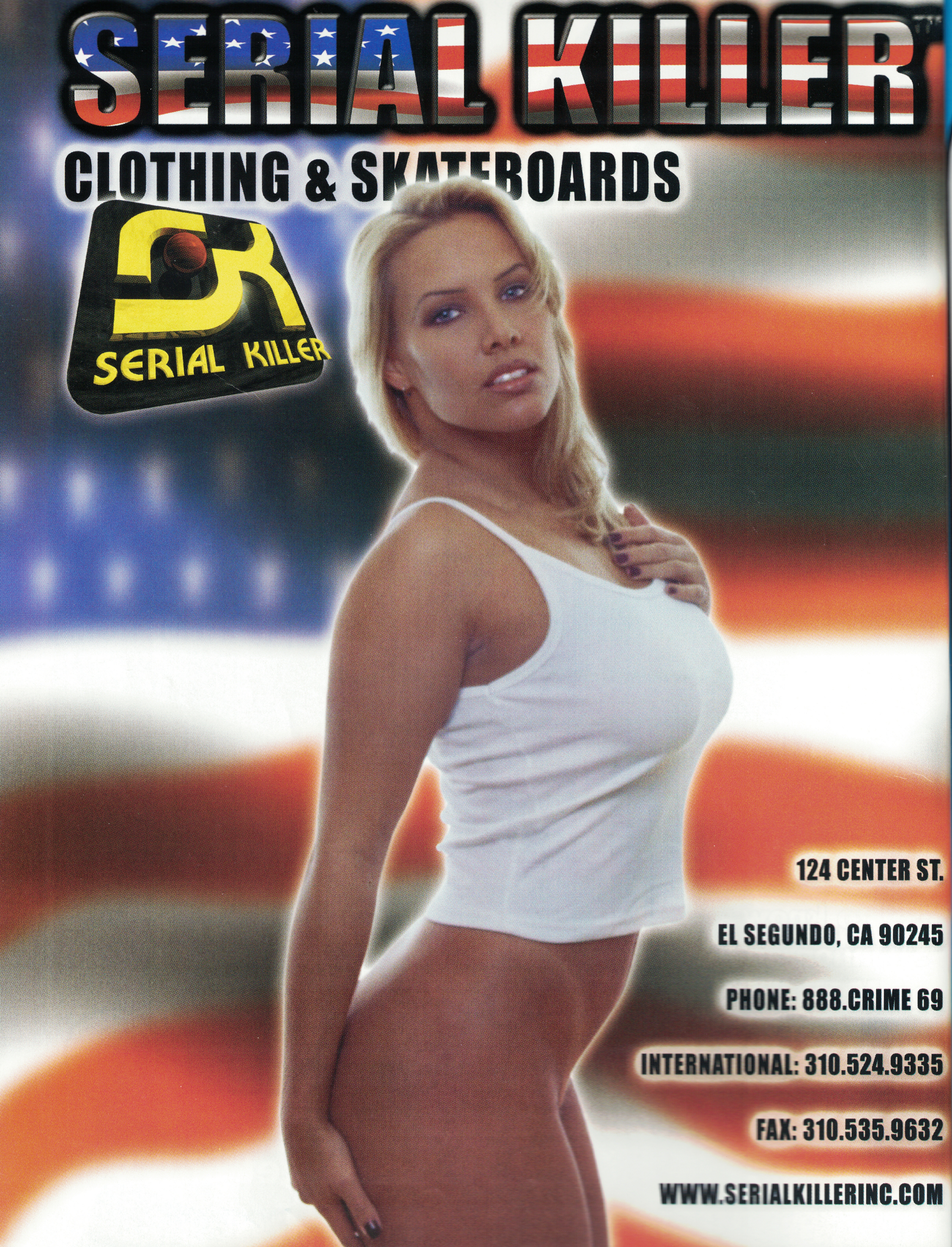
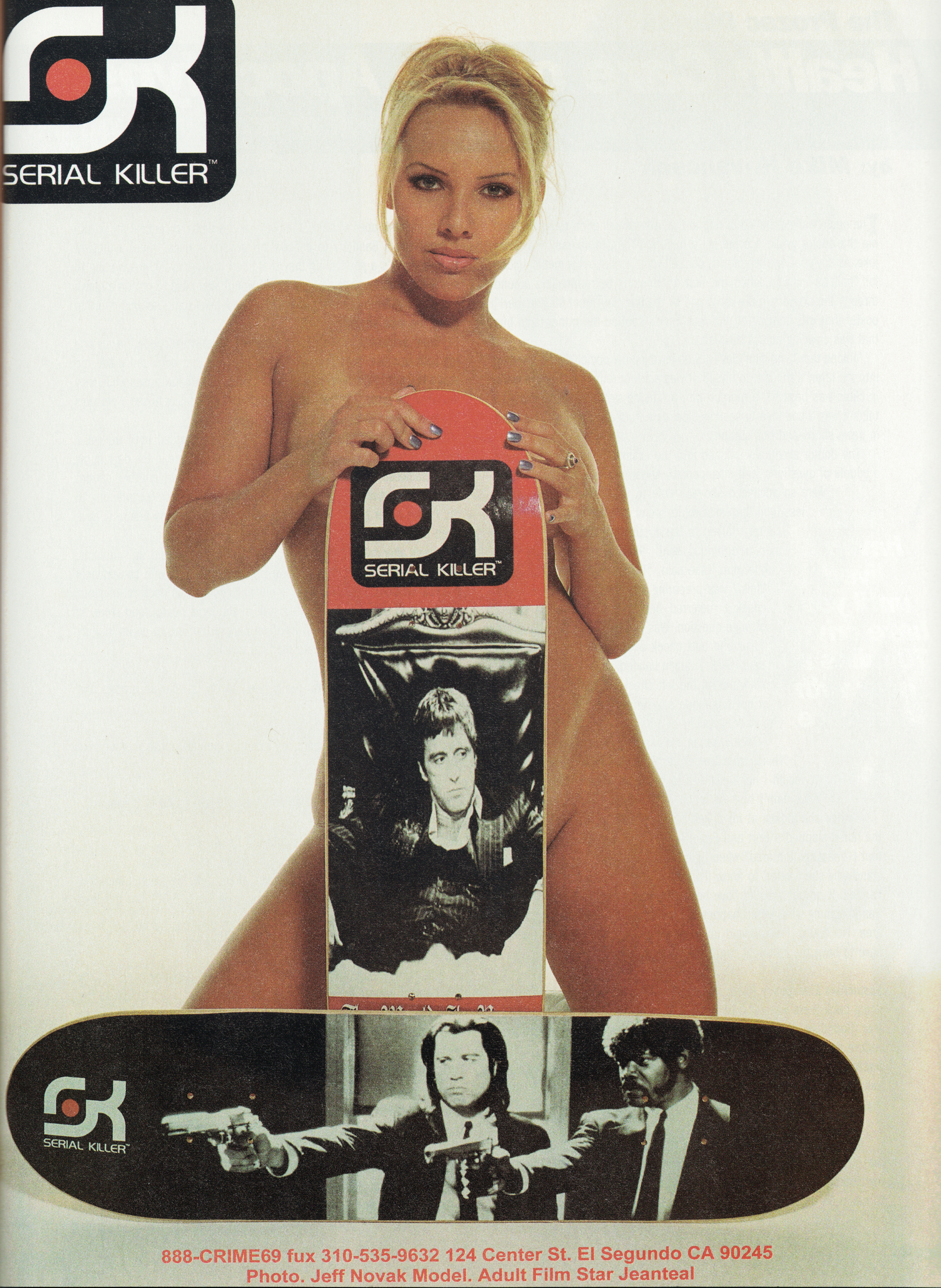
Here is a PDF I made from a scanned Serial Killer catalog with some more art for you to look at, and a few advertisements [1, 2, 3] I scanned from late 90’s Pop Smear magazine.